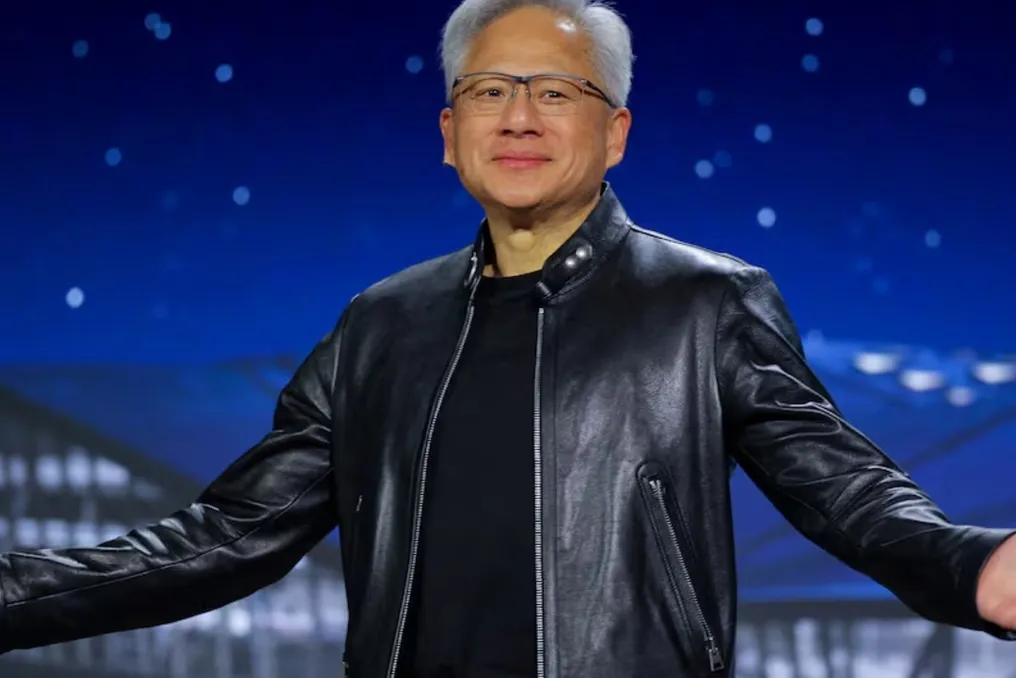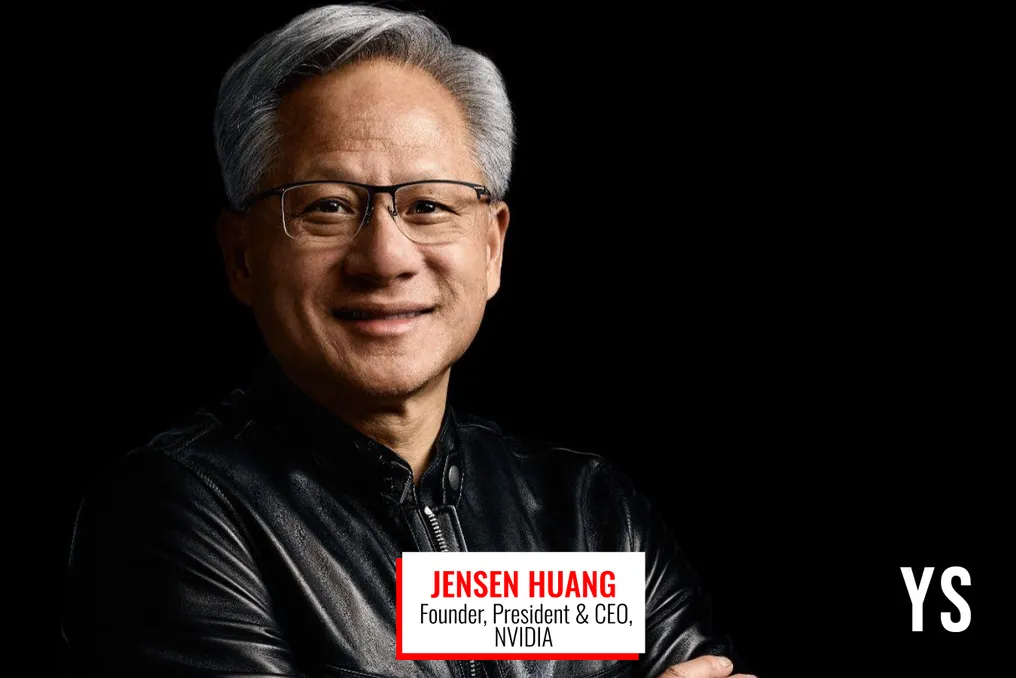
Members of the Nvidia board of directors, including Jensen Huang himself, have a long history of cooperation with the company, raising questions about the independence of the board and its ability to protect shareholder interests and hold Huang accountable.
Although nearly half of the 11 members of the Nvidia board have worked at the company since its early stages, his return to the CEO position represented a sharp change after Jones stated last week that the board unanimously accepted Huang's resignation and did not intend to reinstate him.
Huang's reinstatement occurred amid concerns from American officials regarding his ties to a woman who might be a Chinese intelligence agent, as well as numerous reports of his extramarital affairs with subordinates. Furthermore, President Donald Trump openly declared his role in pressuring the board to return Huang to his post.
Jo-Ellen Posner, a professor of management at the Levi Lincoln School of Business at Santa Clara University, noted that the external similarity of the relationship between the board and Jensen resembles publicly traded family businesses where long tenure for directors is not uncommon. However, she added that such companies are not major players in the global economy.
Yale University Professor Jeffrey Sonnenfeld, known as the 'CEO Whisperer,' called the Nvidia board's decision to reinstate Huang a 'complete corporate governance failure' on Monday and urged the board members to resign.
Moreover, besides Huang, four other Nvidia board members have been with the company for about three decades. Among them is Jones, who was appointed the first chairman of the Nvidia board after joining the company in 1993. Prior to this, he managed software at Synopsys, a client of the original Nvidia founders.
Cox and Stevens, early investors in Nvidia, have also been on the board since 1993, although Stevens took a two-year break from 2006 to 2008. Brooke Sewell, who previously worked with Jones at Synopsys, joined the Nvidia board in 1997.
Eric Tully, a professor at Columbia Law School, noted that the long service period of board members provides a 'long-term mission and spirit of camaraderie,' which is a source of strength for the company. Nevertheless, it creates situations where the board may be reluctant to exercise real oversight over those who have become old friends and who have ensured their loyalty for many years.
Perhaps this is why the board hesitated to challenge Huang's objections to succession planning, putting them in a difficult position and causing panic among investors after information about his ties and national security risk concerns became public.
Even board members who joined relatively recently by Nvidia standards have been there for a considerable time under current corporate governance norms. According to Posner, studies of corporate boards show that the 'maximum effectiveness' of a board member peaks around eight to ten years and then 'sharply declines.'
Posner termed boards with longer tenures 'zombie boards,' implying that people in such a state become passive in terms of active oversight, becoming akin to insiders.
However, Tully emphasized that with Huang's reinstatement, the board found itself in a difficult situation: either stick to the initial decision to dismiss Huang and risk provoking the anger of some of the largest clients and the president, 'who could wield a rather heavy governmental and regulatory hammer,' or change course, which would 'make the board look weaker' and expose them to risk should further issues arise during ongoing internal, governmental, and federal investigations.
Going forward, the board will likely monitor to keep Huang under strict control to avoid appearing ineffective. It appointed its new member, Suzanne Nora Johnson, a retired vice-chairman of Goldman Sachs who joined Nvidia in May, to lead the National Security and Export Control Oversight Committee, established last week in connection with the scandal.
Long-term Nvidia board members also benefited financially from Huang's return. According to FactSet data based on recent SEC filings, Jones, Cox, and Stevens collectively own more than 62 million shares of the company. The combined value of their assets dropped by almost $5 billion from late October to Friday before the Huang scandal, and then recovered about half on Monday when Huang's return boosted shares by over 30%.
While it is typical for corporate board members to hold company stock, aligning their interests with those of the shareholders they represent, experts warn that significant holdings can lead to short-term decision-making. Long-term Nvidia board members have seen their personal wealth rise sharply in recent years against the backdrop of the company's valuation surge.