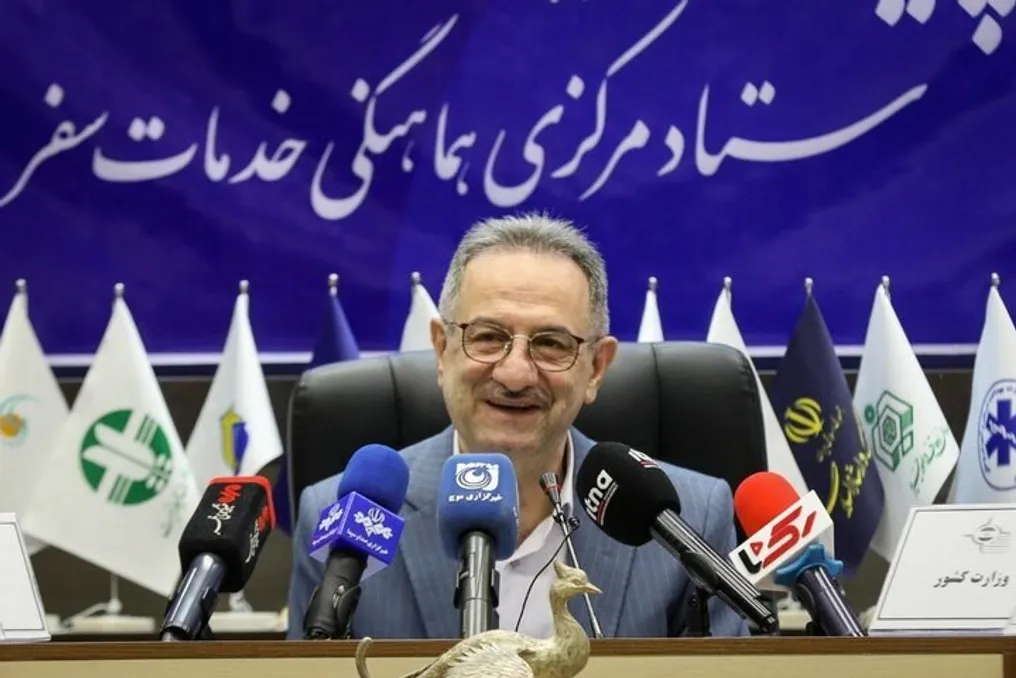
Tehran and Jakarta agree on direct flights and finalization of tourism agreement
Read more
Tehran Times
www.tehrantimes.com

Tehran and Jakarta agree on direct flights and finalization of tourism agreement

Iran and Indonesia have reached an agreement on developing direct air routes between the two countries and expanding cooperation in halal tourism, as both sides approach the signing of a bilateral agreement on tourism cooperation.

These issues were discussed during the meeting between Anushirvan Mohseni-Bandepey, Deputy Minister of Tourism of Iran, and Ni Luh Enik Ermawati, Deputy Minister of Tourism of Indonesia, on the sidelines of the 127th session of the UN World Tourism Organization Executive Council in Abu Dhabi, according to the agency Mehr on Wednesday.

The two officials reviewed ways to strengthen tourism ties, improve transport infrastructure, and facilitate travel between the countries. Support for establishing direct flights was noted as a key measure to increase accessibility and stimulate the growth of tourist flow.

The restoration and maintenance of the Al-Ghazali mausoleum, known as Imam Muhammad Ghazali (c. 1058 – 1111), a Muslim scholar and polymath, was also discussed during the meeting.

Ermawati welcomed Iran's efforts regarding this historical and cultural site, emphasizing its potential role in strengthening historical and cultural ties between the two nations.

The officials also examined pilgrimage routes for Indonesian visitors with the aim of combining Iran's religious and cultural attractions with opportunities for broader tourism development.

Mohseni-Bandepey proposed inviting Indonesian tour operators, media representatives, and tourism influencers to Iran for familiarization tours. This initiative aims to give Indonesian tourism professionals the opportunity to personally experience Iran's attractions, infrastructure, and tourism products.

The proposal was approved by the Deputy Minister of Indonesia, while both sides emphasized the importance of joint promotional programs and closer interaction between tour operators in the two countries.

Tourism Cooperation Agreement Ready for Signing

The finalization of the bilateral tourism agreement was another important item on the agenda. Mohseni-Bandepey reported that Iran has completed reviewing the draft agreement and sent the text to Indonesia for final approval.

Ermawati specified that Indonesia has also completed work on the text from its side and expressed hope for the agreement to be signed soon in the presence of the tourism ministers of both countries.

At the suggestion of Seyed Reza Salehi-Amiri, Minister of Cultural Heritage, Tourism, and Handicrafts of Iran, the Indonesian Minister of Tourism was invited to visit Iran and participate in the upcoming Tehran International Tourism Exhibition. This visit could be an opportunity to explore Iran's tourism potential and contribute to the official signing of the agreement.

Similar stories

Iran seeks to strengthen cross-border tourism cooperation with neighboring countries
Read more
www.tehrantimes.com

Iran seeks to strengthen cross-border tourism cooperation with neighboring countries

Iran intends to more effectively utilize the tourism potential of its border provinces by strengthening direct interaction with neighboring states, stated Moslem Shojaei, Director General for Marketing and Development of Foreign Tourism at the Ministry of Cultural Heritage, Tourism and Handicrafts.

In an interview with Tehran Times, Shojaei presented a new initiative aimed at forming tourism partnerships between Iranian border regions and neighboring territories. This program is designed to expand the role of local tour operators in international promotion, facilitate experience exchange among industry specialists, and transform long-standing cultural, linguistic, and commercial ties into new opportunities for attracting foreign visitors.

Amid significant regional uncertainty caused by tensions and the possibility of renewed conflict, the overall tourism environment is influenced by instability. Foreign Minister Abbas Araghi recently emphasized the importance of provincial diplomacy and closer cooperation between border provinces and neighboring countries. A question arises as to how this approach is reflected in tourism policy and the logic behind the initiative known as Gozar-As-Marz, which literally means 'Beyond Borders.'

When the general environment of the tourism industry changes due to regional events, tensions and uncertainty increase. In a situation that cannot be called either war or peace, it is difficult to predict future developments. Naturally, existing strategies and working methods must adapt to these changing circumstances.

One of the key reasons for launching the 'Beyond Borders' initiative was the desire to make the tourism sector more flexible and capable of responding to such conditions. It requires implementing an approach that allows plans to be adjusted and tourism links to be maintained even amid unpredictable broad regional conditions.

The initiative also has a theoretical basis in economics and geography, particularly in the concepts of decentralization and the significance of peripheral regions. Policies developed at the central level cannot always be effectively transferred to border areas without considering their specific characteristics. Without sufficient coordination and cohesion, such a 'top-down' approach can lead to errors.

Border territories are often better informed about their own problems and capable of solving them because they deeply understand local conditions and have direct contacts with communities across borders. This is essentially a 'bottom-up' planning approach, unlike the 'top-down' models that were more common in the 1980s and 1990s.

The main idea is simple: each Iranian border province should establish closer working relations with the corresponding province or region in a neighboring country.

For example, provinces such as Ilam, Khuzestan, Kermanshah, and South Khorasan can cross the border, interact with their partners, and develop joint tourism projects.

Previously, international tourism promotion was often carried out under a centralized model, where it was expected that provinces would attract foreign visitors themselves by conducting advertising campaigns, inviting specialists, and organizing familiarization tours involving influencers to showcase their destinations and products.

However, border provinces have a special advantage. Their local tour operators, tour organizers, and hotel owners are already familiar with neighboring regions and often maintain direct contacts with colleagues there.

Take West Azerbaijan, for instance. Local tourism specialists in this province know the neighboring areas much better than national-level officials. They have already established contacts with tour operators across the border. An initiative that might require two or three months of coordination from the Ministry of Foreign Affairs and other central bodies can sometimes be organized by local operators in just one or two days, using only a few WhatsApp messages, social media exchanges, and meetings. This provides border provinces with greater speed and flexibility in organizing joint events.

There are several factors contributing to the effectiveness of these connections. For example, border communities often have long-standing commercial relationships, cultural similarities, and family ties across state borders. In many cases, people on both sides speak the same language or share closely related cultural traditions.

For instance, Kurdish communities in Kermanshah and Kurdistan province have close cultural and linguistic ties with the Kurdistan region of Iraq. Similarly, Arab communities in Khuzestan maintain cultural and linguistic ties with the Arab population across the border in Iraq.

These ties simplify communication and help tourism specialists understand the preferences, expectations, and interests of potential visitors. As a result, tour operators in border provinces are often better equipped to identify suitable markets, promote local attractions, and attract tourists from neighboring regions. They understand the language, culture, and preferences of their potential clients.

Iran borders 15 countries and has 16 border provinces, opening up significant opportunities for cross-border tourism cooperation. There are numerous potential connections. For example, Sistan and Baluchestan province can develop tourism relations with neighboring Pakistani provinces. South Khorasan can strengthen cooperation with Afghanistan, and Khorasan Razavi can rely on its existing geographical and cultural ties with Afghan regions, including Herat.

Sarakhs and other border areas can also establish closer tourism ties with Turkmenistan. Similarly, Golestan province has opportunities to cooperate with its Turkmen partners. These examples demonstrate how the initiative can develop in different parts of the country. Each province can determine the most suitable neighboring regions and build cooperation based on its geographical location, cultural proximity, and existing economic relations.

One of the main tools will be familiarization tours. Tourism specialists from neighboring countries, especially those involved in sending travelers, will be invited to visit Iranian border provinces to familiarize themselves with their attractions and tourism infrastructure.

For example, tour operators and other tourism representatives from the Kurdistan region of Iraq may visit Kermanshah, Sanandaj, and Marivan to study their tourism potential. They may also visit West Azerbaijan through border crossings such as Tamarchin to get acquainted with the province's attractions and sites.

These programs may include tour operators, hotel owners, tourism service providers, and social media influencers. The goal is to present Iranian destinations and tourism products directly to the people who can promote them and organize trips. Instead of relying solely on centralized advertising events, the aim is to create direct and long-term working relationships between local tourism stakeholders and their partners across the border.

When local authorities are directly involved in these agreements, problems can often be identified and solved faster. Ultimately, the initiative aims not only to promote destinations but also to strengthen the resilience of tourism links. By expanding the powers of border provinces and encouraging direct interaction with neighboring regions, channels for travel and economic exchange can be maintained even in difficult conditions.
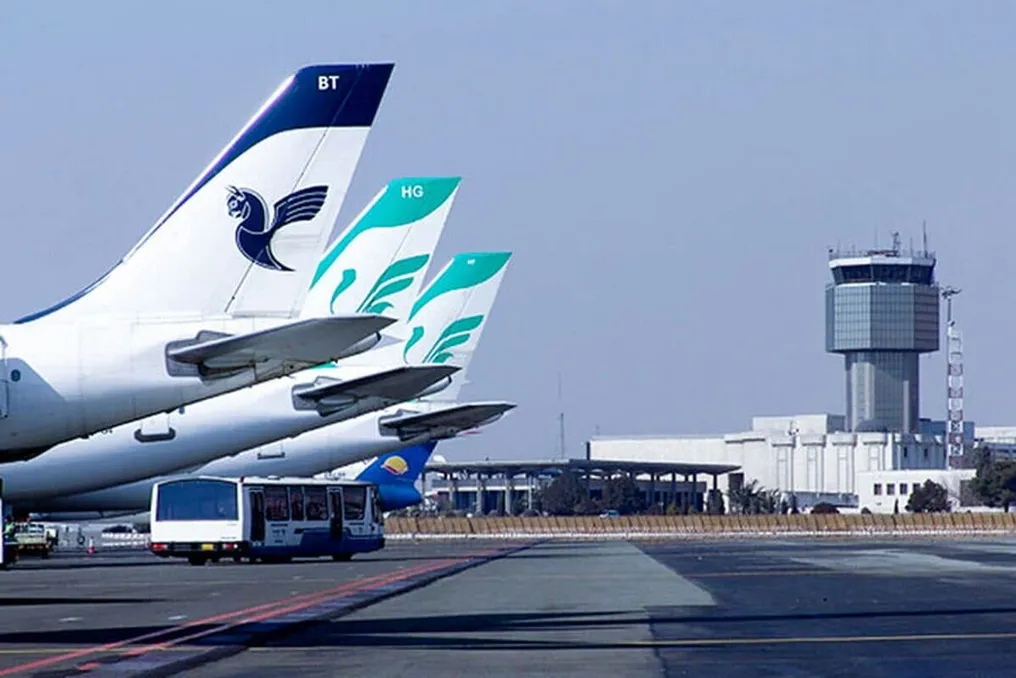
Pegasus Airlines will start flights to three cities in Uzbekistan from Istanbul
Read more
uzdaily.uz

Pegasus Airlines will start flights to three cities in Uzbekistan from Istanbul

The Turkish airline Pegasus Airlines has announced the launch of direct flights from Istanbul to three cities in Uzbekistan. According to a statement from the Tourism Committee of Uzbekistan, the first flights to Bukhara and Andijan are scheduled for December 2026, while service to Termez will begin in March 2027.

The first flights to Bukhara are set for December 14, 2026, and service to Andijan is expected to start on December 18. Flights to Termez are planned to launch on March 1, 2027. Initially, the airline intends to operate three flights per week on the routes to Bukhara and Termez, and two flights per week to Andijan.

These new destinations were announced during a Pegasus Airlines presentation in Tashkent on November 11, attended by representatives of the Tourism Committee of Uzbekistan. Agreements on expanding air connections were reached during the working trip of the Chairman of the Tourism Committee, Abdulaziz Akkulov, to Turkey.

During negotiations with the airline's management, issues such as increasing available air services, attracting transit passengers through Istanbul, and promoting Uzbekistan's tourism potential abroad were discussed. Pegasus Airlines already operates flights to over 160 destinations in 58 countries.

These new direct routes will allow international travelers to begin their trips in Uzbekistan directly from regional destinations. Bukhara is oriented towards tourists interested in historical and cultural heritage; Andijan caters to lovers of the Fergana Valley attractions; and Termez is intended for travelers interested in the archaeological and historical sites of the Surkhdarya region.

The parties also agreed to consider joint marketing campaigns, familiarization tours, and business meetings with tour operators. In the future, the possibility of launching Pegasus Airlines flights to Karshi and Nukus may also be considered.

Iran and Armenia establish joint committee to simplify tourist travel
Read more
www.tehrantimes.com

Iran and Armenia establish joint committee to simplify tourist travel

Iran and Armenia have reached an agreement to eliminate obstacles to land travel, increase the number of direct flights, and expand cooperation in medical tourism. According to the Deputy Minister of Tourism of Iran, the sixth meeting of the joint technical committee on tourism is planned in Tabriz.

The agreements were announced by Anushirvan Mohseni-Bandepey following the 19th joint commission of Iran and Armenia for cooperation, which took place in Yerevan on November 9 and 10. During this meeting, tourism was one of the key topics discussed, within which bilateral cooperation was reviewed and a joint memorandum of understanding was drawn up.

Mohseni-Bandepey emphasized the long historical and cultural ties between the two countries, noting significant potential for developing exchanges between peoples and tourism. One of the main priorities is solving problems affecting land travel, especially difficulties at border crossings.

According to the agreements reached, a joint meeting will be organized involving representatives from East Azerbaijan province of Iran and Syunik province of Armenia, including specialists from the tourism sector, to identify barriers and develop effective solutions. The Road Service and Transport Organization of Iran, the Ministry of Transport and Urban Development, and the Customs Administration of the Islamic Republic of Iran also expressed readiness to cooperate in promoting cross-border travel.

The sixth meeting of the joint technical committee on tourism is scheduled to take place in Tabriz soon, following the fifth meeting held last December. This meeting aims to translate the latest agreements into practical steps.

Another area of cooperation is medical tourism. Mohseni-Bandepey noted that Iran's medical services and healthcare infrastructure can attract Armenian patients and visitors, so facilitating entry for Armenian medical tourists into Iran is one of the goals they are pursuing.

The parties also discussed the possibility of increasing the number of direct flights between the countries, which will be subject to further study at upcoming technical meetings. The Deputy Minister of Tourism stated that Iran ranks third among popular destinations for Armenian tourists, behind Russia and Georgia. In turn, Armenia is among the top five or six destinations chosen by Iranian travelers, depending on the year.

Furthermore, Mohseni-Bandepey drew attention to the Armenian diaspora, estimating the number of ethnic Armenians outside of Armenia at seven to eight million. He suggested that their cultural ties with Iran could open opportunities for creating new tourism packages and initiatives.

He also highlighted the potential of combined tourism offerings for international guests visiting the region, which would allow Iran and Armenia to jointly promote their attractions, stimulate longer stays, and strengthen regional tourist flows. In conclusion, Mohseni-Bandepey stated that the agreements reached at the 19th joint commission provide a chance to move bilateral tourism cooperation beyond general concepts and direct it towards practical actions, especially through improving land and air connectivity, developing medical tourism, and promoting shared historical and cultural heritage.

Popular