Porsche launches second generation of dashcam with internal recording and automatic collision detection
Read more
AutoPapo
autopapo.com.br

Porsche launches second generation of dashcam with internal recording and automatic collision detection

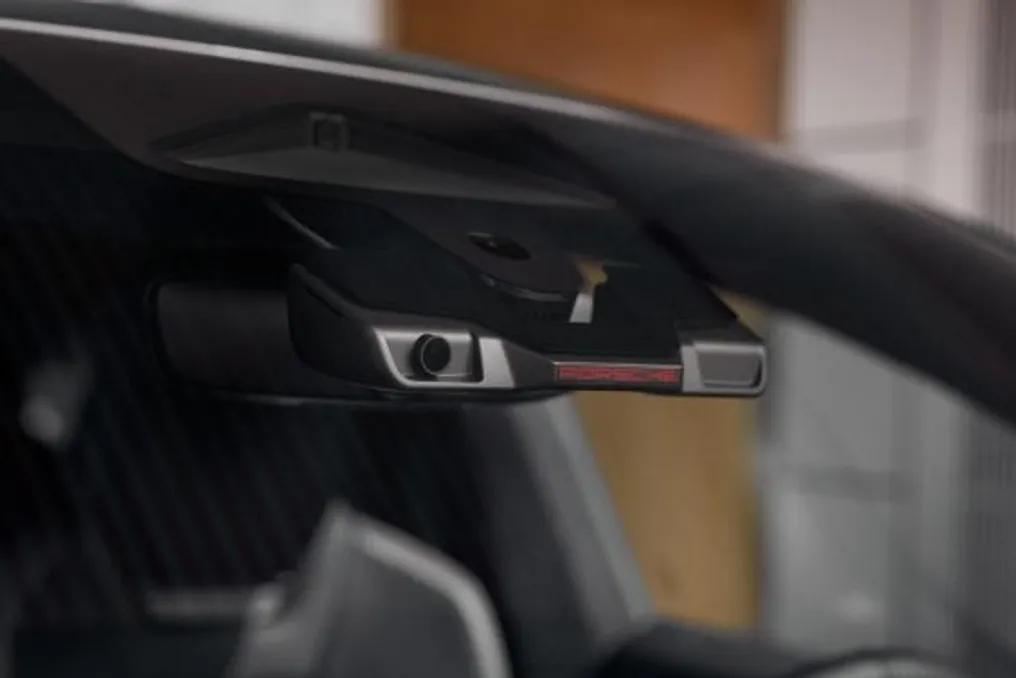
Porsche has introduced the second version of its vehicle camera (dashcam), bringing an unprecedented feature: the device now also captures images from inside the cabin. This new accessory has been added to the official catalog of the German manufacturer.

The lens facing the cabin is a novelty in the line and operates in synchronization with external monitoring. Furthermore, there has been a change in the device's installation. While the first generation was positioned to the left of the interior rearview mirror, the new version is fixed in the center of the windshield, just below it, on all models. Porsche assures that this new location does not interfere with the driver's view.

An illuminated brand emblem signals the device's operating mode. The front and rear cameras record in QHD resolution (2,560 x 1,440 pixels), while the internal camera records at 1,440 x 1,440 pixels. All lenses feature HDR technology, which ensures balance between light and dark areas of the image. Additionally, a polarizing filter is used to reduce reflections on the glass, maintaining sharpness even under challenging lighting conditions or at high speed.

The system operates autonomously, without the need for driver intervention. A G-force sensor identifies impacts, and a radar detects the approach of objects, whether the vehicle is moving or stationary. In these situations, recording starts automatically, saving the ten seconds preceding the event and registering the exact location via GPS. The G-force sensor and radar were already part of the first generation.

Videos are stored on a 64 GB microSD card included with the kit, which can be replaced by one up to 512 GB. Management, viewing, and transfer of recordings are done through the My Porsche mobile application. The Dashcam Gen. 2 is compatible with all brand models that have factory electrical preparation for the camera. In Cabriolet and Targa models, the kit includes only the front unit with the internal lens; in other vehicles, the rear camera is also present, fixed to the rear window.

This accessory is already available for order on the official Porsche accessories portal and can be installed at authorized brand dealerships.
Similar stories

Mercedes-Benz tests electric prototype without bodywork, featuring a wooden dashboard and battery positioned behind the rear axle
Read more
autopapo.com.br

Mercedes-Benz tests electric prototype without bodywork, featuring a wooden dashboard and battery positioned behind the rear axle

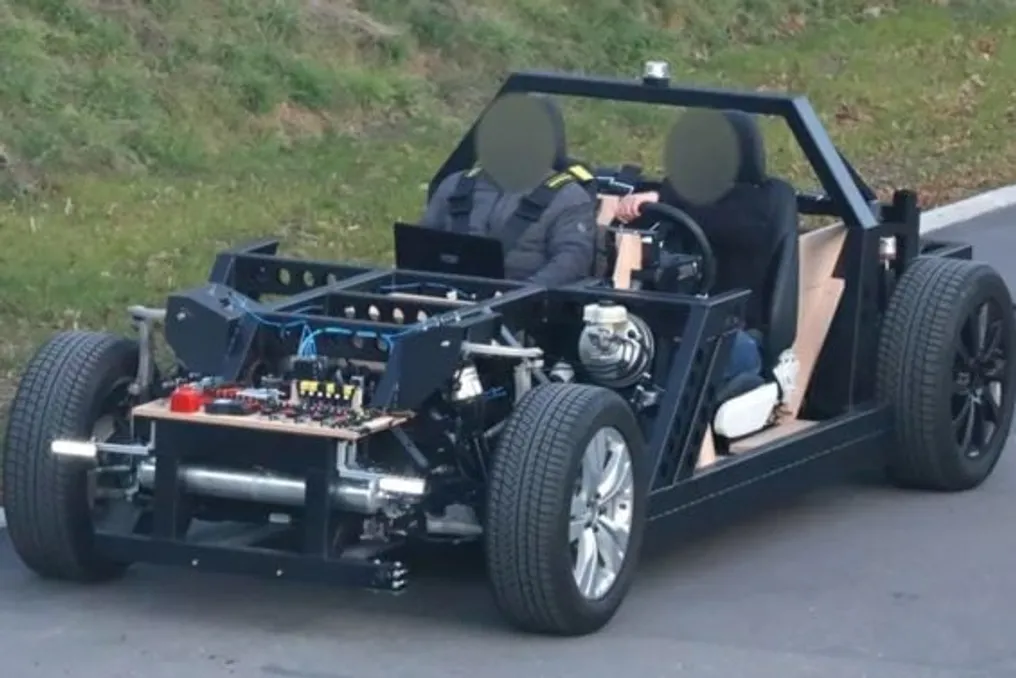
Mercedes-Benz was observed during tests with a two-seater electric prototype that features an exposed structure, dispensing with traditional bodywork. The black chassis remains visible, lacking panels both at the front and the rear.

Photos released on Monday, the 23rd, by the Carscoops portal reveal a vehicle that deviates from the usual format of the German automaker's engineering mules (initial prototypes), which typically employ the bodywork of an existing model.

The electric nature of the propulsion is clear due to the absence of an internal combustion engine and the presence of a sizable electric motor installed on the rear axle. Unlike the manufacturer's current electric vehicles, this prototype does not house the batteries under the floor; instead, a smaller unit is positioned behind the rear axle.

In the front section, the chassis displays shock absorber towers, components that appear to belong to an electronically controlled suspension system, in addition to electronic modules and small LED headlights. The rear reveals the suspension arms and low-profile taillights.

There is no conventional cabin; the floor and dashboard appear to be made of plywood. The driver and passenger use racing harnesses, and the second occupant has a notebook on their lap, possibly for data logging.

Mercedes-Benz has not issued official statements regarding this prototype, and specialized websites present divergent opinions on its purpose. For Carscoops, the vehicle could be used to evaluate batteries, rear motors, suspension parts, or serve as a base for various future models.

On the other hand, autoevolution suggests that the prototype indicates a two-seater electric roadster, following the style of the old SLC, a competitor to the electric Porsche 718 Boxster. Meanwhile, SlashGear questions whether the front suspension height is compatible with a sports car.

This sighting occurs at a time of restructuring the company's electric lineup. Mercedes is focusing its efforts on the CLA, C-Class, and GLC models, while discontinuing the EQE and EQE SUV, planning to replace the EQS with an electric Class S featuring a more classic design. In the AMG sports division, the GT 4-Door Coupe and a derived SUV were launched this year.

In the Brazilian market, the latest electric model from Mercedes is the GLB 250+, which was launched this month with a price of R$ 409,900.

Audi develops retractable physical button system that emerges from the multimedia screen
Read more
autopapo.com.br

Audi develops retractable physical button system that emerges from the multimedia screen

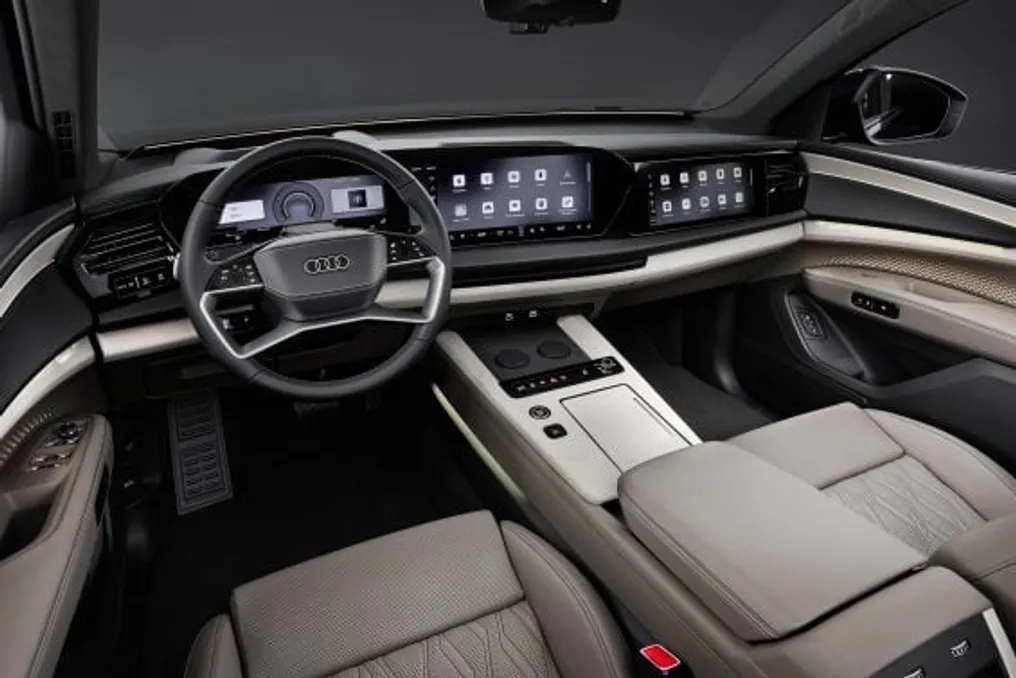
Audi is looking to reintroduce physical buttons for drivers, but only upon request. The German automaker has filed a patent application in Germany for a motorized button bar that remains hidden behind the bottom edge of the multimedia system and only becomes visible when requested.

This innovation comes in response to a common complaint about contemporary vehicles: the strong dependence on touchscreens, which forces the driver to navigate through various menus just to make simple adjustments, such as changing the air conditioning output.

In the presented concept, the screen itself remains static. The component that moves is the button module, which projects out from the back of the display and returns to its level position when not in use.

According to the patent application documents, there are three ways to activate this bar: automatically when starting the vehicle, via voice command, or through a manual gesture.

Even with the bar retracted, all functionalities remain accessible. The screen displays a 'digital twin' containing the same commands organized in the same sequence as the physical buttons. This way, users who prefer to interact by touch do not lose any functionality, while those who appreciate buttons gain in ergonomics.

The patent also highlights a practical advantage: when the controls are projected outwards, such as during video playback, there is an increase in the free space available on the screen.

This solution reflects a shift in Audi's thinking. Massimo Frascella, the brand's creative director, had previously stated that very large screens do not represent the best experience, criticizing the trend of prioritizing technology for technology's sake.

This change in direction began with the electric A2 E-Tron model, which brought back elements such as the rotary volume knob, four dedicated window buttons, and a physical control for the windshield wiper.

However, the company's more recent SUVs, specifically the Q7, SQ7, and Q9 models, maintain the focus on the screen interface for adjustments, including directing the air conditioning airflow.

Currently, this retractable bar is only a patent application, and there is no confirmation of a production car. If implemented, it will introduce moving parts where there are currently only fixed buttons, which could result in higher costs for eventual maintenance.

Porsche developed a long-lasting car concept in 1973 in response to resource scarcity
Read more
autopapo.com.br

Porsche developed a long-lasting car concept in 1973 in response to resource scarcity

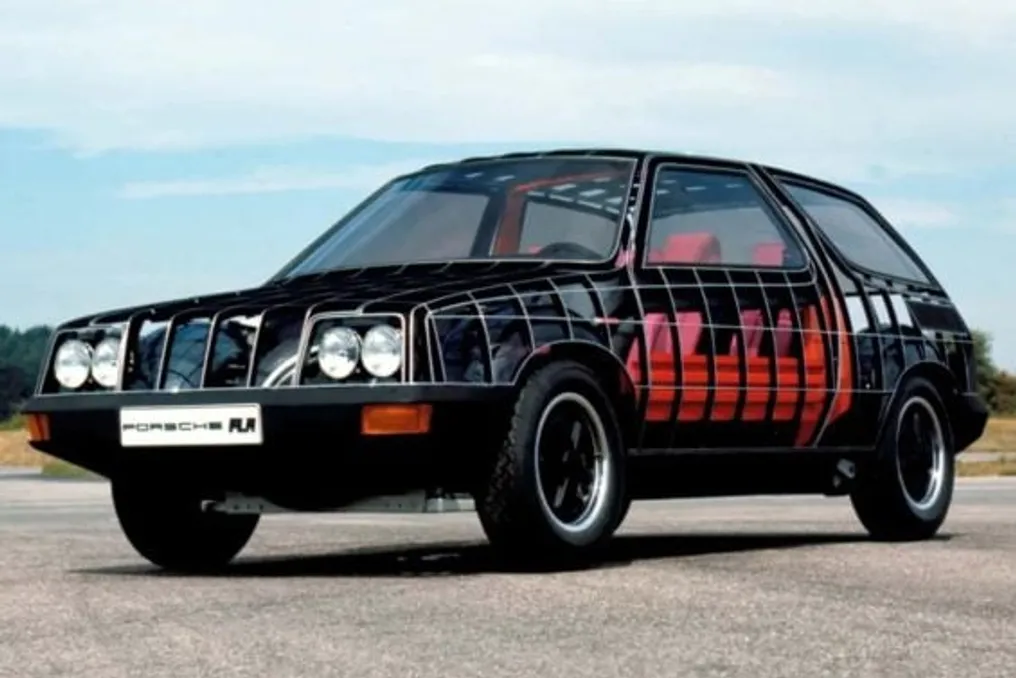
Long before sustainability became a popular topic, Porsche was already showing interest in creating vehicles with greater durability. In 1973, the German manufacturer launched the Forschungsprojekt Langzeitauto (FLA), a conceptual project focused on optimizing the use of raw materials through superior longevity compared to existing models.

This initiative was motivated by the study titled 'The Limits to Growth,' published in 1972 by the Club of Rome, which issued warnings about the depletion of natural resources. The German government commissioned the FLA, which was designed to travel at least 300,000 kilometers over twenty years, doubling the expected lifespan of a car from that era.

Internally named Type 1989, the concept was first presented at the Frankfurt Fair in 1973. Its design differed from the brand's traditional sports cars; it was a compact three-door hatchback, with a silhouette similar to the Lada Samara, a model sold in Brazil in the 1990s.

The vehicle's structure featured an exposed grid design, allowing visibility of the mechanics. Technical solutions included side impact protection doors, a reinforced chassis, and a body constructed from aluminum and stainless steel, materials chosen for their corrosion resistance and ease of recycling. Additionally, the FLA had scratch-resistant glass, a maintenance-free battery, and a segmented electrical harness to simplify repairs.

The four-cylinder boxer engine, with a capacity of 2.5 liters and air cooling, was positioned behind the rear seats. It had only 75 horsepower and was limited to 4,000 revolutions per minute to minimize wear. The transmission was automatic and had three gears.

According to Porsche itself, a production version would cost approximately 30% more than a common car, a price that would be difficult to justify to the consumer, even considering double the expected useful life. Although it never reached the market, the FLA left a significant legacy. The main legacy was the adoption of hot-dip galvanization, a zinc plating process that protects steel against rust, implemented in the body panels of the 911 starting in 1975. Furthermore, the brand began offering a six-year warranty against rust damage.

Popular