Kugitang Caves Passed Preliminary Selection by UNESCO as Potential World Heritage Site
Read more
Podrobno.uz [uz]
podrobno.uz

Kugitang Caves Passed Preliminary Selection by UNESCO as Potential World Heritage Site

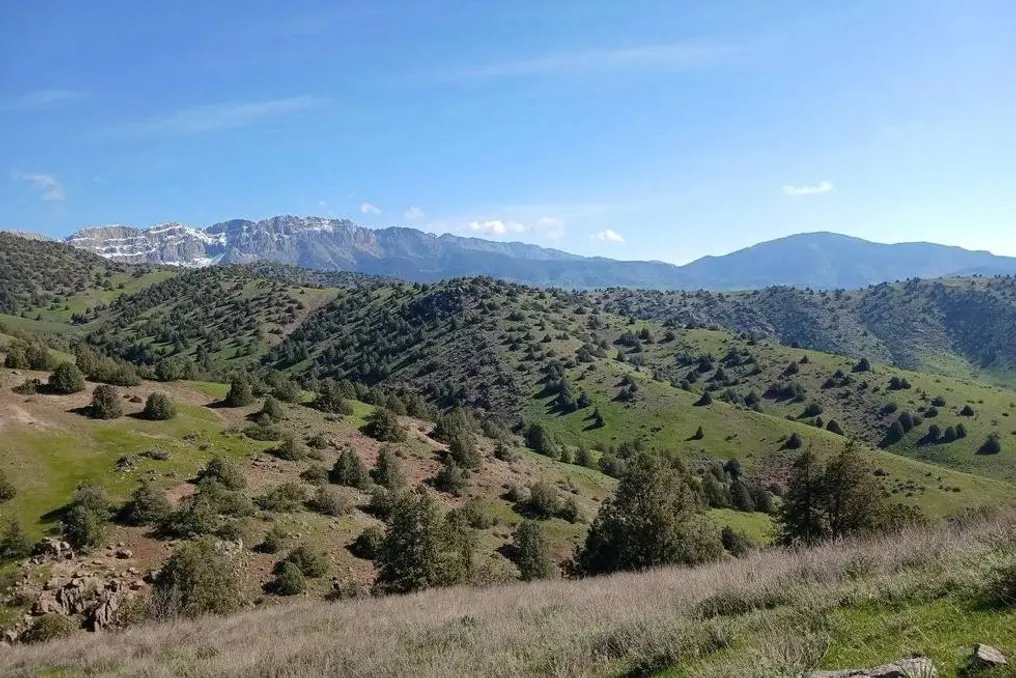
The natural attractions of the Kugitang mountain system have come closer to possible inclusion in the UNESCO World Heritage List. The joint application submitted by Uzbekistan and Turkmenistan successfully passed the preliminary assessment stage.

According to information provided by the National Committee for Ecology and Climate Change, 60 applications from around the world were submitted for the initial evaluation. Of these, 35 were selected, among which was the nomination 'Kugitang Karst Landscapes, Canyons, and Caves.'

This natural site covers the territories of the Surkhanda State Reserve in Uzbekistan and the Koytendag Reserve in Turkmenistan. Specialists from both countries, with the support of the Zukov International Fund, were involved in preparing the necessary documents for this nomination.

Next, the object faces the tasks of coordinating technical aspects with UNESCO experts and providing additional materials. At this point, the final decision on including Kugitang in the world list has not yet been made.

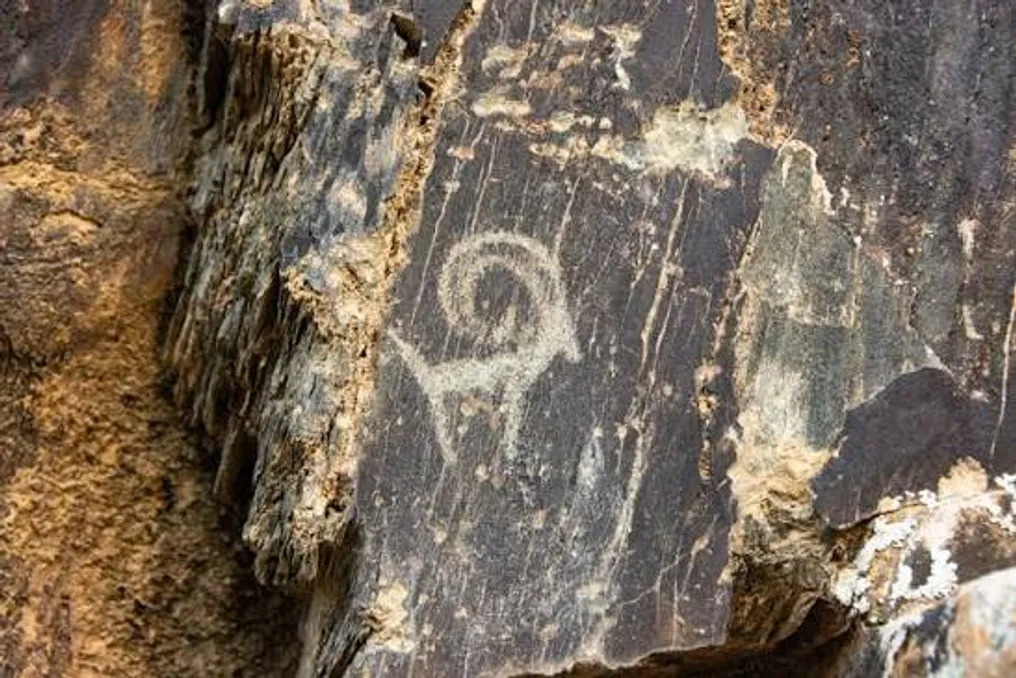
Furthermore, Uzbekistan is working on documentation to submit the Sarmyshsay petroglyphs to the UNESCO World Heritage List, where this monument will be nominated as an object possessing both cultural and natural significance.

Similar stories

Ancient settlements and Mesolithic stone tools discovered in Navoi region
Read more
podrobno.uz

Ancient settlements and Mesolithic stone tools discovered in Navoi region

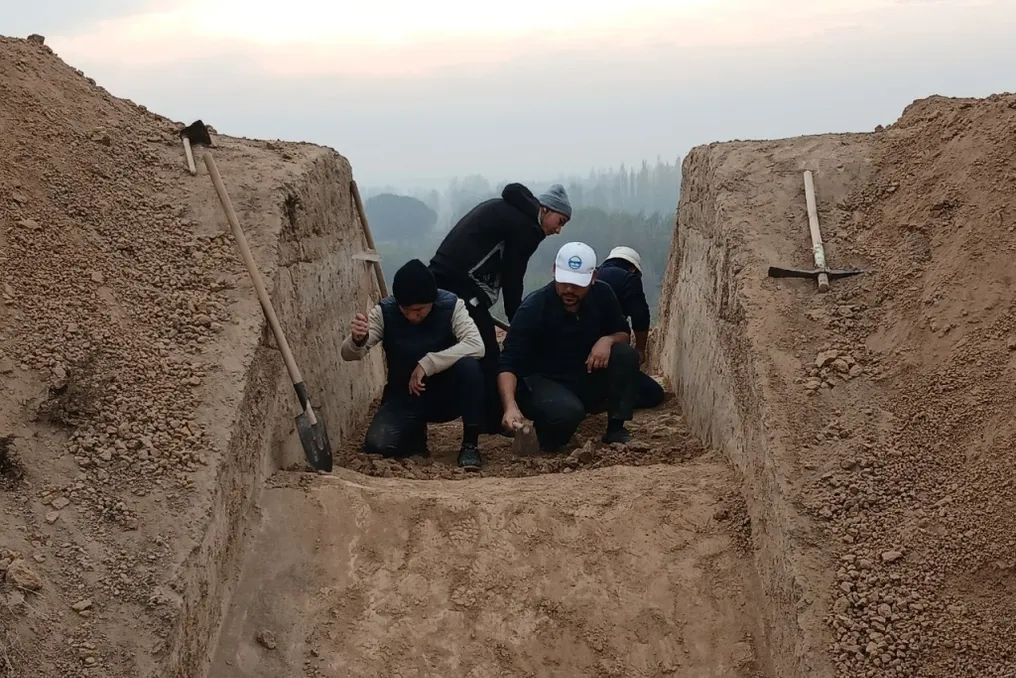
Archaeologists conducted excavations in the Navoi region and discovered ancient settlements, cave dwellings, and stone tools. These findings indicate that human presence in this area may have begun about ten thousand years ago, and similar monuments had not been recorded in this region before.

According to information provided by Samarkand State University, the expedition took place in the Khatyrchin district, near the Nuratinsky mountain range. Employees of the university and specialists from the Yahi Gulomov Samarkand Institute of Archaeology participated in the work.

During the search operations, scientists found ancient settlements and caves, and collected a collection of stone tools near mountain springs. Among the found items were knives, scrapers, blades, and small plates made of sandstone and flint, which were used by ancient inhabitants in daily life.

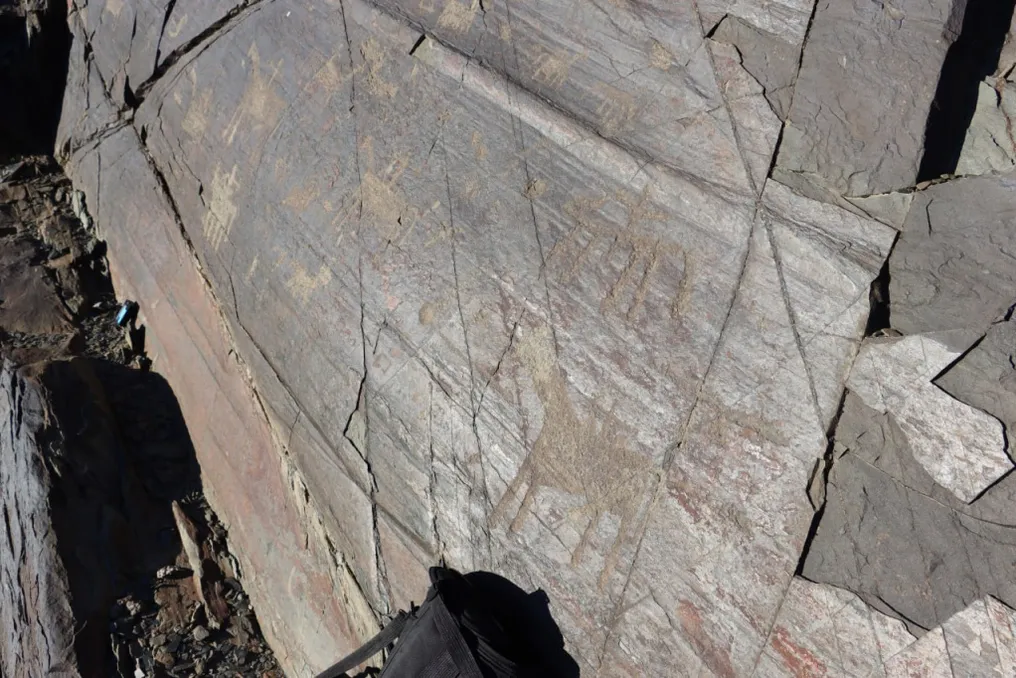
Preliminary examination showed that these artifacts belong to the Mesolithic and Neolithic periods—stages of the Stone Age when the transition from a hunter-gatherer lifestyle to agriculture and animal husbandry occurred. Additionally, near the Chinor village, researchers discovered rock paintings.

The significance of this discovery lies in the fact that Stone Age monuments in the Khatyrchin district have been registered for the first time. Scientists hypothesize that the discovered settlements may be related to ancient stone processing centers located approximately 25–30 kilometers from the discovery site. Further study is planned to more accurately determine the age of these artifacts.

It should be noted that previously, in October, archaeologists found traces of Bronze Age settlements and rock drawings in another part of the Nuratinsky range, in the Koshrabad district of the Samarkand region.

Sarmyshay Petroglyphs in Uzbekistan are preparing for inclusion in the UNESCO World Heritage List
Read more
podrobno.uz

Sarmyshay Petroglyphs in Uzbekistan are preparing for inclusion in the UNESCO World Heritage List

Uzbekistan is preparing the necessary documentation to nominate the Sarmyshay petroglyphs for the UNESCO World Heritage List. This well-known rock art monument of the country is considered an object possessing both cultural and natural value.

The nomination for 'Sarmyshay Petroglyphs' was discussed during an online meeting organized by the Permanent Representation of Uzbekistan to UNESCO. Benjamin Smith, President of the International Committee for Rock Art of ICOMOS, as well as a professor of archaeology from the University of Western Australia, participated in the discussion.

Representatives from several Uzbek structures joined the dialogue: the National Commission of Uzbekistan for UNESCO Affairs, the Fund for the Development of Culture and Arts, the Agency for Cultural Heritage, the National Committee on Ecology and Climate Change, and the Khokimiyat of Navoi Region.

Sarmyshay, located in the Navoi Region, is recognized as one of the largest rock art sites in Uzbekistan. The petroglyphs in this area reflect various historical periods and hold high significance for the study of Central Asian cultural heritage.

One of the central issues was considering the possibility of submitting an application for Sarmyshay as a mixed World Heritage site. This approach would allow for the consideration of not only ancient drawings but also the unique natural characteristics of the area.

According to Benjamin Smith, this monument possesses significant historical and cultural potential, and previous research confirms its importance for the future nomination. However, a further study of the region's natural features is required to formalize the mixed nomination.

Experts also closely examined the UNESCO criteria required for granting World Heritage status. Topics discussed included conducting a comparative analysis with similar sites, defining precise boundaries and protection zones, and developing a long-term management and preservation plan for the petroglyphs.

As a result of the meeting, participants agreed to continue joint work on the dossier, exchange scientific data, and conduct additional consultations with international experts. The preparation of all materials will be carried out in accordance with UNESCO standards and international norms in the field of cultural heritage protection.

Previously, 4.2 billion soums were allocated from the state budget to improve the tourist and protective infrastructure of Sarmyshay. These funds allowed for the construction of two entrances, the erection of information centers, the laying of a 2.5-kilometer pedestrian path to the petroglyphs, and the installation of lighting, shelters, and a video surveillance system. Additionally, 1.2 billion soums from the Agency for Cultural Heritage Fund were directed towards creating a visitor center and a control point.
Scientists from Uzbekistan and China have begun excavations of an ancient settlement in the Namangan region
Read more
podrobno.uz

Scientists from Uzbekistan and China have begun excavations of an ancient settlement in the Namangan region

Archaeological surveys are underway at the ruins of the ancient settlement of Kyrkkhujra in the Papsky district of the Namangan region. The goal of the work is to determine the external appearance of the city in the past and the way of life of its former inhabitants.

Specialists from the Institute of Anthropology of the Academy of Sciences of Uzbekistan, as well as employees of the Institute of Archaeology of the Chinese Academy of Social Sciences, are participating in this scientific expedition. Additionally, lecturers and students from Namangan State University are involved in the work.

Leadership and Composition of the Expedition

The research is supervised by Doctor of Historical Sciences, Professor Abdulhamid Anarbayev. He is assisted by his Chinese colleagues Liu Tao, Ai Aisa, and Wang Xin.

The excavations were organized in four different areas. Archaeologists focused on the citadel, which represents the core of the settlement, as well as its northern and western sectors.

During the work, specialists are finding many artifacts, including old pottery, everyday objects, and building remains. These discoveries will serve as a basis for determining the stages of settlement development, the features of its urban planning, and the daily life of the local population.

According to the researchers, the results of this expedition will provide fresh data on Kyrkkhujra, its architectural features, and the lifestyle of people in ancient times. Moreover, new findings contribute to a deeper understanding of the history of the current Namangan region.

It is worth noting that previously, archaeologists found petroglyphs in the Koshrabad district of the Samarkand region, which likely date back to the Mesolithic and Neolithic periods, as well as traces of Bronze Age settlements in the Nuratinsky range mountains.

Popular