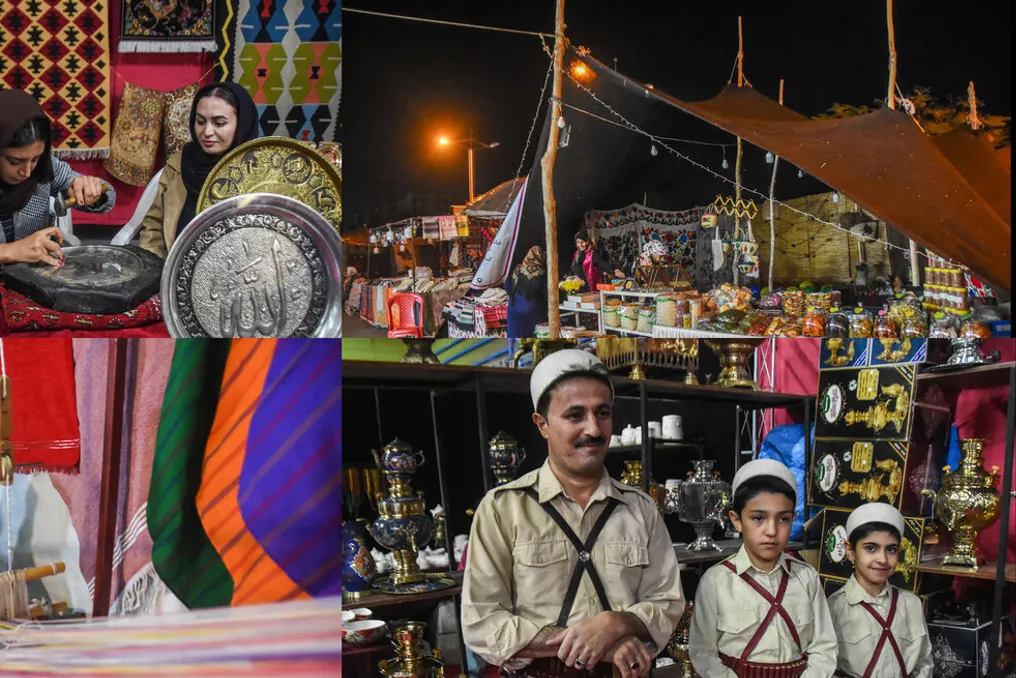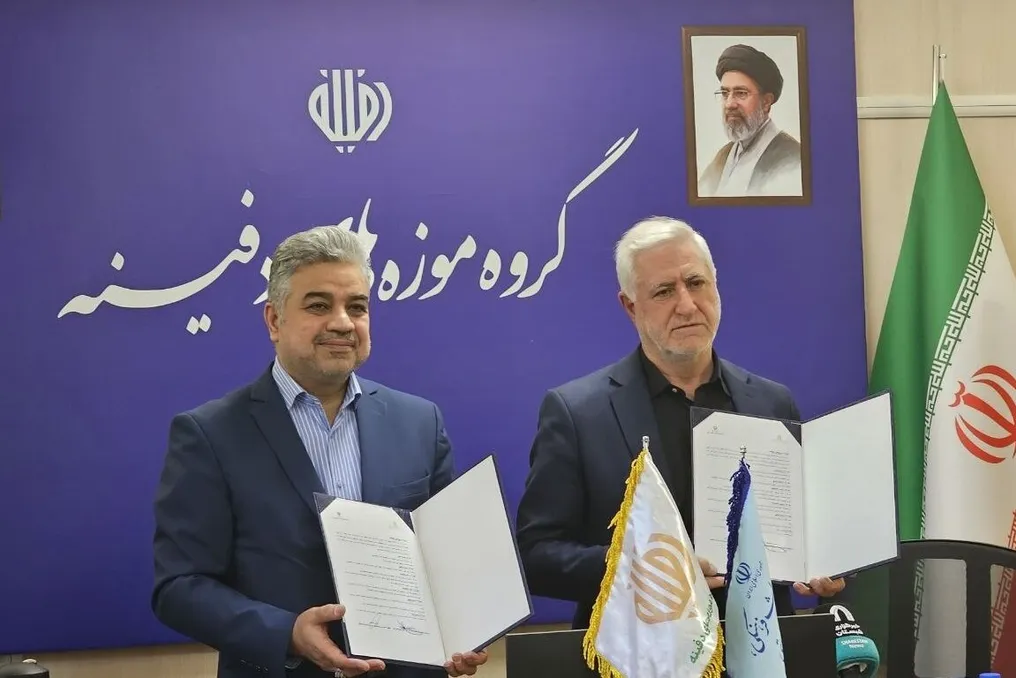
The Dafineh Museum Group, part of the Mostazafan Foundation, jointly with the Ministry of Cultural Heritage, Tourism, and Crafts, signed a Memorandum of Understanding (MoU). The goal of this agreement is to create a specialized center for developing and producing handmade items inspired by the country's museum collections. The project aims to support artisans and promote traditional Iranian arts in both domestic and international markets.
The signing took place on Wednesday. It was conducted by Hamidreza Soleimani, the museum group's CEO, and Barzin Zargami, Deputy Minister of Crafts. The main objective of the cooperation is to expand interaction in the field of crafts, support artisans, and develop products based on museum artifacts.
The center, which will be called the National Center of Iranian Art Alchemy (Kimia), is intended to link Iran's museum heritage with modern handicraft production while opening new economic opportunities for artisans. Soleimani noted that the center's purpose is to transform museum collections and their cultural narratives into economically viable products for artisans.
He also mentioned the recent launch of the Kimia network platform in Mashhad, which will provide online tools for artisans interested in participating in this initiative. According to Soleimani, the center intends to form a professional network of artisans across the country through regional programs.
Explaining the production strategy of the Kimia brand, Soleimani specified that products will be developed based on the stories and significance of specific items housed in museums. This approach is designed to create added value around original artifacts, making their cultural and artistic narratives accessible to a wider audience.
"Kimia produces both functional and decorative handicrafts, including modern adaptations and small reproductions inspired by outstanding objects and works of art from the Dafineh Museum Group's collections. Each item comes with a story highlighting its historical, cultural, or artistic significance, with the broader goal of presenting Iranian crafts to international markets," he stated.
For his part, Zargami emphasized that this agreement is part of efforts to increase public access to traditional crafts and enhance opportunities for artisans to sell their work. He stressed that craft support must cover not only production but also sales, marketing, and trade, as these stages are critical for connecting producers and consumers.
Zargami added that, unlike many other forms of art, crafts are deeply rooted in rural communities and small towns, rather than large urban centers. He noted that strengthening the sector's economic base can contribute to the revival of parts of the local economy. The Minister also highlighted that the ministry sought partnerships with other institutions capable of contributing to the revival and development of traditional crafts, and the willingness of the Mostazafan Foundation to create the Kimia brand provided such an opportunity for collaboration.
Ahmad Mohit Tabatabaei, a senior expert on cultural heritage and museums, and the former President of ICOM-Iran, were also present at the signing ceremony.