Hyundai bets that high SUV prices are encouraging consumers to return to sedans
Read more
AutoPapo
autopapo.com.br

Hyundai bets that high SUV prices are encouraging consumers to return to sedans

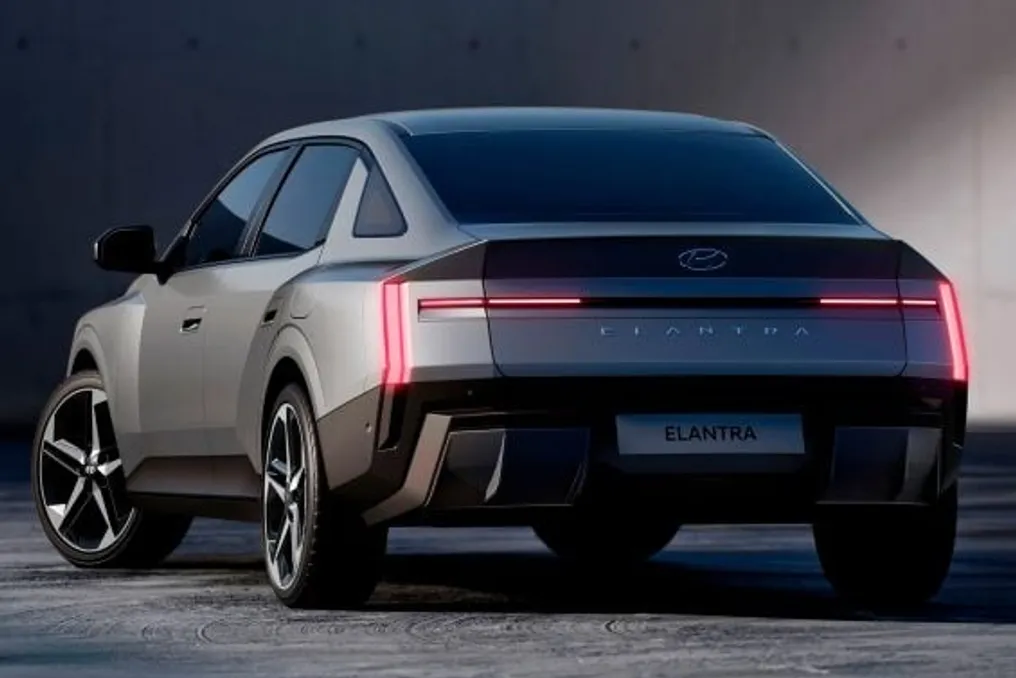
While much of the automotive industry focuses its efforts on SUVs, Hyundai chose to take a different path in the United States. The South Korean manufacturer has invested significantly in the new generation of the Elantra model, a sedan that was displayed at the Los Angeles Auto Show.

According to the company itself, this decision is not due to nostalgia but rather to the financial situation of consumers. In a conversation with the American portal The Drive, Olabisi Boyle, Hyundai's Vice President of Product Planning for North America, revealed that the increase in vehicle costs has caused SUV owners to start migrating back to sedans over the past year. This movement was confirmed by the brand's internal research.

In the US, between January and October, the Elantra registered sales of 140,614 units, representing an 11% growth, ranking only behind the same brand's Tucson SUV.

In contrast, in Brazil, data provided by the National Federation of Motor Vehicle Distributors (Fenabrave) indicates the opposite trend. In the first half of November, sedans accounted for 4.9% of light vehicle registrations, a drop from the 9.6% recorded a year earlier, while SUVs reached a record high of 45.1%.

Additionally, in June, fully electric vehicles surpassed the total sales of all sedans in the country for the first time. To make the car more attractive and accessible, Hyundai enhanced the design of the new Elantra, giving it straight lines inspired by the retro-futuristic N Vision 74 prototype.

The gasoline-powered version, equipped with a 2.0 naturally aspirated engine that generates 149 hp and 18.2 kgfm, will be launched before the hybrid version, which has 157 hp. Hyundai justified maintaining the combustion engine as a strategy to keep the entry price competitive.

Even mid-size sedans, such as the Toyota Corolla and BYD King, with which the Elantra competed in the Brazilian market, felt the impact: their market share dropped from 3.36% to 1.93% of cars sold between January and September, compared to the previous year. This trajectory contrasts with that of the Ioniq 6, a more expensive electric sedan discontinued by Hyundai in the US this year, except for the N sport edition.
Similar stories

Electric vehicle sales rose by 72.91% during the festive season; over 500 thousand units sold
Read more
www.aajtak.in

Electric vehicle sales rose by 72.91% during the festive season; over 500 thousand units sold

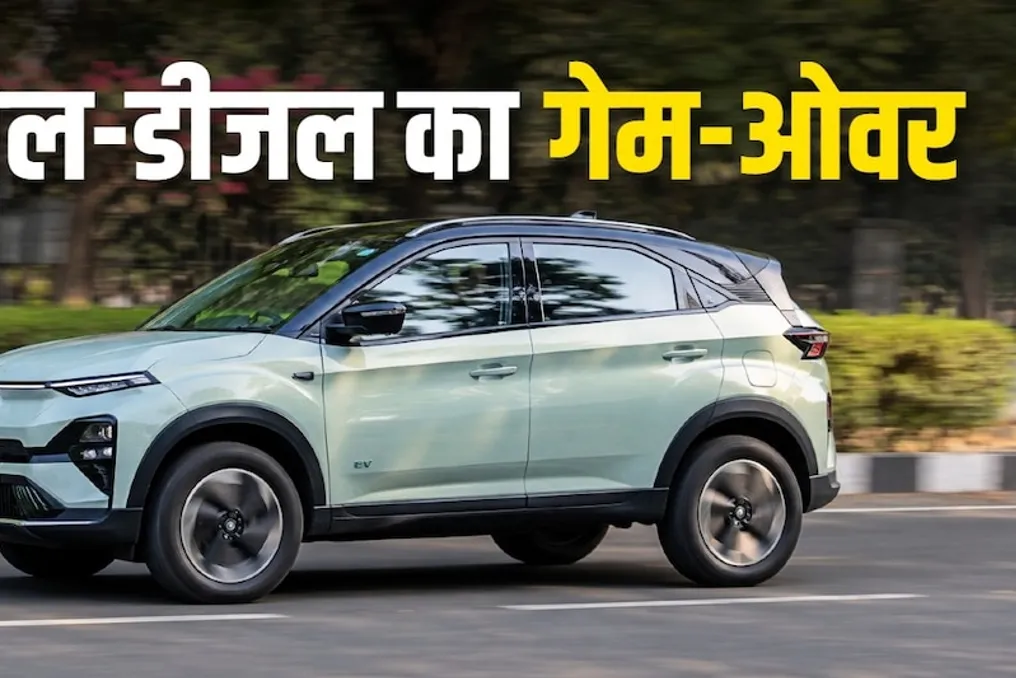
A significant shift is observed in the Indian automotive market: consumers are increasingly moving away from gasoline and diesel vehicles, showing growing interest in electric cars. This trend became evident during the 2026 festive season.

Between Navratri and Diwali, there was an impressive 72.91% increase in the sales of electric passenger vehicles. These figures indicate that electric vehicles are no longer just a futuristic concept but are actively integrating into daily life.

According to data from the Federation of Automobile Dealers Associations (FADA), the total number of vehicles sold during this festive period, which lasted about 42 days, reached a record 55,25,490 units. The demand for electric vehicles caused a sensation, as more than half a million electric vehicles were sold for the first time in a single festive season.

The rise in popularity of electric vehicles is driven by several key factors. The main one is the low operating cost, as the expenses for using an electric vehicle can be lower than those for gasoline or diesel cars. Furthermore, more EV models with increased range have appeared on the market. This provides buyers with a wide selection of options matching various price categories and needs. The segment has also strengthened due to improved battery technologies, the development of charging infrastructure, and the release of new models.

The entire EV market demonstrated brilliant results during the festive season. According to FADA, sales across all EV categories grew by 52.62% over 42 days, exceeding the 500,000 unit mark for the first time. Specifically, sales of electric two-wheelers, such as scooters and motorcycles, increased by 61.10%, while commercial electric vehicle sales doubled. Approximately one in every ten vehicles sold during the festive season was electric.

A breakdown of sales during the festive season (42 days) shows that 330,846 units of purely electric two-wheelers were sold, which is 61.10% more than the 205,373 units sold in the same period last year. Regarding electric cars and SUVs, 52,104 passenger vehicles were sold between Navratri and Diwali, representing a 72.91% increase over the 30,133 recorded in the previous festive season.

Commercial electric vehicles showed the strongest growth, reaching approximately 154.56%. 6,387 such units were sold in the last 42 days, significantly more than the 2,509 sold last year. Electric three-wheelers are also gaining momentum: 1,20,330 electric rickshaws and autos were sold, which is 25.45% higher than the 95,920 sold last year.

Overall, the statistics clearly demonstrate the growing consumer interest in electric vehicles. It is expected that the growth of this segment will continue and accelerate in the future due to improved range, lower prices, and an expanded network of charging stations.

Maruti Suzuki raised prices on some car models starting November 22, 2026
Read more
www.aajtak.in

Maruti Suzuki raised prices on some car models starting November 22, 2026

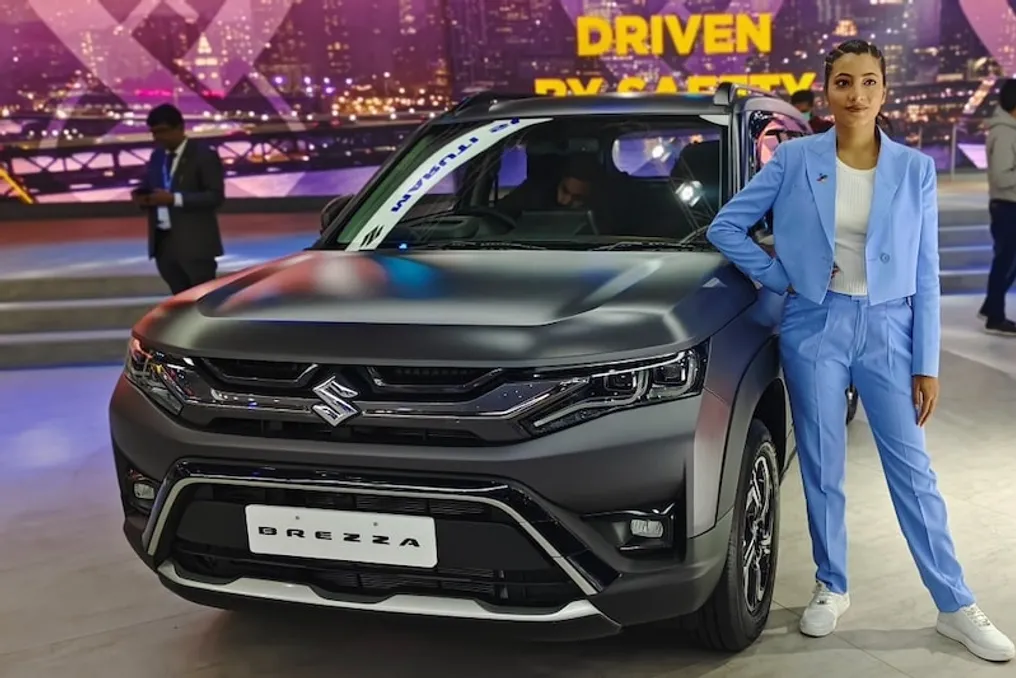
Maruti Suzuki, the country's largest car manufacturer, has once again informed customers about price increases for several selected models. This increase took effect on Sunday, November 22, 2026. If buyers were planning to purchase a new Maruti vehicle, they will now have to pay slightly more than before.

The company explained the decision to raise prices by citing a continuous rise in production costs. Nevertheless, Maruti has tried to minimize the impact of this increase on end consumers.

Information provided to the stock market indicated that the decision to increase prices on certain models was made due to rising input costs. These new rates are effective from November 22, 2026. According to the company, the average price increase was approximately 0.31 percent, which is the volume-weighted average increase across various models.

Maruti stated that continuous steps are being taken to reduce costs, but under current conditions, it became necessary to pass some of the increased expenses on to customers. The company emphasized that it is trying to keep this increase at the lowest possible level. Detailed information on the new prices for all models has not yet been disclosed.

This price hike occurred during a period when Maruti Suzuki had already adjusted its prices three times in the first half of the 2027 fiscal year. Summing up all these increases, the total increase in vehicle cost exceeded 1 percent. Following the recent November increase, buyers will have to pay even more for the company's selected vehicles.

It is worth noting that despite strong sales growth for Maruti Suzuki, the company's profit remains under pressure. In the second quarter of the 2027 fiscal year, the company's consolidated net profit decreased by 26.36 percent year-on-year, amounting to 2.4661 billion rupees. However, during the same period, the company achieved record quarterly sales and demonstrated significant revenue growth.

The profit decline is linked to the rise in raw material prices, which was influenced by the conflict ongoing in the Middle East, affecting the company's costs. Consequently, the company's EBITDA operating margin fell to 9.4 percent in the second quarter compared to 12.7 percent in the same period last year.

Although Maruti benefited from higher sales and improved prices in the second quarter, rising expenses significantly reduced this benefit. The company also cut marketing expenses as part of cost control. Nevertheless, cost pressure has not eased. Following the second-quarter results, the company hinted at the possibility of price changes in the second half of the fiscal year, and it has now taken this step by making some models more expensive.

General Motors plans to bring Cadillac Escalade V8 to Brazil, but engine adaptation costs impose restrictions
Read more
autopapo.com.br

General Motors plans to bring Cadillac Escalade V8 to Brazil, but engine adaptation costs impose restrictions

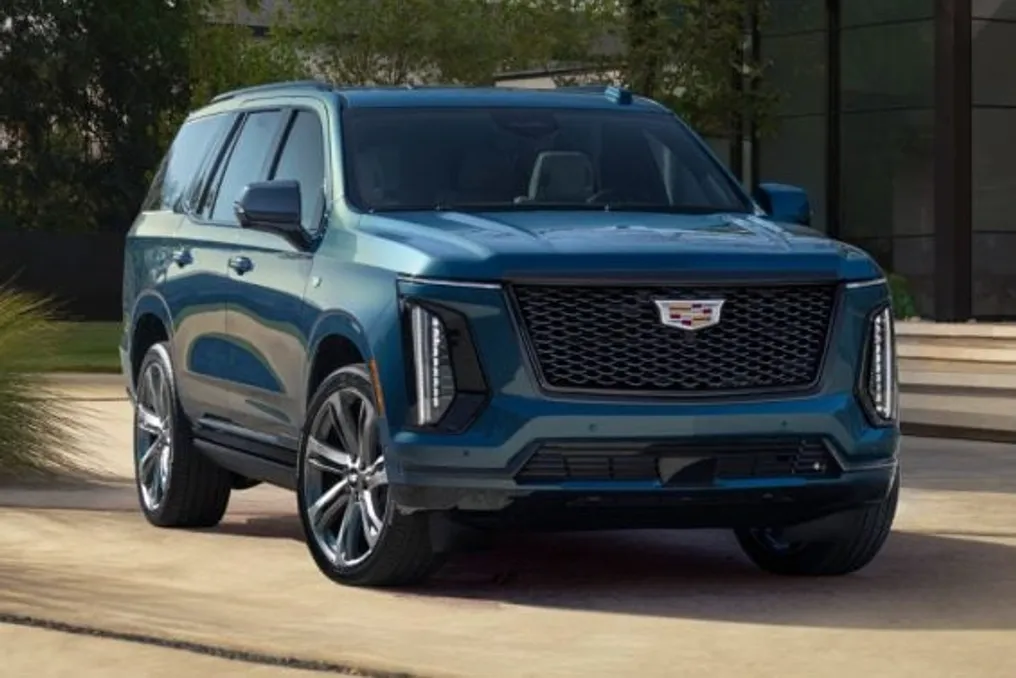
General Motors has expressed interest in officially marketing the Cadillac Escalade equipped with a V8 engine in the Brazilian market; however, the realization of this project is conditional on financial viability.

This intention was confirmed on Wednesday, the 11th, by Fábio Rua, GM's Vice President in South America, during a meeting with Brazilian journalists held in Detroit, United States. He clarified that the final decision regarding the launch will be made by the company's headquarters located in the United States.

The biggest obstacle lies in the cost required to adapt the 6.2-liter naturally aspirated V8 engine of the Escalade, which generates 426 hp and 63.6 kgfm, to the gasoline standards used in Brazil, where anhydrous ethanol has been 32% since August. Although GM has a V8 engine already adjusted for the national fuel, the 5.3-liter one found in the Chevrolet Silverado pickup (with 360 hp and 52.9 kgfm), the Escalade's engine is larger and requires new certifications, an investment considered difficult to justify given the projected low sales volume.

For comparison, the Chevrolet Silverado, priced at R$ 483,990, registered the sale of 476 units between January and October.

Additionally, there is the issue of homologation. While the Escalade complies with American safety standards, Brazilian legislation is based on European references. GM is currently negotiating with regulatory bodies to obtain recognition of American guidelines.

The financial aspect is also relevant. In the United States, the Escalade has an initial price of US$ 107 thousand, which is equivalent to approximately R$ 595 thousand before taxes and freight. Models imported by independent resellers, popular among musicians and football athletes, are advertised for values exceeding R$ 1.5 million.

In this scenario, Cadillac has already introduced two electric SUVs to Brazil: the Lyriq, priced at R$ 820 thousand, and the Vistiq, priced at R$ 990 thousand. The smaller Optiq model is expected to be launched in the first half of 2027.

Popular