Although Bangalore is the most well-known tech hub in Karnataka state, the government intends to encourage companies to look at other areas along the coast. Mangaluru, possessing developed educational institutions, a skilled workforce, and a high quality of life, is being positioned as another center for economic development.
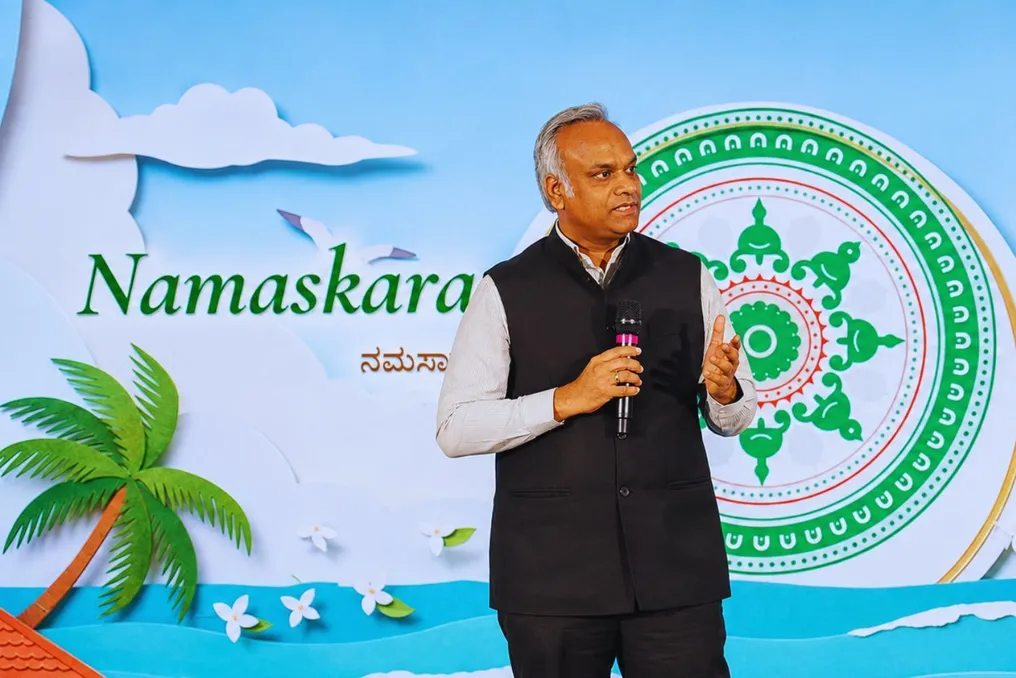
During the inauguration of Deloitte's 27th office in India in Mangaluru, IT and Biotechnology Minister Priyank Kharge urged industry leaders to invest in the region and promote job creation closer to where talent resides.
Kharge noted that the Dakshina Kannada district accounts for the second-largest contribution to the state's GDP after Bangalore, providing 5.3% of the total. He emphasized that the economic strength and talent pool of this region make it an important part of the state's next phase of growth.
He stated: 'Our goal through the Beyond Bengaluru program is to shift opportunities to where the talent already is, instead of waiting for talent to move to Bangalore.'
The Minister also thanked Romal Shetty and the Deloitte team for supporting the government's regional development program, acknowledging the company's decision to open an office in Mangaluru.
The government's Beyond Bengaluru strategy aims to create multiple economic centers by leveraging the strengths of different regions. Kharge mentioned the recent meeting of the Karnataka Cabinet, which was held in Mangaluru for the first time. At this meeting, growth opportunities in the region were identified, for which about 600 billion rupees have been allocated.
He also referred to the Local Economic Acceleration Program (LEAP), which focuses on identifying regional advantages, attracting investment, and creating employment. Mangaluru, he said, has a flexible talent pool and some of the country's leading educational institutions. Furthermore, the quality of life can help companies attract and retain employees.
As an example, Kharge cited a Danish team from the software firm EG, who surfed on Sasihithluru beach in the morning before starting work. The Minister believes such advantages can distinguish the city as a business destination.
Developing additional employment centers across Karnataka can also reduce the burden on Bangalore, which continues to attract migrants from all over the country.
Attracting companies is only one part of the plan. Priyank Kharge stressed that industry and educational institutions must work together to ensure that graduates possess the skills required by employers. He called on companies like Deloitte to help shape curricula and prepare students for new employment opportunities.
He posed the question: 'Why shouldn't a student studying in Mangaluru be prepared to work for a company like Deloitte?', describing it as an opportunity for collaboration between industry and government.
The Minister also suggested considering the establishment of a Center of Excellence in Mangaluru, potentially focused on medical sciences, given the existing healthcare ecosystem in the region.
Priyank Kharge encouraged entrepreneurs from the region to apply for the state's ELEVATE program, which provides grants up to 1 crore rupees to eligible startups. He also introduced the Karnataka regulatory sandbox initiative, allowing startups working on public sector issues, including urban mobility, to test their solutions with the government. Successful pilot projects can then be scaled across the state and potentially extended to other states.
Currently, the program covers 16 startups, and the government aims to increase participation to 100. The government's main message to businesses is that the next phase of Karnataka's growth does not necessarily have to be concentrated in Bangalore. By attracting investment, developing skills, and providing opportunities for startups in cities like Mangaluru, the state hopes to create more regional economic hubs.