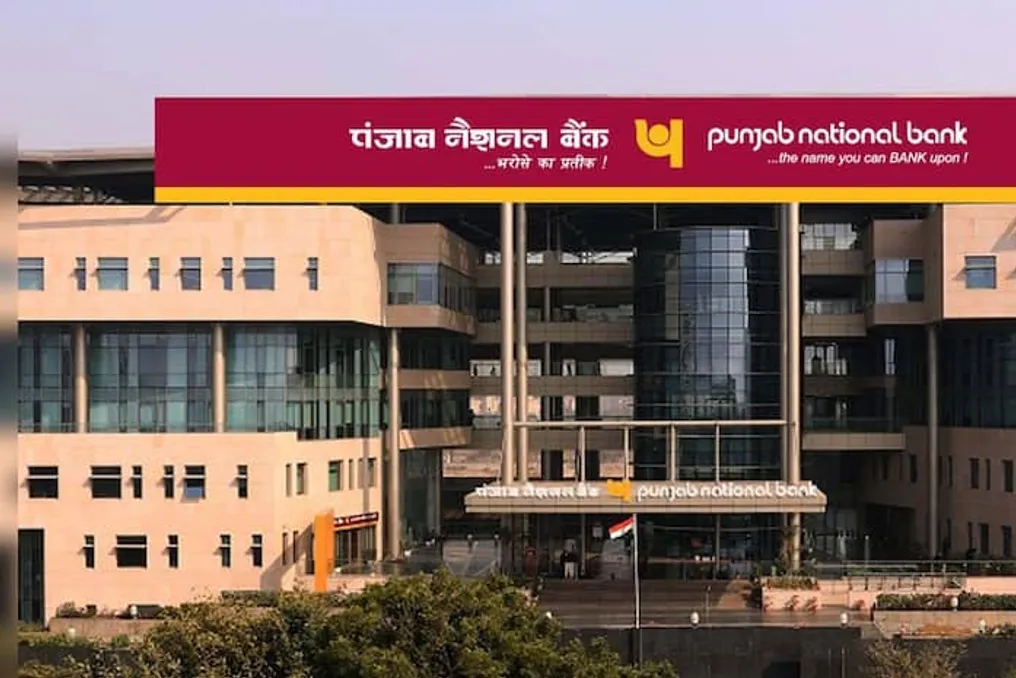
PNB and Deutsche Bank sign agreement to explore acquisition financing opportunities in India
Read more
Business Standard
business-standard.com

PNB and Deutsche Bank sign agreement to explore acquisition financing opportunities in India

Following similar arrangements by the State Bank of India (SBI) and Bank of Baroda, Punjab National Bank (PNB) has joined forces with a foreign lender to tap into the market for acquisition financing in India. The state-owned bank, based in Delhi, announced on Wednesday the signing of a Memorandum of Understanding (MoU) with Deutsche Bank AG. This agreement aims to establish a foundation for cooperation in providing acquisition financing to clients in the country.

Under the proposed scheme, both banks will explore possibilities for joint work on acquisition financing through various methods. These methods include underwriting, arranging, participating, syndicating, directing, and assisting, depending on client needs. The bank stated in its release that the partnership is aimed at leveraging the strengths of both organizations to provide clients with financing solutions for share acquisition deals.

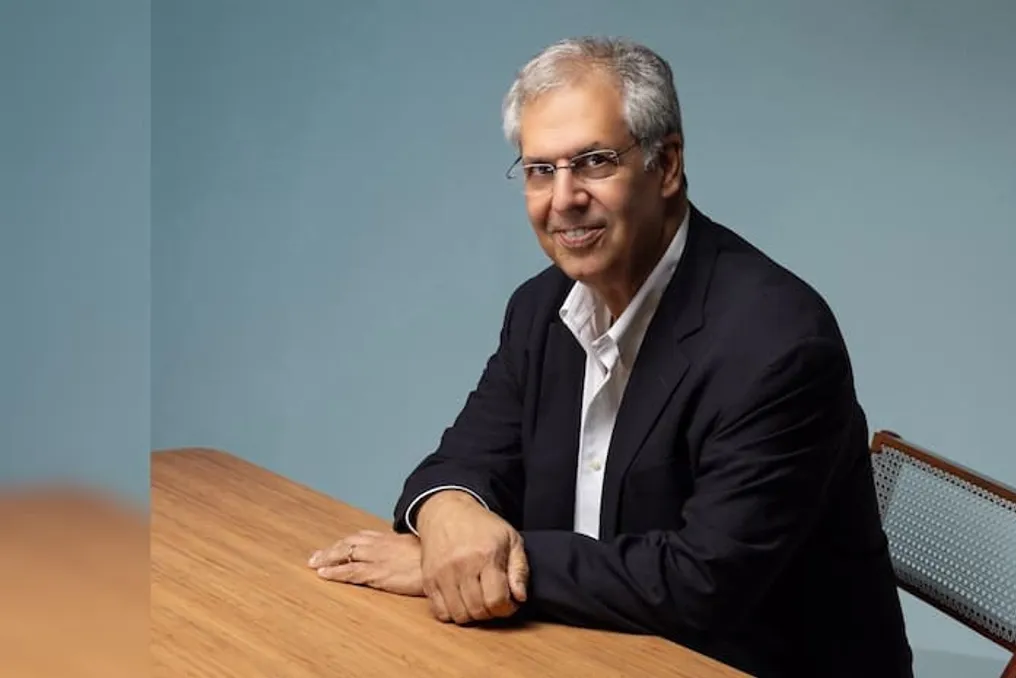
Ashok Chandra, Managing Director (MD) and Chief Executive Officer (CEO) of PNB, noted that 'this collaboration with Deutsche Bank marks an important step towards exploring new opportunities in acquisition financing. By utilizing our respective strengths and capabilities, we aim to facilitate tailored financing solutions for clients while strengthening our presence in the corporate banking ecosystem.'

Kaushik Shaparia, CEO of Deutsche Bank Group, India and East Asia, emphasized the strategic importance of India for Deutsche Bank. He stated: 'As a global Hausbank, we see significant opportunities to support Indian companies as they grow in scale, realize strategic ambitions, and deepen ties with global markets.'

Previously, SBI and Bank of Baroda collaborated with Japanese banks to utilize opportunities in acquisition financing. SBI entered into a strategic partnership with Japan's MUFG Bank to jointly structure and finance mergers and acquisitions (M&A), aviation, and real estate deals. SBI possesses a credit potential of approximately 94,000 crore rupees under the Reserve Bank of India's (RBI) new acquisition financing norms.

Separately, Bank of Baroda partnered with Mizuho Bank to jointly promote opportunities in acquisition financing, M&A advisory, structured lending, and cross-border financing. The acquisition financing norms that allowed domestic banks to enter this market came into effect on July 1st. RBI guidelines permit banks to finance up to 75 percent of the acquisition cost, provided the acquirer secures the remaining 25 percent. Both public and private non-financial companies, as well as their subsidiaries and special purpose vehicles (SPVs), are eligible for financing, subject to eligibility criteria. The guidelines limit the bank's exposure to acquisition financing to 20 percent of its corresponding capital base within the overall capital market exposure limit.
Similar stories

SDTT approves grants worth over 150 crore rupees for five initiatives
Read more
business-standard.com

SDTT approves grants worth over 150 crore rupees for five initiatives

The Tata Trusts Council (SDTT) has approved grants totaling over 150 crore rupees to support five different projects. These decisions were made at a meeting chaired by the Chairman of Tata Trusts, Noel Tata. Venu Srinivasan and Vijay Singh also participated in the meeting.

Specifically, an allocation of 50 crore rupees was approved for a hospital in Pune, managed by Jahangir H. S. Jahangir, who previously collaborated with other Tata Trusts foundations. According to informed sources, no other matters concerning the headline topics within the Tata group were discussed at the meeting.

Questions arose regarding the provision of a grant to an organization associated with Jahangir, a trustee of Sir Ratan Tata Trusts. However, a source assured that there is no conflict of interest in this case. The Jahangir Hospital in Pune, promoted by the Cowasji Jehangir Trust, utilizes Jahangir H. S. Jahangir as its chief executive officer.

The hospital management presented a detailed presentation at the SDTT meeting held at the Tata Trusts office in Mumbai on Thursday. They outlined an expansion plan worth 300 crore rupees. This multi-specialty hospital with 350 beds will expand by constructing another building, and SDTT is supporting them in this project. It was noted that a quarter of the hospital's beds are designated for subsidized treatment.

SDTT members believe that a medical institution capable of attracting its own funds should receive financial support, especially during a period when many healthcare providers turn to private investors. Among other proposals reviewed and approved are projects for establishing a sports academy, poverty alleviation, and girls' support, many of which are located in underdeveloped regions. The remaining applications request grants of approximately 25–30 crore rupees each, bringing the total number of approved grants to 150–200 crore rupees.

Regarding other discussions, given that the meeting took place less than a week before the important board meeting of Tata Sons on November 26, a source reported that all trustees asked others to leave the room and held a discussion among themselves for about 10 minutes. Other participants included Noel's son, Neville, and Tata group veteran Bhaskar Bhatt; Srinivasan and Singh attended virtually.

In current disagreements among the top management of the Tata group, Srinivasan and Singh have taken a position against Noel, while the other trustees support him. Securing Jahangir's backing will be crucial for Noel Tata in his fight for Tata Sons—the holding company of India's largest conglomerate, in which Tata Trusts holds 65 percent of the shares. Tata Sons was unable to hold its annual general meeting (AGM) because the Maharashtra charity commissioner froze SRTT. At the last Tata Sons board meeting on September 17, all board members, including Srinivasan, voted against Noel on key issues, including the appointment of N Chandrasekaran as chairman and compliance with the RBI mandate for Tata Sons listing. A board meeting of Tata Education and Development Trust is also scheduled for Friday afternoon, which will include Noel Tata, Mehli Mistry, and J.N. Mistry.

HSBC revises its Sharia fund, excluding companies linked to arms manufacturing
Read more
www.middleeasteye.net

HSBC revises its Sharia fund, excluding companies linked to arms manufacturing

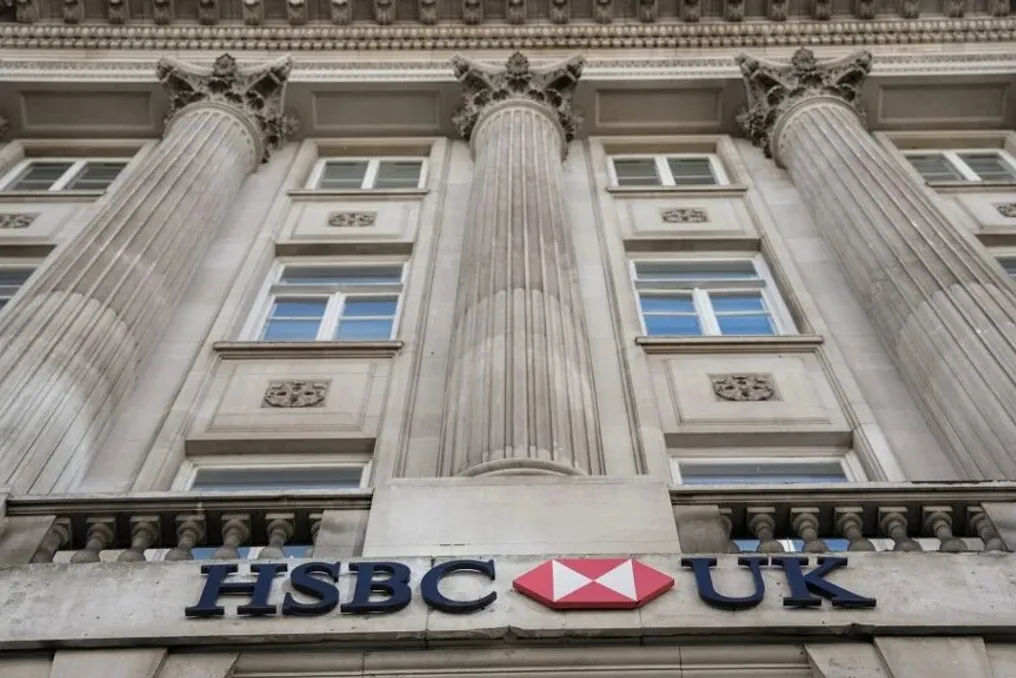
The largest Sharia-compliant fund in the UK will begin selling shares in companies that derive more than five percent of their revenue from arms sales. This decision follows a report by Middle East Eye last month about the fund purchasing over $100 million worth of shares in firms associated with the Israeli military in the first half of this year.

As a result of this change, the HSBC Islamic Global Equity Index is expected to divest from major corporations, including RTX, Rolls-Royce, Honeywell International, BAE Systems, and Palantir.

The fund began tracking the S&P Global 1200 Shariah Select Index in March, which is a benchmark index of companies vetted for compliance with Islamic finance principles. Since the fund's management is passive, it fully mirrors the investments of this index.

In early November, the index updated its methodology, and these changes are scheduled to be implemented on November 23. The index will now exclude defense and arms companies, military contractors, and related sectors.

Under the new criteria, the index will cease to include companies whose activities involve military contracting, nuclear weapons, depleted uranium, incendiary weapons, biological weapons, and small arms, among other types of weaponry. Most screening guidelines allow a business to be considered 'Sharia-compliant' if less than five percent of its revenue comes from prohibited sources. Previously, the index did not exclude companies related to most types of weaponry.

The HSBC fund is overseen by a council of Islamic scholars.

Many large companies will be excluded

MEE previously reported that the fund acquired $35.7 million worth of RTX shares, which is the second-largest arms company globally, in the first half of 2026. Raytheon, a subsidiary of RTX, was described by the Campaign Against the Arms Trade (CAAT) as a 'significant supplier of missiles and other goods and services to the Israeli military' and as 'involved in the war in Gaza.' Due to RTX being an arms manufacturer, its exclusion from the index is now anticipated.

MEE also informed that the HSBC fund bought $18.9 million worth of shares in Honeywell International, an American conglomerate that develops sensors and navigation devices used in weaponry. Honeywell manufactured an inertial measurement unit designed to assist in precise targeting, which was found in a missile that struck a school in Gaza in June 2024, resulting in the deaths of at least 40 Palestinians, including 14 children and nine women. Since nearly 20 percent of Honeywell's revenue comes from military weapons, the company is expected to be excluded from the index.

Furthermore, MEE reported that the HSBC fund acquired $17.6 million worth of Rolls-Royce shares, which manufactures engines for 'Merkava' tanks widely used by Israel in Gaza, as well as for Israeli vessels through its German subsidiary MTU. As more than 12 percent of Rolls-Royce's revenue comes from military weapons, the company will also be excluded from the index.

The fund also holds 386,784 shares of BAE Systems, the largest British arms company, which produces components for F-35 fighters. These aircraft were used by the Israeli military in Gaza, and BAE Systems is also slated for exclusion from the index.

Hyphen reported last month that the HSBC fund purchased $38.3 million worth of Palantir shares, an American data surveillance firm with ties to human rights violations in occupied Palestine by Israel. Although Palantir does not manufacture weapons, in January 2024, it announced a partnership with the Israeli Ministry of Defense to deploy its technology to support 'war-related operations' that use drone missiles to strike civilians in Gaza, including journalists and humanitarian aid workers. At the end of October, it was learned that HSBC would review the fund's investment in Palantir. The bank stated that it 'takes seriously all our clients' concerns and will carefully consider this issue in partnership with independent expert consultants to assess whether the approach meets investor expectations.' Given that military contracts will be excluded from the index, Palantir is highly likely to be removed.

Popular