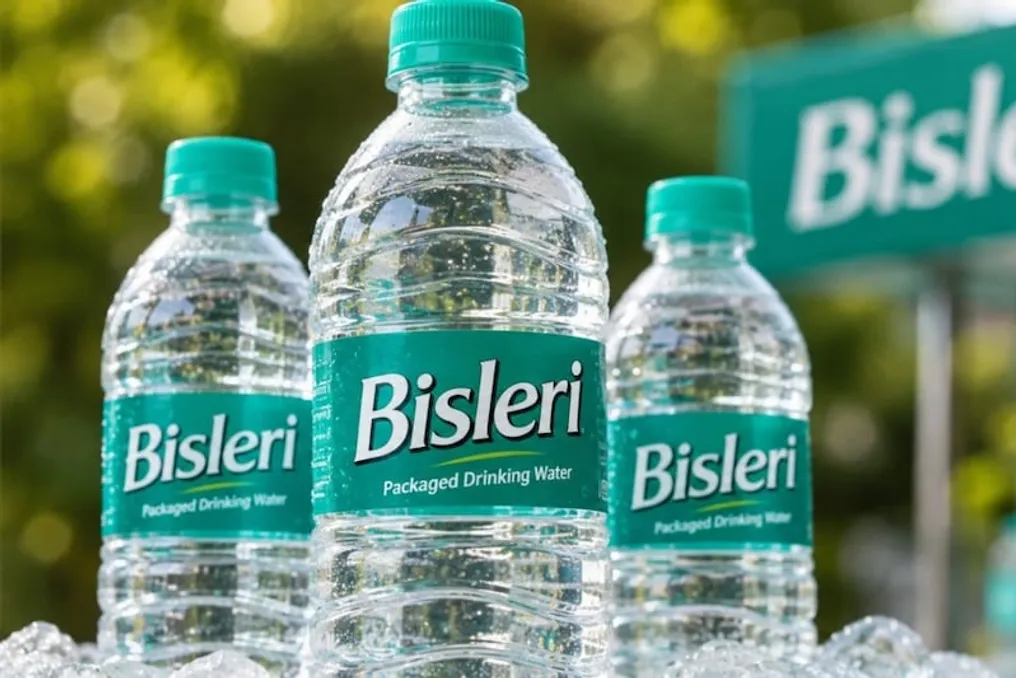
FSSAI clarifies Bisleri water quality; CEO states action will continue against misleading advertisements
Read more
Aaj Tak
www.aajtak.in

FSSAI clarifies Bisleri water quality; CEO states action will continue against misleading advertisements

Rajit Punhani, CEO of the Food Safety and Standards Authority of India (FSSAI), provided information regarding water quality monitoring and steps related to celebrity participation in paan masala advertisements. He stated that FSSAI is taking action against misleading claims and advertisements, and the ethical issue primarily relates to these false claims and advertisements.

Punhani also mentioned that the matter of misleading advertisements is largely subjective and arguments are presented in court. Regarding action on paan masala advertisements, he noted that Maharashtra has handled this matter at its own level, while FSSAI is mainly focusing on cases involving celebrities in ultra-processed food advertisements. He mentioned the positive impact of this action, which has resulted in several celebrities withdrawing their advertisements.

Meanwhile, Bisleri International has issued an official statement regarding the quality of its products. The company welcomed the clarification provided by FSSAI on November 23, 2026. According to the company, FSSAI had sought clarification regarding a sample of batch GO 270 manufactured at the Goa plant on September 27, 2025. Bisleri prepares over 50 thousand batches annually, and the company clarified that the sales ban applies only to this single batch, and no stock of it is currently available in the market.

According to Bisleri, six samples were taken from the same water source, and all passed initial testing. However, subsequent testing found 0.144 micrograms of PAHs per liter in one sample of batch GO 270, while another sample from the same batch met all standards. The company raised this discrepancy in February 2026 and requested retesting.

The company also stated that FSSAI found the amount of bromate within the prescribed limits during the second test. Bisleri reiterated its commitment to maintaining quality and food safety standards across all its 143 plants and pledged to continue cooperating with FSSAI in the future.

Similar stories

Scandal surrounding Bisleri: FSSAI detected excess bromate levels in water samples
Read more
www.aajtak.in

Scandal surrounding Bisleri: FSSAI detected excess bromate levels in water samples

A significant controversy has arisen due to reports of contaminants in Bisleri water. Bottled tap water is traditionally considered a reliable product, and consumers often specifically request Bisleri in stores, much like buyers prefer 'Dalda' for vegetable oil. Bisleri seemingly took this trend into account when creating its advertising, which stated: 'Smart people know that not every bottle of water is Bisleri.' The status of a brand that has become synonymous with the entire industry is significant in itself, but when this brand is criticized, it becomes a serious matter.

The FSSAI agency, which sets and monitors food safety standards, confirmed that samples taken at the Bisleri factory in Goa showed levels of the chemical substance bromate exceeding established norms. The agency announced its intention to file a case against the company. However, a statement released by Bisleri itself indicated that six samples were taken from one of 143 factories in Goa on September 30, 2025. Five samples were deemed compliant with standards, while the sixth contained 12 micrograms of bromate against a limit of 10 micrograms per liter. The company disputed these results.

FSSAI sent this sample to a referral laboratory, which determined that the bromate content was within acceptable limits but identified another contaminant. When the company requested clarification on this matter, no response was received, and it has not yet received any notifications. The company insists that its bottled water is completely safe for consumption.

This dispute has once again raised the issue of food contamination. Actions led by Tukaram Munhe, head of the Food and Drug Control Department in Maharashtra, also highlighted potential dangers. Just the day before, a scandal erupted in Kerala when it was revealed that a 17-year-old girl contracted kidney infection due to a bleaching cream. Consequently, the Kerala government launched a large-scale campaign against low-quality cosmetic products. Nevertheless, the question remains: are such cases mere exceptions, or do they reflect a vast layer of corruption from which only isolated episodes surface?

Returning to the Bisleri case. It is reported that the bromate found in the water samples is a carcinogenic chemical. In fact, bromate is not used directly in the production or storage of mineral water; it forms as a byproduct during the water purification process. Companies producing bottled drinking water often use groundwater or seawater, which is purified using ozone to eliminate viruses and bacteria. However, bromide may sometimes be present in this water initially, reacting with ozone and remaining in the water as bromate.

Disputes over whether the bromate in Bisleri water exceeds the established limit will continue. But who should worry—ordinary people? Although the consumption of bottled water is relatively small since people pay for it, questions about quality are entirely justified. However, the question arises: are authorities concerned about the water supplied to homes? Does any government or state body conduct such thorough investigations into bromate or other chemicals in the drinking water of ordinary citizens?

Regardless of whether Bisleri water causes cancer or not, cancer has spread among the population in a large region of Punjab due to the consumption of groundwater, and a train running from this region has been named the 'cancer train' because it transported patients heading to Delhi for treatment. Furthermore, India ranks first globally in the number of waterborne diseases such as diarrhea and typhoid.

Thanks to the culture of RO filters, people have taken care of their own health while governments left them alone with the problems. If a person leaves home, they are forced to buy bottled water, otherwise, previously people traveled relying on public fountains.

The bottled water market in India is estimated at approximately 32 thousand crore rupees, and it is projected to double over the next decade. Large giants have entered this industry, driven by the desire for clean drinking water. Bisleri is the market leader, but the sector is also represented by Aquafina from PepsiCo and Kinley from Coca-Cola. Additionally, Reliance has also entered the bottled water market. There is a monopoly on 'Rail Neer' in trains. However, a significant portion of this market belongs to small players who produce and sell bottled water in small enterprises, and their products are also sold. Among them, accusations often arise that they use names similar to those of major brands.
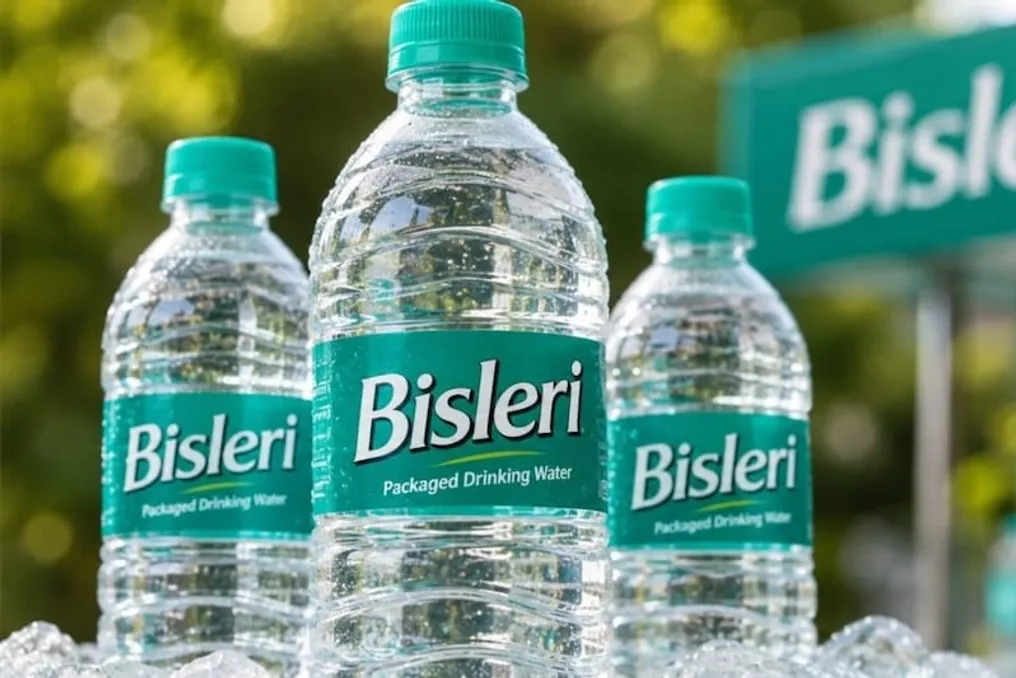
FSSAI deems Bisleri water unsafe for drinking after detecting chemical substances
Read more
www.aajtak.in

FSSAI deems Bisleri water unsafe for drinking after detecting chemical substances

The Indian food regulatory body, FSSAI, has taken strict action against Bisleri International, the bottled water manufacturer. On Sunday, FSSAI announced permission to file a lawsuit against Bisleri International Private Limited.

These actions were taken after samples of the company's packaged drinking water were deemed 'unsafe' during an inspection. FSSAI confirmed this measure through a social media publication.

According to FSSAI, a regulatory sample of 'packaged drinking water' (excluding mineral water) was taken from the premises of Bisleri International for testing. FSSAI reported that this sample did not meet the established limits for bromate and was declared unsafe in accordance with the Food Safety and Standards Act (FSS Act), 2006.

Subsequently, at the request of the company, the sample was sent to the Reference Food Laboratory. Further analysis there also found the sample to be 'unsafe' due to the detection of polycyclic aromatic hydrocarbons (PAHs).

Since the laboratory report proved a violation of legal provisions related to unsafe food products, FSSAI granted permission to prosecute Bisleri International Private Limited under the FSS Act, 2006.

In addition to Bisleri, FSSAI approved the initiation of cases against several other companies, including Vasant Masala Private Limited, Tit-Bit Foods India Private Limited, Mimansa Industries, and Asha Confectionery. Furthermore, FSSAI suspended the licenses of Urmi Lifesciences LLP and Gaur Ayurvedic Store for non-compliance with regulations.

A directive was also issued for the recall of products from Asha Confectionery, as inspections revealed that its packaged chocolate biscuits were unsafe. The company was obliged to withdraw these goods from the market.

It is worth noting that in the current calendar year (2026), FSSAI has intensified supervision and enforcement measures against food manufacturers and e-commerce companies. The tightening control also extends to companies producing energy and alcoholic beverages.

Popular