Uzbekistan Senate discusses support for conscripts' education, including loans and training
Read more
UzDaily
uzdaily.uz

Uzbekistan Senate discusses support for conscripts' education, including loans and training

The Senate of Uzbekistan reviewed issues concerning providing conscripts with opportunities for professional training, preparation for university admission, and obtaining educational loans. This discussion was reported by the information service of the Ministry of Economy and Finance.

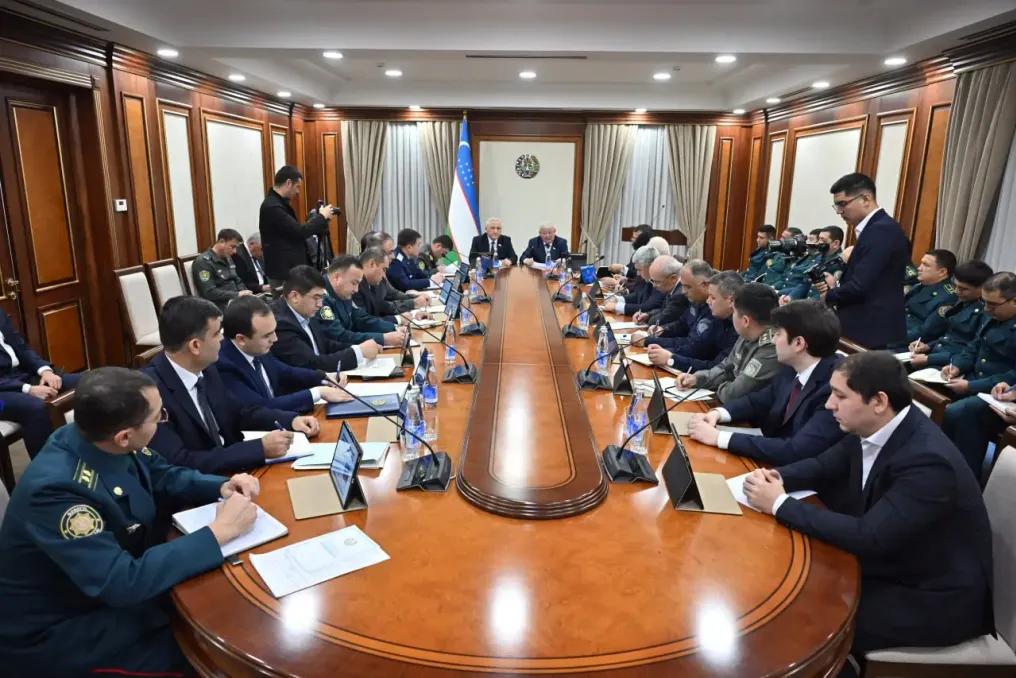
The discussion took place on November 24 at a joint meeting of the Senate committees on defense and security, as well as science, education, and healthcare. The main focus was on the conditions provided to servicemen serving in the Eastern Military District.

This work is being carried out as part of the implementation of Presidential Decree No. PP-134 dated April 7, 2026. This decree provides mechanisms for supporting youth undergoing mandatory military service to help them obtain education, improve qualifications, and find employment after completing their service.

An initial assessment was conducted by the national working group from November 2 to 5 and included representatives from relevant Senate committees, ministries, and state institutions. The Ministry of Economy and Finance participated through Azam Boboev, Deputy Head of the Budget Policy Department in Defense and Law Enforcement Sectors.

One of the measures stipulated by the decree is the possibility of providing educational loans to conscripts who enroll in universities on a contract basis during military service. Loans for the first year of study will be financed through the Educational Loan Financing Fund.

Speeches and existing procedures

At the meeting, Kutbiding Nuritdinovich Burkhonov, Chairman of the Senate Committee on Defense and Security, delivered an opening speech. Representatives of the Ministry of Defense and other relevant agencies reported on the work done, available opportunities, and current problems.

Azam Boboev presented the current procedure for issuing educational loans. He noted that according to Presidential Decree No. UP-82 dated May 27, 2024, such loans are available to students studying full-time at higher and vocational educational institutions.

Digital application procedures were also discussed at the meeting. Before the start of the 2024/2025 academic year, the Ministry of Economy and Finance, together with the Ministry of Digital Technologies and the Central Bank, ensured the ability to submit applications through the educational loan information system and the Unified Portal of Interactive Public Services.

Citizens can apply for educational loans through the system talim-krediti.mf.uz, the portal my.gov.uz, or directly at commercial banks. A ministry representative also provided data on educational loan applications submitted by servicemen this year through the information system, as well as on the progress of their review. He proposed measures to eliminate difficulties arising during loan issuance and improve the fulfillment of set tasks.
Similar stories

Eurasian Development Bank and Uzbekistan Academy of Public Administration to Launch Training for Civil Servants on Investment Project Development
Read more
podrobno.uz

Eurasian Development Bank and Uzbekistan Academy of Public Administration to Launch Training for Civil Servants on Investment Project Development

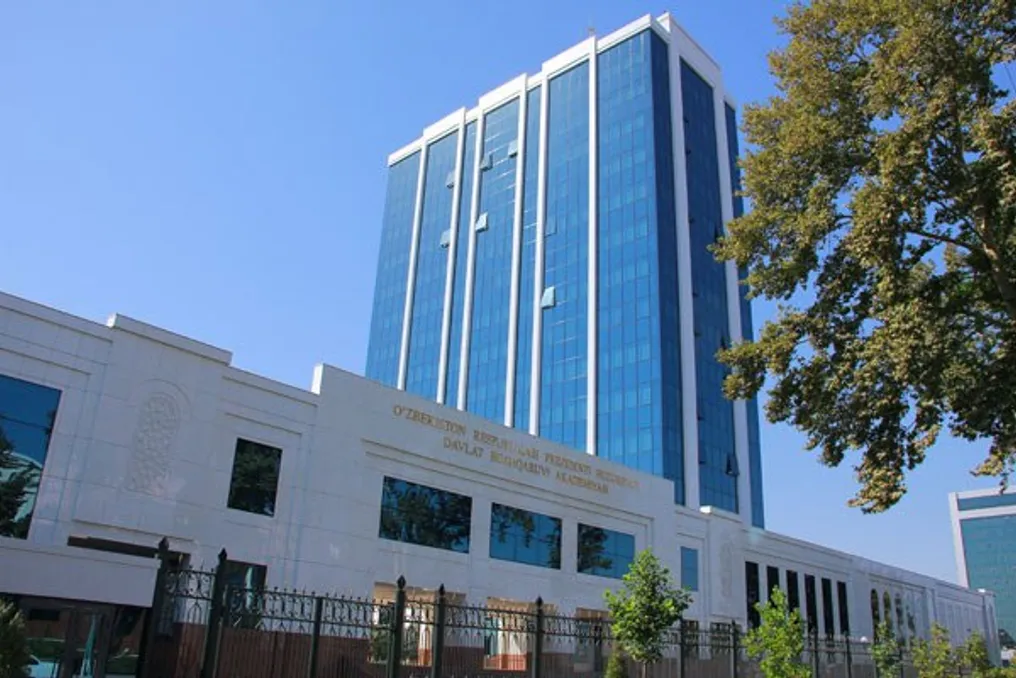
The Eurasian Development Bank (EDB) and the Academy of State Policy and Management under the President of Uzbekistan have signed an agreement to conduct joint educational programs for civil servants. These programs will enable participants to acquire skills in developing, evaluating investment projects, and identifying appropriate funding sources.

The document signing took place during the EDB delegation's visit to Uzbekistan, which runs from November 23 to 26. This was reported by EDB representatives. The signatures were affixed by the bank's Chairman of the Board, Nikolay Podguzov, and the Rector of the Academy, Zhasur Salikhov.

As part of this cooperation, short-term courses focused on working with investment projects will be organized for civil servants. Additionally, a separate curriculum based on real cases is planned for the Academy's master's students.

The EDB also plans to train the Academy's faculty and other public administration institutions in the region. This will allow them to independently conduct classes and integrate practical examples into their educational courses.

Focus on Practical Skills and Financing

Nikolay Podguzov emphasized that high-quality project preparation is critical for attracting funds and successfully implementing development initiatives. Therefore, the partnership will focus primarily on the practical application of knowledge, project evaluation methods, and interaction with financial structures.

For his part, Zhasur Salikhov noted that this partnership will enrich the curricula with real experience in implementing investment projects. This will help prepare specialists capable of competently analyzing economic ventures and determining optimal funding sources for them.

It is expected that the joint educational events will serve as a platform for experience exchange among civil servants from countries that are members of the EDB. Participants will be able to apply the acquired knowledge directly in their departmental activities.

It was previously announced that the EDB, together with partners, intends to establish a new direct investment fund intended for Central Asian and Transcaucasian countries, which will channel funds into promising regional companies.

Uzbekistan and Cambridge Discuss Cooperation in Teacher Training
Read more
uzdaily.uz

Uzbekistan and Cambridge Discuss Cooperation in Teacher Training

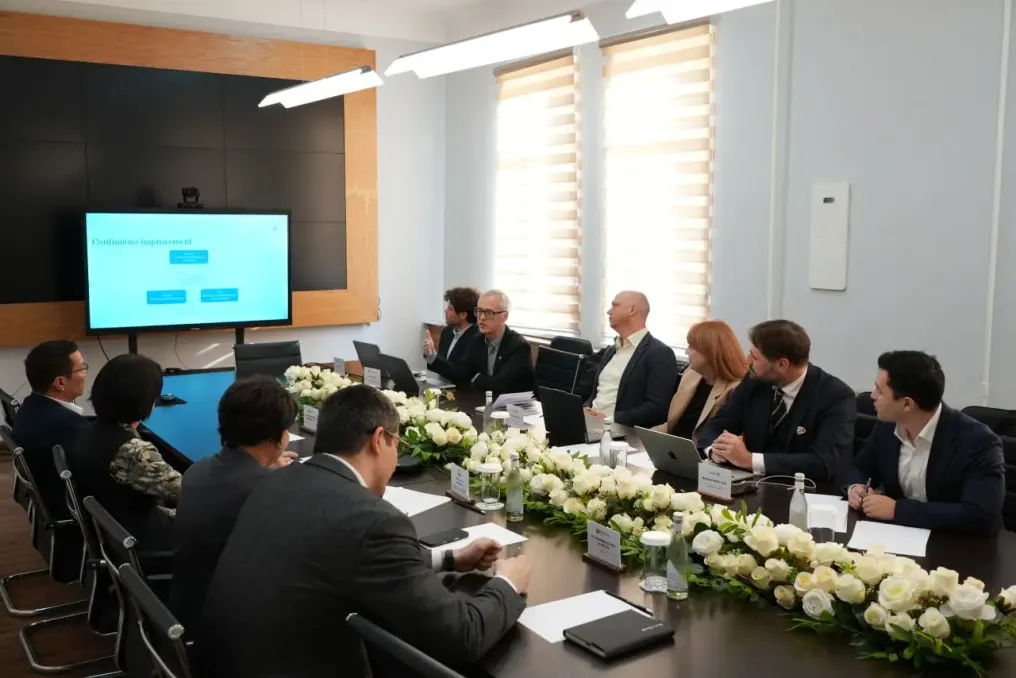
Uzbekistan is negotiating with international organizations regarding the professional development of educators. These discussions took place following meetings involving the Cambridge Partnership for Education and UNICEF.

The meeting was held on November 18 at the Republican Scientific and Methodological Center for Education Development. Representatives from the Cambridge Partnership for Education and UNICEF, as well as high-ranking officials overseeing relevant areas and representatives of international organizations, participated in the event.

Discussed Aspects of Cooperation

During the discussions, various approaches to developing teachers' professional competencies, implementing modern pedagogical methods, and expanding opportunities for further training based on international experience were reviewed.

Following the meeting, participants reached an agreement on continued cooperation aimed at improving the quality of education and supporting the professional growth of teaching staff.

Uzbekistan and South Korea Discuss Expansion of Educational Cooperation
Read more
uzdaily.uz

Uzbekistan and South Korea Discuss Expansion of Educational Cooperation

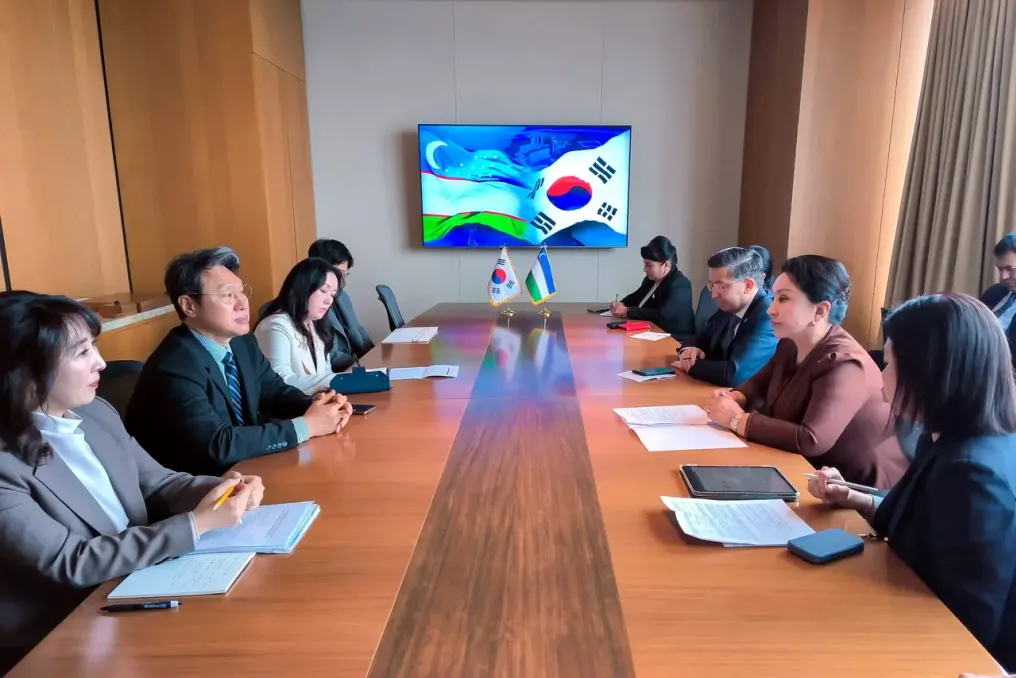
Uzbekistan and South Korea held discussions aimed at expanding partnership in the field of education. The discussed areas include teacher training, student exchange, and joint academic programs. This was reported by the press service of the Oliy Majlis Senate.

The negotiations took place during the visit of an Uzbek parliamentary delegation to South Korea, led by the Chairman of the Senate, Tanzila Narbaeva.

In a meeting with EduLink Director Han Jong Grim, the parties reviewed methods for improving the quality of preschool education, implementing modern approaches to foreign language teaching, and enhancing the professional qualifications of educators. It was noted that 3,500 children attending kindergartens in Uzbekistan study English thanks to this company's educational programs, and another 3,000 teachers have completed advanced training courses.

The possibility of applying advanced teaching methods in the Yangi Avlod preschool institutions was also discussed. Participants considered options for training teachers and organizing specialized courses for them.

During talks with Shinhan University President Kang Soon Joon, the parties focused on reforms in the Uzbek education system, developing higher education according to international standards, and deepening cooperation in science and innovation. Proposals were considered for launching joint curricula, increasing exchanges between students and teachers, and connecting students from Uzbek universities to the international cooperation network of Shinhan University. Furthermore, the organization of joint scientific and educational events was discussed. Another area of negotiation was the training of medical personnel, including nursing staff.

Popular