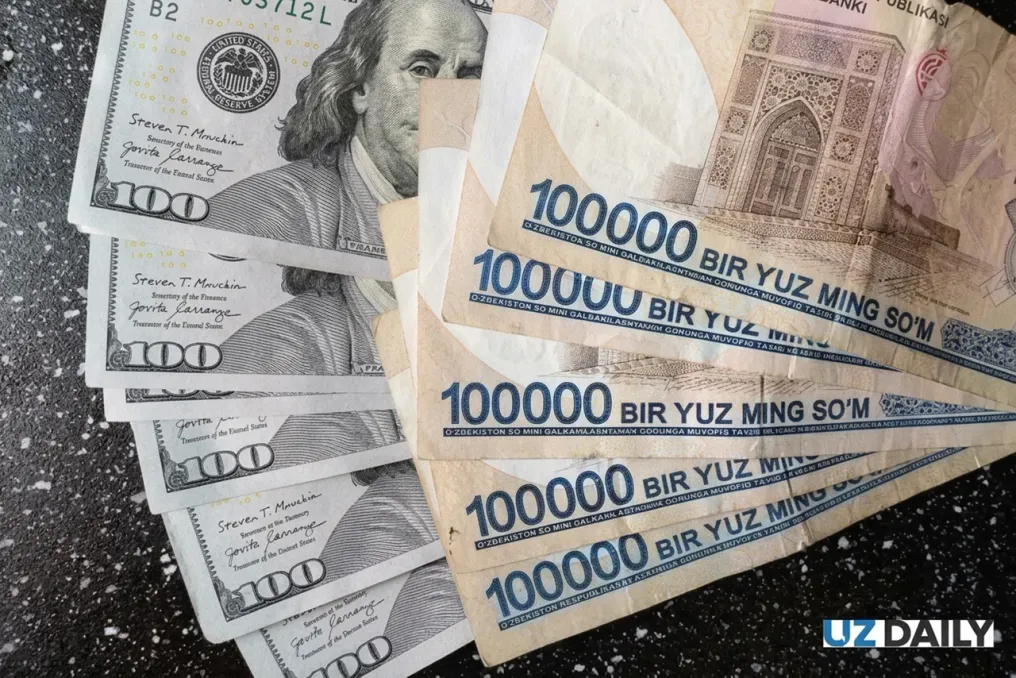
Nodirbek Achilov, Deputy Chairman of the Central Bank of Uzbekistan, reported that the yield on state bonds denominated in Uzbek som has decreased from 12.25% in April to approximately 9%. This information was shared during his presentation of the IMF's regional economic forecast for the Caucasus and Central Asia.
Achilov commented on the impact of rising interest rates in developed economies on the cost of government borrowing in Uzbekistan. He noted diverging trends in both domestic and international markets: the cost of borrowing in US dollars and other major international currencies is increasing, while the issuance of government bonds in the national currency is becoming cheaper.
"When they issued bonds in April, the rate was 12.25%, and now in som terms it is 9%. It dropped sharply after entering the GBI index," stated Achilov.
Furthermore, the Deputy Chairman of the Central Bank mentioned that international financial institutions are studying the possibility of raising funds in the domestic market of Uzbekistan. The interest in issuing bonds in som is partly due to the country's floating exchange rate and its significant reserves. These international organizations aim to reduce the cost of attracting capital in the national currency.
Achilov added that international financial institutions plan to place bonds in the domestic som market to attract funds from the local market. He also emphasized that further development of the capital market will increase the volume of financial resources within the country.
IMF Resident Representative in Uzbekistan, Koba Gvenetadze, also noted high investor demand for the country's government bonds. Uzbekistan issues debt securities in euros, US dollars, and som. These issuances attract demand that several times exceeds the offered volumes, while coupon rates are gradually decreasing.
Gvenetadze commented: "Uzbekistan issues bonds in three currencies—euros, US dollars, and Uzbek som—and they have been oversubscribed several times, while coupon rates are falling. This indicates that investors consider investments in Uzbekistan very attractive."
He also presented the structure of Uzbekistan's external debt. Most of this debt comes from loans from development partners with relatively low fixed interest rates. Nevertheless, the country also attracts financing through markets, so it must consider the possibility of higher borrowing costs in international markets. The IMF assessment shows that Uzbekistan's debt remains sustainable even under a stress scenario.