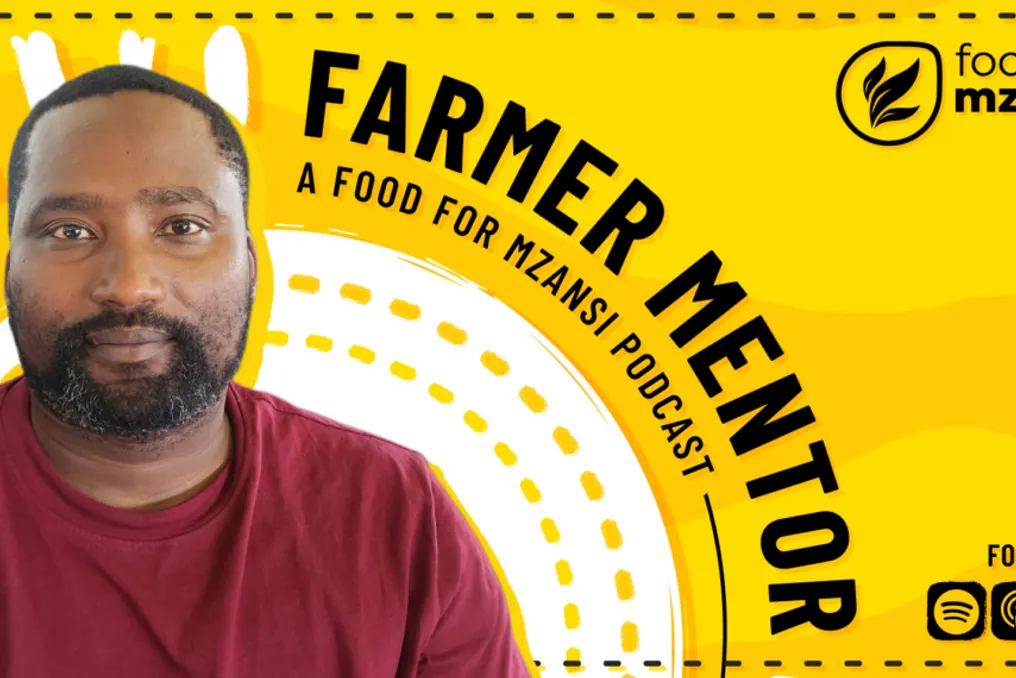
Gauteng Farmer Develops App to Ensure Fair Price for Livestock
Read more
Food For Mzansi
foodformzansi.co.za

Gauteng Farmer Develops App to Ensure Fair Price for Livestock

Agriculture in Gauteng faced the challenge of finding reliable buyers and securing a fair price for livestock, a problem solved by farmer Kagiso Marule through a digital solution.

Marule, who spent many years raising sheep, goats, and cattle in Bronkhorstspruit, transformed one of the agricultural sector's most serious issues into an online platform. He explained how he independently developed the trading application, Live Stock.

Since starting in animal husbandry in 2011, Marule initially worked with sheep and goats before the family farm expanded to 21 hectares in Bronkhorstspruit, Gauteng. This farm also houses Bonsmara and Tulu cattle breeds. His duties included both manual labor on the farm and animal transportation, giving him practical insight into the requirements of running a livestock business.

However, selling animals proved to be one of the industry's main difficulties. Marule noted that farmers often rely on personal connections and word-of-mouth to find buyers. While online listings can attract attention, they do not always lead to actual sales.

Auctions presented another challenge, especially for farmers unfamiliar with established buyers and sellers. He described the situation as having a 'boys' club' with permanent participants. Furthermore, he encountered uncertainty regarding animal valuation, weight, and classification, as well as the costs and stress associated with transporting livestock to market.

These experiences highlighted the importance of a deep understanding of the market and knowing the true value of animals before selling. Marule advises farmers to maintain accurate production records, understand resource costs, and monitor herd productivity and breeding cycles. Knowing when and at what price an animal is produced allows for more informed decisions instead of accepting the first offer received.

In February 2024, Marule began developing the concept for Live Stock—an online platform allowing farmers to buy and sell animals via their phones. Initially, he believed that realizing the idea would require significant funding and the help of professional developers. He approached agencies and potential sponsors but was unsuccessful.

Relying on his experience in corporate technology, he ultimately used AI-supported development tools to build the platform himself. This experience taught him an important lesson: the lack of funds or access to specialists does not mean an idea must be abandoned. Understanding the problem, having a clear vision, and utilizing available resources can help turn an idea into something practical.

The Live Stock platform aims to connect buyers and sellers while integrating verification and accountability mechanisms into online transactions. Users undergo identity verification, and sellers are required to photograph the animals when posting an advertisement. Buyers deposit funds before agreeing to a physical inspection of the animals. If the animals do not meet their expectations after viewing, they can decline the purchase and receive a refund, while the animals remain with the seller.

The platform also provides price information based on factors such as breed, age, and weight, helping farmers compare their animals against industry standards and other offers. However, sellers retain the right to set their own prices. Marule strives to give farmers, regardless of the scale of their operations or industry connections, the ability to find buyers and receive valuable market intelligence. He also hopes to interact directly with farmers across the country, assisting them in using the platform and learning from their experiences.

For Marule, improving market access is a critical prerequisite for creating a viable farming business. He emphasizes: 'The value chain is not just about production. It extends all the way to the sale. So you need to be able to enter it and then sell your product. Otherwise, what is the point?'
Similar stories

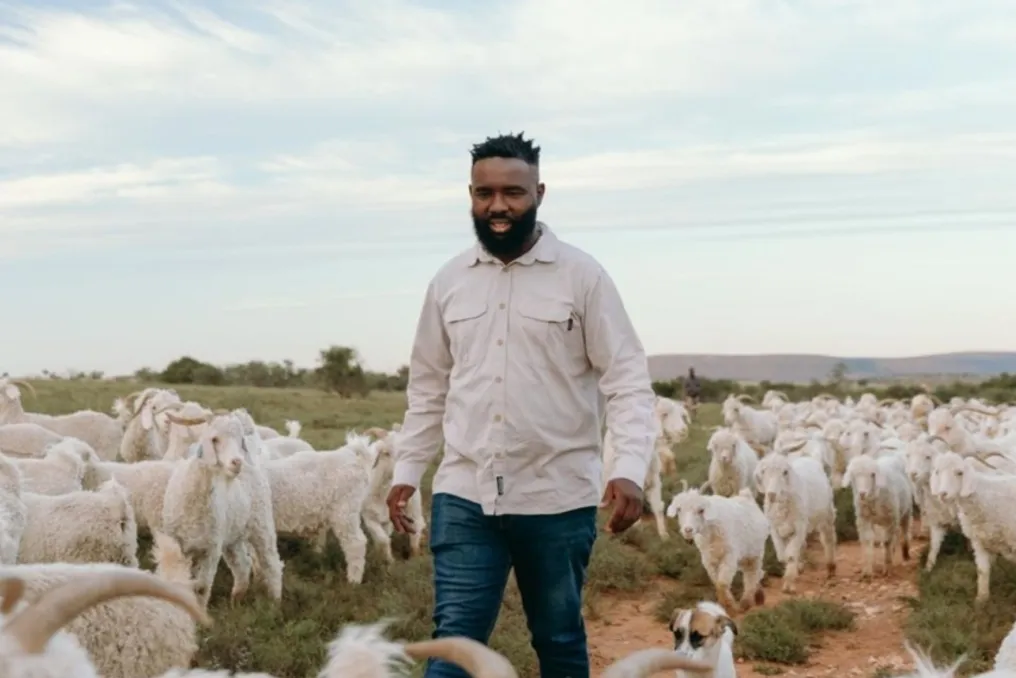
Business-oriented approach contributes to the success of Angora mohair farmers in the Eastern Cape
Read more
foodformzansi.co.za

Business-oriented approach contributes to the success of Angora mohair farmers in the Eastern Cape

Angora goat farming in the Eastern Cape involves not only grazing on Karoo pastures but also producing mohair—one of the world's most sought-after natural fibers. This material is used in the international fashion, textile, and interior design industries. South Africa, as one of the leading mohair producers globally, has significant interest in this market, with the Eastern Cape playing a central role in this process. Behind every piece of wool is an opportunity for farmers to engage with the global industry.

Focusing on Mohair Quality

For Dintle Maphala, founder of Sehoaisekgabane Goedehoop Farm in Aliwal-North, Eastern Cape, raising Angora goats is a challenging endeavor. She began her work in 2018 and asserts that the quality of the mohair directly depends on how the goats are bred, fed, and cared for from birth. Farmers cannot wait until shearing day to consider the fiber's quality.

Maphala emphasizes the importance of caring for the young stock, as the first wool of young goats, called kid mohair, is typically finer, softer, and more valuable in the market. She paid off a loan over five years using deductions from income generated by mohair sales during shearing. Furthermore, Maphala explains that special attention is required during kidding season, when farmers care for the ewes and their offspring, ensuring herd management through shearing.

Viewing Farming as a Business

Avive Ghotive, a member of the Mohair Empowerment Trust (MET) board, believes that the program's success should also be measured by the benefit it brings to the lives of the farmers. He notes that 'success looks like the restoration of the farmer's dignity, first in their own eyes, then in the eyes of their family and the entire community.'

Ghotive explains that some financially struggling farmers join MET, yet their agricultural enterprises enable them to send their children to school. For some, this has resulted in a child becoming the first graduate in their immediate or extended family. When asked what distinguishes farmers who are developing their businesses, he pointed to their approach to agriculture: 'They have a business-oriented approach. They view their farming as a business.'

He adds that such farmers are inherently curious, willing to learn, and open to change. Nevertheless, Ghotive observes that after completing the program, farmers may lose access to regular industry information. He says: 'When they participate in the official MET program, they are often inundated with information because they are the focus of industry empowerment efforts. When they graduate, the focus shifts to new participants.'

Access to capital remains another challenge, especially for farmers aiming to improve their herd genetics. Ghotive believes that the cost of genetic improvement can prevent farmers from achieving higher prices available in the industry. He suggests that stronger partnerships with financial institutions could help farmers accelerate growth based on the foundation laid by MET.

Ghotive also calls for the representation of future commercial farmers in all structures of the mohair value chain. He insists: 'Adequate representation of the emerging farmer in every existing structure within the industry's value chain is necessary to maximize the protection of the emerging farmer's interests.'

Developing Farms Through Partnerships

Lavazi Fede has been raising Angora goats in Jansenville, Eastern Cape, through MET since 2021. He sees owning goats as a way for farmers to scale up their business, engage in other ventures, and create jobs. He states: 'Once you finally own the goats, you can take on another venture and expand your business in a more meaningful way, having the ability to hire more people.'

Fede also values the relationships formed among farmers, particularly the advice and support they can offer each other. He emphasizes: 'Building respectful relationships with fellow farmers and being able to rely on them when advice is needed is very important. And not being afraid to ask for help when necessary. The ecosystem is so healthy that we truly support each other in many aspects of our journey.'

He stresses that emerging farmers need better access to financial opportunities, including services from private investment firms. Fede argues that farmers must participate in industry decision-making, have access to infrastructure, and secure land ownership. 'Providing farmers with title deeds to their land will give them more chances to turn these farms into prestigious holdings and create wealth for future generations.'

Another need, according to him, is continuous learning about industry standards and certification requirements. He also urges farmers to utilize external services available to them.

Smart technologies allow soil condition to be determined from a small sample of earth
Read more
www.aajtak.in

Smart technologies allow soil condition to be determined from a small sample of earth

Controlling soil condition is crucial for obtaining high-quality harvests. Farmers often apply fertilizers and mineral substances to fields without prior soil analysis. Sometimes an excessive amount of fertilizer is added to the soil, which leads to increased costs and deterioration of the soil quality itself.

As part of an initiative by the IndiaToday group during an agricultural conference in India, Prime Minister Narendra Modi announced the availability of artificial intelligence-based sensors. These sensors provide farmers with accurate information.

PM Modi also noted that soil quality can now be checked using mobile devices. A farmer only needs to place a small amount of soil on the mobile device, and the phone immediately provides a report. This report indicates which crop the soil is suitable for, how much fertilizer is needed, and what type of fertilizer should be used.

He added that India is an annual exporter of agricultural products worth 400 billion rupees. Many devices are available in the market that help farmers test their soil in their fields, eliminating the need to visit a laboratory. Now, quality soil testing can be done in minutes right in the field, and the report will be available in a mobile application.

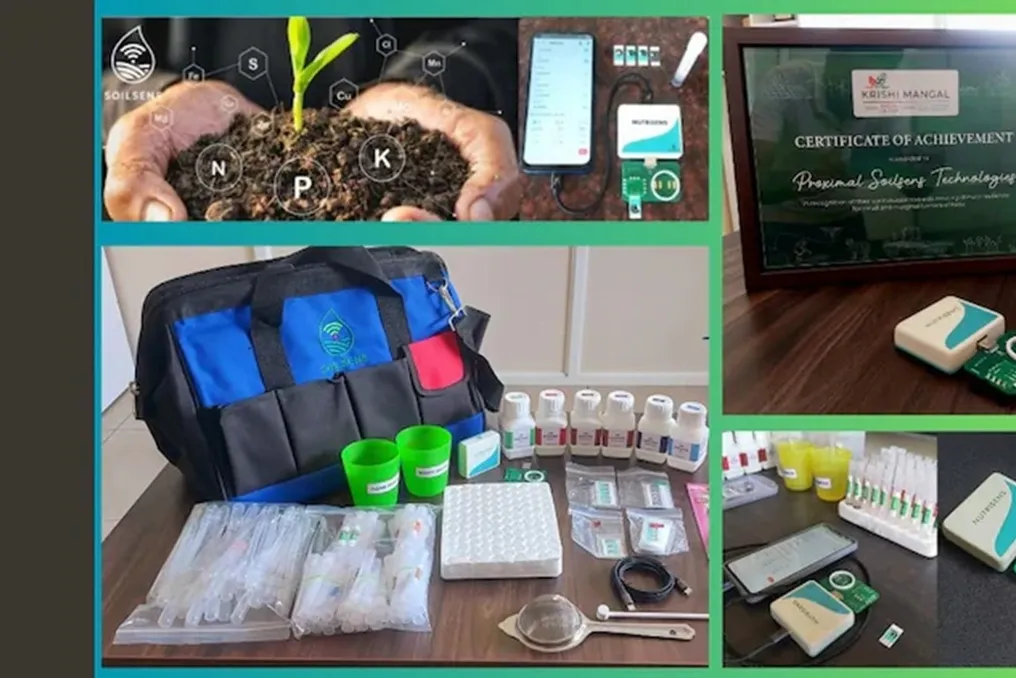
The platform of the Ministry of Information Technology, Frontier Tech, mentioned a Maharashtra company that offers soil testing devices called NutriSense. The goal of NutriSense is to make soil testing simple and accessible for the farmer. There are also many other options available in the market for monitoring soil quality.

According to information on Frontier Tech, NutriSense was developed by Dr. Rajul Patkar. With this device, soil quality can be tested using only 1 gram of earth, and it takes five minutes. The results are displayed in a mobile application.

The NutriSense product analyzes soil quality based on six parameters. It measures the pH level, which indicates the acidity or alkalinity of the soil. Additionally, the device shows the content of nitrogen, phosphorus, potassium, and the level of organic carbon in the soil.

Frontier Tech reports that this invention is used by 10,000–15,000 farmers and is applied in 8 states. One device can perform about 3,000 tests per year, and its cost ranges from 35,000 to 60,000 rupees.

Popular