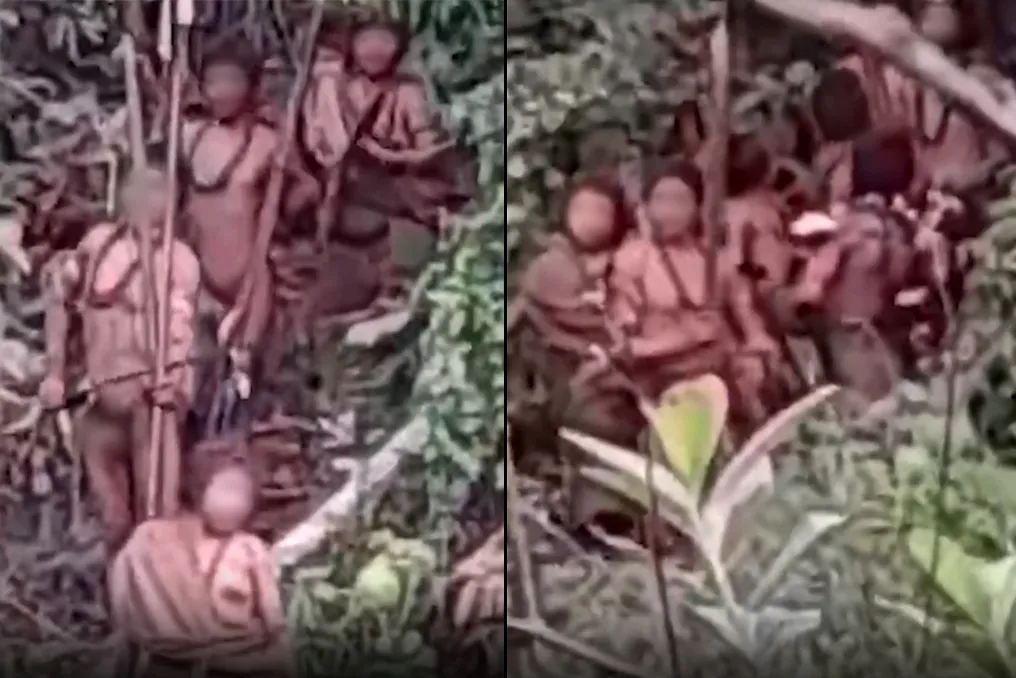
The assumption that isolated indigenous peoples live in a separate universe has been challenged by a recent contact episode in the state of Amazonas. In February 2025, a man belonging to a group that does not maintain contact with external society was sighted in a riverside community located in Lábrea, southern Amazonas.
In a video that went viral, the individual appears amidst a small gathering of curious onlookers, demonstrating familiarity with modern objects, such as a lighter and a cell phone. It is believed that the factor that led him to that region was fire.
Faced with unexpected contact situations, the National Foundation of Indigenous Peoples (Funai) activates an emergency protocol, sending teams to the location. The initial procedure involves identifying the language spoken by the indigenous person, aiming to communicate that the teams' intention is to protect him. If communication is established, it becomes feasible to offer medical treatments and vaccines.
However, in the specific case of Lábrea, the identification of the young man's language was not possible. Officials isolated the area, advised local residents, and used hand signals to indicate that he should return to the forest. He returned without receiving immunization, which represents a risk both to him and to the rest of his group, given that injections require consent.
The investigation did not cease after the man's return. Experts in indigenous languages analyzed the recordings obtained during the encounter and discovered something surprising: his speech contained several words borrowed from Portuguese, Tupi, Arawak, and Katukina.
Daniel Cangussu, a researcher who mediated the contact, commented to Super that this proved the man was not someone disconnected from the outside world. He explained: 'This showed that he is not a person excluded from the world: he knows the languages of the groups with whom he fought and united, of partners and enemies.' Furthermore, he observed that the young man used onomatopoeia and body gestures to refer to chainsaws and outboard motors.
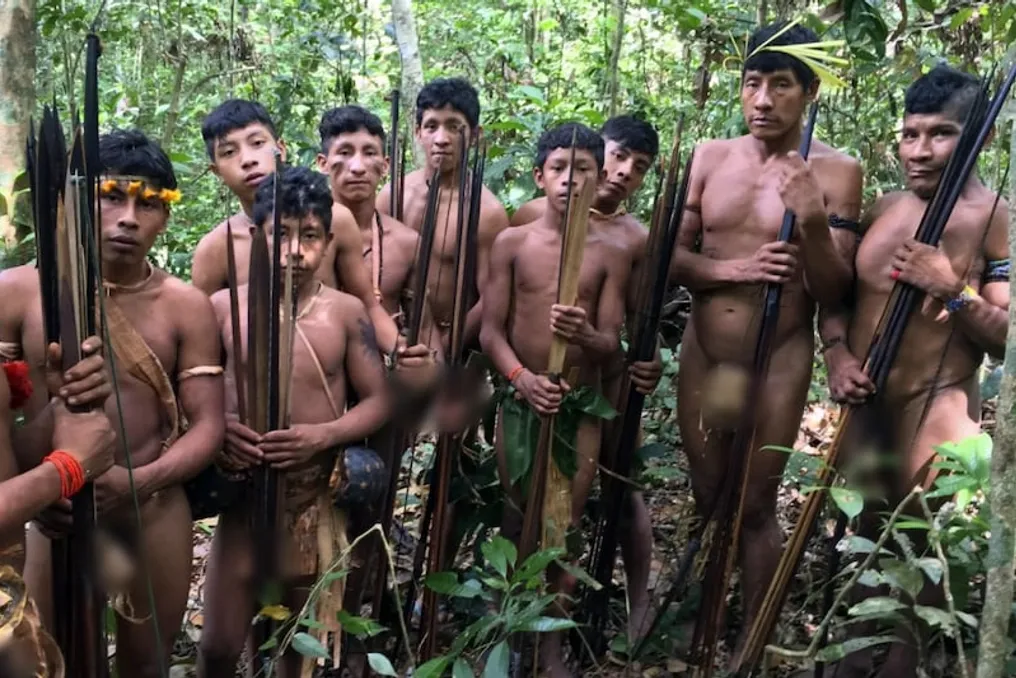
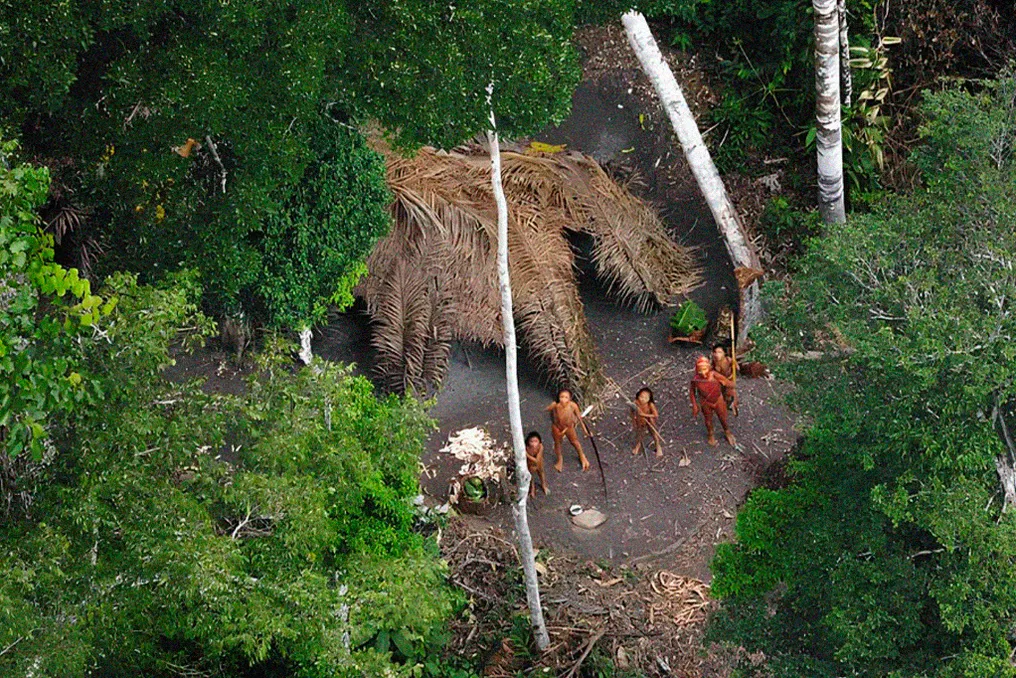
This discovery serves as a strong argument against the generalized notion that isolated peoples are 'primitive' beings or stagnant in time, living in the same way for centuries. In reality, they are contemporary individuals who possess survival methods adapted to current challenges. They are aware of the existence of a surrounding society—they perceive engines and aircraft in the sky—but often choose to distance themselves from it because their ancestors suffered attacks, slavery, or were decimated by diseases after some prior contact.
When interacting with Funai, agents often notice signs of this interaction with the outside world in isolated peoples, such as gunshot scars or the adoption of customs from other ethnic groups. However, it is not always possible to determine whether these exchanges occurred before the period of isolation or if they resulted from more recent contact.