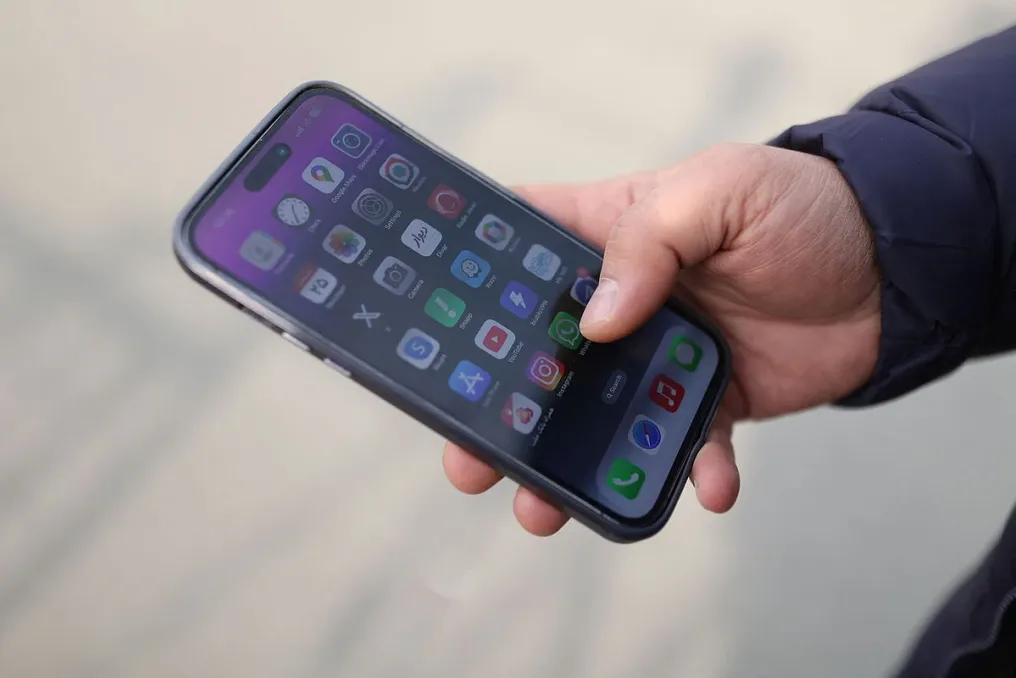
Private educational institutions and other educational facilities in Dubai are required to draw a clear line between professional and personal communication for teachers. The new rules prohibit staff from using their private mobile phones, WhatsApp accounts, and social media profiles to contact students.
According to the new protection system issued by the Knowledge and Human Development Authority (KHDA), teachers must use only school-authorized devices and institutionally approved digital platforms for all interactions with students related to teaching and communication.
These requirements, announced on November 13, are part of the KHDA's Policy on the Protection and Safeguarding of Students in Private Educational Institutions in Dubai. The goal is to strengthen professional boundaries, improve oversight of interactions, and reduce the risk of inappropriate contact between adults and students.
Furthermore, the rules place broader responsibilities on schools regarding staff conduct monitoring, establishing safe working practices, and ensuring mechanisms for identifying and reporting safeguarding issues through clear institutional procedures. This system makes the boundaries of professional communication in the digital space an explicit requirement for protection.
In the section on professional conduct and safe working practices, KHDA mandates that educational institutions:
- "Prohibit personal or clandestine relationships with students, the use of personal contact details, and the application of personal devices or social media for communicating with students."
- "Require that communication and learning occur exclusively through institutionally approved devices and platforms."
- "Monitor staff suitability throughout their employment period and take appropriate action if concerns arise."
This means that teachers cannot independently contact students through their personal WhatsApp accounts, private phone numbers, or social media profiles. Even routine academic discussions must take place within the communication systems permitted by their institutions.
The main focus is on ensuring that interactions are visible, properly monitored, and accountable, rather than occurring through private channels that the school may not be able to track. Educational institutions must also ensure that staff understand the distinction between professional communication and personal interaction with students.
Claire Scowen, Vice President of Risk and Global Head of Child Protection at GEMS Education, noted that maintaining these boundaries has always been a central element of the group's approach to student protection. She emphasized that the group has developed policies governing staff conduct and appropriate communication, including the use of school-based channels.
Scowen stated: "Maintaining clear professional boundaries between staff and students has always been fundamental to our protection approach. Our established safeguarding policies and safe working practices set clear expectations regarding professional conduct and appropriate communication, including the use of appropriate school-based channels, rather than personal accounts for staff-student communication." She added that they continue to ensure compliance with these expectations in their schools, ensuring that staff understand both the requirements and the rationale for protection.
Phunit MK Vasu, CEO of Indian High Group of Schools (IHS), noted that the school recognizes the preference of many families to use WhatsApp for convenient school information updates. He explained that school-managed groups remain useful for sharing announcements provided that communication is structured and under institutional supervision.
Vasu stated: "We also recognize the importance of aligning our communication practices with the preferences of our families. For many parents, WhatsApp remains a convenient and accessible platform for receiving information. Consequently, school-managed WhatsApp groups continue to play an important role in sharing updates and announcements while maintaining proper professional boundaries and oversight." He clarified that school groups are centrally administered and are not used as private communication channels between teachers and individual students.
For direct academic communication, the school uses institutionally authorized Microsoft Teams accounts. Parents can also contact designated school support services, and official email correspondence is limited to registered school accounts.
Vasu also mentioned that the school expects families to respect teachers' personal time and maintain appropriate communication boundaries. He added that school-wide announcements and emergency notifications are distributed through school-controlled forums, with groups requiring official approval from an authorized school leader who must also be a member of the group.
The safeguarding system extends beyond restrictions on personal phones and online communication. It also sets expectations regarding how teachers, support staff, and other adults interact with students on school premises. Institutions are obliged to ensure that staff:
- "Avoid unauthorized gifts and preferential treatment towards individual students."
- "Comply with institutional rules regarding photography, social media, and digital content involving students."
- "Conduct interactions in visible and open areas whenever possible."
- "Adhere to documented supervision arrangements when one-on-one or closed-format meetings are necessary."
Noufal Ahmed, Founder and Managing Director of Woodlem Education, reported that the group is strengthening the use of official communication channels across all its schools. He emphasized: "Teachers do not use their personal phone numbers, private WhatsApp accounts, or personal social media accounts for professional communication with students or parents. We are reinforcing these expectations across all our schools to ensure transparency, accountability, and respect for the privacy of students and staff."
Ahmed added that providing teachers with institutional resources is vital for practical compliance with the rules. "Our guidelines clearly state that teachers must use official school-provided numbers and approved communication channels when contacting students or parents. To support this practice, we provide teachers with official SIM cards and school contact numbers. This ensures accessible and effective communication with families while protecting teachers' personal contact details and maintaining appropriate professional boundaries."
Ahmed also noted that teachers are equipped with laptops and tablets to perform their academic and administrative duties, giving them access to school-approved platforms without needing to rely on personal devices.
This policy is not limited to private schools; it applies to KHDA-approved private educational institutions across Dubai, including kindergartens and early childhood centers, private schools, universities, and higher education institutions, as well as vocational and training institutes. Its requirements cover both physical campuses and virtual learning environments. Trainers, volunteers, contractors, and other adults working with students must also adhere to their institution's Code of Conduct as part of the adaptation.
The safeguarding system also covers students aged 18 and over, with protection procedures adapted to account for adult consent and confidentiality. While many schools already had individual safeguarding policies, the KHDA framework establishes a common set of mandatory requirements for the entire private education sector. These cover preventing and identifying harm, reporting procedures, handling allegations, and institutional accountability. Furthermore, they acknowledge emerging risks related to cyberbullying, online grooming, digital coercion, and the misuse of artificial intelligence. Institutions are required to appoint a safeguarding trustee at the board level, alongside a designated safeguarding lead or child protection coordinator to oversee implementation.
The framework allows for a phased implementation period of up to 12 months, giving institutions time to review existing policies, train staff, and strengthen safeguarding measures.