The President of the European Commission challenged Russia to accept an energy ceasefire for the winter to demonstrate readiness for negotiations. She warned that Russia's behavior would be assessed based on actions, not just words.
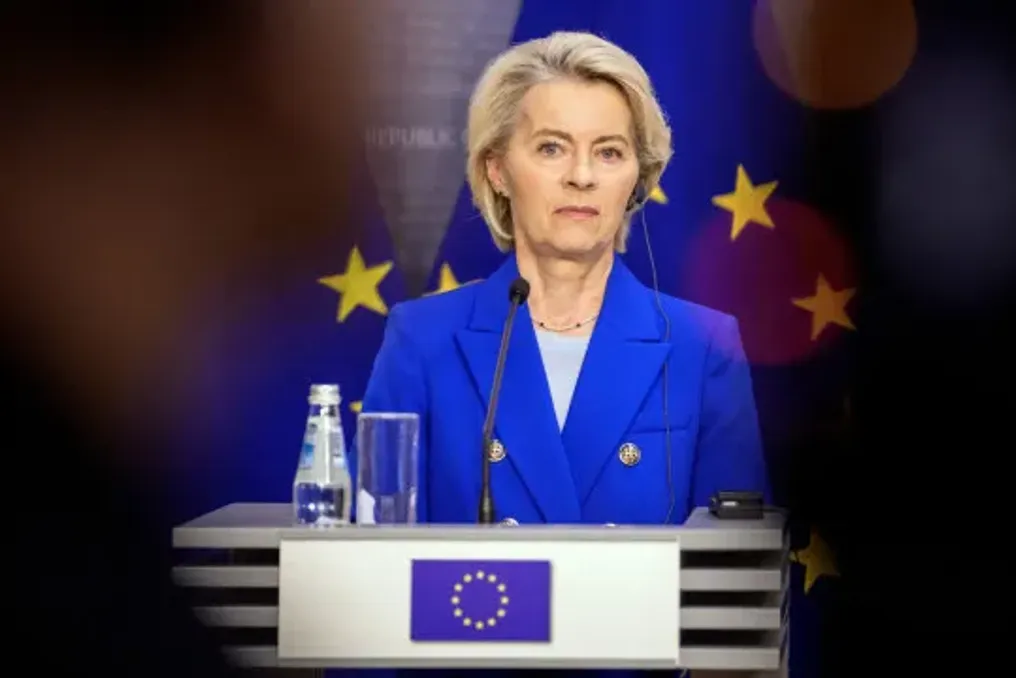
During her speech at the plenary session of the European Parliament in Strasbourg, Ursula von der Leyen noted that there has been a 'new dynamic in peace negotiations' in recent weeks. She emphasized the need to create the best conditions for diplomacy but maintained her caution.
The President of the European Commission thus demanded that Russia agree to an energy truce during the winter period, as well as a truce that would allow food exports through the Black Sea. This demand was put forward following the proposal by European leaders last week during the Coalition of the Good Will for Ukraine meeting in Berlin.
Von der Leyen stated that such steps would be significant because they would show Russia's genuine interest in negotiations. Addressing the deputies, she stressed that 'no one wants peace more than Ukraine' and assured that the European Union (EU) 'will do everything possible to achieve this goal.'
She clarified that the EU is 'fully engaged in long-term peace negotiations,' but simultaneously intends to continue providing 'maximum support to Ukraine' and exerting 'maximum pressure on Russia.'
Regarding support for Ukraine, Von der Leyen reminded that last week the European Commission proposed a new loan of 45 billion euros to help Ukraine mitigate its budget deficit of 70 billion euros in 2027. She also pointed out that Ukraine could only repay this loan after Russia compensates Kyiv for the 'damage caused during the war.'
'This way, Ukraine can enter peace negotiations from the strongest position,' she stated. Alongside this support, Von der Leyen noted that the EU is increasing pressure on Russia, particularly through the 22nd package of sanctions against Moscow, which she presented this Tuesday.
Von der Leyen listed several measures proposed under this sanctions package, including a ban on former Russian combatants entering European territory or banning athletes from participating in international competitions in Europe representing Russia. She stated: 'Our goal is clear: we are increasing the cost Russia must pay for continuing this war and giving it more reasons to choose peace.'
The President of the European Commission emphasized that peace 'is not just about ending the conflict,' but must also allow Ukraine to 'build a future for which its people have fought so hard.'
Discussing the process of Ukraine's accession to the EU, Von der Leyen advocated for the recognition that the country has implemented a number of reforms and made 'important steps toward its European future,' again calling for the remaining two chapters in the accession talks to be opened by the end of the year. She concluded: 'This will send a clear message to the Ukrainian people: our place is together. And our message to Russia is also clear: Europe wants peace. A lasting peace that protects Ukraine's sovereignty and ensures its long-term security.'