INSUR Asia 2026 Participants Discuss Digitalization of Insurance in Central Asia
Read more
UzDaily
uzdaily.uz

INSUR Asia 2026 Participants Discuss Digitalization of Insurance in Central Asia

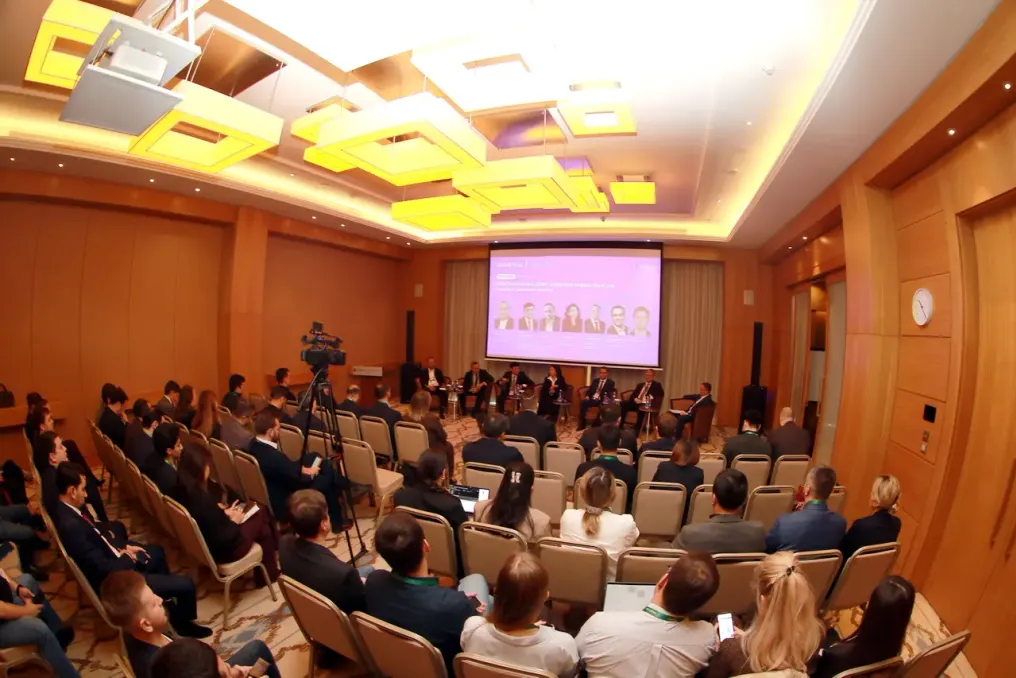
Representatives from the insurance industry in Uzbekistan, Kazakhstan, Tajikistan, and Russia participated in the INSUR Asia 2026 event held in Tashkent. The session covered issues such as digitalization, electronic mandatory motor insurance, the application of artificial intelligence, and life insurance development.

The session took place on November 19 as part of the FINNEXT Asia forum. Alexander Golovin, Editor-in-Chief of the Insurance News Information Agency (ASN), moderated the discussion.

Electronic Motor Insurance and Digitalization in Uzbekistan

Shuhrat Abdurakhmanov, Head of the Insurance Market Development and Digitalization Department at the National Agency for Advanced Projects (NAPP), reported that since September 1, 2024, all insurance policies in Uzbekistan are issued exclusively in electronic form. These documents are registered in a unified system integrated with road police databases and personal data, and are also stored on the blockchain. According to Abdurakhmanov, compulsory civil liability insurance for vehicle owners covers almost 100% of cars.

However, drivers without a policy are not fined upon the first check; instead, they are offered the option to purchase insurance on the spot. In July 2025, NAPP announced plans to submit a draft law to the Cabinet of Ministers aimed at strengthening penalties for driving without insurance. Tariffs for mandatory motor insurance have increased several times since January 1, 2026. The cost of a policy covering a limited number of drivers ranges from 160,000 soms in regions to 192,000 soms in Tashkent. Based on the exchange rate on November 19, these amounts were approximately 1,100 and 1,300 rubles, respectively. Meanwhile, a similar policy cost 56,000 soms in 2019, and the insurance coverage amount doubled to 80 million soms.

Abdurakhmanov also presented a draft presidential decree on the development of the insurance market until 2030. This document has undergone public consultations and is under review by the Cabinet of Ministers, with its signing expected by the end of 2026. Proposed measures include transferring claims reimbursement applications and reinsurance contracts to a unified information system, and planning the introduction of an AI-based service. This service will analyze insurance contracts for consumers, identifying exclusions and conditions that could put clients at a disadvantage.

Akmal Umirov, Head of the Insurance Industry Digitalization Department at Uzinfocom, noted that after the transition to electronic policies, the annual number of concluded insurance contracts has grown by 15–20%.

Kazakhstan: Driver Assessment and Fraud Detection

Linara Anuarbekova, Chairman of the Board of the State Credit Bureau of Kazakhstan, proposed supplementing the bonus and penalty system with individual driver assessments. She reported that the bureau has already analyzed the behavior of about 5 million motorists. The organization also notifies insurers of potential cases of fraud when registering insurance claims; about 47,000 such notifications were sent over ten months. In Kazakh cities, cameras automatically check for mandatory civil liability insurance on vehicles, equivalent to Uzbek mandatory motor insurance. Drivers caught without insurance for the first time receive a warning, while repeat offenses incur a fine. Another tool is the open API of the credit bureau, which allows various platforms to sell insurance policies without needing separate integration with each insurance company. The bureau plans to open its API for claim submissions next year.

Lessons from the Russian Life Insurance Market

Evgeny Shcheklanov, CEO of Everia Life, urged market participants to study Russia's experience and avoid mistakes made there. According to his assessment, about 95% of the Russian life insurance market consisted of short-term products that effectively functioned as bank deposits. Data from the Bank of Russia, presented at the forum, showed that savings life insurance contracts for up to one year accounted for 43% of premiums in this segment.

Shcheklanov highlighted five lessons from the Russian market. If an insurance policy is sold like a deposit, clients perceive it as such. Instead of banning specific products, it would be beneficial for the industry to develop a unified sales standard. He also emphasized the risks associated with dependence on a single distribution channel. Tax benefits should be tied to the contract term and regularity of payments. Long-term obligations must also be backed by assets with corresponding maturity periods. In Shcheklanov's opinion, market efficiency should not only be measured by the volume of collected insurance premiums; key indicators should also include the average contract duration and the share of clients receiving payouts upon maturity.

Gleb Yakovlev, Vice President of the Russian Union of Insurers, noted that the banking distribution channel has become one of the main drivers of life insurance growth in Russia. However, the role of digitalization in this process was minor, as long-term products continued to be sold primarily through personal client consultations.

Artificial Intelligence in Insurance Brokering and New Risks

Sergey Khudyakov, Co-owner and CEO of the insurance broker Mains, discussed the application of artificial intelligence in the services of insurance intermediaries. According to Khudyakov, AI helped audit 170 insurance contracts of a large holding company in just one day, which reduced labor costs during the tender preparation stage by approximately fourfold. At the same time, he warned about the risk of using fabricated photos of vehicle damage created with publicly available AI models. He suggested that 40–50% of people might use such tools to fake photos, but existing online detectors only recognize about 2% of manipulated images.

Other Topics Covered at the Insurance Session

Representatives from Imkon Sug'urta (OTP Group), Freedom Finance Insurance, Tajik BIMA, Hayot Invest Insurance, Apex Insurance, Apex Life Insurance, and other companies participated in the discussion. Participants reviewed the prospects of Takaful and mechanisms of digital transparency in Islamic insurance. The possibility of introducing pre-trial dispute resolution based on the financial ombudsman model was also discussed. Other topics included the integration of mandatory motor insurance into state vehicle registration services, the development of telemedicine, and the expansion of preventive care in voluntary medical insurance. Participants also talked about the speed of insurance payouts as a factor of customer trust and the dependence of the Uzbek market on the banking distribution channel.
Similar stories

APEC Cooperation Framework on Trade Digitalization Aims to Simplify Cross-Border Operations in the Asia-Pacific Region
Read more
cgtn.com

APEC Cooperation Framework on Trade Digitalization Aims to Simplify Cross-Border Operations in the Asia-Pacific Region

The Asia-Pacific region continues its move towards more seamless cross-border trade. At the 33rd APEC Economic Leaders' Meeting, held in Shenzhen on November 18-19, leaders approved the APEC Cooperation Framework on Trade Digitalization for the period 2027–2030. This framework outlines 12 areas of cooperation under three pillars: creating a favorable policy environment, strengthening policy exchange, and utilizing digital technologies to improve trade facilitation.

These measures are intended to change the methods of conducting business in cross-border trade. One of the main priorities is promoting cashless trade. The framework encourages APEC economies to provide administrative trade forms electronically, recognize electronically submitted forms as legally equivalent to paper versions, and explore the use and exchange of electronic records in commercial activities across borders using various modes of transport.

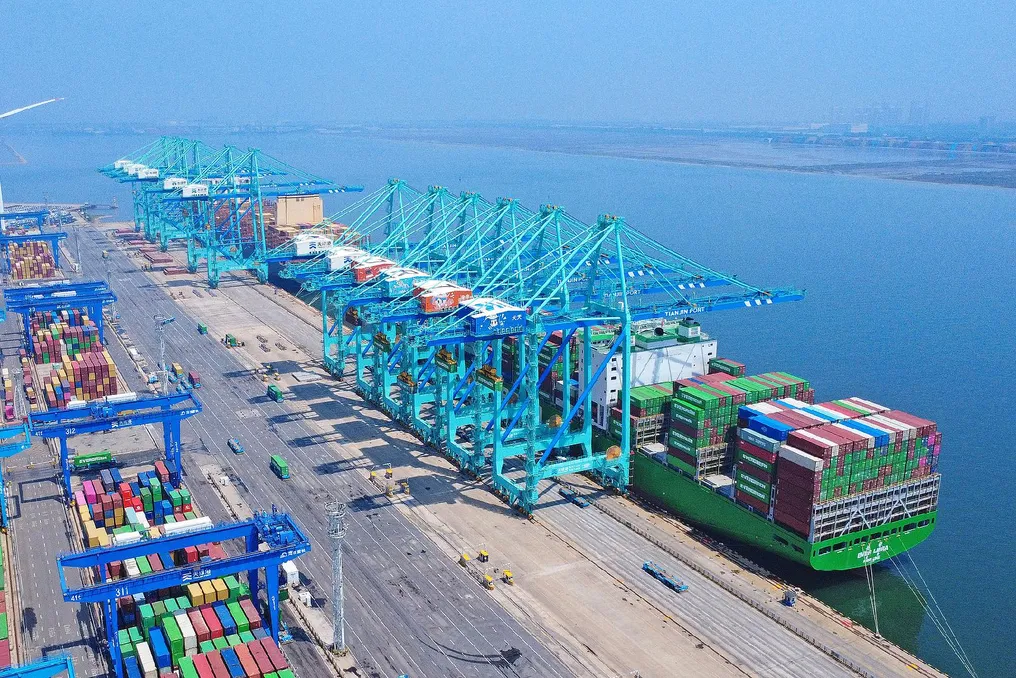
An example of how digital records can reduce reliance on physical documents and simplify information exchange in maritime transport is the electronic bill of lading. Related work by APEC also included cooperation on their application. Digital customs procedures can optimize the submission and processing of trade information, while interoperable e-invoicing systems can enhance the efficiency, accuracy, and reliability of commercial transactions.

Regarding cross-border payments, the framework calls on economies to support the adoption of international standards, improve interoperability between electronic payment infrastructures where appropriate and consistent with robust risk management systems, and encourage innovation and competition in payment services.

The benefits of digitalization are already evident in regional pilot projects. At a press briefing on November 16, Chen Chao, Director General of the Department of International Trade and Economic Affairs of China's Ministry of Commerce, presented the results of the Asia-Pacific Model Port Network (APMEN). Within this pilot, which allowed trade data to be entered once and used by multiple parties, it was possible to reduce customs declaration costs by 66% and cut declaration time by nearly 50%. The Shanghai Municipal Commission on Commerce also reported these figures in the update on APMEN pilot projects on November 18.

Beyond the technological aspect, the framework addresses issues of cross-border data flows, data privacy protection, technical standards, digitally delivered services, and the participation of micro, small, and medium-sized enterprises (MSMEs) in the digital economy. However, ensuring the interaction between different digital systems and regulatory structures remains a significant challenge. Since economies have varying approaches to data governance, privacy protection, and technical standards, cross-border coordination is critical for the smooth functioning of digital trade.

In an interview on November 20, Professor Karl Thayer, a professor from the Australian National University's Defence Academy at the University of New South Wales, emphasized the importance of implementing the outcomes of the Shenzhen summit. He noted that APEC operates on consensus and voluntary commitments, lacking a enforcement mechanism. Consequently, the value of the adopted documents, including the trade digitalization framework, will depend on the extent to which member countries implement them in practice.

The framework promotes voluntary, non-binding cooperation that considers the diverse capabilities and policy priorities of each economy. It also stimulates the exchange of best practices in technical standards and efforts to assist MSMEs in accessing and benefiting from the digital economy. The APEC Committee on Trade and Investment will be responsible for implementation, monitoring, and evaluation, as well as submitting an annual progress report. Ultimately, the success of the framework will depend on the ability of economies to translate common commitments into compatible systems and practical cooperation, making cross-border trade more efficient, secure, and inclusive.

FINNEXT Asia 2026 in Tashkent Discussed Growth of the Central Asian Fintech Market
Read more
uzdaily.uz

FINNEXT Asia 2026 in Tashkent Discussed Growth of the Central Asian Fintech Market

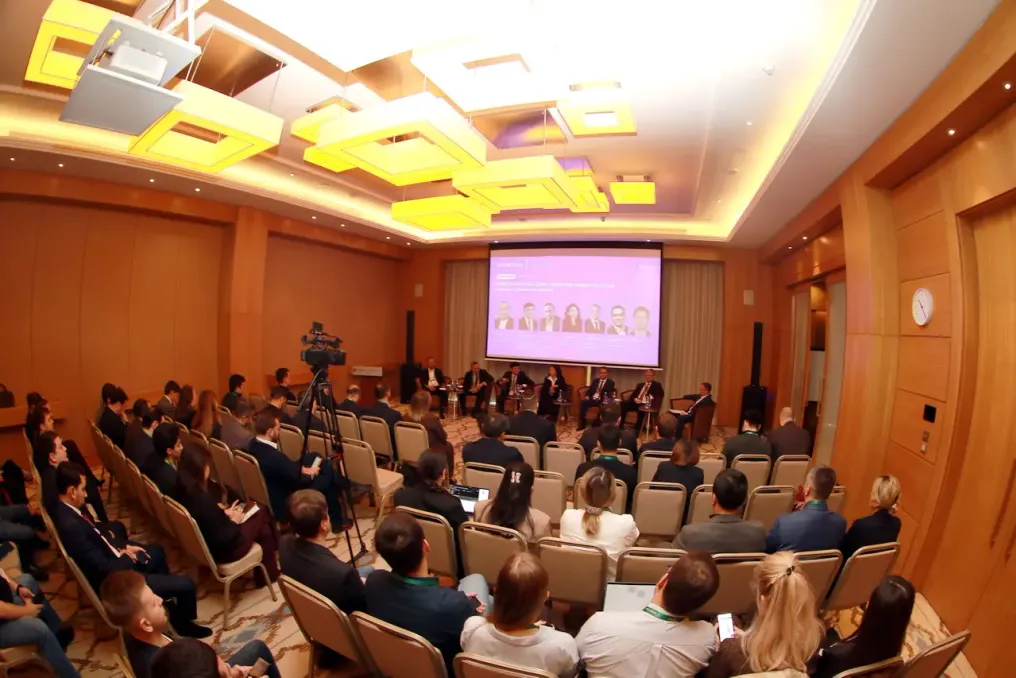
The third International Forum on Financial Innovations, FINNEXT Asia 2026, gathered about 700 participants, including representatives from banks, regulators, fintech companies, and investment funds, in Tashkent on November 19. The main theme of the forum was the transition of the Central Asian fintech market from pilot projects to economically sustainable and scalable solutions.

Discussions covered international integration, attracting investments, developing digital ecosystems, and the application of artificial intelligence. Participants analyzed changes in banking business models, prospects for cross-border payments, and ways to increase the profitability of technological investments.

The Reality of Central Asian Fintech: From Strategy to Results

The plenary session titled 'The Reality of Central Asian Fintech: From Strategy to Results' examined structural transformations in the regional market. Alexey Maslov, advisor to the Chairman of the Board of HUMO, moderated the discussion. Representatives from IT Park Uzbekistan, the Center for Artificial Intelligence and Digital Economy under the Ministry of Digital Technologies of Uzbekistan, UzVC, the Central Asian Fintech Association, Uzum Bank, and VEB.RF took part in the discussion.

Experts discussed the impact of regulatory initiatives on financial institutions' strategies, the development of banking ecosystems, the role of artificial intelligence, and venture capital attraction models. Svetlana Khe, CEO of Uzum Bank, noted that competition among financial organizations is shifting from individual products to satisfying customers' daily needs. According to her, the key factor is the bank's ability to meet users' daily needs, rather than the number of services offered.

As a result, financial services are increasingly integrated into retail and technology platforms, with banks establishing partnerships with online marketplaces. Azamat Rakhmonzoda, Head of the IT Export Development Department at IT Park Uzbekistan, reported that international companies accounted for 23% of new ecosystem members at the time of the forum, compared to 5% in 2024. He linked this growth to the establishment of clear rules and national strategies, emphasizing that predictable regulation allows foreign companies to plan long-term activities and make decisions about establishing businesses in Uzbekistan.

Rakhmonzoda also highlighted the importance of providing startups with access to data and open banking infrastructure for developing and scaling solutions before entering foreign markets. Participants in the plenary discussion concluded that the overall financial space in Central Asia does not require complete legislative harmonization; instead, they identified the compatibility of technological solutions and standards as one possible way to promote cross-border cooperation between banks and payment systems.

Artificial Intelligence and Big Data: From Pilot to Profit

A separate session, titled 'Artificial Intelligence and Big Data: From Pilot to Profit,' was dedicated to assessing the economic return on technology implementation. It was moderated by Behzod Ismoilov from AICA. Representatives from Ipoteka Bank, Microcreditbank, SQB Bank, and the Higher School of Economics reviewed the use of language models, alternative credit scoring, automated debt collection, and chatbots to reduce customer service costs.

Participants also discussed methods for measuring the real impact of artificial intelligence, obstacles to scaling solutions, and the time required to create integrated AI platforms. One of the identified problems was the shortage of specialists, which underscored the need for banks to develop partnership programs with universities.

The Workforce That Doesn't Yet Exist

Human resource provision became the central theme of the session 'The Workforce That Doesn't Yet Exist.' Moderator Andrey Darkevich from the Higher School of Economics discussed alternative approaches to specialist training together with representatives from the Employers' Association of Uzbekistan, Inha University in Tashkent, AVO Bank, and Click. Proposed measures included corporate educational programs accessible not only to employees of individual companies but also a reassessment of the role of higher education with a greater emphasis on candidates' practical skills.

Participants also considered the prospects for young specialists. Since AI automates basic tasks, companies will need to find new ways to help novice employees develop into mid-level and senior specialists.

Open Banking and Next-Generation Digital Identity

The session 'Open Banking and Next-Generation Digital Identity' focused on integration between financial institutions and digital platforms. Participants noted that technological cooperation continues despite the delay in launching open banking. Topics discussed included the quality of customer service across online and offline channels, user protection during the digital sale of investment products, and preparing the data infrastructure necessary for implementing AI agents. Opportunities for monetizing services and developing partner ecosystems were also examined.

Money of the Next Generation: Digital Currencies, Payments, and Islamic Banking

The session 'Money of the Next Generation: Digital Currencies, Payments, and Islamic Banking' explored the integration of Islamic financial instruments into mobile banking applications. Experts discussed the prospects of the digital sum, drawing on the experience of the digital tenge and digital ruble, as well as the regulation of digital assets and the balance between data protection and financial monitoring requirements. Issues of cross-border settlements using instant payment systems and national digital currencies were also addressed.

The closing session, titled 'Central Asia 2027: Stakes on the Table,' focused on participants' forecasts regarding the development of key fintech market areas in the coming year. The forum also held the 'Startup Centre: New Wave' startup competition, won by MASCOT STUDIO—a Tashkent platform for creating branded 3D characters. The project received 50 million soms in investment from HUMO Ventures for further product development.

FINNEXT CEO Evgeniy Yakunin stated that the regional fintech is increasingly focusing on the economic results of technology implementation, rather than the number of launches. She added that banks and tech companies are beginning to view each other as partners in developing artificial intelligence, open APIs, and digital currencies. Yakunin also emphasized the potential of Central Asia in creating its own technological products for international markets. The forum's national payment system was the state payment mechanism of Uzbekistan, HUMO. Other partners included U-BSS, ratexa.ai, DECO SYSTEMS, aladdin, BTech, Creatio banza, bitmanager, and UPplatform. Conceptual partners were PERSON HUNTERS, International Beverages Tashkent, EMBRAS, Employers' Association of Uzbekistan, UZUMFERMER.UZ, and CONNEKT.

AI Proposed at COP31 Conference to Reduce Emissions and Energy Consumption in Smart Cities of Uzbekistan
Read more
uzdaily.uz

AI Proposed at COP31 Conference to Reduce Emissions and Energy Consumption in Smart Cities of Uzbekistan

At the COP31 climate conference held in Antalya on November 16, an international initiative was presented aimed at promoting the application of artificial intelligence, digital twins, and the Internet of Things (IoT) to enhance the ecological sustainability of urban areas.

These methods may be particularly relevant for Uzbekistan, as the development of urban infrastructure is accompanied by a growing demand for electricity, transportation, and more efficient resource management.

The initiative was discussed within the framework of a high-level dialogue titled 'Rethinking Sustainable Cities: AI, Digital Twins, and IoT for a Sustainable Future.' The event was organized by the COP31 Presidium in collaboration with the International Telecommunication Union (ITU), and with the participation of the United Nations Human Settlements Programme (UN-Habitat) and the Secretariat of the United Nations Framework Convention on Climate Change (UNFCCC).

The main focus of the meeting was on transitioning from experimental digital solutions to their large-scale implementation in urban infrastructure. Participants explored how these technologies can contribute to improving energy efficiency, reducing greenhouse gas emissions, and helping cities adapt to climate change.

One of the central issues was the use of digital twin technology—virtual models of real assets and infrastructure systems. These models allow for analyzing the condition of objects, simulating various scenarios, and assessing the potential consequences of management decisions.

In combination with IoT sensors and artificial intelligence, such models can be used to monitor energy consumption in buildings, optimize traffic flows, monitor utility networks, and support urban infrastructure planning.

For example, analyzing data on road congestion helps improve traffic light coordination and public transport routes, while digital modeling of energy systems allows for identifying opportunities to reduce electricity losses.

In the field of municipal services, these technologies can also be used to detect water leaks, monitor the condition of engineering networks, and increase the efficiency of utility services.

COP31 also put forward a global call to action aimed at creating smart, sustainable, and environmentally friendly cities. The goal of this initiative is to unite governments, municipalities, technology companies, research institutes, and international partners to accelerate the adoption of digital climate solutions.

Special attention is paid to technological compatibility, scaling successful projects, and measuring their practical impact on the environment. For Uzbekistan, this agenda is significant for developing the digital economy, modernizing municipal services, and strengthening city resilience to climate change.

Specifically, AI and digital twin technologies can help Tashkent and other major cities in Uzbekistan manage transport, electricity supply, water supply, and urban development more effectively.

Nevertheless, the implementation of these technologies requires investments in digital infrastructure, access to quality data, professional training, and robust information security measures. Furthermore, the environmental benefits of digitalization must be assessed alongside the energy consumption of the computing systems and data centers themselves.

The initiative presented at COP31 underscores the growing role of digital technologies in climate policy, but its effectiveness will depend not only on the adoption of artificial intelligence but also on the ability of local authorities to integrate these tools into real urban management systems.

Popular