Protests by workers in Bangladesh's textile industry have continued for the 26th day. Workers rejected the announcement of a new minimum wage of 17 thousand Taka, which was made late on Tuesday.
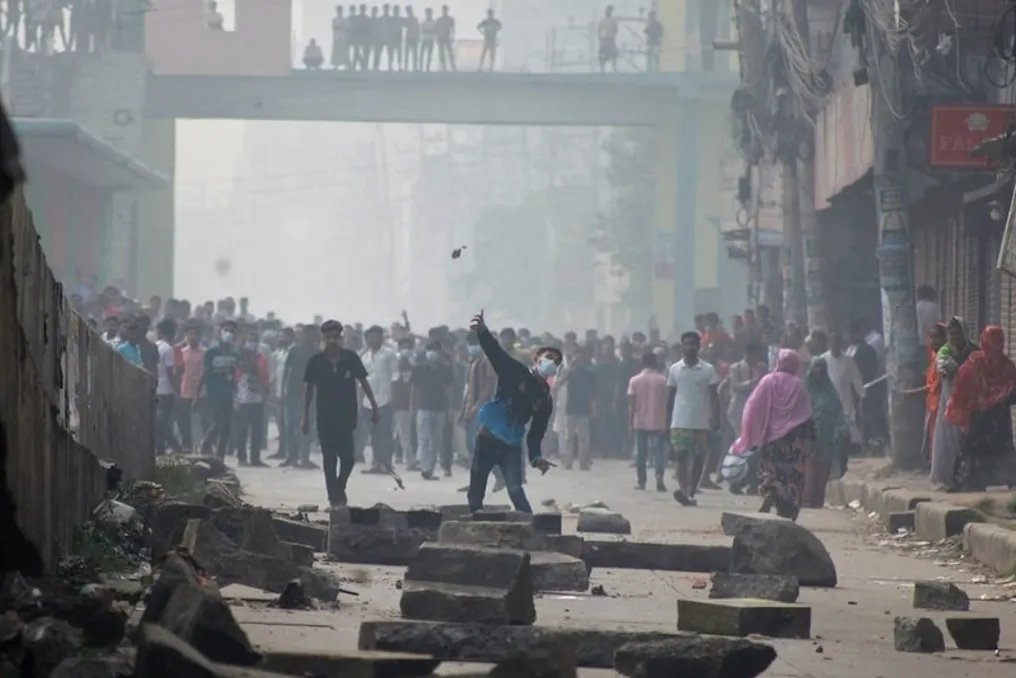
Dissatisfied workers staged blockades on two major highways in Gazipur. Protesters gathered in the areas of Naozor, Bogra, Chandana Chauraha, and Chaidan on the Dhaka-Tangel and Dhaka-Maimansing highways.
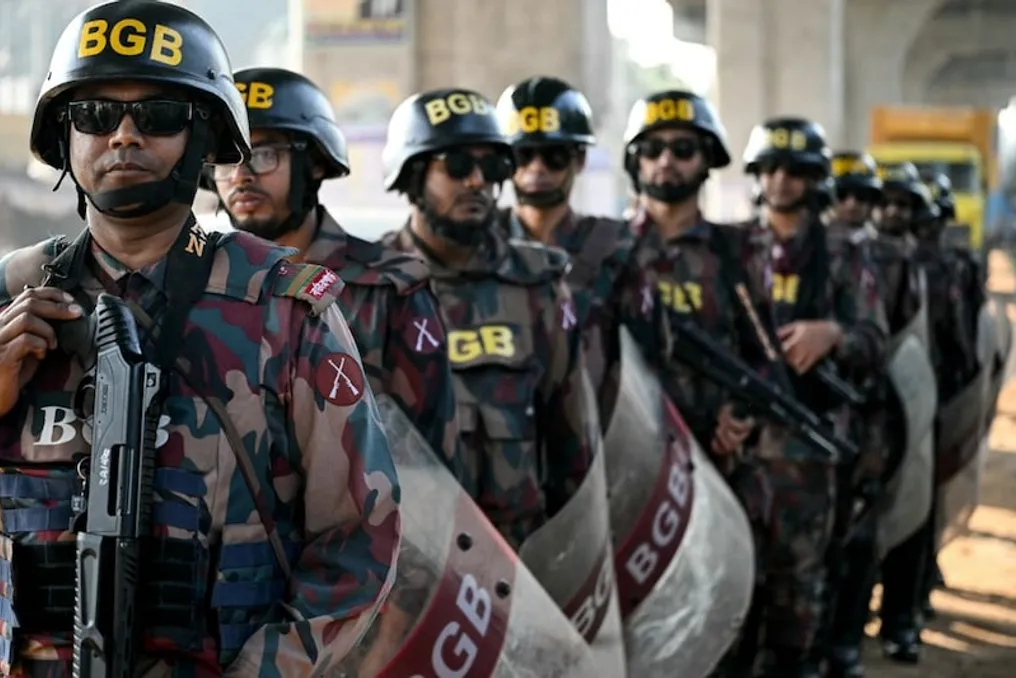
As a result of the demonstrations, traffic on both highways was disrupted, leading to severe congestion in both directions. Security forces used tear gas and sonic grenades to disperse the protesting workers. Reports were also received about protests and work stoppages at many factories in the Savar-Ashulia area.
Due to the strike by workers in the industrial zones of Gazipur and Savar-Ashulia, at least 87 factories are closed. Production in the textile industry is suffering due to the prolonged deadlock over the minimum wage.
Workers demand an increase in the current minimum wage from 12,500 Taka to 30,000 Taka. They argue that with rising prices, food costs, rent, and other necessary expenses, it is impossible to support a family on the current salary.
Putting forward their demands, thousands of workers took to the streets in Dhaka, Gazipur, Ashulia, and Savar, blocking highways. Police used tear gas, stun grenades, and batons to deal with protesters. Clashes with the police, stone-throwing, and arson of vehicles occurred in some places.
Hundreds of textile factories have been affected by the strike. Textile producers initially planned to offer a wage increase of approximately 15 percent compared to the workers' demand of 30,000 Taka. It is estimated that the strike will cause losses of about $42.8 million for 317 factories. The protests by workers in Bangladesh's textile and garment industries have been ongoing for 24 days.