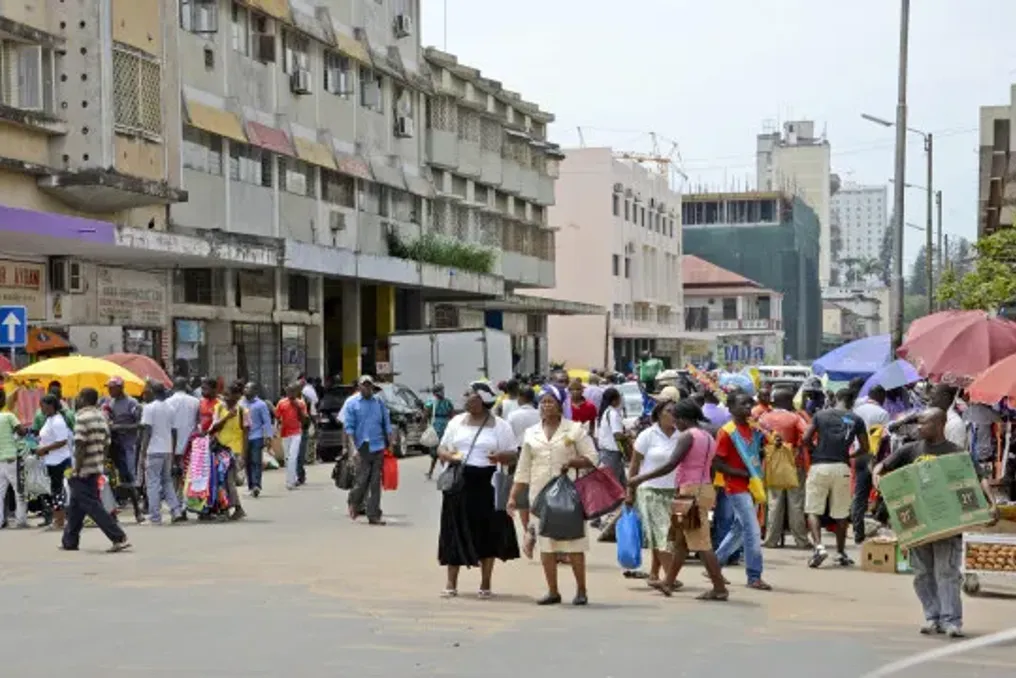
Mozambique activates preventive measures against severe drought in four provinces due to climate forecast
Read more
Noticias ao Minuto
noticiasaominuto.com

Mozambique activates preventive measures against severe drought in four provinces due to climate forecast

The National Institute of Meteorology (Inam) of Mozambique has placed several districts in the phase of activating preventive measures against a severe drought projected for the first quarter of 2027. The affected provinces include Gaza, Maputo, Sofala, and Nampula.

According to the monitoring bulletin of early action plans for drought, released by Inam, the districts of Chicualacuala, Mágude, Manapi, Massangena, Chókwè, Mandlakazi, and the city of Beira itself were classified in the 'Set' phase to deal with the severe drought. This classification refers to Window 2 of the 2026/27 rainy season, which covers the period from January to March 2027.

The institute clarifies that the 'Set' phase implies the start of Early Action Plans (PAA) and the application of protective measures aimed at reducing the damage caused by the dry spell. This alert system is based on seasonal climate forecasts provided by the European Centre for Medium-Range Weather Forecasts (ECMWF).

Inam uses the 'Ready, Set and Go' logic, where the 'Ready' phase indicates a state of preparation, while the 'Set' phase signals that the predicted risk justifies authorities and partner entities initiating preventive actions.

This alert comes at a time when a recently published international report classified Mozambique among the countries at highest risk in Southern Africa regarding the El Niño-Southern Oscillation (ENSO) event. The effects of this phenomenon are expected in early 2027, bringing intense rains to the north and severe drought to the south of the country.

In the section dedicated to the region, the November Global Update on ENSO, prepared by the Global Working Group on ENSO of the Inter-Agency Standing Committee (IASC), points to Mozambique, along with Malawi, Zimbabwe, Zambia, Madagascar, and Angola, as being among the most vulnerable countries in the area, predicting 'drier and hotter than average' conditions during the current season.

The document cites estimates from the Mozambican Government that 2.22 million people could be impacted by the consequences of this climate phenomenon, making it one of the highest numbers among the nations analyzed regionally.

According to the report, Mozambique has already updated its national contingency and preparedness plans, integrating the group of countries where early measures have been activated to mitigate the effects of El Niño, with support from international humanitarian partners.

The analysis also warns of possible damages to agricultural production, water availability, and food security, mentioning that humanitarian access remains restricted due to instability in certain areas of northern Mozambique.

Additionally, the report highlights the release of two million dollars (equivalent to 1.7 million euros) through the Mozambique Humanitarian Fund, intended to assist local non-governmental organizations in carrying out preventive interventions.

The authors predict that the most serious humanitarian impacts of the current El Niño episode will manifest after the April 2027 harvest, with needs expected to peak between November 2027 and March 2028.

The update also informs that this episode may be one of the most intense ever recorded, as the World Meteorological Organization (WMO) predicts a thermal anomaly of approximately 3.8 degrees Celsius between November 2026 and January 2027, peaking in December and extending its effects throughout 2027.
Similar stories

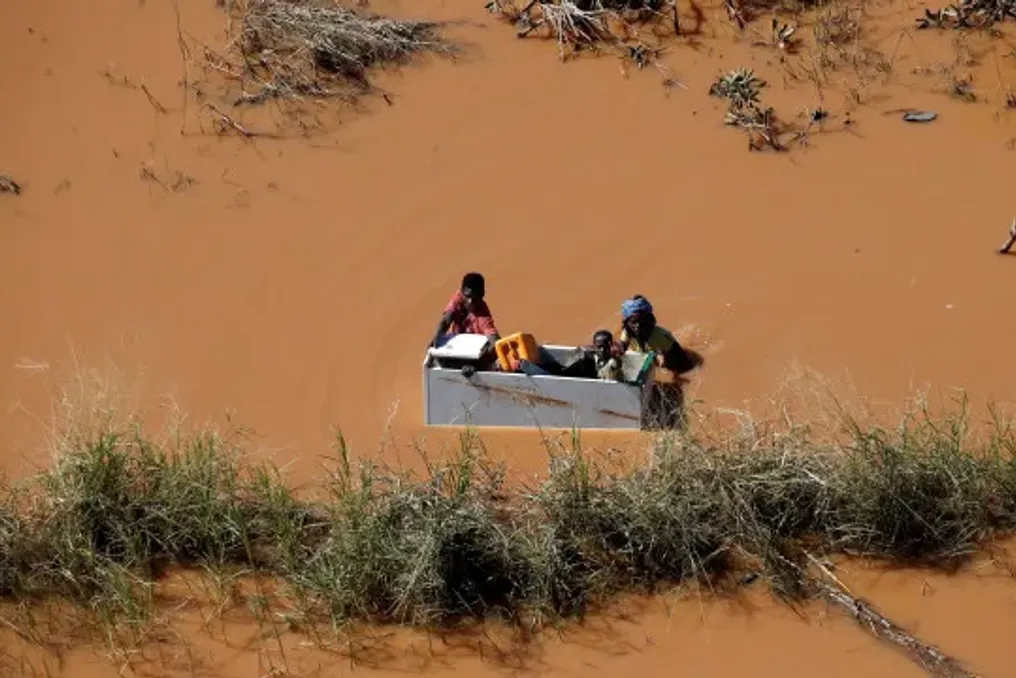
Mozambique is among Southern African countries under cholera threat due to the El Niño phenomenon
Read more
noticiasaominuto.com

Mozambique is among Southern African countries under cholera threat due to the El Niño phenomenon

An international report classified Mozambique among the three Southern African countries where humanitarian organizations need to intensify sanitary surveillance due to the increased risk of cholera outbreaks and other diseases linked to the El Niño event.

This alert was detailed in the November 2026 Risk Bulletin published by the international humanitarian organization Action Against Hunger. This bulletin analyzes health and humanitarian risks in various parts of the globe and aids in proactive preparation for such situations.

In the section dedicated to Southern Africa, the report's authors suggest implementing preventive measures in Mozambique, Zambia, and Zimbabwe, anticipating the worsening of climatic conditions caused by El Niño. According to the document, projections indicate 'late and below-average rainfall, long periods of drought, and above-average temperatures,' a scenario that could impact water availability, agricultural production, and food security.

The report warns that these circumstances 'have the potential to raise the risk of waterborne disease outbreaks, such as cholera, and other infections,' especially in areas where sanitation and water supply systems are already fragile.

Specifically for Mozambique, the document points to a combination of elements increasing population susceptibility: 'Conflict, population displacement, and food insecurity are increasing vulnerability to malnutrition and communicable diseases.' It is emphasized that risks are higher among displaced persons and host communities, particularly in the northern regions of the country affected by armed violence.

The bulletin also mentions that 'drought and irregular precipitation patterns can further restrict access to safe water and food,' which exacerbates public health and nutrition problems. Furthermore, the document cites reports of diarrheal diseases and warns of worsening child malnutrition, advocating for early interventions in the health, nutrition, water, sanitation, and hygiene sectors.

This warning comes after Mozambique faced one of the most extensive cholera epidemics recently. Data provided by the National Directorate of Public Health shows that between September 2025 and August 2026, the country recorded 9,708 cases and 91 deaths, with the provinces of Nampula, Tete, and Cabo Delgado having the highest numbers.

At the beginning of 2026, during the peak of the outbreak, there was active transmission of the disease in at least 42 districts, mainly concentrated in the central and northern areas, with over 100 daily cases. The spread decreased after the end of the rainy season in April, ceasing records of hospitalizations and new daily cases.

However, cholera remains a constant threat in Mozambique, linked to limitations in access to potable water, inadequate sanitation conditions, and the effects of extreme weather events, including floods, cyclones, and droughts. In response to the recurrence of outbreaks, the United Nations approved an anticipatory action mechanism for cholera in Mozambique this year, aiming for rapid mobilization of funds for prevention before outbreaks worsen.

For Action Against Hunger, the combination of unfavorable climatic conditions, population movement, food insecurity, and weaknesses in water and sanitation services justifies strengthening preparedness in Southern Africa in the coming months, placing Mozambique among the priority countries.

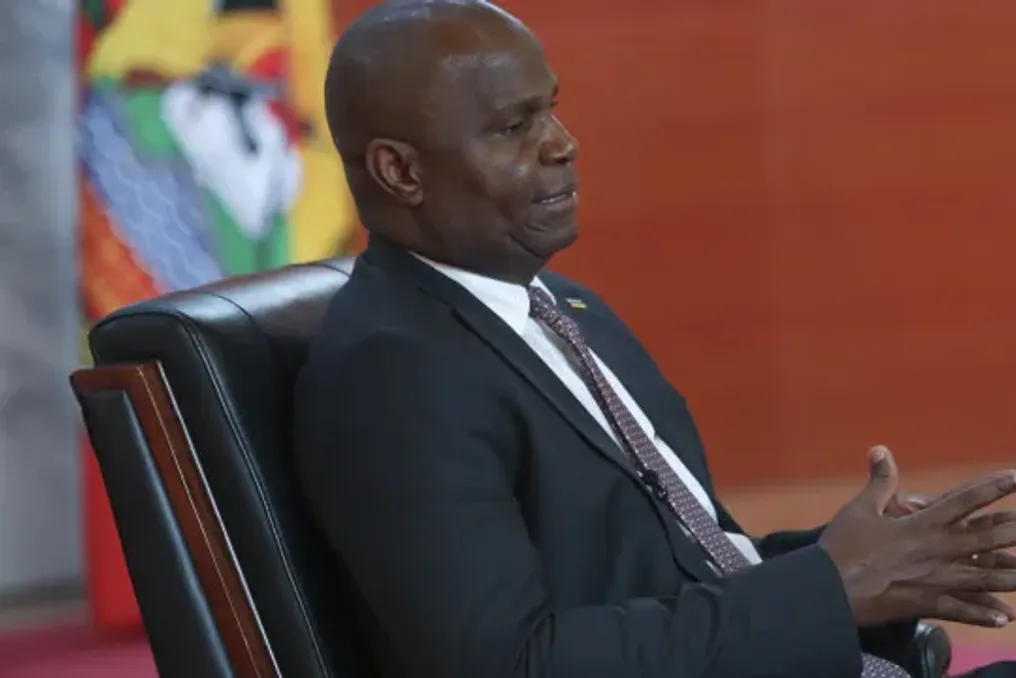
Mozambique requests 33.5 billion euros to enhance climate resilience over the next 10 years
Read more
noticiasaominuto.com

Mozambique requests 33.5 billion euros to enhance climate resilience over the next 10 years

The President of Mozambique called for the allocation of 33.5 billion euros to strengthen the country's climate resilience over the next decade. This request comes against the backdrop of registering more than 76 natural disasters in the last 25 years.

During the 31st United Nations Climate Change Conference (COP31), held in Turkey, Daniel Chapo stated that Mozambique requires approximately $37.2 billion (equivalent to 33.5 billion euros) over the next decade to enhance resilience and protect its population. He appealed to bilateral and multilateral partners, as well as other stakeholders, for support.

The head of state noted that between 2000 and 2025, Mozambique suffered from over 76 climatic events, including floods, inundations, and cyclones, resulting in human and economic losses exceeding $4.5 billion (€4.1 billion).

In light of this situation, the president emphasized that climate change adaptation and disaster risk reduction are strategic priorities. A National Adaptation Programme has been adopted, focusing on strengthening early warning systems and integrating the climate aspect into local planning. The country has at least 141 local adaptation plans and over 1,500 local disaster risk management committees.

In addition to Mozambique, Daniel Chapo urged the international community to increase support for African countries in risk prevention and building resilience under the concept of 'climate justice and climate finance.'

In the context of the tenth anniversary of the Paris Agreement, the Mozambican president also highlighted the need for major economies to take the initiative in reducing emissions and fulfilling their commitments on climate finance.

Mozambique is considered one of the most vulnerable African countries to the effects of climate change, regularly facing tropical cyclones, floods, and severe storms. According to data from the National Institute of Disaster Management and Risk Reduction (INGD), the last rainy season, which ran from October 2025 to April 2026, resulted in 311 deaths and affected about 1.07 million people.

Popular