Bicycle safaris in Nyika National Park, Malawi
Read more
Getaway
getaway.co.za

Bicycle safaris in Nyika National Park, Malawi

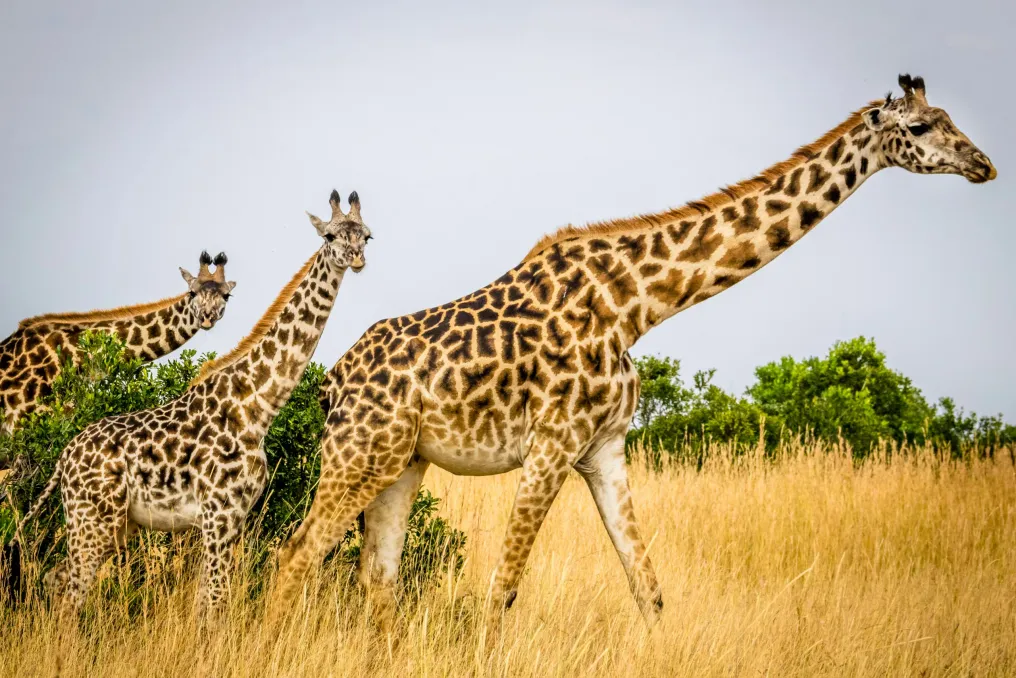
When cycling in Nyika National Park, which is the largest national park in Malawi, every ascent requires slowing down the pace. Reasons for this include the climb itself, the altitude felt at this height, and the possibility of spotting zebras on the opposite slope. After reaching the summit, it is recommended to stop and view the valley before descending to the other side.

The highlands of this park rise above 2500 meters. Streams flow through the hills, and patches of evergreen forests are located in the protected folds of the plateau. Although the country looks open from afar, the ride allows for a detailed examination of landscape changes from one slope to another.

Central African Wilderness Safaris organizes mountain cycling tours from both Chelinda Camp and Chelinda Lodge. The operator adapts the route and pace to the cyclists, taking into account the equipment and conditions on the plateau. Guests have the option to request a shorter ride if they are novices on gravel, or a longer one if they came specifically for the climbs. When booking, you should clarify the availability of bicycles and helmets, the estimated duration of the trip, and guide accompaniment.

It is easy to mistakenly assume that riding through rolling hills will be leisurely. However, the number of such hills necessitates allocating time for ascents and stops between them. The sight of a herd in the distance serves as a sufficient reason to stop and use binoculars.

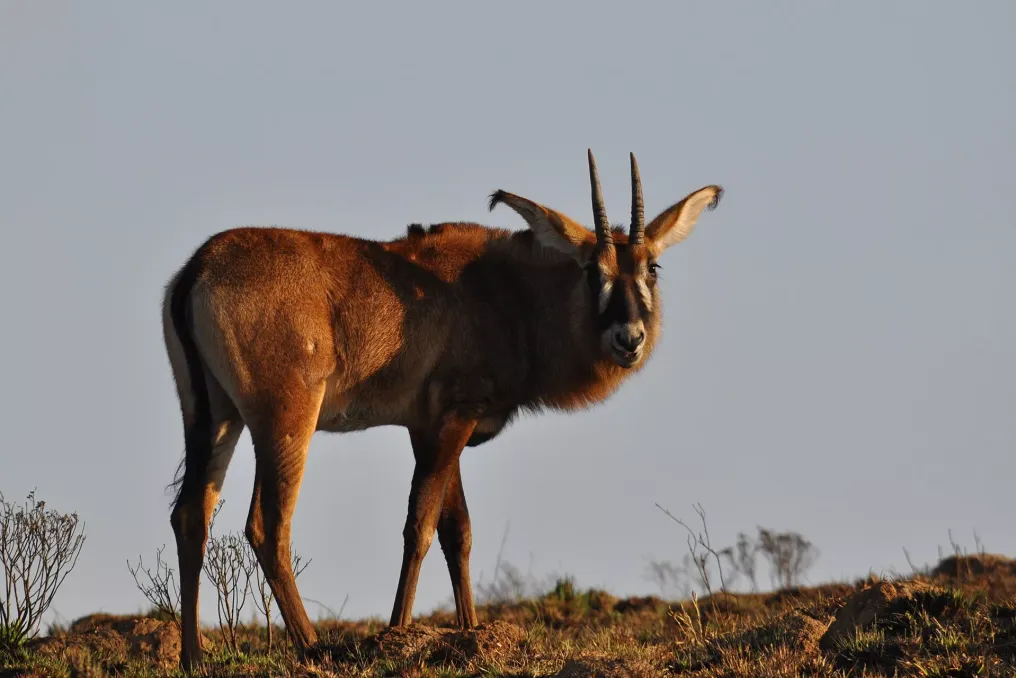
The plateau is home to animals such as Kruger's zebra, Roan antelope, and eland. In open areas, it is worth observing distant slopes as well as the grass near the road. Ornithologists should look for the Denham's bustard in the grasslands, and among the registered species are crowned cranes. Chelinda also offers day and night safaris, allowing you to spend the morning cycling and later viewing another part of the park by transport.

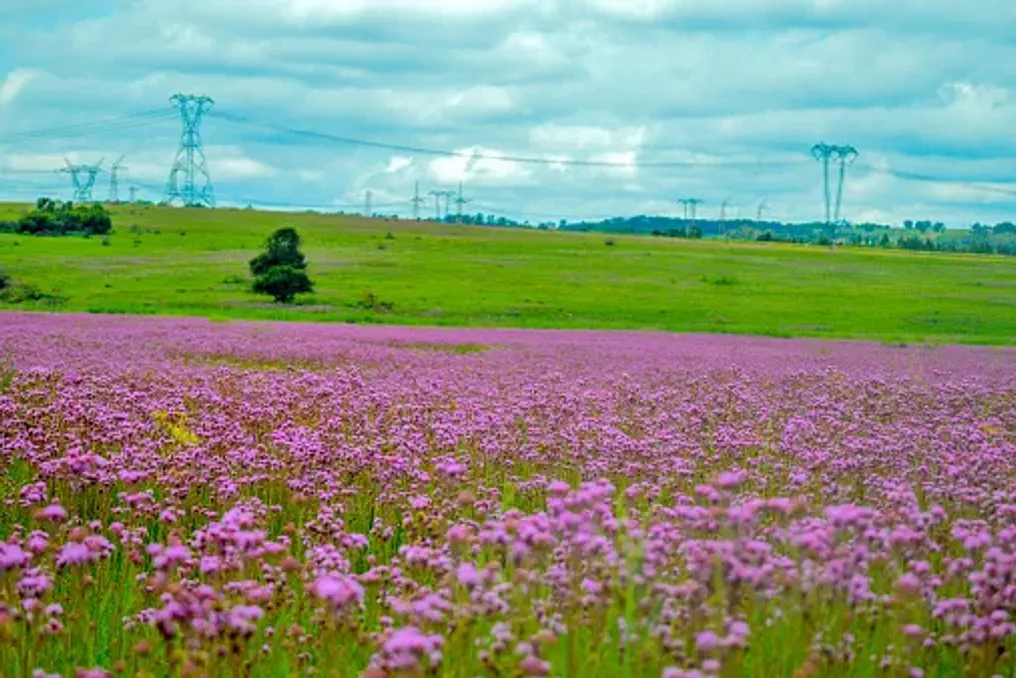
The best time for orchid blooming in Nyika is from December to March or April. Rains revitalize the meadows and bring out other wildflowers, but fog and rain can reduce visibility during the ride. If the main goal is cycling, you should ask Chelinda about the condition of the tracks for the intended dates. Regardless of the season, warm clothing must be taken, as evenings on the plateau can be cold, and frost occurs here.

Chelinda Camp has rooms, cottages with self-catering facilities, and camping. Chelinda Lodge offers cabins and full-service accommodation. Three nights allow you to combine cycling and safari with some flexibility in case of weather changes. If you are arriving from Rumphi via Tazima Gate, you must coordinate the road conditions and vehicle requirements with Chelinda in advance. The Nyika-Vwaza Trust park guide advises using four-wheel drive year-round and having enough fuel for the return journey and movement within the park.

You must allow extra time for the return journey. The slope you ascended on the way there may have cleared of fog by that time, or zebras may be grazing there instead of the grass you saw in the morning. Since you have already made the ascent, it is worth lingering for a few minutes to see what is happening there.

Similar stories

Rietvlei Nature Reserve Offers Opportunity to See Wildlife Near Pretoria
Read more
getaway.co.za

Rietvlei Nature Reserve Offers Opportunity to See Wildlife Near Pretoria

Not far from the busy streets and expanding suburbs of Pretoria lies a landscape composed of open grasslands, wetlands, and wildlife, serving as an unexpected refuge from urban hustle. In Rietvlei Reserve, the urban environment gives way to wide skies, quiet water, and the opportunity to observe animals during a leisurely drive through the area.

Spanning approximately 4,000 hectares, Rietvlei is one of Tshwane's important conservation areas, protecting endangered plant species, water systems, as well as a vast diversity of wild animals and birds. The reserve was established in 1929 and serves as a reminder that wildlife does not always require a long journey into the countryside; sometimes it is right on the edge of city limits.

Whether you are visiting for a morning wildlife drive, a birdwatching tour, a picnic by the dam, or an organized nature event, Rietvlei offers a chance to slow down and experience the natural landscapes that remain part of Pretoria's urban setting.

History and Ecological Significance

Rietvlei Reserve has an unusual history connected to the region's water supply. It was originally part of the water supply scheme intended to provide drinking water to Tshwane, and its landscape continues to play a vital role in protecting natural habitats and water systems.

Today, the reserve covers approximately 4,000 hectares of grassland and wetland ecosystems. Its location within a rapidly developing urban environment makes its conservation function particularly significant, as this area protects an ecosystem that the City of Tshwane describes as being in critical condition.

The reserve safeguards rare flora, fauna, and avifauna, while its wetlands and open grasslands form a diverse natural landscape available for visitors to explore. Its proximity to Pretoria also makes conservation efforts tangible for people who would otherwise have to travel much further to see wildlife and natural habitats.

Wildlife Viewing Opportunities

One of Rietvlei's main advantages is the ability to encounter wild animals without traveling far from the city. The reserve's grasslands, wetlands, and open spaces support various large mammals, making self-guided animal observation an attractive way to spend several hours outdoors.

Visitors may encounter eland, buffalo, white rhinos, red hartebeest, Barchid zebra, black hartebeest, gemsbok, hippos, rhinoceroses, and jackals. The reserve also supports several nocturnal species, including aardvark, serval, civet, aardwolf, brown hyena, and hedgehog.

With about 30 km of roads for self-driving, Rietvlei allows guests to explore the area at their own pace. This experience is more focused on observing the unfolding landscape, scanning the grasslands, and following the edges of the wetlands than on rushing between animal sightings.

The reserve's roads allow for safe animal viewing from inside a vehicle. Visitors are advised to drive slowly, show respect for wildlife and other road users, remembering that animals always have the right of way.

An encounter might include a herd of grazing zebras, buffalo crossing an open veld area, or hippos visible near the water. As with any wildlife reserve, encounters are not guaranteed, so patience is part of the experience.

Birdwatching

While large animals attract many visitors, Rietvlei is also a valuable spot for bird enthusiasts. Its wetlands and grasslands create a habitat for an impressive diversity of bird species; around 350 species are recorded in the reserve.

The variety of habitats allows for the observation of birds associated with water, open grasslands, and other natural conditions. From migratory waterfowl around the wetlands to birds foraging on the grasslands, the reserve offers an interesting backdrop for year-round birdwatching.

Rietvlei features six hides accessible along the self-drive routes, allowing visitors to stop and observe birds without disturbing the environment. These hides provide an opportunity to spend time watching the landscape rather than just driving through it. It is recommended to bring binoculars, a bird guide, or a bird identification app and allocate time to observe the quieter details of the reserve.

Visiting Options

Self-drive routes make the reserve accessible to those who wish to explore the area without booking a guided tour. A leisurely drive through the landscape allows for wildlife viewing, photography, and stops at designated spots.

A visit can be short or long, depending on the visitor's time and what they hope to see. Morning visits allow exploration before it gets too hot, while a slower walk might include visiting hides and stopping at the picnic area.

Visitors should stay on marked roads, avoid driving off the veld, and remain inside vehicles while viewing animals unless they are in authorized areas such as hides or special points of interest.

Rietvlei offers more than just wildlife viewing, making it a suitable place to satisfy various interests and ways to spend a day outdoors. The Marey's Dam picnic area provides a place to rest between exploring the reserve. It has barbecue facilities, allowing visitors to plan a relaxing break combining wildlife viewing with outdoor dining.

This area is suitable for those who want to spend the whole day in the reserve, although reserve rules apply, including restrictions on alcohol, loud music, pets, and large groups. Visitors should also check the picnic area operating hours before arriving.

For visitors interested in landscape study, there are guided walking tours offering a different way to explore Rietvlei. These hikes focus on nature and interpretation rather than physical fitness, allowing participants to learn about the reserve's environment. Advance booking is required, and the reserve's daytime walks are currently limited to groups of six to 15 people, with participants needing to be over 12 years old. A roughly four-hour experience offers a deeper immersion into exploring the reserve on foot.

Those seeking a more structured wildlife viewing experience can book guided tours during the day or night. Daytime trips usually last two to three hours, providing an opportunity to learn about the reserve and its animals while exploring with a guide. Night trips, available seasonally from September to May, offer a different perspective on the reserve and its nocturnal fauna. Both options require booking and adhere to minimum and maximum group sizes.

Rietvlei Reserve is managed by the City of Tshwane, and visiting hours vary depending on the season.

Operating Hours

September – March: 05:30 to 19:00. Last entry permitted at 17:00.

April – August: 06:00 to 18:00. Last entry permitted at 16:00.

The reserve has special operating hours on Mondays and Wednesdays from May to August, opening at 11:00 for animal management purposes, provided the day is not a public holiday. Visitors should check the latest information regarding operations before traveling, especially when planning tours or visiting during seasonal changes.

Rietvlei is a protected area, and visitors are expected to respect its wildlife and environment. The speed limit in the reserve is 30 km/h, and animals always have priority. Visitors must remain in their vehicles while viewing animals, except in designated areas, and are prohibited from feeding animals, pulling up plants or animals, littering, swimming, or fishing. Pets, drones, and loud music are also forbidden.

Currently, only bank cards are accepted at the reserve entrance, so visitors should plan their trips accordingly. For updated information on entrance fees, event bookings, and visitor information, please refer to the official Rietvlei Reserve website of the City of Tshwane before visiting.
Hiking and cycling tours offered in Mbuluzi Reserve in Eswatini's bushveld
Read more
getaway.co.za

Hiking and cycling tours offered in Mbuluzi Reserve in Eswatini's bushveld

In Mbuluzi Reserve, visitors can combine morning mountain biking trips with the option of taking a guided hike with binoculars. Both activities are independent, allowing visitors to stop and observe interesting sights as they are discovered.

This reserve is located near Simunye, in northeastern Eswatini, close to Mlula Reserve. The landscape here is diverse: ranging from open savannas to rocky cliffs and dense riverine forests, with trails and game viewing roads winding along the Mlula River. Among the animals worth spotting are giraffes, zebras, nyala, kudu, and wild boar.

The hiking routes in Mbuluzi are interconnected, enabling both short walks and longer treks. Some quiet jeep tracks are also suitable for hiking. Guests staying in lodges can start their journey directly from their accommodation. Daytime visitors are advised to use the northern map, which indicates the trails and viewpoints available on that day.

Time should be allocated for visiting the birdwatching hide. The reserve has recorded over 300 species of birds, including the African finch and the narin's trogon. Although the finch is a rare sight, the prospect of seeing it is worth bringing binoculars and spending time by the water from the shelter. Since Nile crocodiles inhabit both rivers, visitors should check with the administrator about crossings before choosing a route and stay away from the water's edge.

There is a combination of narrow trails and wider jeep roads, offering the option for a short ride and dedicating some time to wildlife spotting. Visitors can consult the administration for advice on suitable routes depending on available time and comfort level on a mountain bike. You can bring your own bicycle or inquire with the administration in advance about rental options; the reserve has bicycles for both adults and children.

For a longer trip, Mbuluzi offers a loop route of approximately 42 km to Magadazwane Lodge via the neighboring Mlula Reserve. This route involves a significant ascent, and Mlula Reserve charges a separate conservation fee. If this route interests you, you should check the details and availability with the administration before starting your journey.

If planning an overnight stay, you can alternate between morning bike rides and hikes the following day. You can revisit a section driven the previous day or spend another half hour at the birdwatching hide. The advantage of Mbuluzi is that there is enough time during the day to see a giraffe, hear birds singing, or change plans due to a turn on the road.

Rubondo Island: An Alternative Safari Experience in Lake Victoria, Tanzania
Read more
getaway.co.za

Rubondo Island: An Alternative Safari Experience in Lake Victoria, Tanzania

On Rubondo Island, a morning safari might begin with the guide stopping to listen to chimpanzees. By noon, you can take a boat trip to observe a kingfisher working near the shoreline. These two types of excursions allow exploration of completely different areas within one small corner of Tanzania, where evergreen forest meets the shallow waters of Lake Victoria, framed by papyrus.

Rubondo is located in the southwest of the lake. The national park protects the main island, smaller islands, and the surrounding waters. Although travel by vehicle is still possible here, it is recommended to allocate time for hiking and boat trips. Some of the most interesting wildlife on the island is hidden in places that are difficult to spot from a car.

The chimpanzees of Rubondo have an unusual history. Between 1966 and 1969, the Frankfurt Zoological Society released groups of wild chimpanzees previously kept in captivity in Europe. Chimpanzees had not inhabited Rubondo before this. The released animals learned to find food in the forest and build nests in trees, after which rangers began noticing infants born on the island. Today, their descendants live here in the wild.

This history adds significance to organized hikes. You walk through the forest where the first chimpanzees learned what they could eat and where to sleep. Observing their offspring still requires luck. They move through the dense forest searching for food, and the park team acclimates them to the presence of observers without feeding them or using recorded sounds to attract them. You might hear them before you see them, so it is worth doing what your guide does—stopping to listen.

If you only have time for one trip after the chimpanzee trek, choose a boat safari. From the water, you can spot the sitatunga, a shy antelope inhabiting the swamps among the papyrus. Hippos are found in the shallows, and crocodiles line the shore, while African fish eagles and kingfishers provide a good reason to keep binoculars ready. Otters with spotted necks also inhabit the area, if you are lucky enough to see them above the water.

It is also worth dedicating time to an organized forest walk. Since there is no specific animal to track, you can stop and look around carefully when a colobus monkey moves through the trees or when a bushbuck appears at the edge of the forest. It is a wonderful day, especially if you arrive immediately after an intense Serengeti tour.

Popular