Google denies mass layoffs in India rumors, clarifies only about 30 positions cut in Google Cloud
Read more
Aaj Tak
www.aajtak.in

Google denies mass layoffs in India rumors, clarifies only about 30 positions cut in Google Cloud

Google has denied reports on social media regarding large-scale layoffs in India. Google stated that the reduction occurred as part of a minor organizational change within Google Cloud, resulting in the elimination of approximately 30 positions.

This clarification comes amid general uncertainty in the technology and IT sectors across several countries. Google has also expanded voluntary separation offers for employees in multiple countries.

The official Google Cloud India account on X (formerly Twitter) responded to a user claiming that 'very large-scale' layoffs had taken place at Google India. The company reported that 'these rumors are completely false.' It was clarified that last week, Google Cloud implemented a small organizational change in India, and around 30 jobs were cut as part of a review of work priorities.

Previously, other users spread unconfirmed information that Google employees were panicking or receiving layoff notices.

Despite Alphabet's headcount growing consistently in recent quarters, the company is focused on reallocating its resources to priority areas. Google has also increased the number of voluntary separation packages offered to its employees in various countries.

Earlier, Microsoft offered voluntary exit packages to approximately 60,000 employees in India, including relevant teams, which accounted for about a quarter of Microsoft's total workforce.

Google reiterated that the rumors of mass layoffs in India are false, confirming that only a small organizational change in Google Cloud affected about 30 positions.

Similar stories

GrapheneOS claims Google threatens manufacturers to prevent system adoption
Read more
tecnoblog.net

GrapheneOS claims Google threatens manufacturers to prevent system adoption

GrapheneOS developers have accused Google of pressuring mobile phone manufacturers with the intent of blocking partnerships with the project. The team used the X platform to state that the large technology company questions manufacturers about potential collaborations with the system and threatens to apply stricter licensing terms for its services.

Furthermore, the group accuses Google of discouraging bootloader unlocking, a procedure essential for installing another operating system on the device. These allegations arose during the preparations for the launch of the system, which is based on Android and focused on security and privacy, on Motorola devices.

The project points to the alleged pressures toward Google's commercial area, although it has not released documents or identified which manufacturers are involved. However, the team expressed interest in seeking support from regulators and authorities in the United States.

Motorola had announced a partnership with the foundation responsible for GrapheneOS in March and has already confirmed the Signature 27 model as the first device expected to receive support for the system. It is important to note that this does not imply that the phone will be sold with GrapheneOS pre-installed.

The brand will provide more details about the system's availability. Currently, the public list of devices with ready-to-use versions remains limited to Pixel models. Support depends on specific hardware adaptations and the security requirements established by the project, which prevents the partnership from guaranteeing the installation of the system on any Motorola cell phone.

This controversy is linked to a fundamental distinction within the Android ecosystem. The Android Open Source Project (AOSP) encompasses the open-source code that third parties can use to develop their own operating systems. In contrast, Google Mobile Services (GMS), which includes applications and services like the Play Store, requires a commercial license.

For a device to be considered compatible, Google imposes technical requirements and subjects it to testing. This approval, however, does not automatically grant the application license, which follows a different process. This type of control was previously central to a dispute involving Acer, which canceled the presentation of the CloudMobile A800 with Aliyun, developed by Alibaba, in 2012 due to Google's opposition.

Amazon adopted a different strategy. After years of using Fire OS, a derivative version of Android without access to the Google store, the company recently launched new tablets running Android and having access to the Play Store. These devices incorporate Alexa+ and enable the use of applications such as Gmail, YouTube, and Google Docs, bringing Amazon's tablets closer to the environment of services and applications licensed by Google.

In the case of GrapheneOS, Google services are optional. Those who need these services can install them as common applications, without the elevated privileges they usually possess on other Android phones. This methodology allows taking advantage of part of the Google ecosystem while maintaining total control of system permissions by the user.


Artificial intelligence begins to put pressure on Google's core advertising business
Read more
olhardigital.com.br

Artificial intelligence begins to put pressure on Google's core advertising business

Google's strategy of integrating AI-generated answers into the top of search results is beginning to put pressure on its key revenue source—search advertising. Last month, the company reported that this activity accounted for less than 50% of its quarterly revenue of $128 billion USD (equivalent to approximately 729.6 billion Brazilian reais).

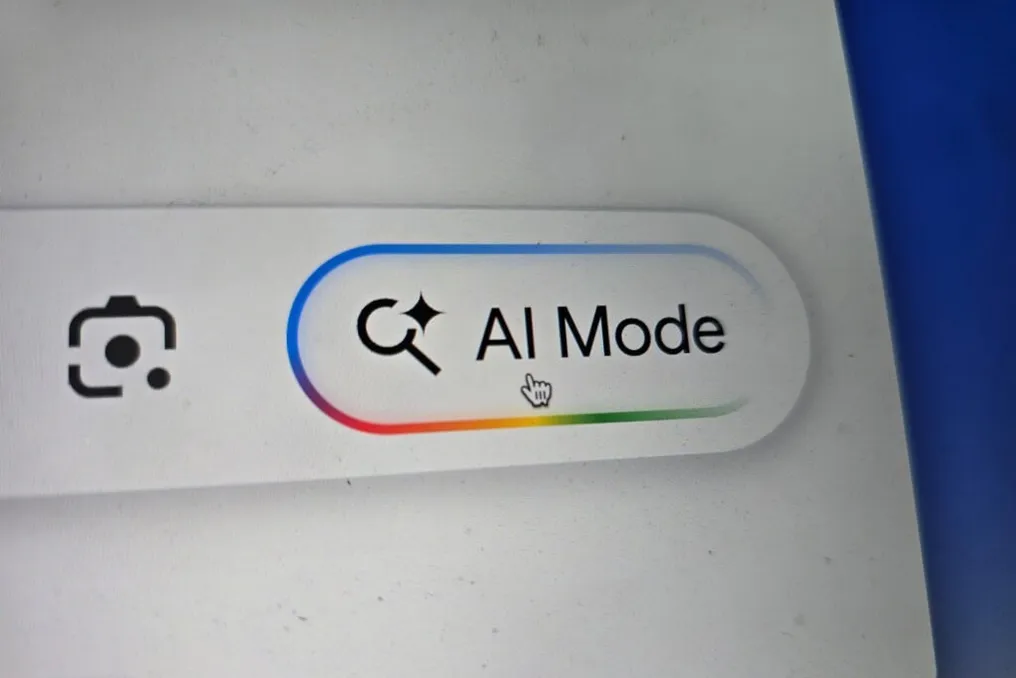
Although revenue from search advertising grew by 12%—which was below Wall Street forecasts of 15%—advertisers are noting a decrease in the visibility of their ad campaigns. Thanks to features like AI Overviews, which display AI-generated summaries above traditional results, and AI Mode, which allows users to interact with a chatbot, regular ads are being pushed to lower positions on the page.

During a conference call regarding the results, Google CEO Sundar Pichai stated that the priority is improving the user experience of search before increasing monetization. He emphasized: 'We are focused on creating the best search experience for the user, and then on monetization.' Meanwhile, Thomas Shenfelder noted that AI features have increased the volume of queries, including commercial ones, and that initial ad test results look promising.

In practice, according to The New York Times, this transition is already affecting investors' decisions regarding the platform. Marshall Evans, a marketing specialist from North Carolina who has worked with small businesses for over ten years, has reduced his investments in Google over the past six months. For a client selling trophies, monthly expenses dropped from $2,000 USD (approximately 11.4 thousand reais), which were used about a year ago after the introduction of AI Mode, to $500 (approximately 2.85 thousand reais). Some of these funds were redirected to the streaming service Tubi, the Bing search engine, as well as to the social networks Reddit and Nextdoor.

The problem is also observed among digital companies. Max Anderson, CEO of OnlyFinder, a service that helps users find creators on the OnlyFans platform, claims that advertising costs have likely tripled or quadrupled over the last three years. According to him, the company's ads can disappear from the page or appear below the AI Overviews response. Since Google does not provide a way to guarantee positioning within these summaries, Anderson is gradually reducing spending. He is currently directing about half of the amount he invested in platform advertising in its early years.

Competition for visibility is also linked to changes in how people use search engines. For Valeria Shlosser, a marketing specialist from the global creative agency VML in New York, users are spending more time interacting with chatbots and less time browsing the internet. In her opinion, clients remain interested in Google, but they are also trying alternatives such as ChatGPT and Perplexity.

This transformation represents a strategic challenge for the company itself. According to Tom Monteiro, senior analyst at Investing.com, Google is attempting to replace a business model that demonstrated competitive advantages for a decade with one that has different characteristics. Monteiro stated: 'Google is trying to take a business that was the best in the world for 10 years and turn it into another that doesn't have the same advantages.' He added: 'This transition is much more complex than Google's management anticipated.'

Microsoft service down for 13 hours, company incurring losses of 94 thousand rupees per hour
Read more
www.aajtak.in

Microsoft service down for 13 hours, company incurring losses of 94 thousand rupees per hour

Microsoft services suddenly stopped working, and after 13 hours, they have still not resumed operation. Due to this outage, users worldwide cannot use products such as Microsoft 365, Outlook, and Teams.

This global failure affected the businesses of companies around the world. According to CoinPedia data, every hour of Microsoft downtime leads to losses of approximately 100 thousand US dollars, which is equivalent to about 94 lakh rupees. However, no company has officially disclosed the exact amount of losses incurred so far.

According to available reports, the Microsoft outage affected about 4 million enterprises globally. Since Outlook and Teams are used for meetings and important communication, their unavailability led to operational halts in many companies.

The DownDetector website, which tracks global outages, reported that on Thursday, the Microsoft outage affected 74 countries, depriving millions of people of access to email and other services. The company stated that the services would soon return to normal.

The Microsoft outage also created problems for the Australian regulatory agency and the Federal Police. These bodies cannot conduct internal communication. Berges, CEO of the Australian Security Intelligence Organisation (ASIO), and Chris Barrett, Commissioner of the Australian Federal Police, confirmed at a press conference that their organizations' services were affected by this shutdown.

Popular