DRDO develops prototype of deadly stealth combat drone; it will attack enemy territories without a pilot
Read more
Aaj Tak
www.aajtak.in

DRDO develops prototype of deadly stealth combat drone; it will attack enemy territories without a pilot

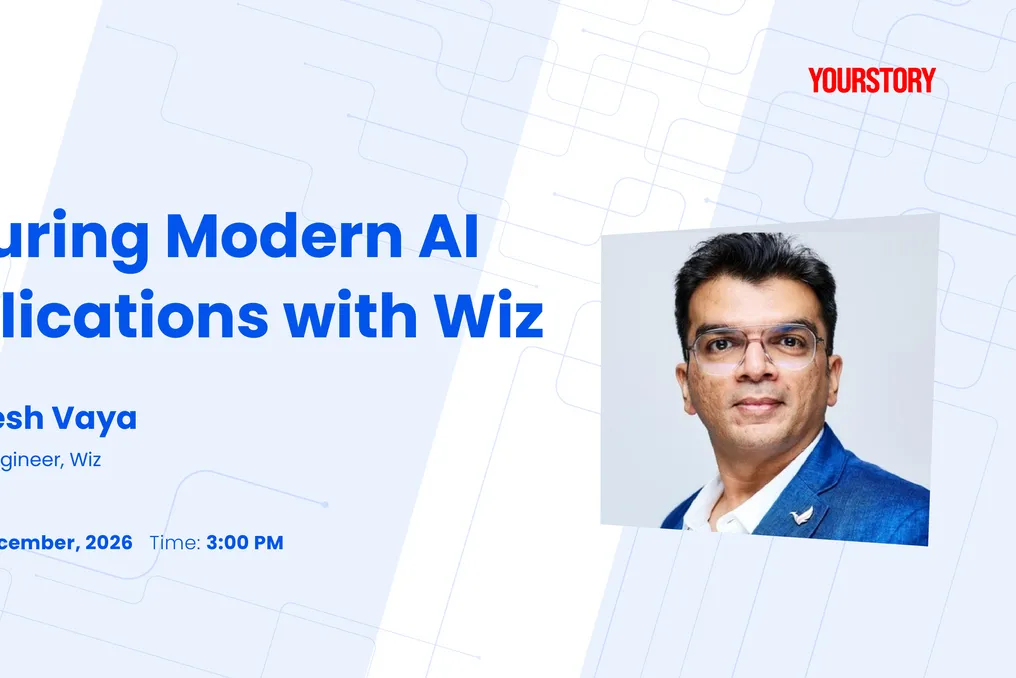
India is entering the prototyping phase of the 'Ghatak' stealth combat drone developed by DRDO, marking a significant advancement in its defense sector. This is an unmanned combat aerial vehicle featuring a jet engine and a tailless flying-wing design, being prepared for strikes deep into enemy territory without endangering a pilot.

Ghatak's specifications include a flying-wing design, curved air intakes, and specially shaped exhausts to reduce radar and infrared signatures. It possesses an internal weapon bay capable of carrying precision-guided bombs and missiles up to approximately 1.5 tons, thereby maintaining its stealth profile.

This drone will be capable of penetrating strong enemy airspace to strike critical targets. Furthermore, it can neutralize enemy air defense systems and conduct surveillance and reconnaissance missions in disputed areas. The drone will be powered by the afterburner-less Kaveri engine, which provides a thrust of approximately 49 to 51 kilonewtons.

This engine has already successfully passed high-altitude and flight tests in Russia, registering a thrust of 48.5 kilonewtons. The next crucial step is certification and its integration with Ghatak. Ghatak is designed to coordinate with manned fighters like Tejas and AMCA to enhance their offensive capability and operational efficiency.

DRDO's Swift Demonstrator has already completed autonomous flight tests, proving the viability of the flying-wing design and flight control technologies. On March 27, 2026, the Defence Acquisition Council granted approval for the RPSa program related to Ghatak.

DRDO is following the Development-to-Production Partner model, under which private industry partners in prototype manufacturing. According to September 2026 reports, if the engine certification, integration, and testing proceed as planned, it could be inducted into service within two to three years, although DRDO has not announced a definitive date yet.

Ghatak will provide the Indian Air Force with a stealth unmanned strike platform, serving a supporting role to the existing manned fighter fleet. This project is considered a significant contribution towards strengthening India's indigenous defense capabilities.

Similar stories

AI Data Center worth 10,000 Crore Rupees being built in Bihar; Power Requirements Discussed
Read more
www.aajtak.in

AI Data Center worth 10,000 Crore Rupees being built in Bihar; Power Requirements Discussed

In the field of artificial intelligence (AI), there is often talk of large models, chatbots, and expensive chips, but behind all this operates a system of data centers. It is in these centers that thousands of servers are housed, performing tasks ranging from training AI models to responding to user queries.

Currently, a large-scale creation of such digital infrastructure is planned in Bihar. The company CtrlS has signed an agreement with the state government for an investment of 10,000 crore rupees. The company intends to build an AI-ready data center with a capacity of 150 megawatts. The project launch is scheduled for the period 2029–2030. Approximately 100 acres of land will be required for the proposed project, and it is planned to be developed near the 220/400 kV substation in Patna or nearby.

According to the company's information, this project can create about 400 jobs. Of these, 100 people will work directly in the data center, and another 300 jobs will be related to serving clients who use the center's services.

The question arises as to how much electricity will be needed to operate such a large data center prepared for AI, and how the water supply for its cooling will be organized.

Simply put, a data center is a building or complex where a large number of computer servers are located. These servers help ensure the operation of websites, applications, cloud storage, and digital services available via the internet. When a user saves a photo to the cloud, watches a video online, or asks a question to an AI chatbot, servers in the data center are working behind the scenes.

The growing use of AI has increased the demand for such centers, as significant computational power is required for training and operating AI models. Chips like GPUs used in AI can consume more energy compared to conventional servers. A significant amount of heat is generated when these chips process a large number of tasks simultaneously.

For this reason, a data center is not just a building for housing servers. It requires complex infrastructure for supplying and maintaining power, as well as for cooling the servers and ensuring uninterrupted internet connectivity.

CtrlS announced plans to build a 150 MW data center in Bihar. MW is a unit of electrical power. One megawatt equals 10 million watts. Therefore, 150 MW corresponds to a power of 150 million watts. If the 150 MW load operated at full capacity year-round, its consumption would be about 1.31 billion units, or 1.31 terawatt-hours annually. However, this is only an example based on calculations, not the stated annual consumption of the project. Actual consumption will depend on the center's load level, the number of installed servers, and the method of electricity usage.

For such a large capacity, simply connecting electricity is not enough. The data center requires a constant power supply. A power outage can negatively affect the servers and the services running on them. Therefore, backup power sources, UPS, generators, transformers, and other alternative systems are necessary in such facilities.

CtrlS mentioned that the proposed site will be located near the 220/400 kV substation. This indicates that securing electricity and grid connection is an important part of the initial plan. Nevertheless, the company has not yet disclosed the full model of annual consumption or the electricity supply requirements for this project.

AI servers generate a lot of heat proportional to their operating speed. If this heat is not removed promptly, the chip temperature can rise, leading to reduced server performance and risk of equipment damage.

Therefore, cooling systems are installed in data centers. In traditional systems, cold air is supplied to the servers, and hot air is vented outside for temperature control. Some large centers use chiller and cooling tower systems, where water plays a role. AI centers utilize more powerful GPUs, and increasing their number and workload leads to increased heat. Under such conditions, in addition to conventional air cooling, liquid cooling technologies are increasingly used. With liquid cooling, a liquid is used to remove heat from the servers or chips. However, not all liquid cooling systems use water; some use special refrigerants.

The issue of electricity and water is of great importance for Bihar, as attracting a data center to any city brings not only the construction of a large building but also requires the availability of conditions such as electricity, roads, fiber-optic networks, water, and skilled personnel.

Wiz to host webinar on enhancing AI security focus through data unification
Read more
yourstory.com

Wiz to host webinar on enhancing AI security focus through data unification

The application of artificial intelligence is becoming an increasingly significant element in cloud environments. As adoption grows, so does the attack surface, which extends far beyond traditional cloud assets. Today, companies are creating and deploying more AI-based applications, agents, integrations, and third-party tools. This presents a new challenge for security teams: not only understanding what exists but also what these applications can access and how their risks are interconnected.

An AI application can interact with cloud systems, Application Programming Interfaces (APIs), sensitive data, and other tools. Agents are capable of extracting information, invoking tools, and running workflows. For security services, analyzing these assets individually may fail to reveal how their permissions, infrastructure, and data access can interact to create a security threat.

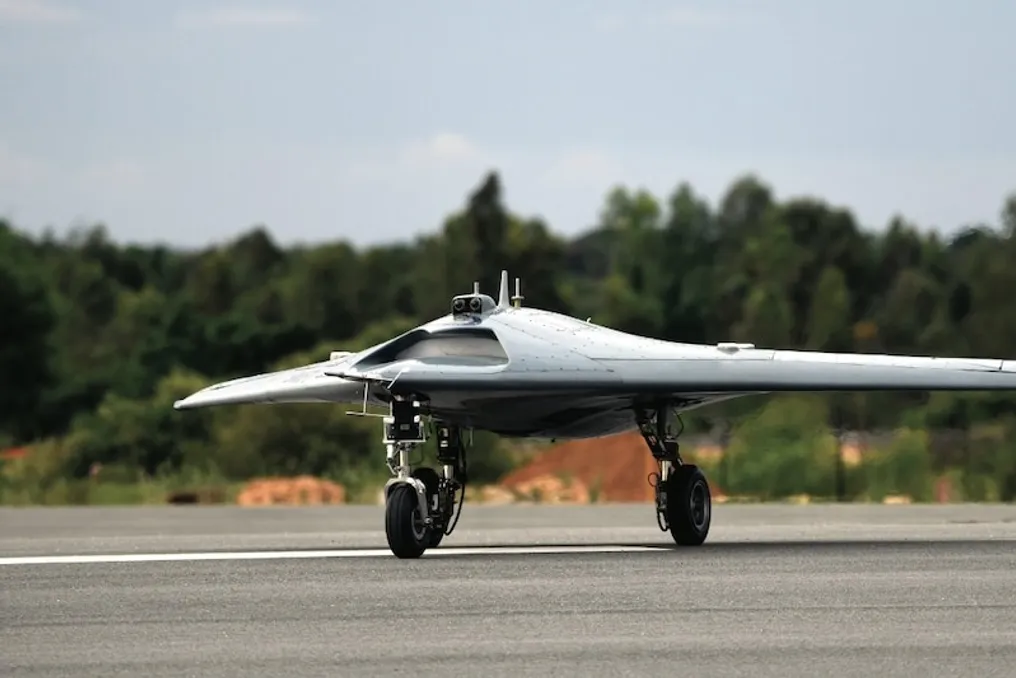
To explore how organizations can solve these problems, the global cybersecurity organization Wiz is hosting a specialized 60-minute technical demonstration titled 'Securing Modern AI Applications with Wiz,' featuring Darmesh Vaya, Senior Solutions Engineer at Wiz. This session will demonstrate how Wiz unifies the understanding of AI applications and cloud security context to protect AI from code to runtime, regardless of where it is created or operates.

Event Details

AI asset discovery is only the first step. Security teams also need to understand what an application is designed for, what tools it uses, what its capabilities are, and what data it has access to. During the demonstration, participants will learn how Wiz's AI Security Agent provides visibility into AI and user applications by offering deeper insights into agents, tools, and their capabilities. This feature analyzes agents and applications across code repositories, PaaS platforms, and self-hosted infrastructure such as virtual machines, containers, and serverless environments.

AI security risks do not exist in isolation. A vulnerability or misconfiguration can become much more severe if it is linked to open infrastructure, privileged identities, or sensitive data. The demonstration will show how the Wiz Security Graph connects specific AI risks to exposure, identities, infrastructure, and sensitive data to identify critical attack paths. Instead of noting and addressing security findings in silos, this approach helps teams understand how various risks and vulnerabilities intertwine. The graph prioritizes those with the greatest potential impact.

For organizations working with numerous AI applications, agents, and integrations, this context can help security teams determine which connections require attention. As AI applications move from development to production, their behavior, permissions, and exposure can change. Therefore, security must span the entire application lifecycle. The session will demonstrate how Wiz unifies AI discovery, risk reduction, and runtime threat detection through a single platform.

By connecting AI application visibility with contextual risk prioritization and runtime threat detection, the platform aims to provide security teams with a more comprehensive view of their AI-related exposure. For organizations expanding AI usage in cloud environments, understanding how applications, agents, identities, tools, and data interact is a crucial part of security risk management. Join this one-hour technical demonstration to see how Wiz connects these elements and helps teams protect AI applications from code to runtime. Register now to learn how Wiz discovers, connects, and protects AI risks.

Popular