Study reveals presence of hazardous chemicals in car interiors that may pose health risks
Read more
Aaj Tak
www.aajtak.in

Study reveals presence of hazardous chemicals in car interiors that may pose health risks

Particles from plastic or fibrous materials used in car interiors, such as dashboards and seat covers, have become a source of contamination and pose a health risk to drivers. According to a report presented to the National Green Tribunal (NGT), substances like flame retardants used in seat upholstery and other parts of the cabin harm the health of drivers and passengers.

The Indian Council of Medical Research (ICMR) is conducting a comprehensive nationwide study on this issue. The final report is expected by May 2027. The NGT drew attention to this matter after the publication of a study in the journal Environmental Science and Technology in May 2024.

This study found that 99% of tested vehicles contain a flame retardant chemical called TCIPP. Additionally, chemicals such as TDCIPP and TCEP were detected. These compounds are added to dashboards, seats, and plastic components of the vehicle to ensure fire resistance.

When a car is turned off and heats up under sunlight, these chemicals evaporate into the air. Scientific sources indicate that these elements increase the risk of developing not only cancer but also neurological and reproductive problems. Drivers who spend long periods behind the wheel daily, as well as children, are most at risk.

At the direction of the National Green Tribunal (NGT), ICMR began a detailed 18-month study on November 3, 2025. According to an interim report submitted to the NGT in August 2026, this study is being conducted in three regions of India: South, East, and West. Sixty samples are being analyzed in each region, along with 97 control samples. Fifty samples have already been taken from the Western region, and the analysis of 40 of them has been completed.

The final report on this study will be submitted to the NGT by May 2, 2027.

There are precautions to minimize this risk. Before getting into a car parked in the sun, it is recommended to open the windows for a few minutes to vent hot and contaminated air. It is also advisable to avoid parking the car in direct sunlight. Parking the car in the shade reduces the emission of hazardous chemicals from the seats and dashboard.


Similar stories

Air pollution poses a dual threat to oncology patients, hindering timely chemotherapy administration
Read more
www.aajtak.in

Air pollution poses a dual threat to oncology patients, hindering timely chemotherapy administration

Rising air pollution in Delhi poses a serious danger to everyone, but it becomes a critical threat for people suffering from cancer. According to doctors, due to the pollution, patients cannot receive treatment on time, which increases the risk of disease progression. Furthermore, exposure to pollutants causes breathing problems and coughing in these patients.

Doctors note that gases and fine particles in polluted air cause inflammation in the lungs. This inflammation can lead to persistent coughing. Studies show that oncology patients exposed to pollution have worse treatment outcomes than those in clean environments.

Dr. Parvin Jane, Senior Consultant and Head of Oncology at Akash Healthcare, explains that due to pollution, many cancer patients experience incessant coughing and difficulty breathing. Under such conditions, administering chemotherapy becomes extremely difficult, leading to treatment delays and worsening prognosis for patients. If symptoms such as coughing and shortness of breath worsen, this also slows down the treatment process.

Dr. Jane emphasizes that pollution does not just cause coughing; it steals the most valuable time for cancer treatment. Every phase of the chemotherapy course must take place within the established timeframe. Any delay disrupts the entire treatment plan, and patients remain at risk of symptom exacerbation.

Cancer patients are advised to observe several precautions. Firstly, they should avoid going outside in the morning and evening, as pollution levels peak during these hours. Secondly, it is crucial to use a high-quality air purifier with HEPA filtration capable of reducing PM 2.5 concentration indoors. Thirdly, when going outside, one must wear a well-fitting N95 mask, as ordinary cloth or surgical masks are ineffective against this type of pollution.

Patients undergoing cancer treatment and chemotherapy, as well as individuals with respiratory problems such as asthma, COPD, and breathing difficulties, are at the highest risk. The elderly and children, as well as those already suffering from cough and shortness of breath, are particularly vulnerable. Patients should seek immediate medical attention if they notice an increase in coughing, shortness of breath, or wheezing.

Review of 10 Essential Safety Features in Cars
Read more
www.aajtak.in

Review of 10 Essential Safety Features in Cars

In the modern world, purchasing a car is determined not only by style, fuel consumption, and the availability of various options. Before buying a new car, it is important to pay attention to critically important safety systems, as these determine the level of protection for the driver and their family on the road, rather than just external or expensive interior elements.

Even new and expensive cars can be weak in terms of safety. Therefore, it is crucial to know which functions should be present in the car so that the choice is not incomplete.

1. Airbags

The presence of airbags is a vital function that saves lives in an emergency. The more airbags there are, the better; currently, many manufacturers install six airbags as standard.

2. Anti-lock Braking System (ABS)

The ABS system prevents wheel lock-up during sudden braking, maintaining control over steering. This feature is especially useful on slippery or wet roads and must be present in any car.

3. Electronic Stability Control (ESC)

The ESC system helps prevent loss of control of the vehicle on uneven surfaces, during sharp turns, or on slippery surfaces. It constantly monitors the direction of movement and wheel speed. If the car starts to skid or lose control while turning, ESC automatically applies brakes to individual wheels and reduces engine power, helping to maintain the intended direction and reducing the risk of skidding.

4. Lane Departure Warning (LDW)

The LDW function alerts the driver if they start to leave their lane without using the turn signal. Using cameras to monitor road markings, the system warns via an audible, vibration, or visual signal.

5. Traction Control System (TCS)

TCS prevents wheel slippage, especially on wet, dirty, or slippery surfaces. The system regulates power delivery to prevent wheel spin during acceleration. If necessary, it reduces engine power or brakes the slipping wheel, ensuring better grip on the road.

6. Adaptive Cruise Control (ACC)

ACC is an advanced safety feature that automatically adjusts the vehicle's speed depending on the distance and speed of the vehicle ahead. This helps maintain a safe distance on the highway and reduces the need to frequently press the gas or brake pedals.

8. Tire Pressure Monitoring System (TPMS)

TPMS is an extremely important function that continuously monitors the air pressure in all tires. If the pressure deviates from the set limit, the system warns the driver, which helps prevent tire blowout and minimizes other road hazards, while also improving fuel efficiency and performance.

9. Rear-View Camera

The rear-view camera displays a video image from behind on the infotainment screen, helping the driver see the surroundings when reversing. This reduces the likelihood of colliding with obstacles, other vehicles, or walls while parking. This camera can be installed additionally.

10. Blind Spot Detection (BSD)

BSD is another necessary safety feature that detects vehicles in areas that the driver cannot see in the side or rear mirrors. When changing lanes, the system warns the driver with a light signal or notification on the side mirror, thereby reducing the risk of collision.

Experts warn: air pollution increases the risk of heart attacks and diabetes
Read more
www.aajtak.in

Experts warn: air pollution increases the risk of heart attacks and diabetes

Increased levels of air pollution lead to a higher risk of developing various diseases. In addition to respiratory problems, doctors note that elevated pollution is associated with an increased probability of heart disease and diabetes. Toxic particles in the air pose a danger to both blood sugar levels and heart health. The situation is particularly worrying for people who already have these conditions, so special caution should be exercised during periods of high pollution.

Dr. Devendra Taneja from the medical field reports that medical studies have confirmed the link between polluted air and heart disease, as well as diabetes. Fine particles present in pollution, known as PM2.5, enter the bloodstream through the respiratory tract. This causes inflammation in the body, which hinders its ability to adequately control insulin and blood glucose levels, thereby increasing the risk of diabetes. These same particles contribute to an increased risk of heart disease.

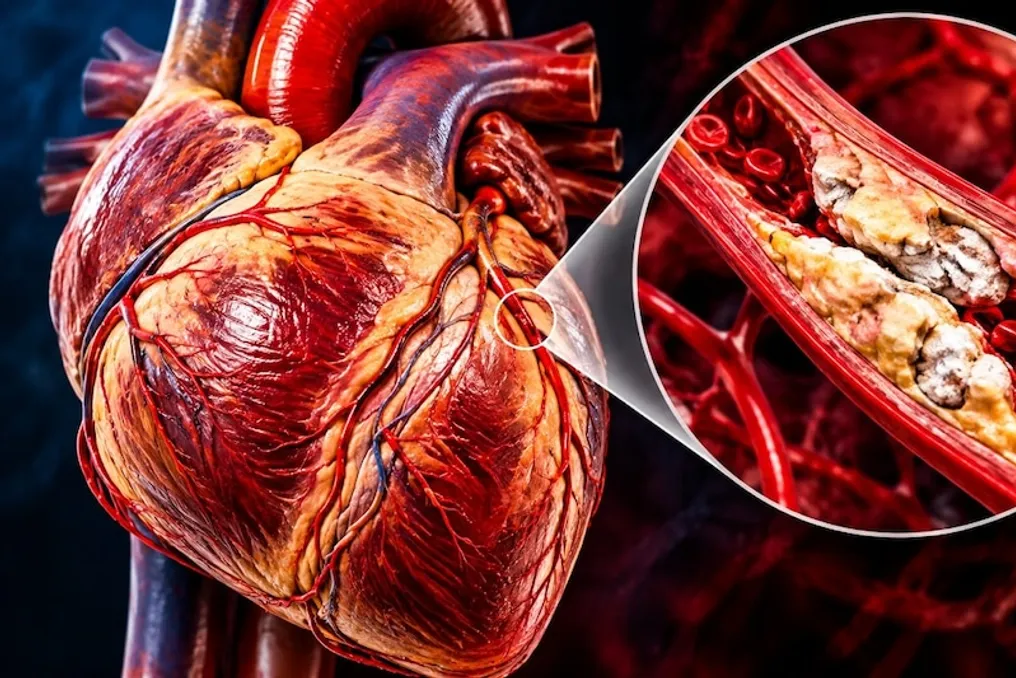
Dr. Devendra emphasizes that type 2 diabetes itself is a serious problem. However, when the risk of heart disease is added to high blood sugar levels, it presents a significant threat to health. Explaining how pollution affects the heart, Dr. Devendra clarifies that the tiniest particles in polluted air damage the inner lining of blood vessels. This leads to their hardening and the formation of plaques. Since diabetes already puts a strain on the vessels, the combination of these factors increases the likelihood of a heart attack.

People with diabetes are at a higher risk of developing heart problems due to pollution. The process unfolds as follows: first, pollution increases the risk of diabetes, and then, after diabetes develops, the risk of heart disease increases. Studies have also shown that patients with diabetes exhibit more pronounced changes in heart rhythm and ECG when exposed to pollution.

Patients with diabetes and heart disease are advised to avoid being outdoors in polluted air. To protect against fine particles indoors, HEPA filters can be used. If you have been diagnosed with type 2 diabetes and heart disease, you must undergo regular cardiac check-ups with a doctor. If symptoms such as shortness of breath or chest pain appear, you should seek immediate medical attention at a hospital.

Popular