As part of the celebration of Children's Day, Moxii Africa reminds that youth should be at the center of discussions about social media, not just objects of decisions made. This concern is supported by real data that children also feel.
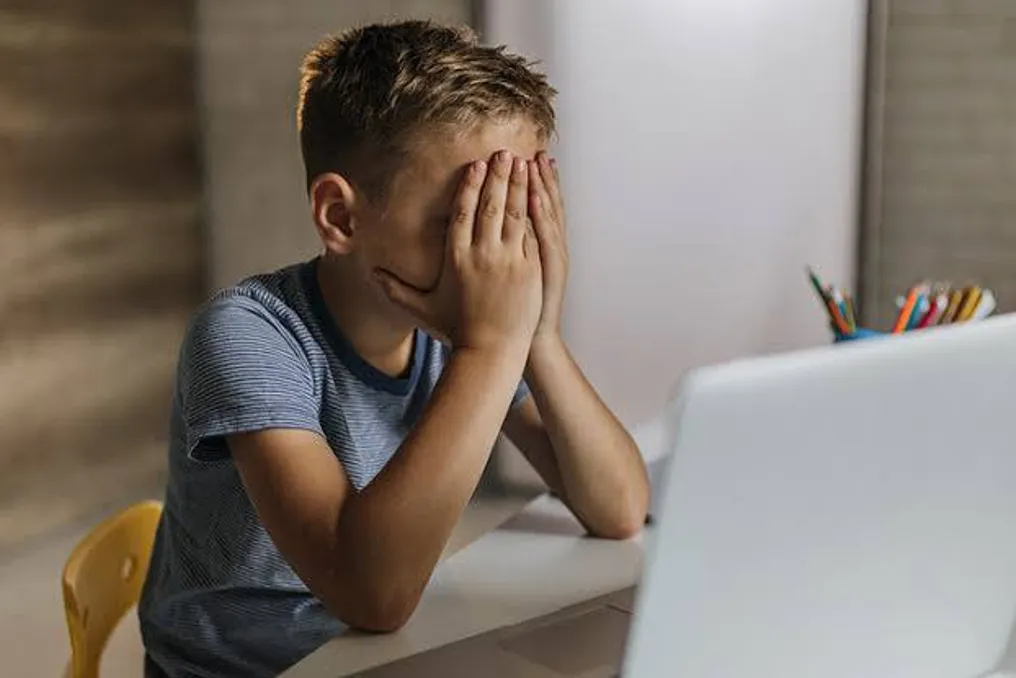
A study conducted by Stellenbosch University in 2026 among 659 students from four urban high schools showed that 63.9% faced cyberbullying, and 37.3% acted as both victims and aggressors. Although the sample is not nationwide, it demonstrates the fine line between causing and receiving harm, as teenagers often question their place in society.
Parents are also under pressure. According to a 2026 survey by Karri involving 2780 predominantly urban parents, 74% believe that access to social media should be postponed until age 16. However, the most common age for starting phone use is between 10 and 13 years old. Children use the internet regardless: the Disrupting Harm study commissioned by UNICEF found that 70% of respondents used the internet without parental consent, while only 41% received information on online safety. Most children go online for education and knowledge acquisition, but a gap remains between when children go online and when adults believe it should happen.
The issue of prohibition is justified and seriously discussed. Three months after implementing restrictions for those under 16 in Australia, the eSafety Commissioner reported a decrease in the percentage of children with social media accounts from 52% to 42%, yet 81.5% continued to use platforms with age restrictions. Communications Minister Solly Malatsi stated in a parliamentary response that there are 'no conclusive signs' that a total ban will stop teenagers from being active on these platforms, and that the government will continue to educate children, teachers, and guardians in digital skills. Digital law expert Emma Sadleir argues that, similar to alcohol age restrictions, a legal boundary can establish a social norm, even if some teenagers circumvent it. Both theses are of serious importance.
MTN's position is determined by the question of the child's best interests. The company supports measures that delay children's access where there is clear evidence of harm, provided they are legal, proportionate, and protective. At the same time, MTN warns against comprehensive or punitive bans. The situation of a student using a shared phone for a group lesson or watching an educational video is considered: a universal rule could deprive them of this opportunity, while a determined teenager might retreat into obscure corners of the internet where no one is watching. Age restrictions work best when combined with teaching children critical thinking about what they see; otherwise, the same algorithm will encounter the same untrained young person at sixteen.
Therefore, the answer cannot belong to any single side. The government can set clear, enforceable rules; the October report by the South African Human Rights Commission shows where legislation has not yet caught up with functions such as addictive feeds and age verification upon registration. Platforms shape the accounts, feeds, and data children encounter, so they are well-suited for creating safe default settings and privacy-respecting age checks. Schools and parents can support online safety in daily interactions, while operators can ensure protection and education. MTN is a telecommunications service provider, not a content regulator, and the company does not support calls to block legal sites, but it takes action regarding illegal content: in the second half of 2025, MTN South Africa, together with the Internet Watch Foundation, inspected over 33 million web addresses suspected of containing child sexual abuse material and blocked more than 800,000. As Human Rights Commissioner Nomalubi Khwinana said: 'The task is no longer about finding loopholes. The task is to close them correctly together.'
We did not start this debate too late. In April 2022, we launched the 'Help Children Be Children' program jointly with the Internet Watch Foundation, Meta, the International Centre for Missing & Exploited Children (ICMEC), and Child Helpline International, stating that a 'safe online village' is necessary to protect African children. In South Africa, this village includes Web Rangers managed by Moxii Africa in collaboration with the Department of Basic Education, Film and Publication Board, Google, and Meta. This is based on behavioral understanding: children change their behavior when other children approach them. In 2025, 246 student leaders from five provinces were trained and subsequently trained another 1,217 people, with teachers noting increased engagement when the message came from peers. The program's goal is habit formation, not just warnings: pausing before posting, protecting one's digital footprint, recognizing algorithmic manipulation, and supporting a friend who is being attacked.
We honestly assess the results. The program recorded over 5,100 participant interactions between January 2025 and July 2026, not 5,100 different children, and Moxii Africa's assessment showed that understanding of digital citizenship tripled. Knowledge is not yet translating into behavior, so students create campaigns, comics, and podcasts: they practice, rather than just recall. This year, Web Rangers also began surveying students, teachers, and parents about what they think about age restrictions so that children's opinions are included in the discussion, not just about them.
A South African child can learn to scroll through a smartphone before learning to cross the road. We did not keep children away from roads until they could drive. We built pedestrian crossings, agreed on speed limits, and taught them to look both ways, and every adult played its part. The online version is no different: clear rules, platforms designed with children's needs in mind, prepared schools and parents, operators ensuring protection and education, and one test for every decision: not how safe adults feel, but how safe the child is.
Four student teams have already demonstrated the ability to advocate for this issue in the country's highest court. We all have a role in finding the answer, and children deserve a place where it is written down.