Despite the tragic event—the terrorist attack in Pakistan on April 22, 2025, in Pahalgam, where 26 tourists and one local resident of the Baisaran valley were brutally killed, causing national shock and escalating tensions between India and Pakistan—public resonance regarding Pakistani content has flared up again in India.
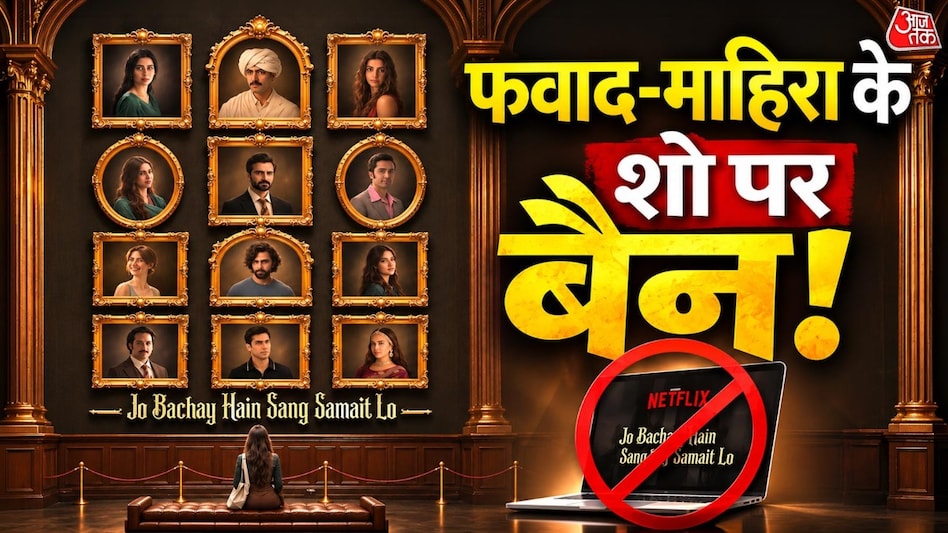
Two works are at the center of the current dispute: the Pakistani Netflix series 'Jo Bache Hain Sang Samet Lo' and the screening of the Pakistani drama 'Dar E Nijaat' in Delhi.
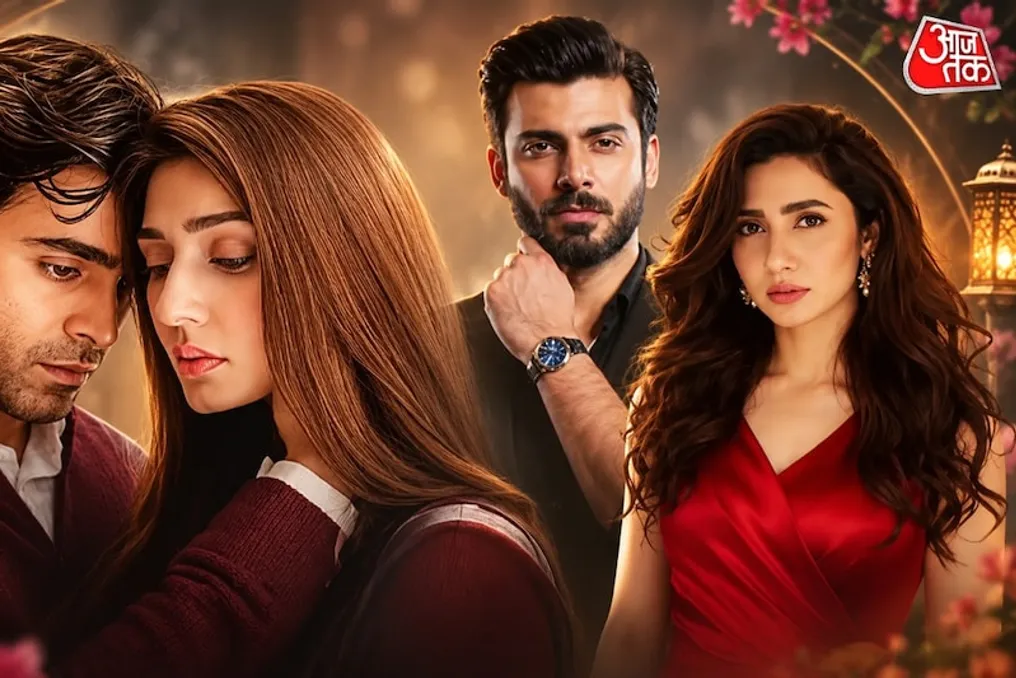
The first subject of criticism is the original Pakistani Netflix series 'Jo Bache Hain Sang Samet Lo'. It features renowned Pakistani actors, including Fawad Khan, Mahira Khan, Ahada Raja Mira, Iqra Aziz, Sanam Saeed, Hania Amir, Hamza Ali Abbasi, and Mai Ali. According to the announcement, the series is set to be released globally on December 4, 2026.
However, opposition began after posters and actor images appeared on social media in India. The question arose as to how such projects can be accessible to the Indian audience, given existing restrictions and official recommendations concerning Pakistani entertainment content following the Pahalgam attack.
Although Netflix has not yet made an official statement about the release of this series in India, its trailer has recently been released, and posters have been posted on international Netflix accounts. In light of this, the All India Cinema Workers Association (AICWA) sent a letter to Prime Minister Narendra Modi demanding a complete halt to the streaming of this series in India.
One of the reasons for dissatisfaction was also the statements made by Fawad Khan and Mahira Khan regarding Operation Sindoor; reports indicate that Fawad called India's actions 'shameful,' and Mahira described them as a 'cowardly attack.' Thus, the anger of Indian users is linked not only to one web series but also to issues of national dignity and the entertainment industry.
The second dispute concerns the Pakistani drama 'Dar E Nijaat', starring Shahryar Munnuwar, Durafishan Salim, and Namir Nawaz Khan. This series enjoys significant popularity in India. It was broadcast on Ary Digital in Pakistan and is available on YouTube.
Recently, a video surfaced on social media from a cafe in Delhi showing a fan viewing party for this drama. It is reported that the event included an online Q&A session featuring director Sakib Khan.
The viral video divided social media into two camps. Some users questioned why there is such high popularity for Pakistani dramas in India after the Pahalgam attack. Others viewed it as contrary to the nation's sentiments and demanded a ban on such screenings. Meanwhile, some considered the meeting proof of the popularity of Pakistani dramas.
The author believes that this issue goes beyond simple viewing or abstaining from watching the drama. After events like the Pahalgam attack, it is crucial to understand people's anger and feelings. When relations between countries are under such strained conditions, it is natural to raise questions about another country's entertainment industry.
Nevertheless, it is acknowledged that viewers' tastes cannot be entirely controlled solely through social media anger. The question also arises: if content is banned in India, will people continue to watch it through other platforms or methods? And can the withdrawal of online support completely destroy the show's popularity?
Currently, there is no clear information regarding the Netflix series release in India, nor have there been official statements about the screening in the Delhi cafe. However, this dispute over Pakistani dramas has once again sparked an important discussion about the intersection of entertainment, politics, patriotism, and viewer choice.