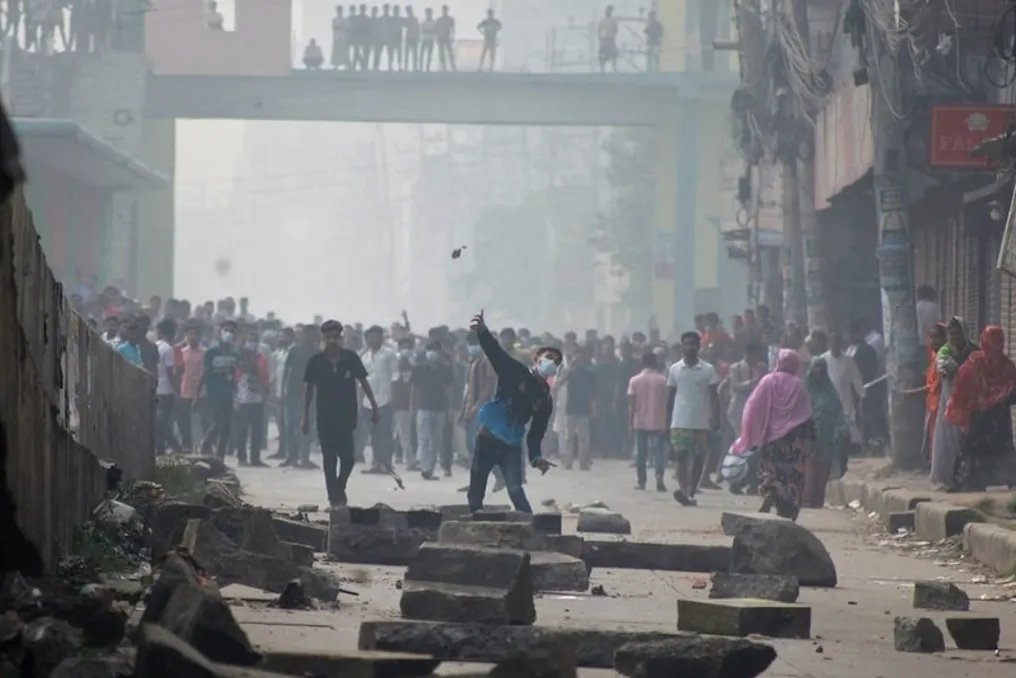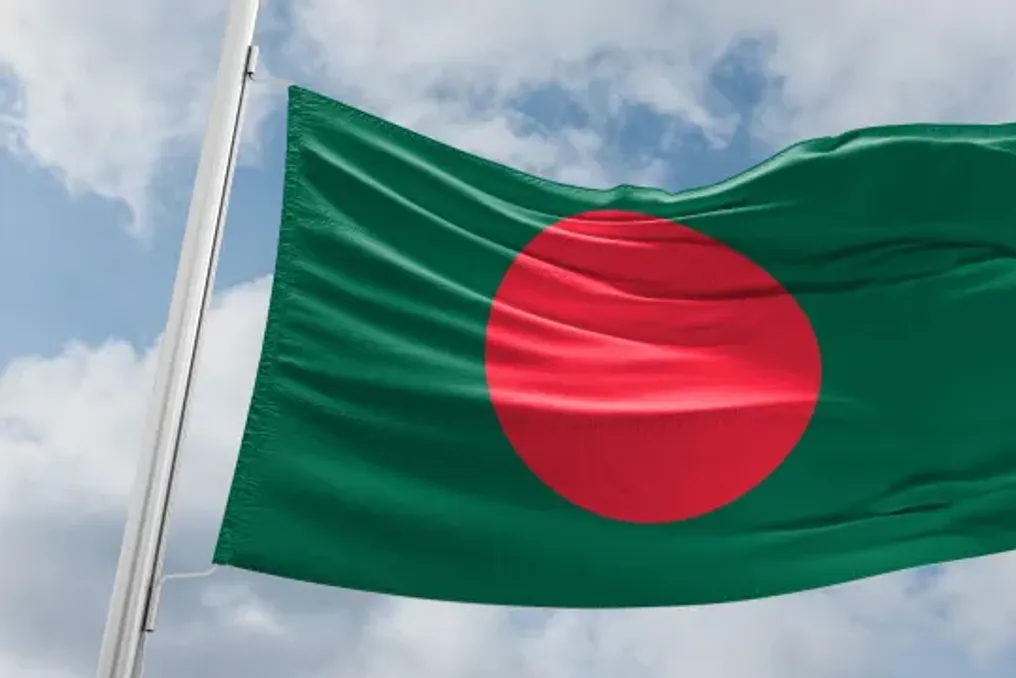
Bangladesh today increased the monthly minimum wage for entry-level workers in the textile sector by 36%, setting it at 17,000 Taka (136 euros). This decision was made after several weeks of violent protests that led to the closure of several factories.
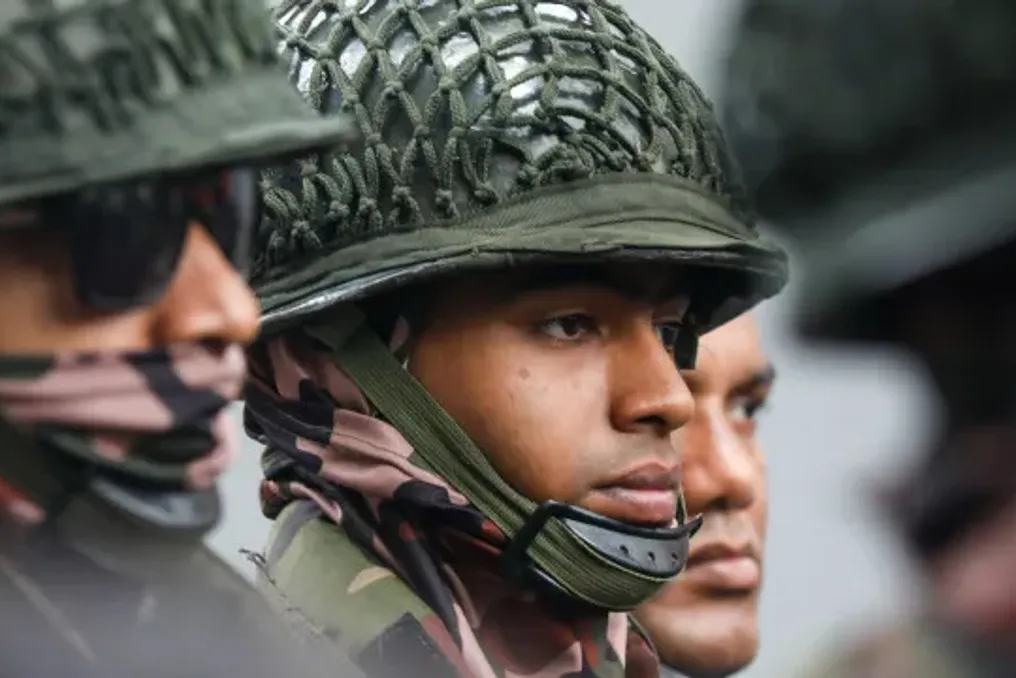
For several weeks, workers took to the streets, clashed with the police, and attacked factories, demanding higher wages and pointing out that high inflation had complicated their lives.
The textile industry is Bangladesh's main export sector and the country's primary source of foreign currency earnings, especially due to exports to the United States and Europe. This sector accounts for about 80% of the country's total exports and directly employs about four million people, most of whom are women from rural areas.
The new wage structure was approved by a government-formed wage commission early on Wednesday after nearly 12 hours of meetings between worker and employer representatives.
The six-member commission, which included two worker representatives and two employer representatives, approved the new tariff scale by a four-to-two majority, fixing the minimum wage at 17,000 Taka (136 euros). The two members who voted against supported the revised workers' proposal, which called for a minimum monthly wage of 18,000 Taka (144 euros).
Additionally, the commission reviewed the monthly salaries for other categories of workers. However, it remains unclear whether the workers will accept the new compensation structure.