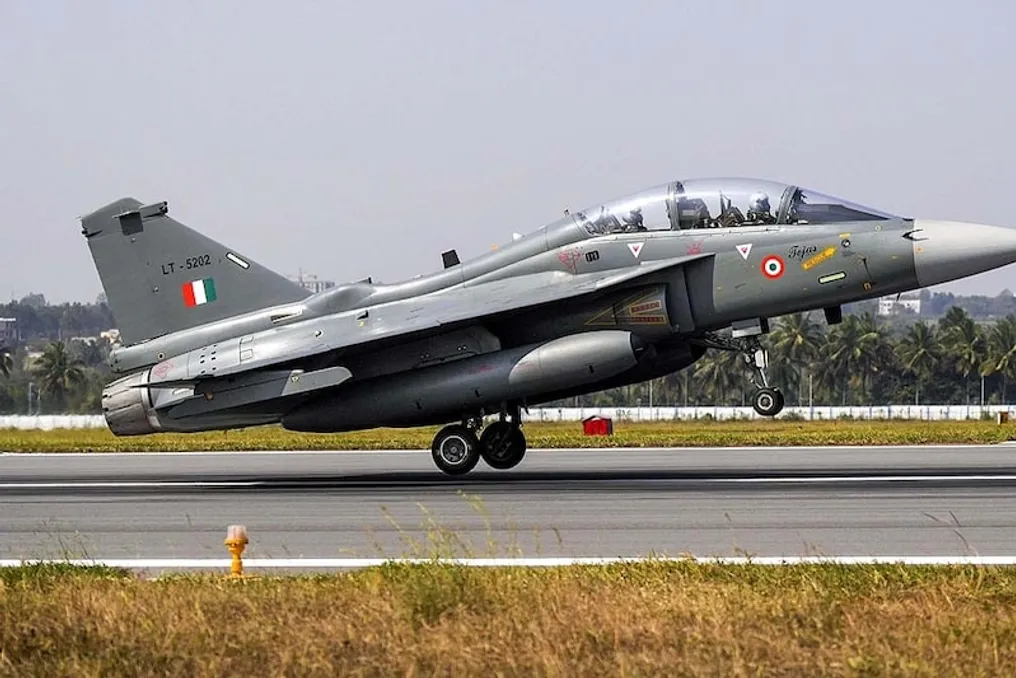
First squadron of Tejas Mk1A fighters to be ready by March 2027, which will strengthen the Indian Air Force
Read more
Aaj Tak
www.aajtak.in

First squadron of Tejas Mk1A fighters to be ready by March 2027, which will strengthen the Indian Air Force

The Indian Air Force may have to wait until March 2027 for the first squadron of Tejas Mk1A fighters. After years of delays, all attention is focused on this advanced domestic fighter jet. Although this aircraft, manufactured by Hindustan Aeronautics Limited (HAL), retains many capabilities of the original Tejas Mk1, modern radars, an improved electronic warfare suite, and advanced avionics have been added.

These upgrades make the aircraft significantly more capable of early detection of enemy threats, rapid information processing, and ensuring self-protection. Given the shortage of combat squadrons in the Air Force, this aircraft will be an important step in strengthening indigenous capabilities.

According to the initial plan, HAL was supposed to start supplying 83 Mk1A aircraft from March 2024. However, the entire schedule has shifted due to various reasons, including delays in the supply of F404 engines from the American company GE Aerospace. Now, the first squadron is expected to arrive by 2027.

The government placed the first contract for 83 aircraft in February 2021, and the second order for 97 aircraft, received in September 2025, brought the total to 180 units. These aircraft will replace older fighters and strengthen the domestic Air Force fleet. Despite the delays, the Mk1A's capabilities make it much more effective compared to the previous version.

The main advantage of the Mk1A is its Active Electronically Scanned Array (AESA) radar. The old Mk1 used a mechanical multi-mode radar that scanned different parts of the sky by physically rotating the antenna. The AESA radar uses hundreds of small electronic modules that direct radio waves without moving parts.

This allows the aircraft to scan multiple sectors and track several targets simultaneously. Early detection of an enemy aircraft gives the pilot more time to assess the situation and react. The Ministry of Defence noted this radar as a critical capability of the aircraft back in 2021.

Tejas Mk1 already had a self-defense suite, but the Mk1A features a much more advanced and integrated electronic warfare system. According to DRDO, it includes a radar warning receiver and an advanced self-defense jammer. The radar warning receiver detects enemy radar signals and alerts the pilot. The jammer sends electronic signals that confuse the enemy radar, making it difficult to determine the exact location of the aircraft.

This system can protect against ground radars, surface-to-air missile systems, anti-aircraft artillery, and airborne radar systems. It utilizes active phased array technology and digital radio frequency memory. In modern air warfare, simply attacking is not enough; ensuring self-protection is equally important, and this is the task this upgraded suite will perform.

The Mk1A is equipped with a new digital flight control computer. It operates on the Tejas fly-by-wire system, where pilot commands are transmitted to the control surfaces via electronic signals. The new computer rapidly processes these commands and helps maintain the stability of the aircraft's flight. In February 2024, DRDO reported that this computer, developed in India, was successfully integrated and tested in a prototype, possessing enhanced computational power.

Improvements were also made to the cockpit. The advanced mission computer gathers information from various systems, assisting the pilot in mission management. Intelligent multi-function displays show flight and mission information on digital screens, eliminating the need for the pilot to look at numerous individual instruments. A digital map generator provides geographical information, and an improved altimeter measures height above the ground, while a combined transponder-interrogator helps identify friendly aircraft. All these improvements enhance pilot awareness and mission success probability.

Although the Mk1A has many new features, some important previous capabilities remain. The ability to launch beyond visual range missiles was already present in the final operational clearance configuration of the Mk1. The possibility of in-flight refueling was also demonstrated in 2018 tests. The head-up display and basic self-defense suite were also available earlier. The Mk1A combines all of this with more advanced systems.

The Indian Air Force faces a shortage of combat squadrons. Therefore, the arrival of 180 Tejas Mk1A aircraft is a major step towards enhancing indigenous capabilities and replacing outdated equipment. The improved radar, robust electronic protection, and modern avionics make it more effective in regional air engagements. Despite the delays, when these aircraft enter service, it will lead to a significant improvement in both the offensive power and safety of the Air Force.
Similar stories

Air Force Chief states first Tejas MK-1A squadron will soon be inducted into Indian Air Force
Read more
www.aajtak.in

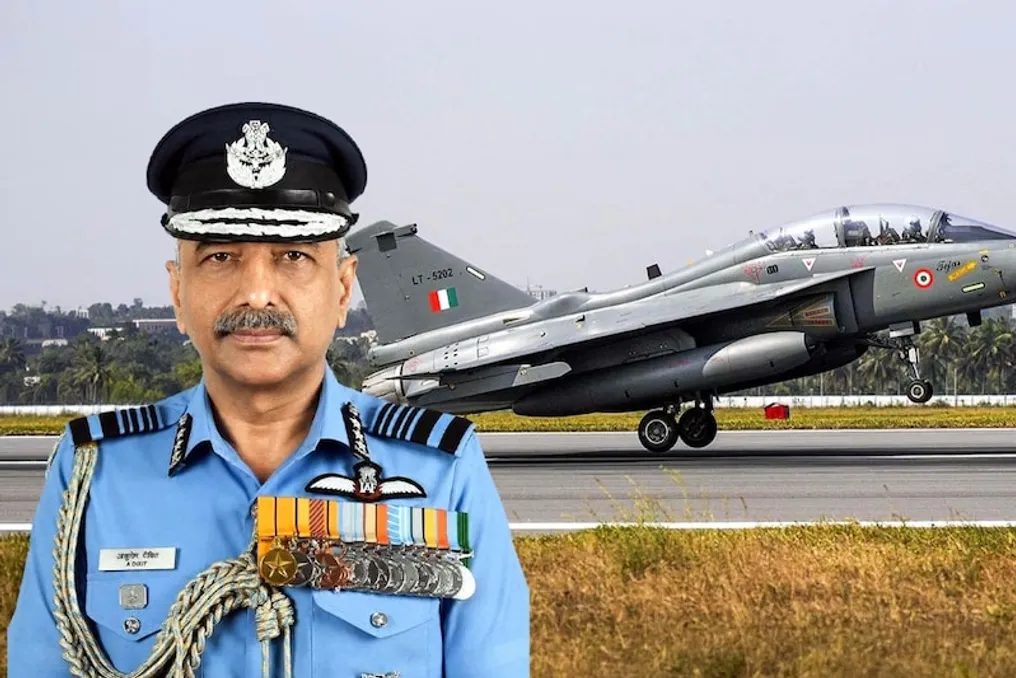
Air Force Chief states first Tejas MK-1A squadron will soon be inducted into Indian Air Force

The Air Force Chief announced that the first squadron of the indigenous light fighter Tejas Mark-1A will be incorporated into the Indian Air Force in the current fiscal year. The Mark-2 version is expected to appear next year. Furthermore, the Advanced Medium Combat Aircraft (AMCA) program is actively being promoted.

The Air Force Chief, Lieutenant General Ashutosh Dixit, emphasized that receiving the first Tejas Mark-1A squadron this fiscal year is a significant achievement for strengthening the capabilities of the Indian Air Force. This statement is viewed as a major step forward towards India's self-reliant defense power.

Previously, the Air Force identified four key areas requiring improvement in the Tejas fighter. The Air Force collaborated with Hindustan Aeronautics Limited (HAL) to implement these improvements. According to the Air Force Chief, work on modernization in these four areas is nearly complete.

Advanced developments from DRDO have been integrated into the fighter, and extensive test flights have been conducted. These upgrades have made the Mark-1A more reliable, capable, and compliant with modern military requirements. The Mark-2 fighters are expected to be commissioned next year.

In parallel, work on the AMCA program, which is a fifth-generation fighter, is also progressing rapidly. Technologies developed for the LCA platform will be used in future combat aircraft projects, especially stealth technologies, ensuring continuous progress in Indian aviation technology.

The development of the LCA Tejas is the result of contributions from about 600–700 centers and laboratories across the country, including labs at IIT, CSIR, and railways, demonstrating that it is not just an aircraft creation project but a result of the scientific and industrial potential of the entire nation.

Currently, the Indian Air Force needs to gradually phase out old aircraft and introduce new ones. The arrival of the LCA Mark-1A will help increase the number of squadrons and reduce dependence on imports, thereby strengthening the 'Self-Reliant India' initiative and stimulating employment and technological development in defense manufacturing. In the long term, the Mark-2 and AMCA programs will propel India toward the status of a global aviation power.

Thus, the Air Force Chief's statement is a positive signal that the indigenous fighter development program is moving in the right direction, and the Air Force will soon begin reaping tangible benefits from these developments.

Tejas MK1A fighter jet delivery expected for Indian Air Force in January 2027
Read more
www.aajtak.in

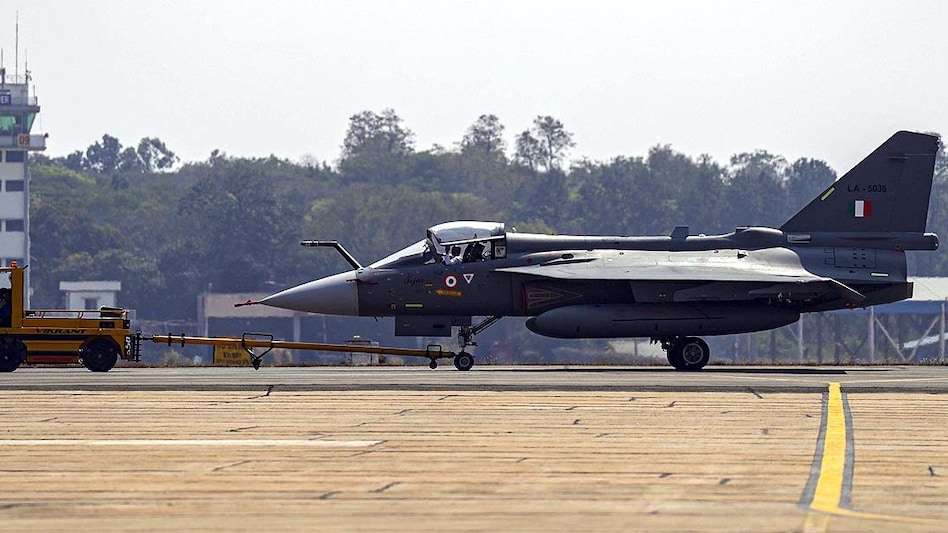
Tejas MK1A fighter jet delivery expected for Indian Air Force in January 2027

The Indian Air Force is soon to receive the first domestically produced Tejas MK1A fighter jet. Hindustan Aeronautics Limited (HAL) and the Indian Air Force have strengthened their cooperation to ensure this crucial delivery by January 2027. As of September 2025, 14 engines have already been received, and work on the radar and software is also actively underway. This progress is significant given the current deficiencies of the Air Force.

Currently, the Air Force faces a shortage of 13 squadrons. Former Chief of the Air Force AP Singh has consistently insisted that to maintain the combat readiness of the Air Force, between 36 and 40 new fighters must be delivered annually. This need has increased following the retirement of old MiG-21 aircraft, and the Tejas MK1A represents a serious attempt to fill this deficit.

HAL and the Air Force have jointly accelerated the pace of work. Engine availability was a major issue, but 14 engines have now been procured. Progress is also being observed in radar systems and software updates. These two elements are critically important for a modern fighter jet. An improved radar helps in faster identification of enemy aircraft, while advanced software enhances the aircraft's performance. Thanks to all these improvements, the Tejas MK1A will become more capable compared to previous versions.

This project is part of the 'Atmanirbhar Bharat' (Self-Reliant India) initiative. Enhancing the country's ability to manufacture fighters domestically is strategically vital. Reducing dependence on foreign aircraft not only saves money but also increases supply security. Many experts consider this a worthy achievement, noting that timely delivery will strengthen the Air Force's readiness.

Nevertheless, some remain cautious. The Tejas project has faced delays multiple times in the past. Timelines have shifted due to issues with engines, radars, and production. Therefore, the public awaits official confirmation. One cannot fully rely on the situation until a clear statement is issued by HAL and the Air Force. Nevertheless, the current progress instills hope for achieving the goal in January 2027.

The Air Force is in urgent need of modern aircraft. Considering the military power of neighboring countries, India needs to increase both quantity and capability. The Tejas MK1A will not only increase numbers but also advance domestic technology. If the dream of delivering 36–40 aircraft annually is realized, the squadron deficit could be significantly addressed in the coming years. This delivery is not just about handing over one aircraft; it is a demonstration of the capabilities of the Indian defense industry. Success could lead to additional orders, which would allow for an acceleration of the production line. This could be a crucial step for both national security and self-reliance.

Popular