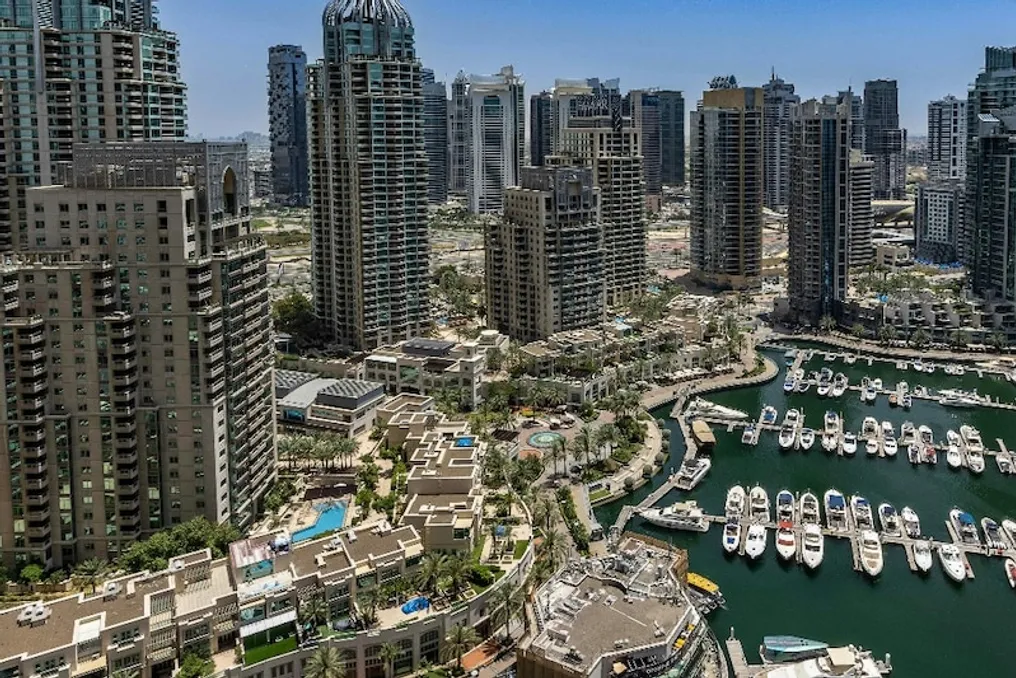
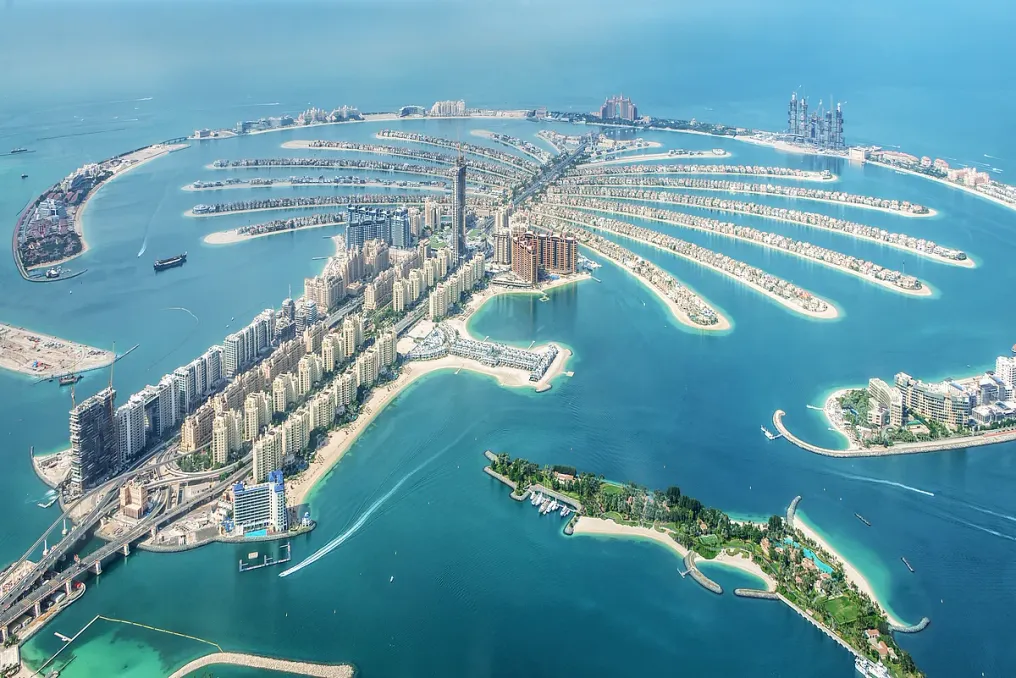
Rental rates in some Dubai areas have dropped by up to 15%, offering cheaper apartments to new tenants
Read more
Aaj Tak
www.aajtak.in

Rental rates in some Dubai areas have dropped by up to 15%, offering cheaper apartments to new tenants

Significant changes are being observed in the rental market of Dubai. New tenants are facing lower rates compared to existing residents, while most those renewing contracts maintain their previous rent. These conclusions were drawn from two independent reports by the consulting firm JLL and the company fäm Properties.

According to the fäm Properties study, among those who rented new apartments in Dubai between August and October 2026, the average rent was 9 percent lower than the previous year. Notably, 73 percent of new contracts stipulated a rent reduction compared to 2025. This indicates that people looking for new housing now have a better opportunity to negotiate with landlords.

Data from JLL's Living Market Dynamics report for the third quarter of 2026 shows that the number of new rental registrations in Dubai increased by 48.6 percent compared to the previous quarter, and by 13.7 percent year-on-year. However, lease renewal rates were relatively slow: growth was only 8.3 percent quarterly and 2.4 percent annually.

The report also indicates that by September, the average rent in certain areas of Dubai had decreased to 5.2 percent. The drop in apartment rent was 5.3 percent, and for villas, it was 3 percent. The main reason for this is the emergence of affordable options for new tenants and their increasing ability to negotiate.

The largest discounts on new rental agreements are seen in prestigious residential areas of Dubai, such as Burj Khalifa and Downtown Dubai, where rent has fallen by up to 15 percent. Business Bay recorded a drop of 14.6 percent, and Dubai Marina saw a decrease of 13.6 percent. Furthermore, a decline of 11.9 percent was noted in Al Marcad, 11.2 percent in Jumeirah Lake Towers, and 11.1 percent in JVC.

According to JLL, approximately 14 thousand new residential units were available in Dubai from July to September 2026, with another estimated 17 thousand properties expected to enter the market by December. Nevertheless, the impact of rising construction material costs on the degree of rent and property price reduction remains uncertain.

Firas Al Masdi, CEO of fäm Properties, noted that the rental market situation in Dubai is constantly changing, and these changes are expected to continue into 2027.

Similar stories

Falling rental rates in Dubai stimulate resident relocation and strengthen tenants' bargaining power
Read more
www.khaleejtimes.com

Falling rental rates in Dubai stimulate resident relocation and strengthen tenants' bargaining power

According to JLL's report on the residential market dynamics for the third quarter of 2026, declining rental rates and increased tenant bargaining power are prompting more people to change their residence in Dubai.

Milder rental conditions have shifted the balance of power in favor of tenants, giving them more opportunities to find options with a better price-to-quality ratio. Consequently, the pace of contract renewals in Dubai has slowed, reaching only 2.4% year-on-year and 8.3% quarter-on-quarter. Thus, during this quarter, the relocation segment showed faster growth than the retention segment.

The data indicated that the number of new lease registrations in Dubai increased by 48.6% compared to the previous quarter and by 13.7% year-on-year for the third quarter. The overall 7.0% year-on-year growth in lease registrations was supported by the seasonal rental peak before the start of the academic year.

The average rent in Dubai decreased by 5.2% over the 12 months ending in September. Apartment rentals fell by 5.3%, while villa rentals declined by 3.0%.

The Dubai sales market continued to cool down after previous peaks. The total number of transactions decreased by 37.7% year-on-year, driven by a 41.8% drop in off-plan sales as developers adopted a more phased approach to project launches. Secondary market sales also decreased by 24.9% over the same period.

In the quarterly breakdown, the situation was more moderate: the 19.8% growth in resale transactions largely offset the 9.1% drop in off-plan sales, narrowing the overall quarterly decline to 2.2%. Villa prices rose by 2.2% year-on-year, while apartment prices fell by 0.9%. Quarterly price declines in both segments moderated to between 1.6% and 1.8%, compared to sharper drops of 2–3% recorded in the second quarter. JLL believes this may indicate a more stable pricing environment, but a return to last year's exceptional growth is unlikely.

In Abu Dhabi, the total sales volume decreased by 9.6% year-on-year, marking the first annual decline of the current year. In the third quarter, Dubai delivered approximately 14,000 housing units, bringing the total supply to about 923,700. Construction completion of around 17,000 units is planned for Dubai in the fourth quarter.

It was noted that projects in the final stages of construction are mostly on schedule. Early-stage developments are adjusting timelines due to rising material costs and extended procurement times, and some projects launched earlier this year have postponed construction starts. JLL forecasts that developers will focus on executing existing project portfolios, making new launches more cautious than in recent years. Companies with strong cash flows will be the most resilient to cost increases and timeline adherence, while developers heavily reliant on off-plan sales revenue may face difficulties maintaining schedules.

Taimur Khan, Head of Middle East and Africa Research at JLL, stated: 'Looking ahead, we expect developers to approach new launches more cautiously amid rising material costs and extended work timelines; those with strong cash flows will be best positioned to maintain schedules.' He added that 'construction quality, unit sizes, and amenities will require careful calibration to meet target buyer segments, and although rising costs will likely limit how much prices can fall, flexible payment plans are expected to remain a key lever for attracting buyers and sustaining investment interest.'

Dubai real estate prices rose by 18% over four years, according to the Enarock Middle East report
Read more
www.aajtak.in

Dubai real estate prices rose by 18% over four years, according to the Enarock Middle East report

Buying property in Dubai is becoming increasingly expensive, with the average cost of residential property reaching its highest level in four years. According to a recent report by Enarock Middle East, from January to October 2026, the average price of a home in Dubai was 1967 dirhams per square foot.

This figure is 18% higher than the average price of 1669 dirhams per square foot recorded in 2023. Despite the price increase, the pace of home sales has slowed compared to the record figures of last year. Nevertheless, at current rates, 145,700 homes and transaction volumes of 378.5 billion dirhams are projected for 2026.

From January to October 2026, 122,583 homes were sold for a total of 318.4 billion dirhams. If the current trend continues until December, the total number of sales for the year could reach approximately 145,700 homes, and the total volume around 378.5 billion dirhams. These forecasts exceed the 2023 figures both in terms of sales volume (by 23%) and total value (by 20%).

However, 2025 results were significantly higher: 199,497 homes were sold that year, with total sales reaching 535.5 billion dirhams. In 2023, 118,815 homes were sold for 314.4 billion dirhams. In 2024, these figures increased to 167,288 homes and 421.9 billion dirhams. Following this, in 2025, the number of sales grew by 68%, and the total volume by approximately 70%.

The largest price increase was recorded in the large home segment in 2026. According to the report, the average villa price rose by 9%, reaching 2362 dirhams per square foot. The average cost of one villa is now 1.46 billion dirhams, compared to 1.27 billion dirhams in 2025. The average townhouse price also increased by 7%, amounting to 1399 dirhams per square foot.

Prices in the secondary market remain stable: the average resale price of homes has increased by 6% compared to 2025 and by 21% compared to 2023, reaching 30.7 million dirhams. The share of expensive homes has also grown: the proportion of transactions involving homes priced over 3000 dirhams per square foot increased from 6.5% in 2023 to 8.8% in 2026. At the same time, the share of homes priced under 1000 dirhams per square foot decreased from 25.9% to 7.7%.

In Dubai's residential market, the share of smaller units is growing: in 2026, the combined share of studios and one-bedroom apartments accounted for about 61% of total transactions, compared to about 51% in 2023. The share of apartments in the total sales volume also increased to 84.9% in 2026 compared to 78.5% in 2023. Meanwhile, the average size of sold apartments decreased from 1007 square feet to 877 square feet.

Nevertheless, the average apartment price per square foot slightly decreased, falling from 2078 dirhams in 2025 to 2049 dirhams in 2026. This drop in average price is due to the increased share of smaller apartments. On the other hand, villas and townhouses, which constitute about 15% of total transactions, contributed about 41% to the total housing expenditure of 318.4 billion dirhams in 2026. The share of primary sales, purchased directly from developers, rose to 71.3% in 2026 compared to 59.6% in 2023, while the share of secondary market transactions was 28.7%.

In terms of location, Dubai South has become the most active residential market. In 2023, it ranked 16th among Dubai's main residential areas, but from January to October 2026, 13,260 homes were sold there, which is 77% more than the entire year of 2025. Dubai South's share in the city's total number of homes sold currently stands at about 10.8%, meaning roughly one in nine homes sold in the city is located in this area.

The average selling price of homes has also risen in established areas of Dubai. Compared to 2025, prices in Dubai Marina have increased by 29%, in Business Bay by 20.7%, in Dubai Hills Estate by 19.5%, and in Palm Jumeirah by 13%. The report indicates that in 2026, homes were registered for sale in 171 residential areas of Dubai, compared to 132 areas in 2023, indicating an expansion of buyer interest across more territories.

According to Enarock, the next major challenge for Dubai's residential market is the need to deliver new supply in the coming years. Only Dubai South has planned a delivery of 38,116 homes between 2027 and 2029. However, the market is expected to be supported by major infrastructure projects, such as the expansion of Al Maktoum International Airport, and buyer demand. Nevertheless, it will be critical how quickly the market can adapt to such a large volume of new homes. The report also notes the risk of pressure on rental yields: if house prices rise faster than rental rates, rental yields may decrease.
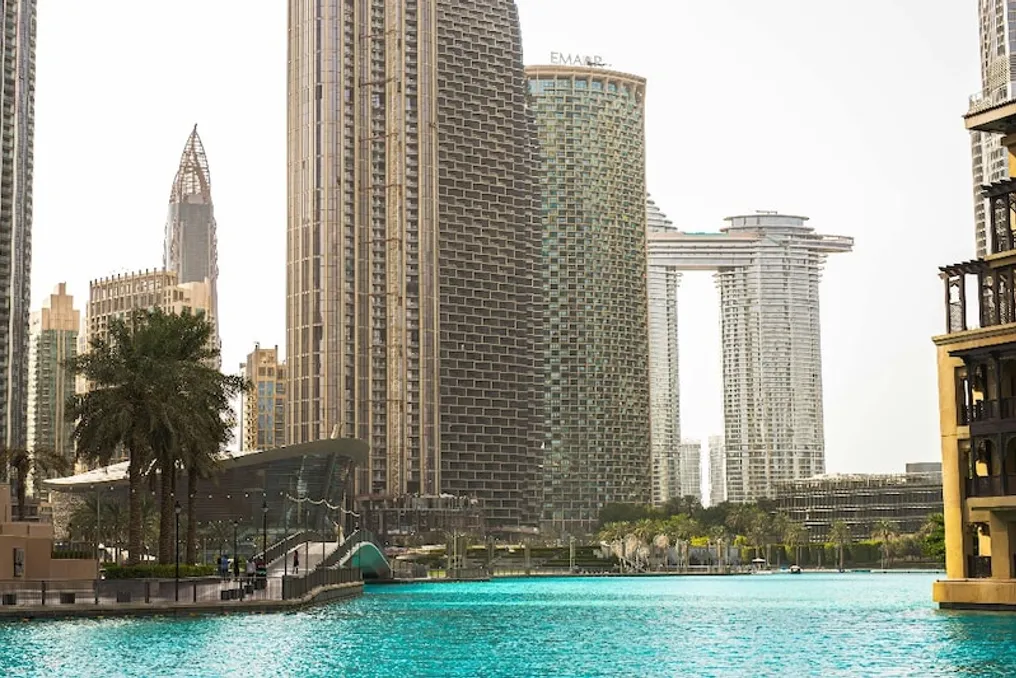
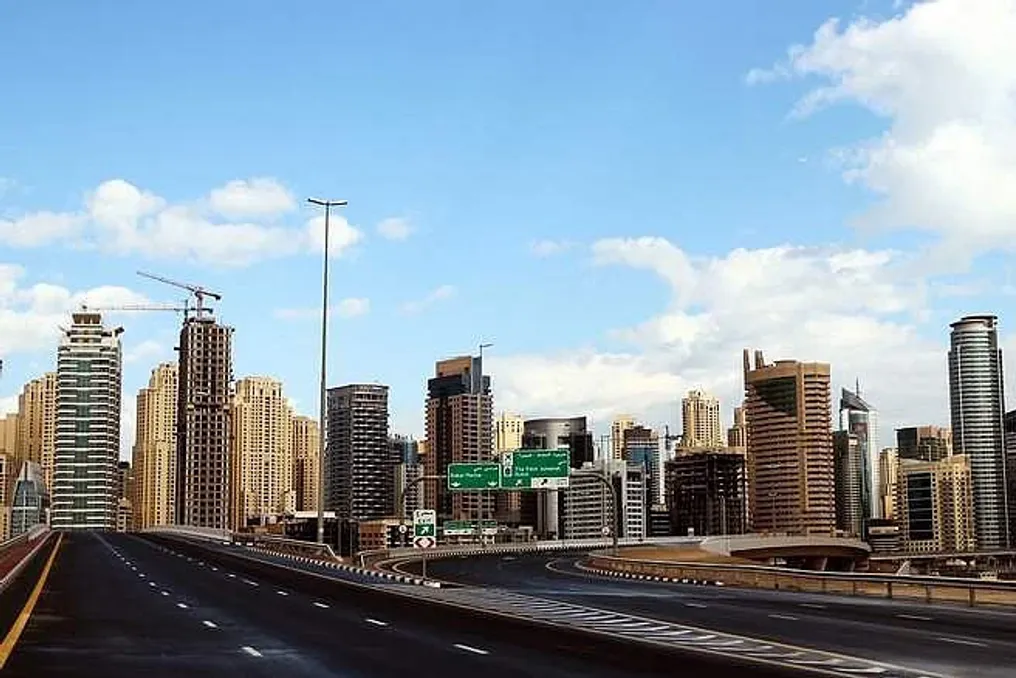
Dubai remains the most active luxury real estate market with properties valued over $10 million, despite slowing activity
Read more
www.khaleejtimes.com

Dubai remains the most active luxury real estate market with properties valued over $10 million, despite slowing activity

Despite an overall decrease in activity, Dubai maintained its status as the busiest super-prime residential real estate market in the third quarter of 2026, ranking first in the number of sales of properties valued over $10 million, according to Knight Frank data.

According to the Global Super-Prime Intelligence report from the consulting firm, Dubai registered 86 such transactions totaling $1.57 billion in the third quarter, surpassing Hong Kong with 78 deals and New York with 62.

Over the 12 months ending in September, Dubai concluded 525 transactions worth $9.25 billion, significantly outpacing all other locations in the index. Hong Kong ranked second, showing 346 sales totaling $6.65 billion.

However, the last quarter showed weakening indicators: sales in Dubai decreased by 34% in volume and 28% in value compared to the second quarter, reaching the lowest level since the third quarter of 2024. Compared to the previous year, the number of deals fell by 16%, and the value decreased by 21%.

Knight Frank notes that the second consecutive quarterly decline confirms that the exceptional pace seen at the beginning of 2026 has slowed down. The Dubai luxury real estate market has historically shown high results due to the influx of millionaires and ultra-high-net-worth individuals.

The real estate consulting company CBRE also reported in its latest report that high-end and luxury locations are outperforming other less prestigious communities.

Hong Kong slightly edged out Dubai in total value, reaching $1.58 billion compared to Dubai's $1.57 billion. This marked the first time Hong Kong topped the value ranking since the second quarter of 2022.

Sales in Hong Kong dropped by 16% compared to the second quarter, but they were 39% higher in volume and 52% higher in value compared to the same period last year.

Global Picture

Liam Bailey, Global Head of Research at Knight Frank, stated: 'Activity in the super-prime segment slowed in the third quarter, but a more significant point is the change in leadership. Hong Kong surpassed Dubai in value for the first time in four years, and Sydney recorded a record quarter.'

Across the 12 tracked markets, 470 super-prime transactions were made in the third quarter, which was 19% less than the revised total for the second quarter and 2% less than the previous year. Total sales value amounted to $8.7 billion, which is 18% less in the current quarter but 1% more than a year ago.

Sydney led the quarter, more than doubling sales to a record 57 and increasing the value by 77% to $724 million. New York was one of the few major markets to show improvement, registering 62 sales worth $1.08 billion, which is 9% and 11% more compared to the second quarter, respectively.

In London, sales fell to 42, and the value halved to $722 million, as the large deals observed in the second quarter did not repeat. Los Angeles recorded only 18 sales, the lowest figure in this series.

Asia-Pacific markets accounted for 38% of sales in the third quarter, up from 29% in the second quarter, while US volumes fell by 30%. Over the 12 months ending in September, global sales reached $41 billion, roughly corresponding to the figures for the 12 months ending in June. Knight Frank noted that a key theme to watch in 2027 will be the depth of Hong Kong's recovery.

Popular