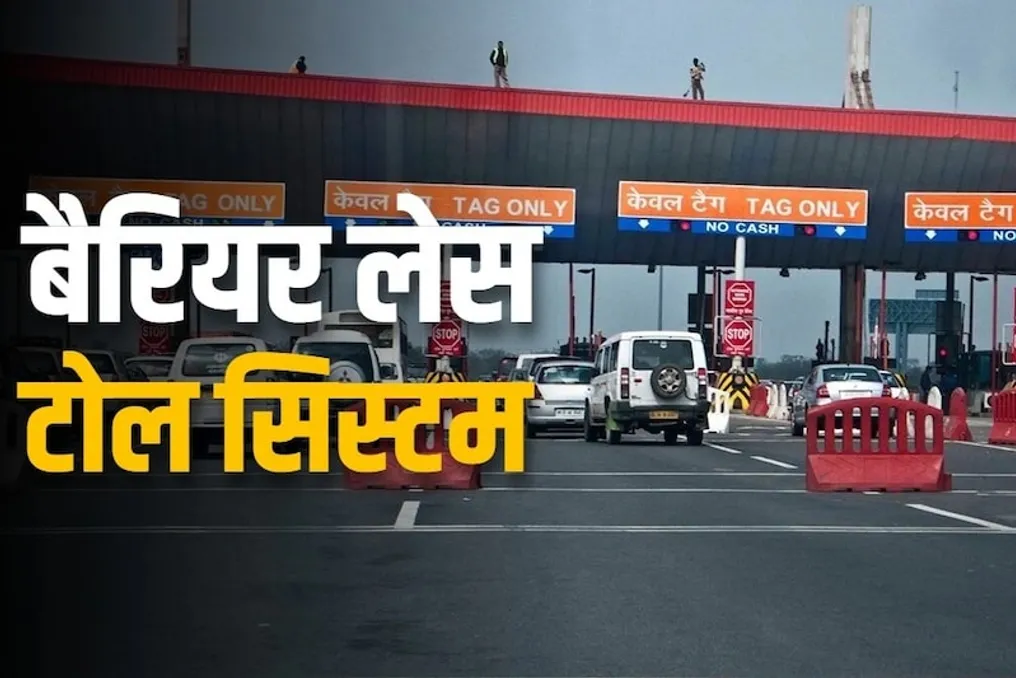
The experience of passing through toll plazas on the country's national highways may soon change completely. Drivers will no longer have to wait in long queues or stop to pay road tolls. The Multi-Lane Free Flow (MLFF) system from the National Highways Authority of India (NHAI) is making significant changes in this area. This new technology not only simplifies travel but has also led to a substantial increase in government revenue from tolls.
According to the latest data from NHAI, toll collection at seven points connected to this system has increased by 15.66% to 26.85%. NHAI, which falls under the Ministry of Road Transport and Highways, has installed a total of nine such MLFF systems on the country's main highways. However, in the report as of October 31, 2026, only seven toll plazas were accounted for, as data for two recently launched plazas is still unavailable.
NHAI reports that these seven toll plazas generated a total net revenue from toll collection of 538.95 crore rupees. Before the implementation of the MLFF system, the revenue of these plazas was 449.72 crore rupees. Thus, after applying the new technology, an additional revenue of 89.23 crore rupees was generated, corresponding to a 19.84% increase in toll collection compared to old figures.
Initially, the MLFF system was launched at the Chhorasi toll plaza in Gujarat state on May 1, 2026. After this, the technology was implemented on various highways. Furthermore, in the Nemili and Chensumdram toll plazas in Tamil Nadu state, this system was opened on November 12 and November 21, 2026, respectively. These two plazas are the newest MLFF toll plazas and are not yet included in the revenue statistics of the seven plazas.
According to NHAI, after implementing this technology, the number of toll payment transactions has increased at all relevant toll plazas. This means that more vehicles pass through these routes, which also contributes to the growth of toll collection.
How does the barrier-free toll collection system work?
The MLFF system does not require vehicles to stop for toll collection. Special cameras installed above the highway scan vehicle license plates. Simultaneously, the FASTag installed in the car is identified using a long-range radio system. By comparing both these pieces of data, the identity of the vehicle and its registered owner can be established.
Thanks to this system, vehicles can pass through the toll plaza without stopping and without needing to enter a specific lane. The driver does not need to stop at the collection post, wait for FASTag scanning, or look for a spot among other cars to proceed.
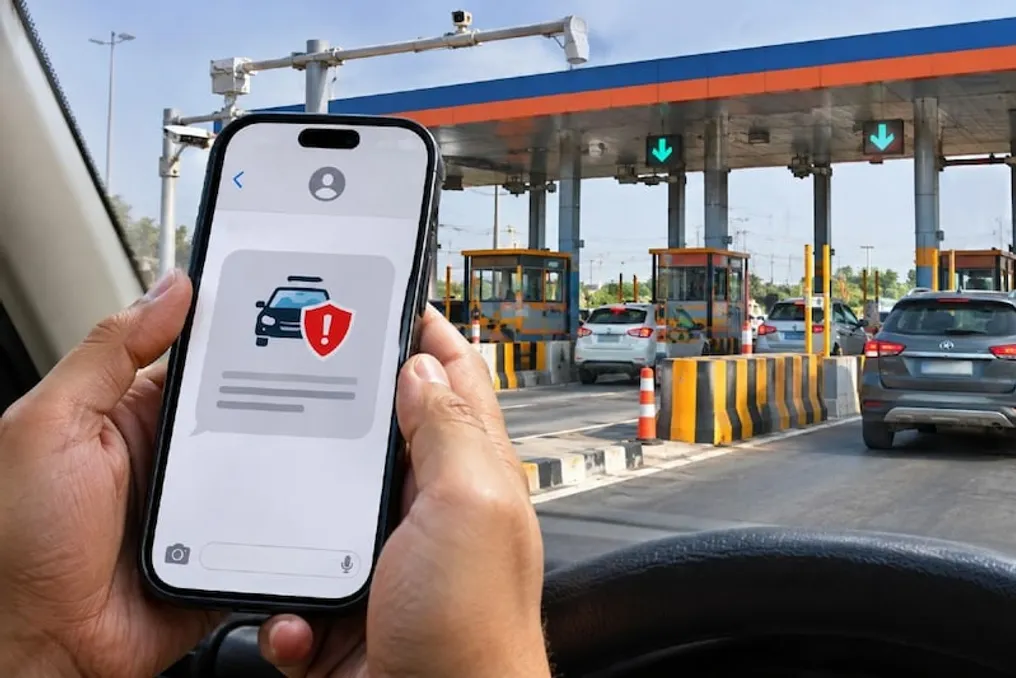
Even if the vehicle's FASTag or license plate cannot be verified by the system, the vehicle does not stop on the road, thus not blocking the movement of subsequent cars. In such cases, the matter is resolved later through an electronic fine.
Toll Collection and Recovery via Electronic Fines
According to NHAI, about 60% of the amount issued through electronic fines at toll plazas linked to the MLFF system has already been recovered. This indicates that the automated system helps ensure compliance and recover debts. Another advantage of this technology is the reduction in congestion at toll plazas, which saves people's time and eliminates the need to frequently stop or slow down vehicles. Consequently, this leads to reduced fuel consumption and environmental pollution. Furthermore, NHAI's operating costs for toll plazas decrease.
NHAI's Attention to License Plate Violators
However, some challenges arise with this new technology. NHAI has recorded instances where vehicle owners intentionally cover or alter their vehicle's license plates. The goal of this behavior is to prevent cameras from recognizing the license plate and to avoid paying the toll. To curb such actions, NHAI has set up police checkpoints at some MLFF toll plazas. Simultaneously, work is being done with the respective state governments to take action against drivers who commit toll evasion.
NHAI plans further refinement of this technology in the future. Work is underway on an Artificial Intelligence (AI)-based vehicle tracking system. Additionally, MLFF is being integrated with the Central Government's Vahan vehicle database. This can facilitate vehicle identification and the detection of violators attempting to evade toll payments. Various types of penalties are also being considered to strengthen measures against those engaged in illegal toll evasion.