Review of Classic Video Games from the 90s and 2000s: Mario, Contra, and Snake
Read more
Aaj Tak
www.aajtak.in

Review of Classic Video Games from the 90s and 2000s: Mario, Contra, and Snake

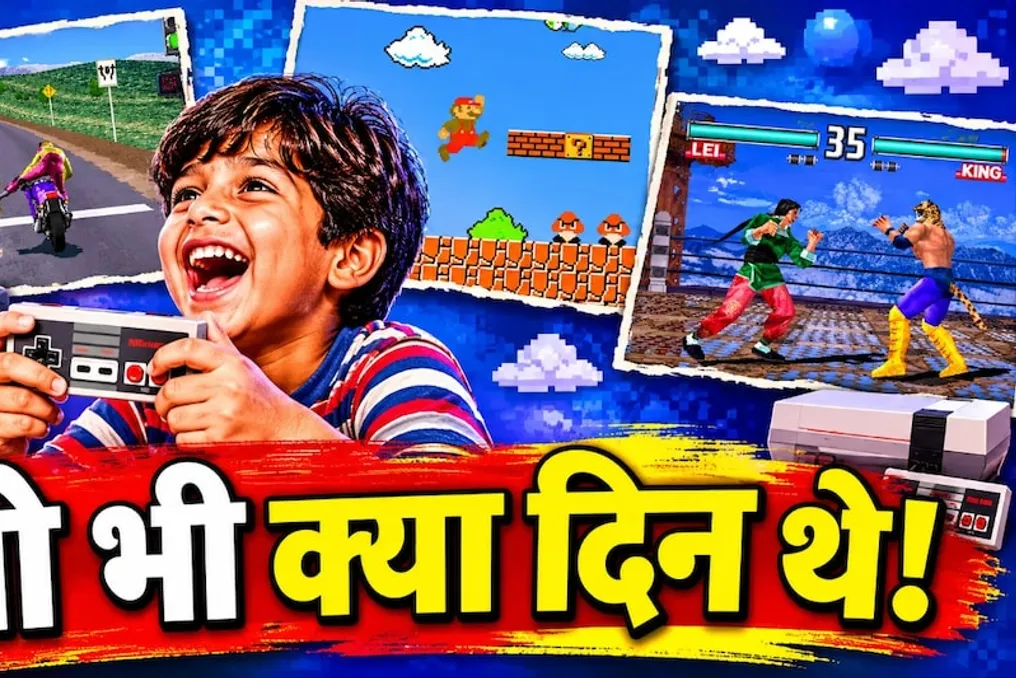
The modern Generation Z has access to numerous gaming options, including high-tech smartphones, PlayStation, and online games. However, the gaming experience of people who spent their childhood in the 90s and 2000s was different. Their gaming was limited to video games connected to a television, using a controller, and trying to move their favorite character across the screen.

Whether it was saving Mario, fighting enemies in Contra, driving a tank, motorcycle racing, combat, or playing Snake on old mobile phones, these 10 video games are associated with many childhood memories for Generation Z.

The first game, Super Mario Bros., told the story of a small character in a red hat who went to save Princess Peach in the Mushroom Kingdom. Pipes, mushrooms, coins, and enemies made this game engaging, and the thrill of moving Mario and overcoming new levels still holds a special place in the world of games.

In Contra, two players could fight enemies together. Defeating opponents and completing difficult levels with a gun in hand was not an easy task. The legendary control code—up, up, down, down, left, right, left, right, B, A—is still recalled by old gamers.

Tank 1990, Battle City, required the player not only to destroy enemy tanks with their own but also to defend their base. Ambush attacks from behind walls and cooperative tank control with friends constituted its interesting part; despite its apparent simplicity, the game demanded serious strategy.

Road Rash was a real treasure for motorcycle racing enthusiasts. In this game, the player had to win races by quickly controlling the motorcycle. Competition with other racers and attempts to knock them down made the game more exciting.

After Tank and Mario, Sonic the Hedgehog gained popularity due to its high speed. A feature of the game was collecting golden rings, destroying enemies, and quickly completing levels. Sonic occupied a unique place in the video game industry.

The essence of this game lay in a duel between two players. Characters like Ryu, Ken, and Chun-Li became famous for their special moves. The key to victory was the timely application of punches, kicks, and special attacks.

Tekken gave a new look to fighting games. In it, one had to fight various fighters, each possessing their own unique moves and fighting style. Choosing the best fighter among friends was a fun activity in itself.

Dangerous Dave had a special name for those who played on computers. In this game, Dave had to pass various levels, avoiding enemies and collecting treasures along the way. Despite the limited graphics, its excitement kept players glued to the screen for a long time.

Prince of Persia was famous for its magnificent action and complex routes. The player had to move forward, avoiding traps, dangerous pits, and enemies in the guise of a prince. Key moments were jumping at the right time and fighting with a sword.

The game Snake on old mobile phones also offered a special experience. One had to control the snake on the screen, collecting small pieces of food. The snake grew longer each time, and it had to be protected from collisions with walls or its own tail. This small game could entertain for hours.

Today, gaming has become much more modern thanks to stunning graphics, online competitions, and virtual worlds. Nevertheless, games like Mario, Contra, and Road Rash had their unique charm. These games not only brought pleasure but also provided many unforgettable childhood moments spent with friends.
Similar stories

10 board games like Ludo, Business, and Scrabble that were popular in every home
Read more
www.aajtak.in

10 board games like Ludo, Business, and Scrabble that were popular in every home

Today, much of Generation Z's time is spent on mobile, online multiplayer, and video games. However, there was a period when playing board games with friends or family was the main form of entertainment. This did not require mobile phones or the internet.

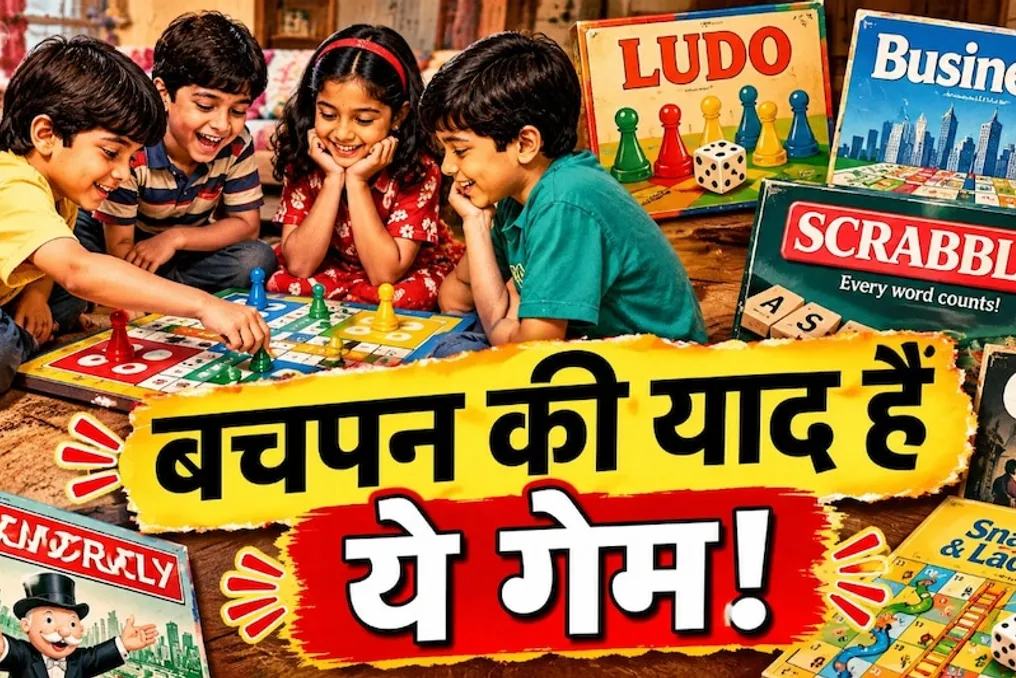
All that was needed was a board, a few pieces, dice, and people to play. Whether it was the joy of winning at Ludo, the race to become the richest in Business, or the funny drawings in Pictionary, these games had their own world. These 10 board games—Ludo, Business, Scrabble, Sudoku, Carrom, Chess, Pachisi, Monopoly, Jenga, and Pictionary—can bring back childhood memories.

Ludo is one of the most popular board games in India. Many still remember the joy of rolling a six, waiting for the four colored pieces. Previously, this game was played on a table spread on the floor, but now it is actively played as a mobile application. Its popularity endures even in the digital age.

In the game Business, players built their businesses by buying land, houses, and real estate. The goal was to charge rent to other players and accumulate as much property as possible. In this game, it was important to combine luck with financial calculations. It introduced many children to the world of business at an early age.

For word game lovers, Scrabble was an excellent option. In it, you must form words from letter tiles, and each letter has its own value. The more complex and longer the word, the more points it earns. This game served as a good way to expand vocabulary in English, combining entertainment with learning.

In this game, a ladder lifts the player up, and a snake sends them down. After rolling the dice, fate determined whether the player would get closer to victory or roll back. The main feature was that even small children could easily master it.

Carrom was not just a board game, but an opportunity for competition between friends and family. The most exciting element of the game was pocketing the pieces using a striker and crowning the queen. During holidays and evenings, a whole group often gathered around the Carrom board.

Chess is a game of mind and strategy. Every move requires a thoughtful decision. It is not easy to defeat an opponent using the king, queen, rook, knight, and pawns. Thanks to online chess platforms and young players, the popularity of this game has grown among the new generation.

Pachisi is considered an old Indian version of Ludo. In this game, you must move pieces along a route drawn on fabric or a board to reach the goal. This game, connected to Indian history and traditions, has been mentioned since ancient times.

In Monopoly, players acquire properties, collect rent, and try to bankrupt others. Like in Business, financial management and timely investments are important here. It is among the most famous board games in the world.

The rule of this game is to build a tower out of wooden blocks and then remove one block. The player must ensure that the tower does not fall. The winner is the one who manages to keep the tower standing until the very end. The game becomes even more exciting when played with friends.

In this game, you have to explain a word or object without saying it aloud, but by drawing it. The team must guess the correct answer. Even a bad drawing can sometimes be so funny that you can't stop laughing.

Although Generation Z today has many digital options for games, the pleasure of board games was different. They offered the opportunity to socialize with victories and defeats, laughter, and spending time with loved ones. Perhaps this is why memories of these board games bring smiles to people's faces even in the digital age.

Popular TV Shows from Past Years Worth Watching for Gen Z
Read more
www.aajtak.in

Popular TV Shows from Past Years Worth Watching for Gen Z

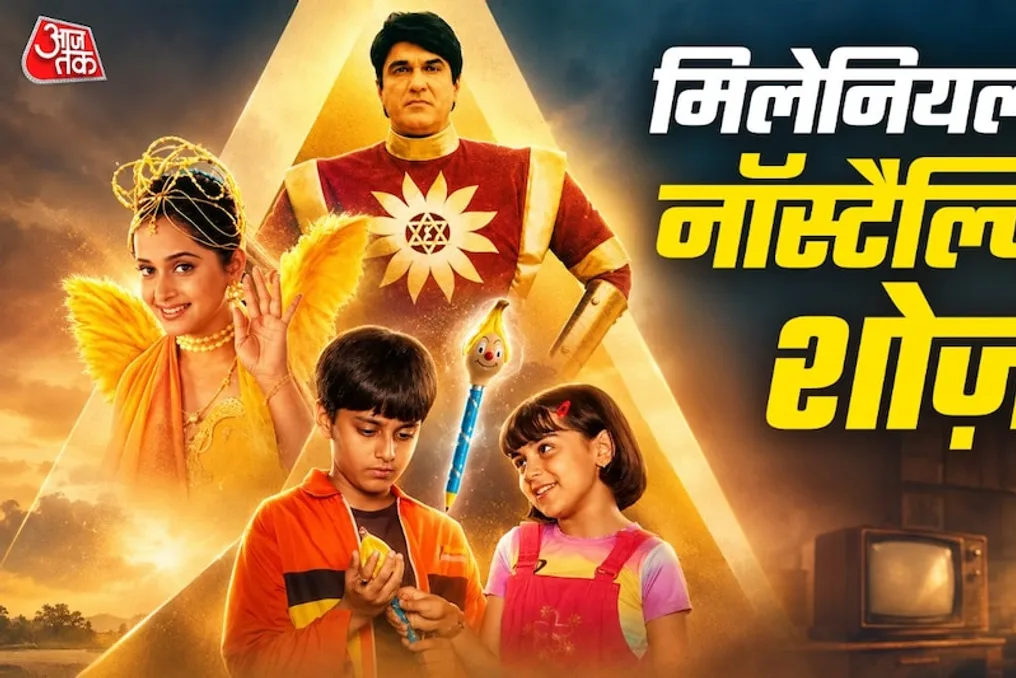
The childhood of the current generation, Gen Z, unfolded amidst YouTube, OTT, and mobile screens, offering them numerous entertainment options. However, the childhood of millennials was different; some television shows from that era became an integral part of children's lives. It was a daily habit to turn on the TV after school and wait for a favorite show. The stories, characters, and music of these programs still remain in the memory of many. Below are 10 such TV shows that Gen Z should know about.

The first is 'Shaktiman,' which was extremely popular among children in the 90s. Shaktiman, known as Gangadhar, protected people from evil with his strength. Children loved how he flew through the air and fought criminals. This series also conveyed a message of good and truth to children.

'Sonpari' was a magical world that many millennials still recall. In this show, the story of a girl named Fruti and Sonpari, who helped her, was told. The magic of Sonpari and the fun of her friend Altu provided great entertainment for children.

'Shaka Laka Boom Boom' was distinguished by the fact that objects created with this pencil became real. This feature made it a favorite show for children. Sanju's adventures with his magic pencil are still remembered by viewers.

The story of 'Hatima' was filled with adventure and magic. Hatim traveled to different places to find answers to seven questions. Along the way, he encountered many difficulties and dangerous characters. The plot of the series transported children to a completely new world.

If you like ghost stories, you should remember 'Vikral and Gabral.' This show featured tales related to various spooky events and mysterious characters. The combination of fear and comedy made it special for children.

'Karishma Karishma' revolved around a girl who was actually a robot. Karishma went to school like ordinary children and lived with her family. The show's attempts to understand her behavior and human emotions made it amusing.

'Shararat' featured a magnificent blend of magic, family, and comedy. The plot was built around magical women of three generations. The magical deeds of Jii and her grandmothers pleased the children.

'Aladdin' presented a story full of adventure, magic lamps, and genies. Various television series based on this story entertained children. The world of the magic lamp and the genie made it unforgettable.

In their childhood, millennials watched not only magical shows but also comedies. 'Shriman Shrimati' was such a popular comedy show. The funny banter between neighbors and the comedy of the characters made it special.

'Ham Punch' told the story of a family where each member had a unique character. The jokes of five daughters and their funny conversations with their father formed the essence of the show. Its comedy and characters were among the memorable TV shows.

Today, Gen Z has many platforms for entertainment, but the specialty of these old shows was their plots and characters. By watching them, Gen Z can not only understand the childhood of millennials but also feel the atmosphere of television entertainment of that era.

10 Old Millennial Games That Gen Z Might Not Know
Read more
www.aajtak.in

10 Old Millennial Games That Gen Z Might Not Know

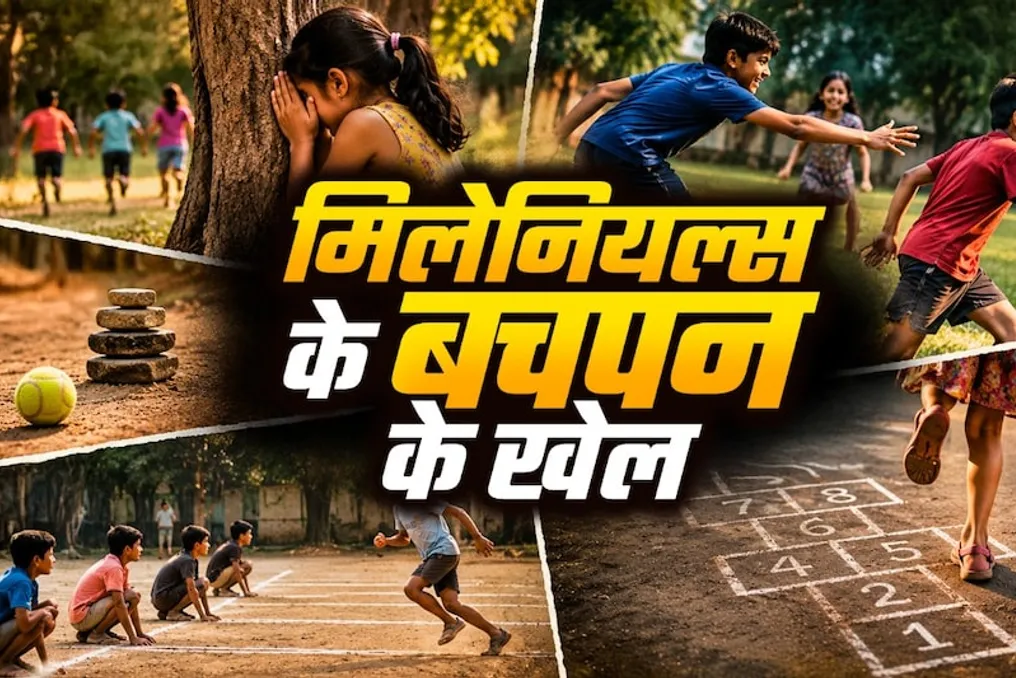
The modern gaming industry, based on mobile devices and video games, has significantly changed the world of games for the current generation of children. Millennials, born in the 90s and early 2000s, used to go out after evening to play. Games such as 'Unch-Nich Ka Padra' (high-low), 'Chupan Chupai' (hide-and-seek), and 'Pittu' were an integral part of their daily lives. These games did not require expensive toys or a special field; a group of friends and the desire to play were enough.

Below is an overview of some of these traditional games that millennials actively played, and a question of whether Gen Z members are familiar with them.

1. Unch-Nich Ka Padra: In this game, one player became the 'dinner,' and the others chose high or low spots. To avoid being caught by the 'dinner,' players had to change their positions, trying to remain unnoticed.

2. Barf-Pani (Ice-Water): This game resembles tag. The 'dinner' touched a player and said 'Ice,' causing them to freeze in place. A second player would touch them and say 'Water,' allowing them to participate in the game again.

3. Chupan-Chupai (Hide-and-Seek): In this game, one person closed their eyes and counted while everyone else hid. Then they had to find everyone and tap on a pre-agreed spot.

4. Vish-Amrit (Poison-Elixir): This game is similar to 'Barf-Pani,' but instead of saying 'Ice,' 'Poison' is said, and instead of 'Water,' 'Elixir' is said. The 'dinner' touched a player, applying 'poison' to them, and the second player restored them by saying 'elixir.'

5. Chen-Chen (Chain-Chain): In this game, the player caught by the 'dinner' held onto them by the hand, and together they started catching other players. Gradually, a long chain of players formed, catching others.

6. Chor-Polis (Thieves-Police): Children divided into two teams: police and thieves. The police's task was to catch the thieves and bring them to a designated spot that served as jail.

7. Poshm Pa: In this game, two players stood facing each other, creating a gate with their hands, and the other children passed under them while singing a song. As soon as the song ended, the gate closed, and whoever was under the closing gate was eliminated from the game or had to choose one of the teams.

8. Stapu: In 'Stapu,' various figures were drawn on the ground. Players threw a stone at a specific figure and then jumped over the other figures on one leg. This required both balance and accuracy.

9. Kho-Kho: Two teams participated in this game. Players from one team sat in a row on the field, and a player from the other team tried to catch them. Passing the ball (kho) to another player transferred the responsibility of chasing.

10. Pittu: In this game, seven flat stones are stacked on top of each other. One team hits them with a ball, trying to knock them down, and then tries to gather them again, while the other team tries to eliminate players using the ball.

The specialty of these games lay not only in their fun but also in teaching children teamwork, accepting defeats and victories, and mastering new techniques while playing with friends. Today, Gen Z has many digital forms of entertainment, but the pleasure from these old games was special. Perhaps some young people played them in childhood, but for many, they remain just memories of parents or older siblings. The question remains open: will Gen Z revive these games?

Popular