
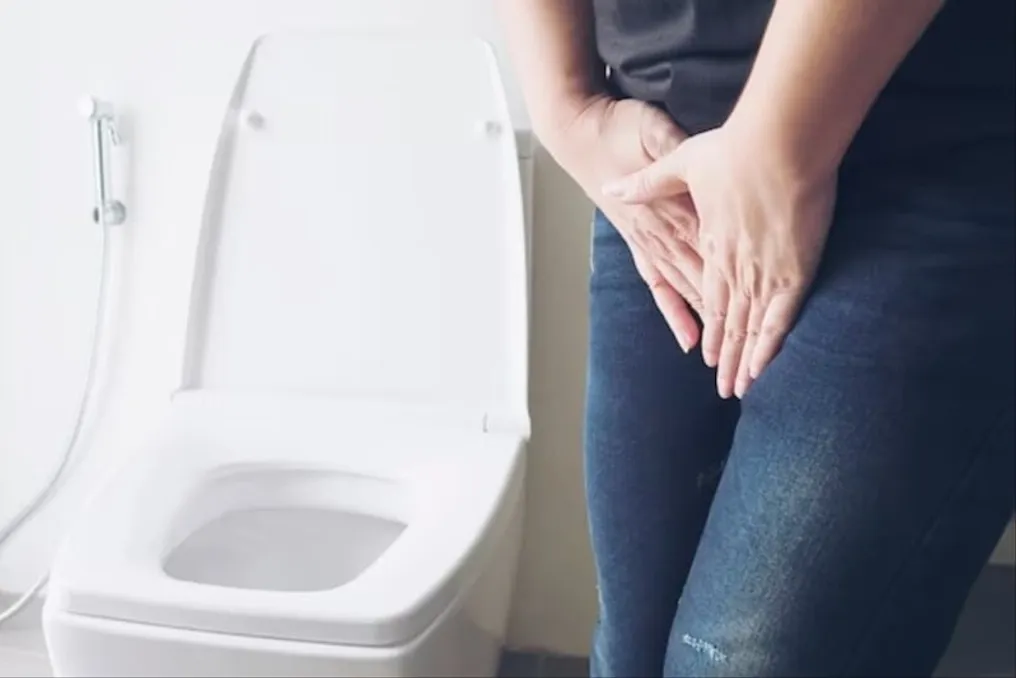
Frequent urination shortly after visiting the toilet may be a sign of bladder problems
Read more
Aaj Tak
www.aajtak.in

Frequent urination shortly after visiting the toilet may be a sign of bladder problems

Some people find themselves needing to go to the toilet again just minutes after urinating. While excessive water intake can be the cause of this phenomenon, if the problem persists despite moderate fluid consumption, it is advisable to consult a doctor.

According to medical professionals, such symptoms can be caused by various reasons, including an overactive bladder, a urinary tract infection, or a blockage in the urinary tract. An overactive bladder occurs when the bladder muscles begin to contract prematurely, creating urine pressure. Typically, the brain receives the signal to visit the toilet only after a sufficient amount of urine has accumulated in the bladder; however, with this condition, a strong urge can arise even with a small amount of urine, causing the need to urinate again within minutes of the first emptying.

Dr. L.H. Goteker, a senior professor at Lady Harding Medical College in Delhi, notes that issues with an overactive bladder are more common with age, particularly in people over 50, although it can occur in younger individuals as well. Furthermore, frequent urination can be related to a urinary tract infection, which is accompanied by burning, pain, or discomfort in the lower abdomen. The problem of frequent urges can also arise with diabetes.

A doctor's consultation is necessary if the frequency of urination increases, if sleep is disturbed due to nighttime urges, or if a feeling of incomplete bladder emptying persists after using the toilet. A doctor can perform a urine analysis and check the residual urine volume in the bladder after urination based on the identified symptoms.

It is important not to take medication independently. Dr. Goteker warns that some people take pharmacy drugs without consulting a specialist. However, when experiencing such ailments, one should not self-administer antibiotics or bladder medications. Some patients may benefit from bladder training and pelvic floor exercises upon a doctor's recommendation.

Similar stories

Itching without rash may be a sign of liver disease
Read more
www.aajtak.in

Itching without rash may be a sign of liver disease

Usually, people attribute itching in the body to allergies or skin problems. However, if the itching occurs constantly and is not accompanied by a rash, it should not be ignored, as it can lead to serious consequences.

According to doctors, such a condition may be caused by a slowdown or complete cessation of bile flow in the liver. If symptoms such as increased itching at night, dark urine, and fatigue are observed, a medical examination is necessary.

Frequent nighttime urination may be linked to excessive salt intake, warns doctor
Read more
www.aajtak.in

Frequent nighttime urination may be linked to excessive salt intake, warns doctor

Some people experience the need to wake up at night to urinate, which can interfere with quality sleep. Although many tend to attribute this to kidney diseases or prostate problems, doctors point out that excessive salt consumption can also be the cause of this phenomenon.

Dr. L. H. Gotekar from the Department of Medicine at Lady Harding Medical College in Delhi explained the mechanism of this process. He noted that salt contains sodium, which is necessary for the body, but when consumed in excess, the level of sodium in the blood increases. This can trigger fluid retention in the body.

The increased amount of water retained in the body is then excreted by the kidneys through urine, leading to an increase in the frequency of nighttime urination. Nevertheless, the doctor advised undergoing examinations of both the kidneys and the prostate if the problem persists even after reducing salt intake.

According to a study published in the journal Neurourology and Urodynamics, scientists studied the effect of reducing salt intake on 321 patients. It was found that participants who reduced the amount of salt in their diet experienced fewer nighttime awakenings to urinate, and no kidney or prostate problems were detected in them.

It is necessary to consult a doctor if you have to get up to urinate two or more times every night, and this negatively affects your sleep. Consulting a specialist is also required if you experience symptoms such as burning during urination, blood in the urine, severe thirst, leg swelling, or frequent urges to urinate during the day.

Bathroom Floor Cleaning Tips: Why It Stays Sticky Even After Daily Cleaning
Read more
www.aajtak.in

Bathroom Floor Cleaning Tips: Why It Stays Sticky Even After Daily Cleaning

Even with regular household cleaning, whether it's mopping floors or cleaning kitchen tiles, some areas can remain dirty and sticky. The bathroom is one such place. People clean and sweep the bathroom daily using mops and cleaning agents, but the floor still doesn't shine.

If you feel stickiness when walking on the bathroom floor, the cause might not just be dirt. Often, a small mistake during cleaning becomes the source of this problem. The issue is that excessive use of soap, cleaning agents, or polishes can create a film on the floor that causes stickiness even after drying. However, this problem can be solved by paying attention to several simple points.

Firstly, many people believe that more cleaning agent will provide better cleanliness, but this is not true. An excess of cleaner can leave a layer on the floor that becomes sticky after drying. Therefore, you should always mix the cleaning agent in water according to the instructions on the bottle. If the floor is already sticky, it needs to be washed again with clean warm water.

Secondly, you should avoid using large amounts of soap. Some people add a lot of soap or dishwashing liquid to the water for mopping. Instead of cleaning the floor, this can lead to the formation of a soapy film, causing the floor to stick to your feet after drying. It is recommended to use soap in limited quantities; about one tablespoon of dishwashing liquid per bucket of water should be enough. After cleaning, be sure to wipe the floor with clean water.

Thirdly, polishes and waxes can also contribute to stickiness. Frequent application of these products creates multiple layers on the floor, to which dust and dirt adhere, making the floor dirty and sticky. Therefore, you should avoid applying polishes or waxes unnecessarily. When working with wooden floors, always use products suitable for that type of finish.

Furthermore, you cannot simply mop sticky areas. If oil, soap, or any greasy substance spills on the bathroom floor, you should not immediately wipe it up with a mop. This can spread the grease across the entire floor. It is better to first clean the area with a cloth dampened with warm water and a small amount of dishwashing liquid. Then wipe with clean water and remove moisture with a dry cloth.

It is also important to use vinegar correctly. Although some use vinegar to remove grease from the floor, it is not suitable for all types of surfaces. Vinegar should especially be avoided on natural stone, such as marble and granite, because its acidic composition can damage the shine and coating of the floor. Before use, ensure that the vinegar is safe for your type of floor.

Another reason for stickiness is a dirty mop and water. If you repeatedly mop the floor in the same dirty water, dust and dirt will settle on the floor again, and it will not look clean even after cleaning. Therefore, the water must be changed as soon as it gets dirty. Mops with sponges should be thoroughly rinsed and wrung out, and if disposable wipes are used, they should be changed regularly.

To prevent the bathroom floor from being sticky, it is necessary to remember these recommendations.

Popular