During Kartik Purnima, approximately 3 million pilgrims performed sacred bathing in the Ganges, Sarayu, and other water bodies in Uttar Pradesh. The largest number of people arrived in Prayagraj, and about 1.1 million lamps illuminated 84 banks of Kashi.
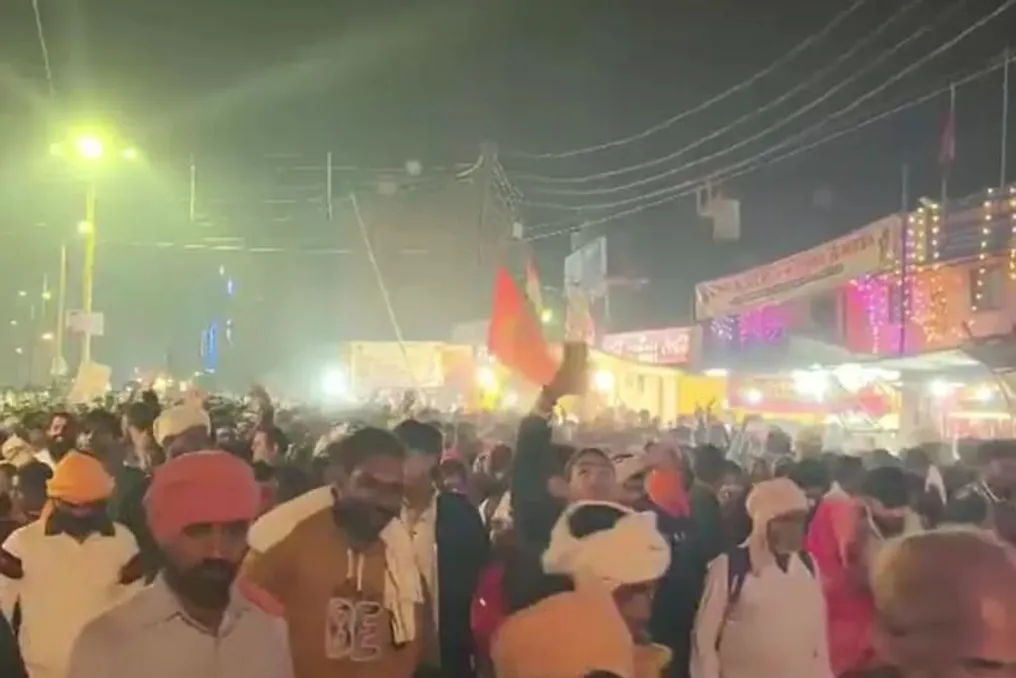
On the day of Kartik Purnima, a huge flow of devotees was observed at various holy sites in Uttar Pradesh. Pilgrims gathered on the banks of the Ganges and Sarayu from early morning. Some loudly chanted 'Hara Hara Gange,' while others immersed themselves in the water chanting 'Jai Shri Ram.'
According to statistics, about 3 million pilgrims performed sacred bathing from Kashi to Ayodhya and from Prayagraj to Naimisharanya. Approximately 10 million people immersed themselves in Prayagraj. Meanwhile, 500 thousand pilgrims came to bathe in the Sarayu river in Ayodhya.
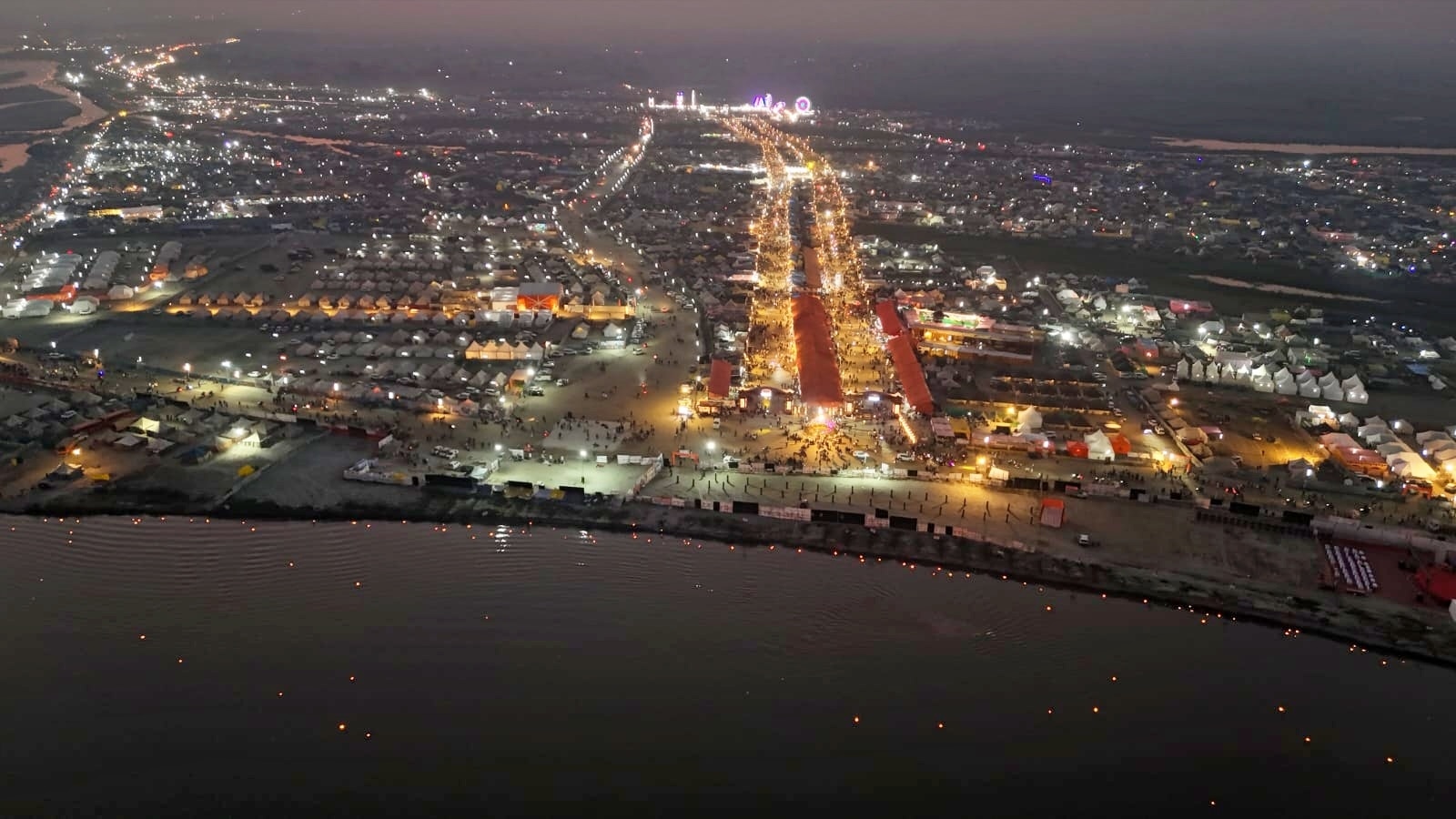
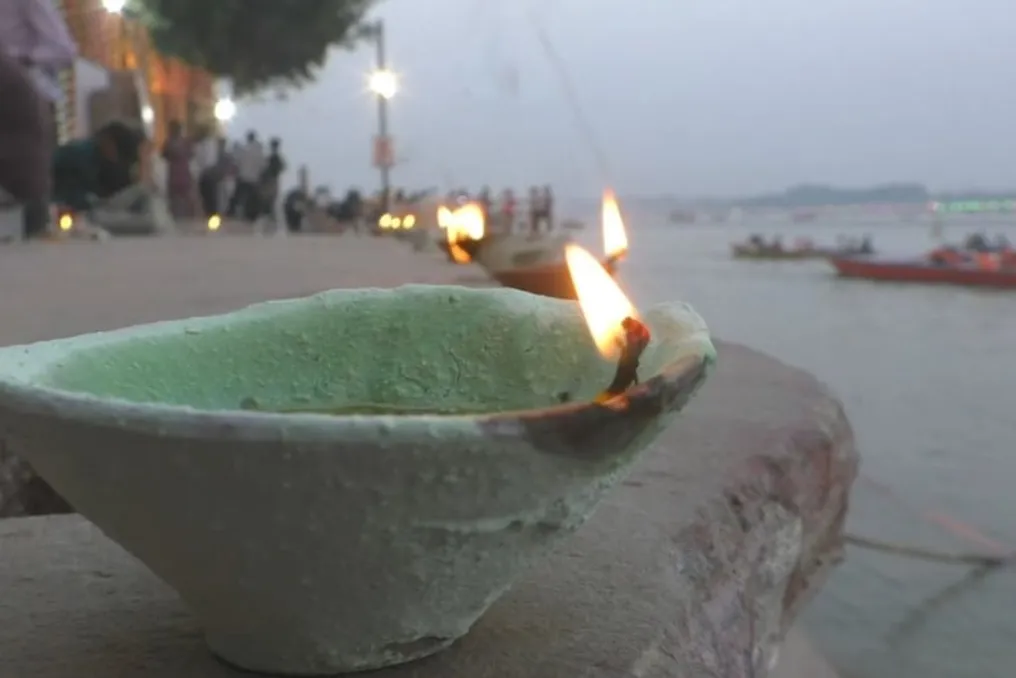
The view of the banks of Kashi on this day was special. About 1.1 million clay lamps decorated 84 banks of Varanasi. In addition to religious events, shows in 3D format and using drones were held on the banks.
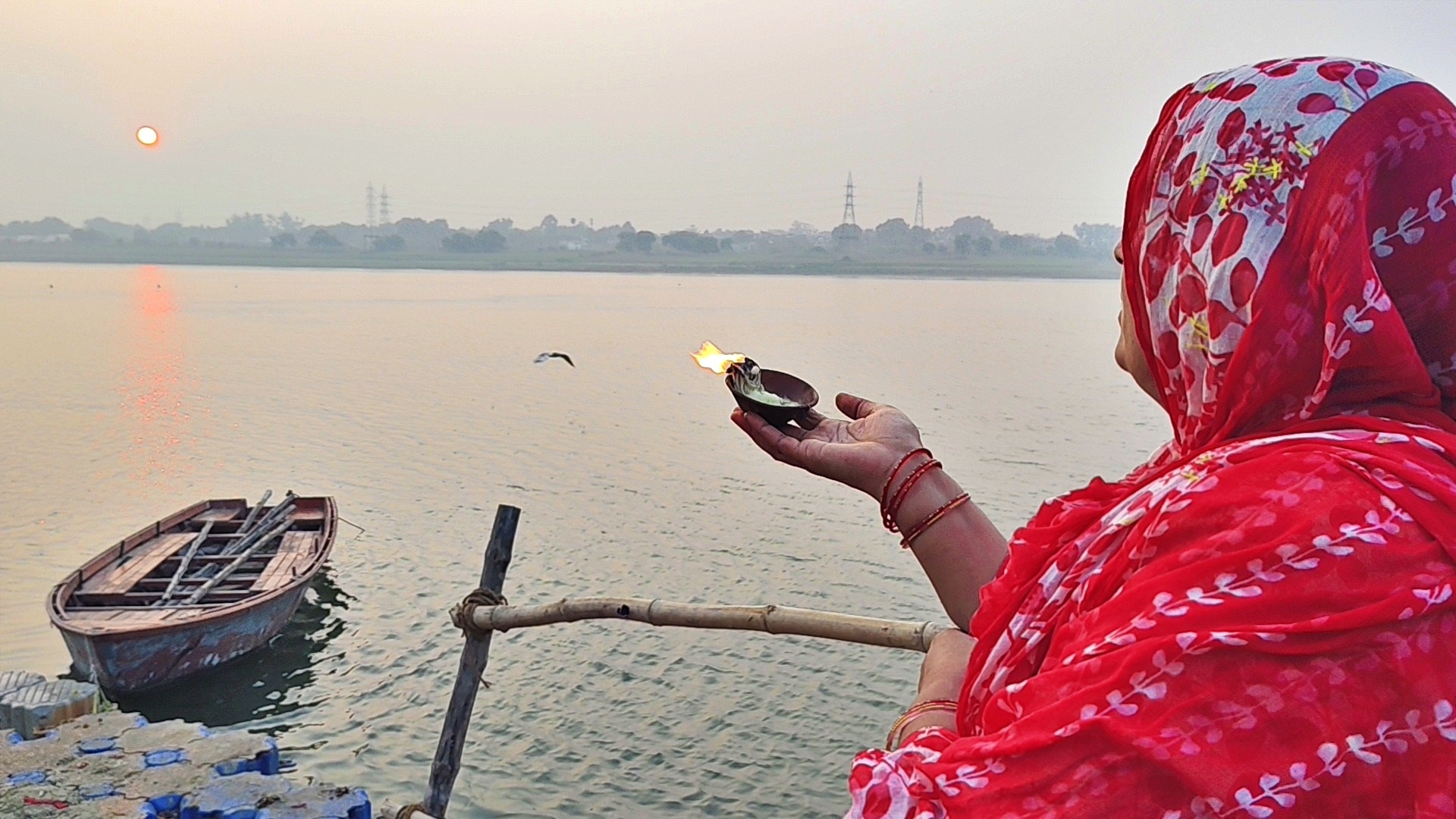
Pilgrims started arriving at the banks of the Ganges in Prayagraj from the early morning. It is estimated that about 10 million people performed sacred bathing here. About 800 thousand pilgrims also immersed themselves in the Ganges in Kashi. After bathing, people offered tributes to the Sun God and wished for the well-being of their families. Then, the pilgrims visited the temples of Baba Vishwanath, Baba Kal Bhairav, and Maa Annapurna, where long queues were observed.
In Ayodhya, about 500 thousand people bathed in the Sarayu river. Many pilgrims arrived at the banks early in the morning. After bathing, they performed worship in the temples and prayed to God for family happiness.
The banks of Varanasi were specially decorated for Kartik Purnima. About 1.1 million clay lamps were lit on 84 banks of the city. The light of the lamps on the Ganges bank and the crowd of pilgrims created a special atmosphere. The administration also organized 3D and drone shows and cultural events.
Pilgrims from different parts of the country bathed in the Ganges and visited temples. Sudha Ja, who arrived from Chhattisgarh to Kashi, noted that Yogi's government is doing work to promote Sanatana culture to new heights and highly appreciated the organizational measures. Shivam Chaube, a student of Sanghanandana University, stated that bathing in Kashi during Kartik Purnima has special significance. He added that administrative and police staff were involved in ensuring safety and transportation.
The influence of Kartik Purnima was not limited to Kashi, Prayagraj, and Ayodhya. In Harmukteshwar, Hapur, about 300 thousand pilgrims bathed in the Ganges. In Dalmau, Raebareli, about 200 thousand people immersed themselves in the Ganges. Additionally, about 200 thousand pilgrims participated in bathing and religious rituals at the ancient sanctuary of Naimisharanya, Sitapur.
A large number of pilgrims also arrived in Ballia to bathe in the Ganges. According to district administration data, it was expected that about 1 million people would bathe by noon. Pilgrims were also treated to flower drops by helicopter. After bathing, people visited the temples of Maharshi Bhrigu, Dardar Muni, and Baba Baleshwar Nath.
Furthermore, there were also large crowds of pilgrims on the banks of the Sarayu, Gaghar, Rapti, and small Gandak rivers in Deoria. Many began arriving at the banks of Rewali and Dharahra districts as early as Sunday evening. Accommodation was arranged for them in schools, colleges, guesthouses, and panchayat bhavans.
With the tradition of donations along with bathing
According to religious beliefs, after sacred bathing in a pure river on Kartik Purnima, worshipping gods and making offerings are especially important. According to astrologer Pandit Shri Rama Sharma, it is customary to light lamps and candles before God after bathing and meditating on this day. It is also considered auspicious to donate grains, warm clothes, and other necessary items within the framework of religious beliefs.