BYD releases third-generation electric SUV Tang with 850 km range and steer-by-wire technology
Read more
TechNode
technode.com

BYD releases third-generation electric SUV Tang with 850 km range and steer-by-wire technology

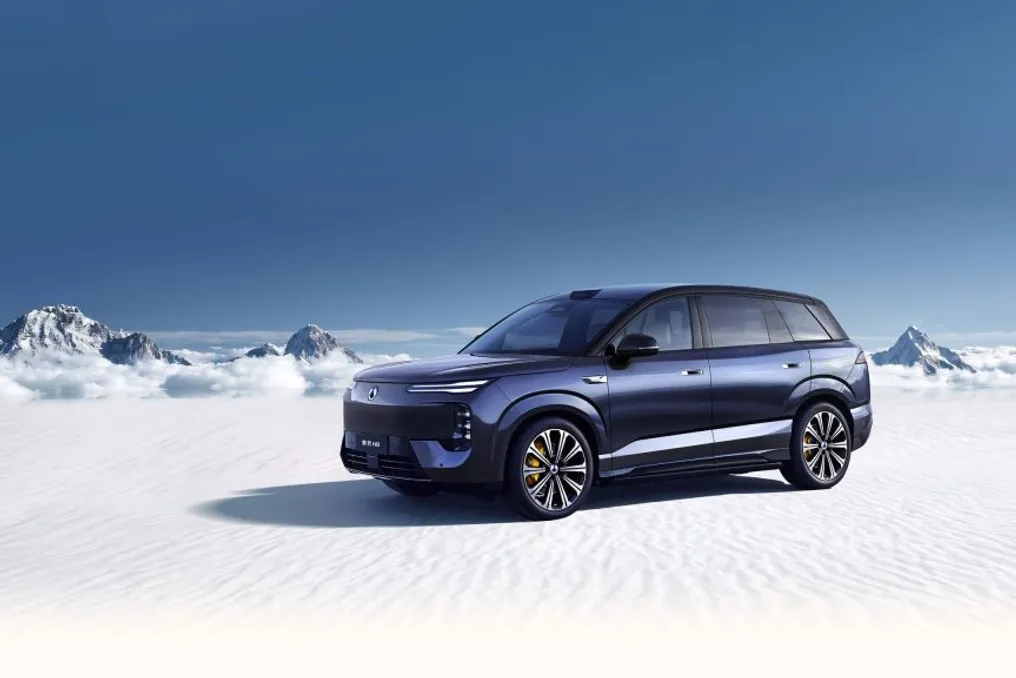
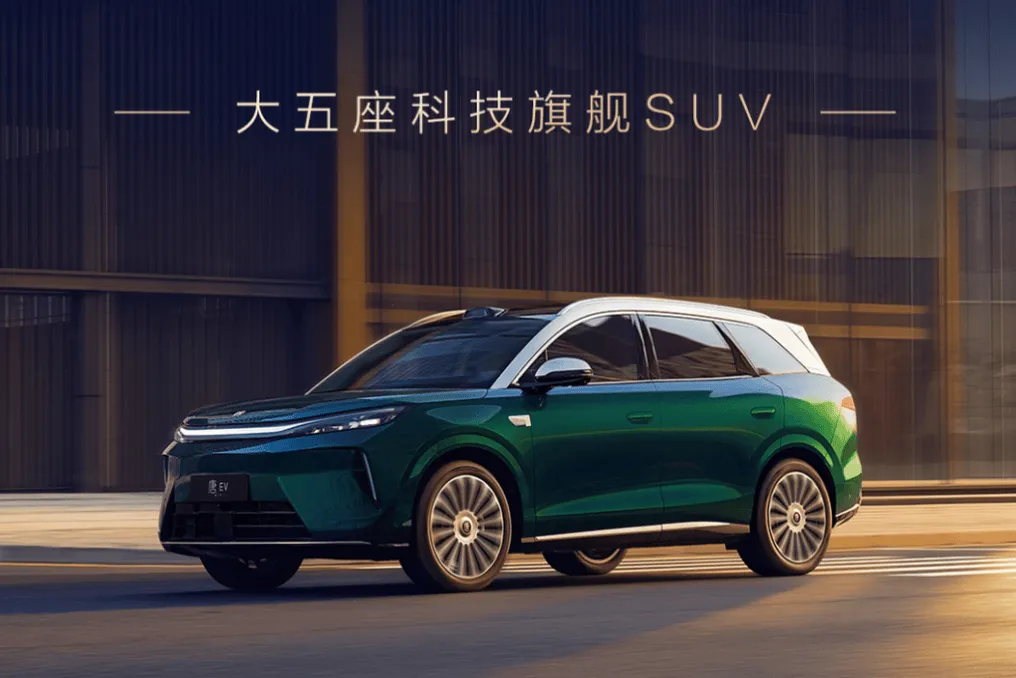
BYD has introduced the third-generation electric SUV Tang on Tuesday. The model is available in three variants with prices ranging from 187,900 yuan ($28,194 USD) to 219,900 yuan ($32,995 USD). This vehicle is positioned as a large five-seater fully electric SUV, while the optional package with all-wheel drive and steer-by-wire technology costs 20,000 yuan ($3,000 USD).

With the launch of this model, BYD's Dynasty series now includes two flagship electric SUVs: the seven-seater Datang and the five-seater Tang EV. The most noticeable change compared to previous versions of the Tang EV is the discontinuation of the seven-seater option, shifting the model's focus towards buyers who prefer a more spacious five-seater configuration.

This move also reflects BYD's more targeted approach to the electric SUV market segment priced around 200,000 yuan ($30,009 USD). The third-generation Tang EV measures 5,045 mm in length, 1,980 mm in width, and 1,760 mm in height, with a wheelbase of 2,950 mm. According to BYD, the legroom in the rear seats reaches 1,003 mm, and the rear seatbacks can recline up to 130 degrees.

The five-seater layout provides more cabin space for the second row and trunk compared to the seven-seater version, although practical utility will depend on seat comfort, storage capacity, and the driver's daily needs.

The new model is equipped with standard double wishbone front suspension and independent five-link rear suspension. Differences between modifications mainly concern the suspension system: mid- and high-spec trims feature dual-chamber air suspension, whereas the base version uses BYD's adjustable DiSus-C suspension. This means that air suspension is not available across the entire lineup.

Another significant feature is the new digital chassis system, steer-by-wire. This system supports both steer-by-wire and brake-by-wire technologies, eliminating the traditional mechanical connection between the steering wheel and the wheels. BYD claims that this system increases response speed by over 25%, but full steer-by-wire functionality requires the installation of the optional all-wheel-drive package for 20,000 yuan ($3,000 USD). The standard rear-wheel-drive version does not possess the full set of features.

Regarding range and charging, the rear-wheel-drive version offers a maximum CLTC rating of 850 km, while the all-wheel-drive version has a rating of 770 km. The car is equipped with BYD's second-generation Blade battery and fast-charging technology. The company states that charging from 10% to 97% state of charge takes only nine minutes.

However, two aspects must be considered: the car's maximum charging capacity and the availability of compatible charging infrastructure. The stated charging time is based on the use of specialized BYD fast-charging stations. The network is still expanding, and station density varies depending on cities and major highways. Therefore, the claimed CLTC range of 850 km and nine-minute charging are figures under specific conditions; real-world results will depend on driving style, temperature, road conditions, and access to compatible charging stations.

The third-generation Tang EV is also equipped with BYD's DiPilot 300 driver assistance system with LiDAR, which supports urban navigation assistance and intelligent parking. The cabin features a dual-screen system: an integrated 35.4-inch panoramic display and a 30-inch panoramic screen. It also includes the BYD voice assistant, Didi Xia, which supports dialect recognition and voice recognition throughout the cabin.

However, publicly available information regarding specific processor specifications remains limited. Screen size and the number of displays alone do not allow for an assessment of the actual user experience. Real-world testing will be necessary to evaluate factors such as system responsiveness when multiple screens are active, voice recognition accuracy, and the performance of driver assistance systems in complex urban environments.

The key difference in the third-generation Tang EV is not just the addition of new features, but a clearer focus on a specific use case. By abandoning the seven-seater configuration, BYD has concentrated on the space of the five-seater cabin, long range, and chassis technology.

Priced from 187,900 yuan ($28,194 USD) to 219,900 yuan ($32,995 USD), the new model will compete with electric SUVs such as the Tesla Model Y and XPeng G6. These models differ in dimensions, seating layout, driver assistance systems, and charging infrastructure.

Despite the relatively clear positioning of the third-generation Tang EV, there remain aspects that require evaluation. These include what percentage of the claimed 850 km CLTC range will be achieved in daily driving, whether BYD can expand its fast-charging network beyond major cities, whether the steer-by-wire system will lead to a noticeable improvement in the driving experience, and how reliably driver assistance functions will operate in real road conditions.

The five-seater configuration may appeal to families of two to four people who value rear seat space and comfort on long trips. However, buyers who regularly need to accommodate six or seven passengers might find a seven-seater SUV more practical.
Similar stories

Caoa Changan CS55 PHEV surpasses BYD Song Pro in various technical and cost-benefit aspects
Read more
autopapo.com.br

Caoa Changan CS55 PHEV surpasses BYD Song Pro in various technical and cost-benefit aspects

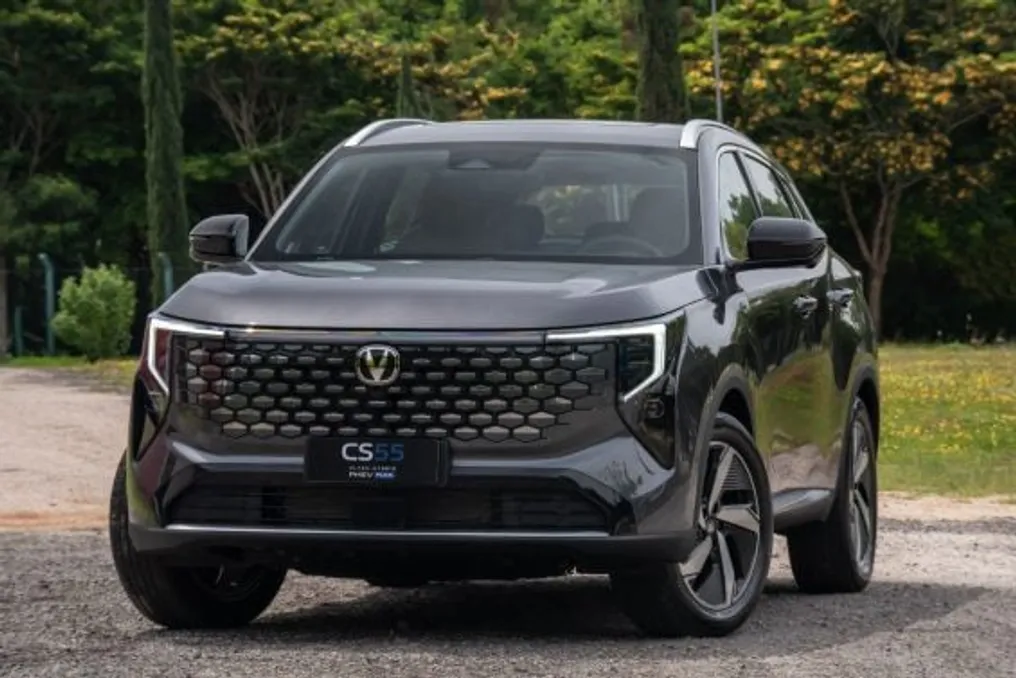
The BYD Song Pro achieved a notable sales volume in 2026, registering 30,011 registrations, driven by the introduction of the flex engine, which mitigated consumer concerns about the increased ethanol content in gasoline. In response to this success, Caoa Changan launched the CS55 PHEV, also equipped with a flex engine, aiming to capture some of these sales.

The CS55 PHEV is available in a single configuration for the price of R$ 189,990, leveraging the experience accumulated by the Caoa Group. On the other hand, the BYD Song Pro has higher price ranges, starting at R$ 196,990 for the GL version and R$ 199,990 for the GS version, the latter being differentiated by features such as battery size, sunroof, inductive charger, and safety features.

Considering that BYD focuses on direct sales of the GL version, the comparison was established between the Caoa Changan CS55 PHEV and the Song Pro GS version, focusing on mid-size hybrid plug-in flex SUVs under R$ 200 thousand. The CS55 arrived later in the market but presented more competitive prices, positioned at R$ 189,990, making it one of the most affordable mid-sized electrified vehicles in the country, R$ 10 thousand cheaper than its direct competitor.

Although BYD maintained the prices of the Song Pro GS after the conversion to flex, even adding more standard items, the analysis indicates that the cost-benefit ratio of the CS55 remains superior. In terms of performance, both SUVs use 1.5 engines coupled with an electric system for front-wheel drive. However, the flex engine of the Caoa Changan CS55 PHEV is turbocharged, giving it an advantage in performance and allowing for faster battery recharging in hybrid mode.

The CS55 PHEV delivers a total of 286 hp and 47 kgfm, surpassing the 219 hp and 30.6 kgfm of the BYD Song Pro. This difference is evident in the 0 to 100 km/h acceleration, which is achieved in 7.2 seconds in the Caoa Changan model, compared to 8.8 seconds for the rival.

In terms of electric usage, the Caoa Changan CS55 PHEV demonstrates greater versatility, offering an autonomy of 76 km in the Inmetro cycle and supporting fast DC charging at 43 kW. Despite having similar battery capacities (18.3 kWh), the BYD only reached 72 km of range and accepts charging only via AC up to 6.6 kW, which can prolong stop time during trips.

Regarding fuel economy, standardized Inmetro tests indicated that the Song Pro GS was more efficient than the Caoa Changan CS55 PHEV. It is relevant to note, however, that the standard Inmetro test does not favor plug-in hybrids, and in practice, savings may vary depending on how the driver uses the vehicle, although the methodological data presented points to the Song Pro as the most economical.

Both Chinese SUVs in this category are well-equipped. Both the Caoa Changan CS55 PHEV and the BYD Song Pro GS share features such as dual-zone air conditioning, wireless smartphone charging, panoramic sunroof, Level 2 ADAS package, electric tailgate, laminated front side windows, eight-speaker sound system, and electric adjustment for the two front seats.

The BYD Song Pro GS stands out for its connected services, remote updates on the multimedia center, photochromic interior rearview mirror, and external mirrors with defogger function. Meanwhile, the Caoa Changan CS55 PHEV offers additional luxuries, such as heating and ventilation in the front seats, driver seat memory, 540-degree camera, refrigerated center console, and customizable ambient lighting. Furthermore, its screens are larger, featuring a 14.6-inch multimedia center and a 10.3-inch digital dashboard.

In terms of dimensions, the BYD Song Pro is larger than its competitor, measuring 4.74 m in length, 1.86 m in width, and 2.71 m in wheelbase. The Caoa Changan CS55 measures 4.55 m, 1.86 m, and 2.65 m, respectively. The Song Pro's larger dimensions result in more passenger space and a 530-liter trunk. Although the CS55 is not cramped, its trunk accommodates 475 liters, which is 55 liters less.

In summary, Caoa Changan introduced a product with strong attributes to challenge the leadership of the BYD Song Pro. The CS55 PHEV presents lower prices, higher performance, greater electric range, fast charging capability, and a more complete set of equipment, making it considered the best choice at the moment for those seeking a family electrified model.

Three-seater electric tuk-tuk sold in Brazil and has features that may eliminate the need for a driver's license
Read more
autopapo.com.br

Three-seater electric tuk-tuk sold in Brazil and has features that may eliminate the need for a driver's license

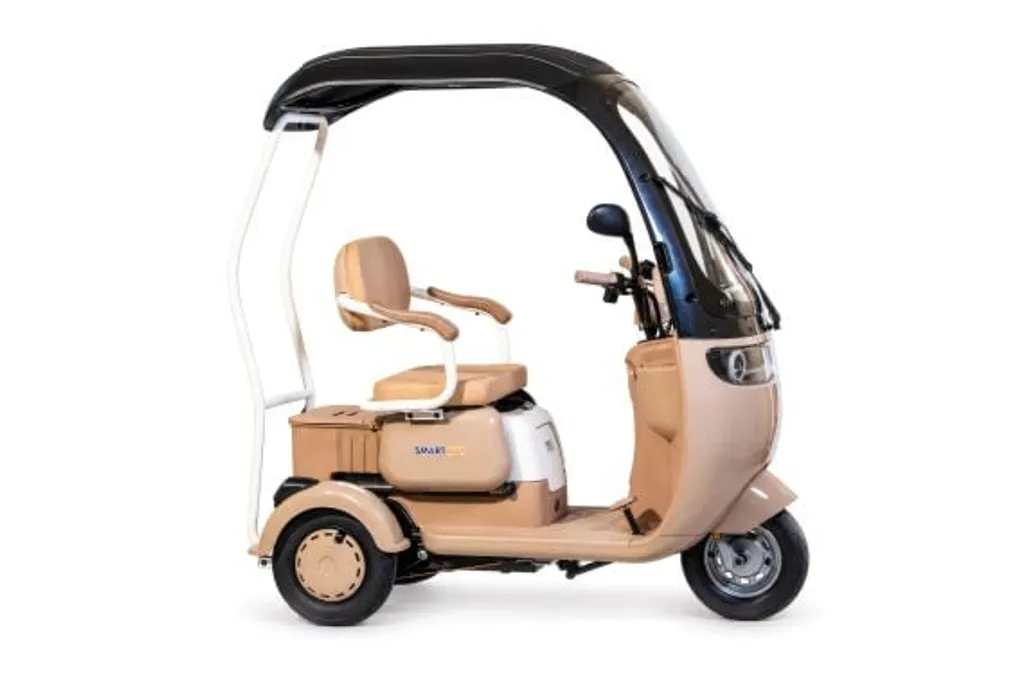
A three-seater electric tuk-tuk model, which is an icon of traffic in cities like Bangkok and New Delhi, is available for sale in Brazil. This electric vehicle, called SmartTuk 800W, from Smartway, was specifically designed to cover short distances in urban environments and offers the promise of exempting the driver from the National Driver's License (CNH).

Currently, the tricycle can be found on the manufacturer's website for R$ 13,109.05 during a promotion, while on Mercado Livre its price is listed at R$ 11,899. The possibility of not needing a driver's license, as well as registration and licensing, applies to equipment classified as self-propelled, according to Resolution No. 996/2023 of the National Traffic Council (Contran).

To fall into this category, the vehicle must meet specific criteria: maximum power of 1,000 W, maximum manufacturing speed of up to 32 km/h, width of up to 70 cm, and wheelbase of up to 130 cm. The SmartTuk 800W satisfies the first two requirements, featuring an 800 W motor and reaching 32 km/h. However, the technical sheet indicates the 70 cm width only in the packaging dimensions and does not specify the wheelbase.

Another point of attention relates to the three seats. Contran regulations deal with individual mobility equipment, and the presence of three seats does not authorize the driver to transport passengers on public roads.

Even respecting the norms, the use of the tuk-tuk is restricted to bike paths, cycle lanes, and roads with a speed limit of up to 40 km/h. In pedestrian areas, its circulation is only permitted with authorization from the local traffic authority and at a speed limited to 6 km/h.

In terms of components, the SmartTuk 800W uses a 60 V and 15 Ah lead-acid battery, which is more economical and heavier compared to the lithium batteries used in conventional electric vehicles. A full charge takes approximately six hours, and the advertised range reaches up to 30 km, although this value may vary depending on the terrain type, driving mode, and load weight.

The established load limit is 175 kg, meaning that three adults weighing 60 kg each would exceed the maximum stipulated by Smartway. Among the available features, the tricycle has three speeds, reverse gear, digital panel, LED headlights, turn signals, and an alarm with remote start function. The total weight of the tricycle is about 110 kg, and it is delivered disassembled.

BYD's Denza releases five-seater SUV N8 with a range of up to 1003 km
Read more
technode.com

BYD's Denza releases five-seater SUV N8 with a range of up to 1003 km

The premium brand BYD, Denza, has introduced the N8 model in China. This five-seater SUV is available in the price range of 269,900 to 329,900 yuan.

The N8 model is offered in four battery electric variants and two plug-in hybrid versions. The longest-range electric version features rear-wheel drive and a 130.15 kWh Blade battery, and according to the Chinese CLTC testing cycle, it has a range of up to 1003 km.

The N8 has a length of 5.15 meters, which is 50 mm shorter than the N8L model, while the wheelbase remains the same at 3.075 meters. The interior features a 1.1-meter high augmented reality display that shows speed and navigation information directly in the driver's field of view, and a 30-inch instrument panel supports split-screen mode.

All versions of the vehicle are equipped with BYD's God’s Eye 5.0 driver assistance system. This system provides driving assistance support on both city streets and highways, and also includes an automatic parking function.

Popular