Global trade disruptions could jeopardize food aid for 7.3 million people
Read more
CGTN
cgtn.com

Global trade disruptions could jeopardize food aid for 7.3 million people

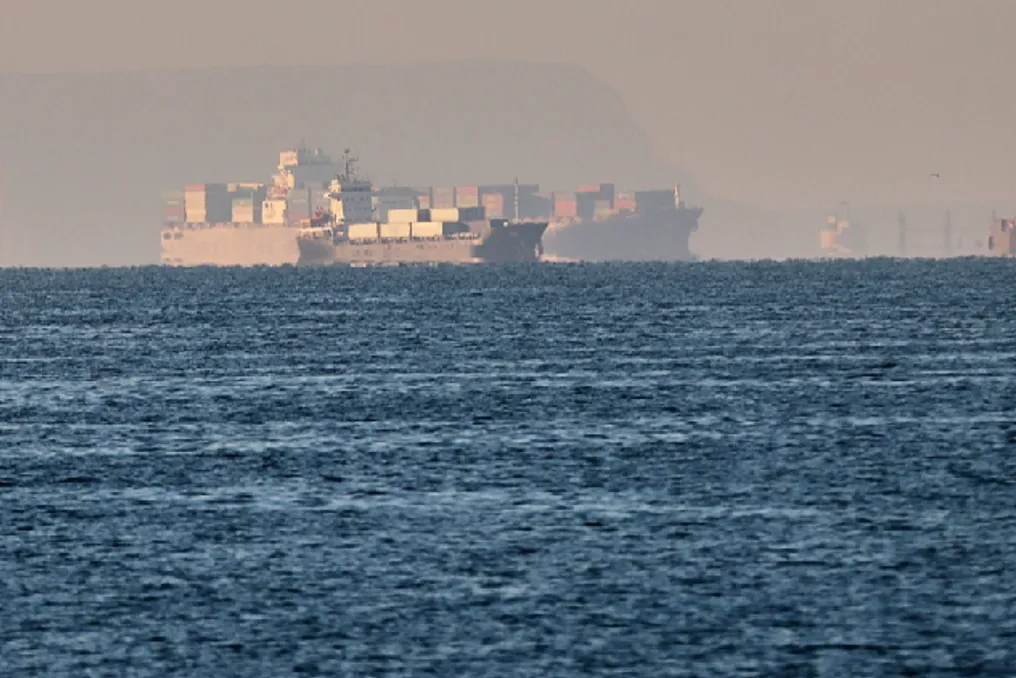
The United Nations World Food Programme (WFP) has warned that disruptions in three key global trade routes could put food assistance for an additional 7.3 million people at risk by mid-2027. This comes amid rising prices for food, fuel, and transport, which is exacerbating the global hunger crisis.

During a speech to the UN Security Council on November 23, WFP Executive Director Luke J. Lindberg noted that disruptions affecting the Strait of Hormuz, the Bab el-Mandeb Strait, and the Black Sea are leading to increased costs for food, energy, and transportation, intensifying the impact of conflicts and extreme weather events.

Lindberg stated that approximately 266 million people worldwide are currently facing acute food insecurity. Furthermore, about 30% of global fertilizer shipments pass through the Strait of Hormuz, making any interruption on this waterway a serious threat to agricultural production and food supply.

The consequences of these disruptions are already being felt in global markets. According to WFP data, international wheat prices have risen by almost 10% since the beginning of this year. Additionally, issues with maritime transport in the Black Sea have affected grain exports. WFP reported that by mid-October, the number of vessels transporting wheat and corn through the Bosphorus Strait had decreased by 63% compared to the same period last year.

Consequently, about 10 million tons of Russian and Ukrainian wheat may not reach global markets, further tightening global supplies. The rise in food, fuel, and transport prices is also placing additional pressure on humanitarian operations. If current conditions persist, WFP forecasts additional costs of $727 million by mid-2027, potentially jeopardizing food aid for 7.3 million people.

The agency called on the international community to ensure the openness of global food trade routes, prevent the use of food as a weapon of war, and strengthen the protection of humanitarian workers. WFP also emphasized the need for coordinated international action to ensure food delivery to those in need, despite ongoing conflicts and global trade disruptions.
Similar stories

Strong El Niño predicted for 2026–2027 could trigger global crisis affecting more than just climate
Read more
olhardigital.com.br

Strong El Niño predicted for 2026–2027 could trigger global crisis affecting more than just climate

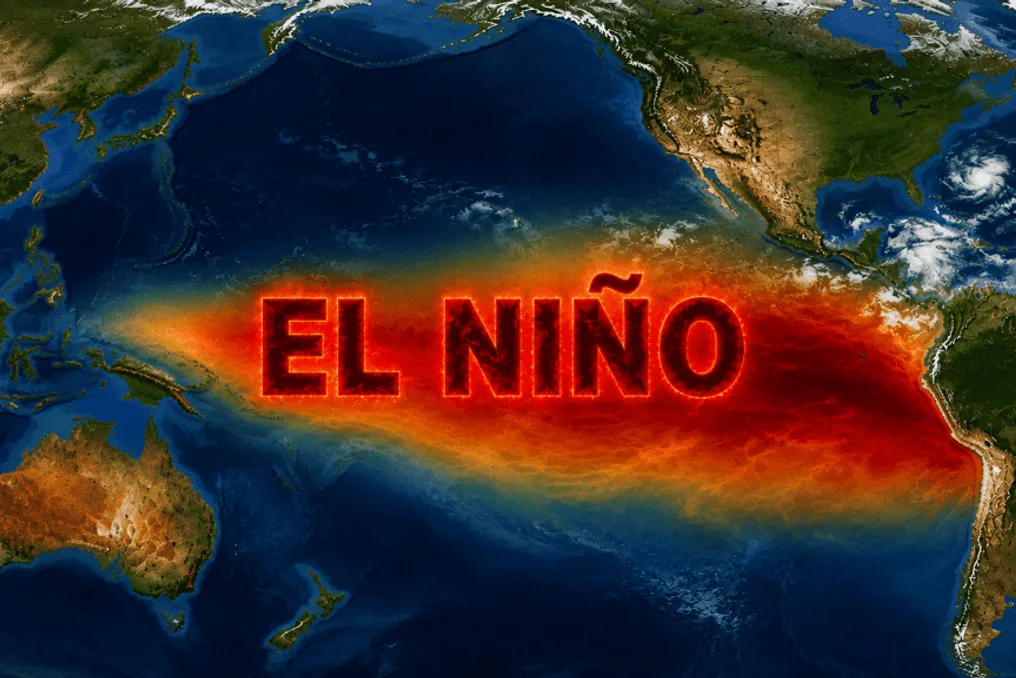
A potentially historic climatic phenomenon known as El Niño could provoke a global crisis that extends far beyond droughts, floods, and extreme temperatures. Researchers warn that a strong El Niño expected in 2026 and 2027 threatens food security and public health in various regions of the planet.

In a commentary published this week in the scientific journal Nature, Professor Eoin McLaughlin from Heriot-Watt University (Scotland) and Professor Matthias Beck from the University College Cork (Ireland) argue that this phenomenon could be one of the most intense recorded in over a century.

The scientists emphasize that the combination of food supply problems and disease outbreaks could exacerbate the humanitarian consequences of this climatic event. Therefore, they insist that governments and international organizations consider these threats comprehensively.

Experts urge governments not to wait for major disasters to begin acting. They believe that proactive preparation and international cooperation are key factors in mitigating the risks associated with this phenomenon.

Matthias Beck notes that major natural disasters can have serious consequences for both food supply and human health. He argues that the approach focused on responding to each disaster individually must be abandoned, and it must be recognized how climate change can cause broader humanitarian emergencies.

The recommendation is to strengthen the protection of vulnerable communities and develop public policies that simultaneously account for the environmental, food, and sanitary consequences of a super-El Niño.

El Niño is a recurring climatic phenomenon associated with the abnormal warming of surface waters in the tropical Pacific Ocean. This change affects atmospheric circulation patterns and is capable of altering the climate in different parts of the world. Depending on the region, its effects include periods of drought, flooding, and high temperatures.

The researchers' concern stems from the fact that the projected intensity of the 2026–2027 episode will amplify these consequences, causing problems that go beyond the environment and directly affect the nutrition and health of millions of people.

Popular