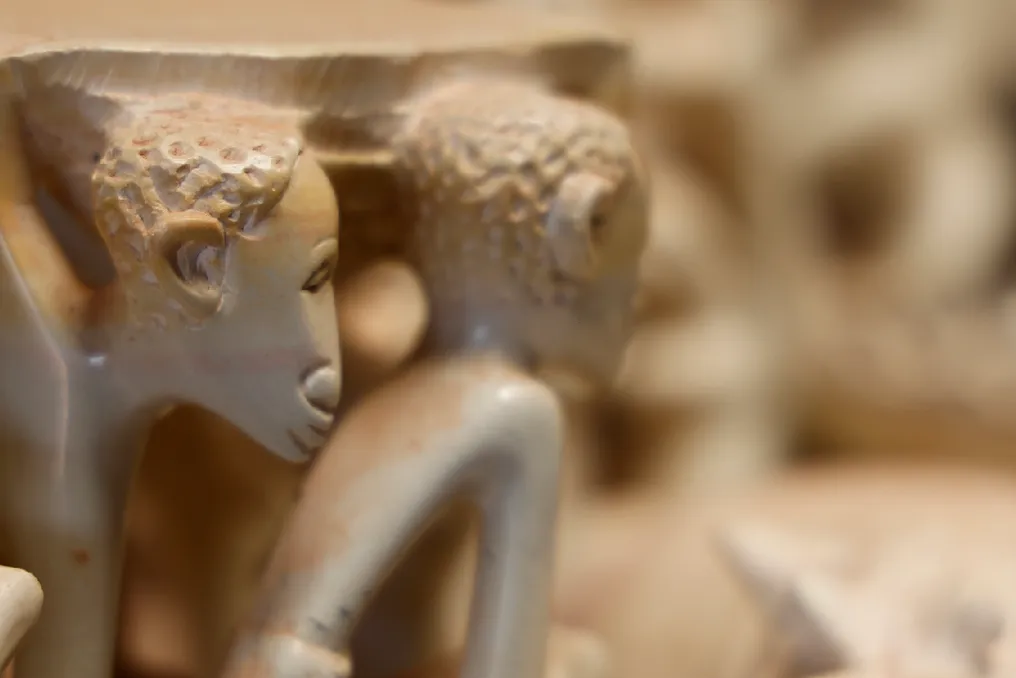
Kenyan artisans working with soapstone are actively striving to gain broader access to international markets. Industry leaders advocate for strengthening partnerships, increasing investment, and creating opportunities to showcase handmade products outside of Kenya.
In Tabaka, Kisii County, where soapstone carving has sustained generations of masters, local artisans aim to transition from producing souvenirs to creating contemporary art with higher commercial value in the global market.
Mugusu Momani, an entrepreneur and CEO of the Egware Museum, stated in an interview that local craftsmen need assistance in mastering new skills in modern and abstract art, as well as in establishing connections with corporate markets and international galleries.
Momani draws motivation to improve the soapstone industry from a deep personal connection to the craft, which, he says, played a central role in his upbringing. He noted: 'My story comes from the rocky hills of Tabaka. It gave me life, it gave me breath, it provided sustenance while I grew up,' and expressed concern that talented local artisans who create beautiful items remain very poor.
According to Momani, through corporate collaboration, including the creation of trophies and gifts, these skilled workers can begin to earn a decent income both locally and internationally. He explained that partnerships with trophy and gift-making corporations have helped bring 19.5 million Kenyan shillings into the hands of artisans over three years.
He emphasized that opening a gallery and museum in Nairobi is part of efforts to preserve this craft while simultaneously creating new avenues for artists to present their work on the international stage.
Nevertheless, the industry faces significant challenges such as limited capital, harsh working conditions in quarries, insufficient water access, and declining interest among the youth. Quarry workers report that soapstone extraction can be dangerous; some dig several meters underground to reach the raw material.
Joshua, a sculptor from Tabaka, said: 'We use our hands and feet to remove the dirt. It is very hard work, and sometimes it hurts the workers. Some people even lose their lives.' Limited resources also hinder efforts to attract and train the younger generation, raising concerns about the future of this trade.
Joshua added: 'If we had the funds to bring them here, we would train them and help them understand that this is a respectable job, just like any other.'
For artisans like Edna Bosibori, expanding the market for soapstone products could provide vital support to families dependent on this craft. She stated: 'If we get sales, we will continue this work,' emphasizing that improved earnings would allow artisans to pay school fees and improve living conditions.
Industry leaders and stakeholders argue that for Kenyan soapstone art to gain greater global recognition and commercial value while preserving the generational craft, government support, access to capital, skills development, modern tools, and international market connections are vital.