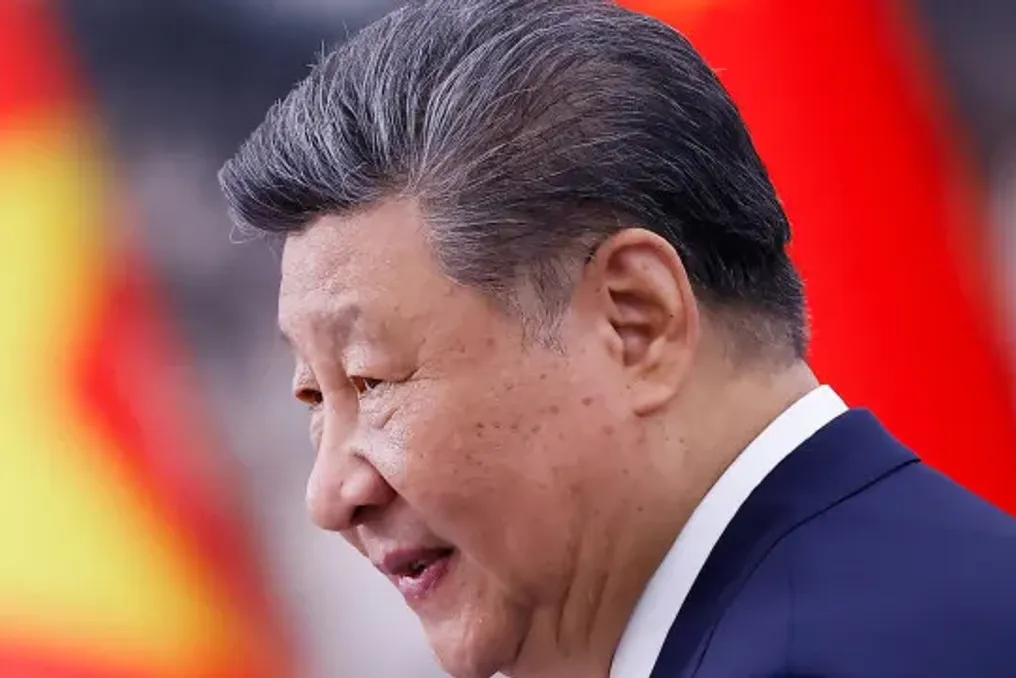
Chinese President Xi Jinping today advocated for deepening economic integration in the Asia-Pacific region, calling for a model of cooperation that is 'open and inclusive' rather than 'exclusive or fragmented.'
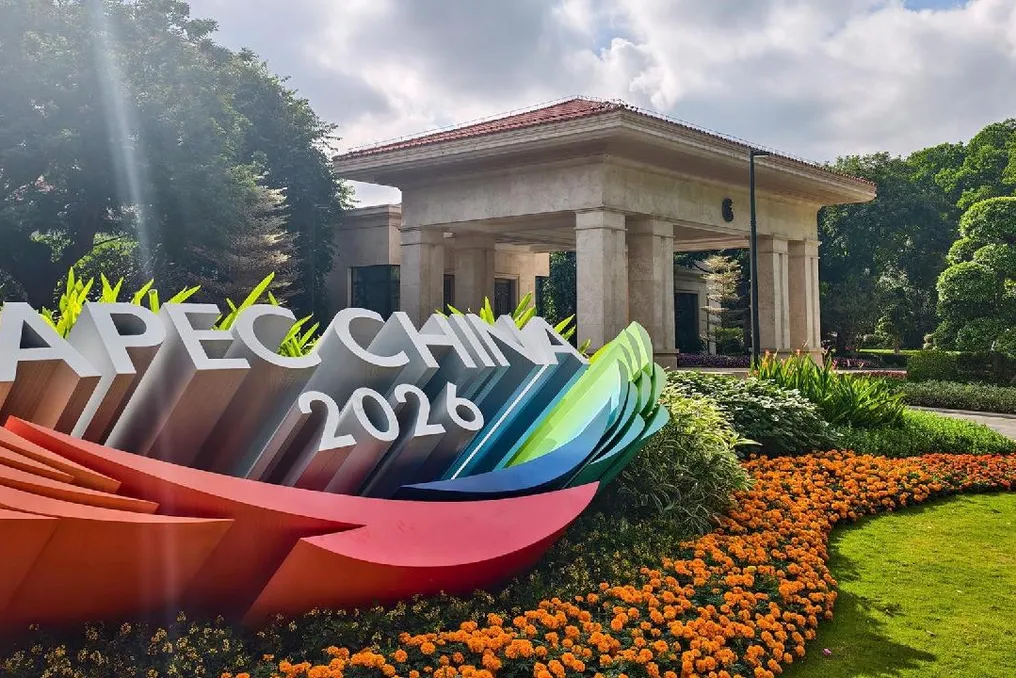
During the plenary session of the Asia-Pacific Economic Cooperation (APEC) Leaders' Summit in Shenzhen, southern China, Xi Jinping stated: 'We must champion free trade and openness to investment, remove barriers to the free movement of factors of production, ensure the smooth functioning of the economy, and create more space for economic growth in the Asia-Pacific region.'
In the presence of US President Donald Trump, the Chinese leader supported strengthening economic cooperation and reducing trade barriers among APEC members, emphasizing the importance of establishing higher standards of openness.
He also stated that efforts must be made to harmonize various economic and trade agreements in the region, as well as to facilitate and digitize trade and investment, and to lower trade and investment barriers.
Xi Jinping noted that building a 'community' in the Asia-Pacific requires solidarity and mutual support among participating countries. He stressed: 'APEC members are like passengers on the same ship. To withstand the waves of the Pacific Ocean, we must unite and care for each other.'
Furthermore, he added: 'We must expand our common interests, jointly solve difficulties and challenges, and gradually build a sense of commonality.'
The APEC summit agenda includes issues of trade, regional connectivity, and artificial intelligence, and a joint statement is expected at the end of the meeting. Nevertheless, analysts believe that significant disagreements persist among participants on several issues, and the format of the meeting provides little time to overcome them.
APEC brings together 21 economies, including the economies of the United States, China, Russia, Japan, and three Latin American countries—Chile, Mexico, and Peru—representing a significant portion of the world economy. Although the forum is not binding, it serves as an important space for dialogue on trade, investment, and regional economic integration.
Attention is also focused on a trilateral meeting scheduled for today between Xi Jinping, Donald Trump, and Russian President Vladimir Putin, which will take place on the sidelines of the summit. This unprecedentedly formatted meeting is expected to address nuclear arsenal control and the wars in Ukraine and Iran, although the White House has tried to temper expectations regarding the possibility of immediate agreements.