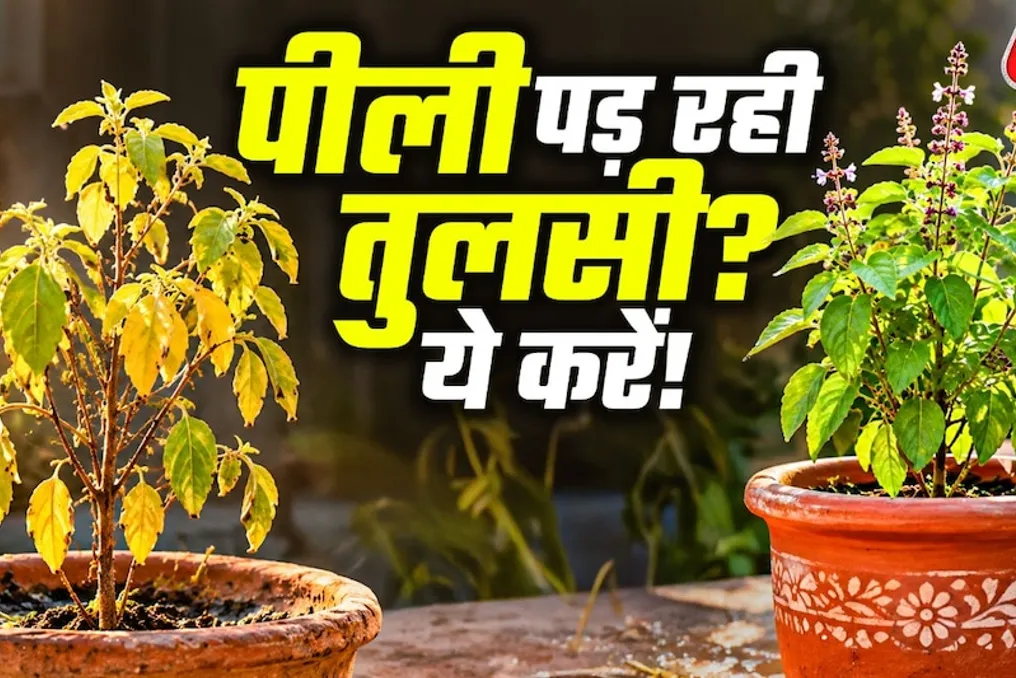
Yellowing of Tulsi Plant Leaves in Winter: 5 Mistakes to Avoid
Read more
Aaj Tak
www.aajtak.in

Yellowing of Tulsi Plant Leaves in Winter: 5 Mistakes to Avoid

Have your Tulsi leaves started turning yellow due to cold and frost? Additionally, overwatering, lack of sunlight, or pest attacks can also cause this yellowing. Here are five simple remedies to protect the Tulsi plant from drying out and keep it green.

In Indian homes, the Tulsi plant not only enhances beauty but also holds special religious significance, leading people to worship and care for it regularly. However, with the arrival of winter, the leaves of Tulsi plants begin to turn yellow in many homes, and the effects of frost and winter impact the plant, causing leaves to dry up and fall, making the plant wilt.

Often, in an attempt to save the plant, people water too much or add excessive fertilizer, but this haste can actually harm the plant further. There can be several reasons for the leaves turning yellow, ranging from excess water to lack of sunlight and pest attacks, but with a few small precautions, Tulsi can be kept healthy even in winter.

1. Do not make the mistake of watering daily:

Even in winter, many people continue to water Tulsi every day. Overwatering can be a major reason for the yellowing of Tulsi leaves. It is important to understand that when the weather changes, the amount and timing of watering must be adjusted. Constant watering keeps the soil in the pot constantly moist, preventing air from reaching the roots. Consequently, the roots become weak, and the leaves start to turn yellow.

Instead, check the top 1-2 inches of the soil with your finger before watering; if moisture is present, do not water. Ensure that there are drainage holes at the bottom of the pot so that excess water can drain out.

2. Do not keep Tulsi away from sunlight:

Sunlight is scarce in winter, often leading to the Tulsi pot being placed in a spot where adequate light does not reach. Tulsi requires sunlight to remain healthy and green; lack of sunlight can cause leaves to yellow and weaken the stem.

As a solution, place the Tulsi pot in a location that receives good morning sunlight. If the plant is in a shady spot, it should be gradually moved to a sunny area. The position of the pot can be changed every few days during winter to ensure the plant continues to receive good light.

3. Do not ignore old soil and fertilizer:

Sometimes the Tulsi plant remains in the same soil for a long time. Over time, the soil hardens, and the nutrients present in it decrease, and the leaves start to turn yellow due to a lack of essential nutrients like nitrogen.

Check the pot soil as needed. If the soil has become too hard, loosen it gently and mix in new potting mix if necessary. Add organic fertilizer to the plant, but avoid adding excessive fertilizer.

4. Check leaves for pests and brown spots:

The yellowing of Tulsi leaves can sometimes be caused by pests or fungal infections. If you see small insects, white webbing, stickiness, or brown spots under the leaves, it is necessary to inspect the plant thoroughly.

Remove the yellowed leaves with clean scissors. Place the pot in a location with good air circulation (airflow). If necessary, neem-based pesticides can be used for edible plants, and regular monitoring of the leaves should continue.

5. Protect Tulsi from cold winter air:

As temperatures drop in November and December, Tulsi growth may slow down. Cold winds and low temperatures at night can damage the leaves, causing the plant to look wilted and the leaves to dry up and fall.

In this situation, the Tulsi pot should be placed in a spot that receives morning sun. The plant should be protected from direct cold wind at night. If the cold is severe, it is appropriate to keep the pot in a safe and well-lit place, and not in a place where it does not receive sunlight all day.

Similar stories

Tulsi Worship Rules: When to Light the Lamp in the Morning or Evening?
Read more
www.aajtak.in

Tulsi Worship Rules: When to Light the Lamp in the Morning or Evening?

In Hinduism, the Tulsi plant is considered extremely sacred and revered; there is a belief that Mata Lakshmi resides within it. This is why Tulsi is planted in many homes and worshipped daily. There is also a tradition of lighting a lamp near Tulsi both in the morning and in the evening. It is believed that this helps improve the atmosphere in the home and eliminate negative influences.

According to these beliefs, regularly lighting a ghee lamp near Tulsi brings the favor of Lord Vishnu and Mother Lakshmi, maintaining peace, harmony, and prosperity in the home. Nevertheless, several important rules must be observed when lighting the lamp. Below is a guide to the correct time, direction, method of worship, and religious benefits of this ritual.

Rules for Tulsi Worship:

The morning and evening are considered auspicious times for lighting a lamp near Tulsi. In the morning, the lamp can be lit during Brahma Muhurta, and in the evening, after sunset. It is believed that lighting the lamp by Tulsi in the evening pleases Mata Lakshmi, ensuring well-being, prosperity, and tranquility in the home.

It is also important to consider the correct direction when lighting a lamp near Tulsi. According to Vastu Shastra, it is auspicious to light the lamp towards the north or east. The belief states that lighting the lamp in these directions maintains positive energy in the house.

How to Perform the Tulsi Worship Ritual Correctly

First, you must thoroughly clean the Tulsi pot and the surrounding area. Then, take a clean lamp, insert a cotton wick into it, and pour pure ghee. Instead of placing the lamp directly on the ground, it should be placed on a clean mat or on rice. According to Vastu, the lamp wick can be positioned towards the east or north. While lighting the lamp, one should focus on Mata Tulsi and recite the mantra 'Om Tulsi Devyai Namah'. After completing the worship, circumambulate the Tulsi plant 5, 7, or 11 times and bow with folded hands.

Benefits of Lighting a Lamp Near Tulsi

1. Removal of Negativity from the Home: According to religious beliefs, regularly lighting a lamp near Tulsi helps remove negative energy from the home, making the atmosphere positive and peaceful.

2. Favor of Mother Lakshmi: Since Tulsi is considered the favorite plant of Mother Lakshmi, regularly lighting a ghee lamp near it leads to Goddess Lakshmi showing mercy, which is believed to bring wealth and prosperity into the home.

3. Peace and Harmony in the Family: It is said that lighting a lamp near Tulsi creates a quiet and good environment in the home, as well as promoting love and understanding among family members.

4. For Eliminating Vastu Defects: In Vastu Shastra, Tulsi is considered an auspicious plant. The belief states that daily lighting a lamp near it reduces the influence of Vastu defects in the home.

Do Not Plant These 4 Flowering Plants in Winter Due to the Risk of Cold and Frost Damage to Leaves
Read more
www.aajtak.in

Do Not Plant These 4 Flowering Plants in Winter Due to the Risk of Cold and Frost Damage to Leaves

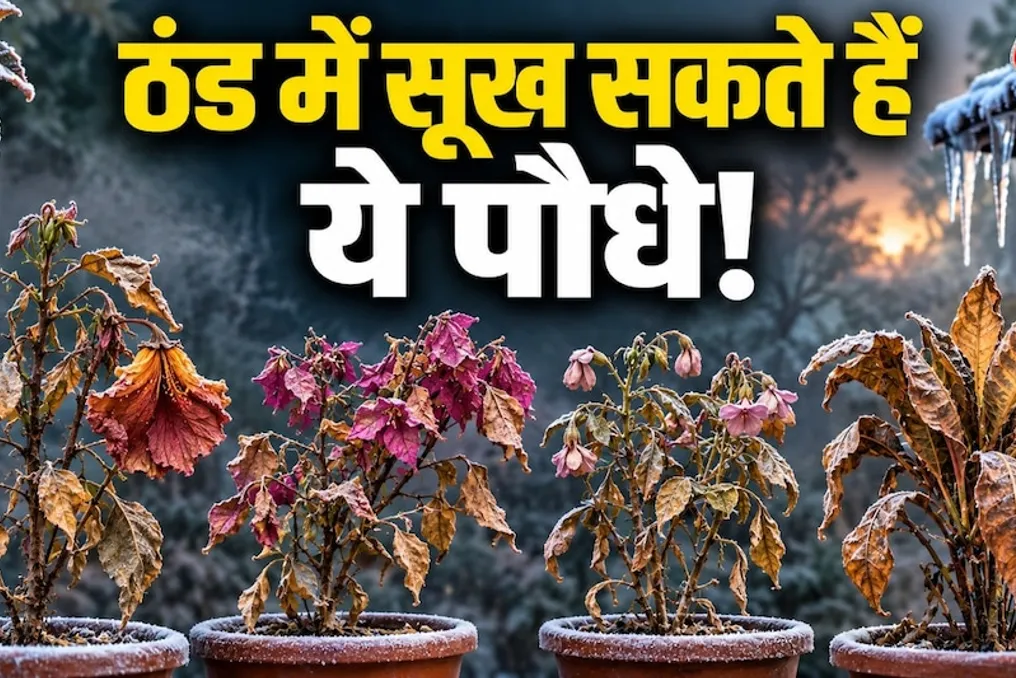
Flowering plants delight the eye year-round, but it is important to understand that plant requirements vary depending on the season. When winter arrives, many people try to green their balconies and gardens by purchasing new plants from nurseries. However, not all types of plants are adapted to winter conditions. Some plants require intense sunlight and warmth to grow. As temperatures drop and night frosts set in, their leaves begin to be damaged, and even with proper care, they can gradually wither.

Therefore, if you plan to plant new plants on your balcony or yard in winter, you should pay attention to the selection. According to a gardener, plants such as marigolds, bougainvillea, evergreen primrose, and croton do not tolerate severe cold well. Cold and frost can negatively affect their health. Next, we look at why these four types should be avoided in winter; even if they are already planted, they can dry out.

Marigolds: The marigold plant looks very beautiful when large flowers appear on it. However, flowering only occurs with good light and warm weather, indicating that marigolds prefer warmer seasons. As temperatures drop in winter, the growth of this plant may slow down. Due to severe cold and frost, its leaves begin to wilt, and delicate shoots can be damaged. Therefore, during severe frosts, it is recommended not to expose it to the open air.

Bougainvillea: Bougainvillea decorates the garden and balcony with its colorful flowers. This plant develops well with sufficient sunlight. Nevertheless, severe cold and frost can affect its condition. Contact with cold air can damage the leaves and also negatively affect the growth of new shoots. For this reason, this plant should not be planted in open and cold places during winter.

Evergreen Primrose: Evergreen primrose is valued for its small and beautiful flowers. This plant usually grows well in a warm climate. However, a significant drop in temperature can harm its growth. There is a risk of leaf and some parts of the plant being damaged due to cold and frost. Therefore, before planting in spring, you need to monitor the temperature in your region.

Croton: Croton is popular indoors because of its variegated leaves, which display a beautiful combination of green, yellow, red, and orange shades. But this plant is sensitive to cold. As winter intensifies, its leaves begin to wilt and become damaged, especially if the plant is exposed to direct cold air, which can cause serious harm.

In winter, plants are harmed not only by cold wind but also by night frosts. When the temperature drops sharply, frosts begin to affect the leaves and shoots. This can lead to the leaves looking scorched and changing color.

With prolonged exposure to severe cold, plant growth can stop. If plants remain in such conditions for a long time, they can gradually weaken and dry up. Consequently, when gardening in winter, it is crucial to consider the needs of the plants and the weather conditions.

Rahibai Soma Popere, titled 'Mother of Seeds,' preserves traditional seeds in Maharashtra
Read more
www.aajtak.in

Rahibai Soma Popere, titled 'Mother of Seeds,' preserves traditional seeds in Maharashtra

At an agricultural conference in India, as part of the 'Agricultural Heroes' session, Rahibai Soma Popere from Maharashtra shared the story of her work in preserving traditional seeds and protecting traditional farming. She recounted how, relying on the knowledge of her family and ancestors, she began collecting and preserving traditional seeds, which gradually attracted thousands of women to her initiative.

Rahibai, who once stored seeds in clay pots under limited resources, has now become a significant figure in the field of local seed conservation in Maharashtra.

She explained that her family previously practiced agriculture using traditional seeds, but the use of hybrid and chemical seeds available on the market gradually increased. This negatively affected her family's agriculture, leading her to realize the potential of traditional seeds for improving life and farming. Consequently, she started re-collecting and preserving old local seeds.

According to Rahibai, her work began based on life experience and lessons learned within her family. Gradually, other people joined this effort. She is convinced that traditional seeds are not only a heritage of agriculture but also something that must be preserved for future generations.

Rahibai stated that she learned seed preservation techniques from her father, grandfather, and grandmother. In childhood, she observed older family members carefully storing seeds in clay pots along with wood ash. She continued this traditional practice.

According to Rahibai, seeds stored in clay pots with ash can remain viable for about three years, and they can be kept for consumption for approximately ten years. Rahibai believes that preserving seeds traditionally is highly important for both health and agriculture.

She emphasized that she gained most of her knowledge about agriculture and seed preservation from family experience and personal life journey, rather than formal education, but it was family knowledge that guided her in this direction.

Rahibai shared her difficult childhood: she was married at the age of just 12 and spent about 40 years in extremely constrained circumstances. Despite this, she continued her efforts to save traditional seeds. When she started farming with old local seeds on her fields, local residents began asking her about these seeds. People showed interest in where she got them, which prompted her to understand that awareness about the value of traditional seeds could be raised.

Initially, she initiated the creation of a women's organization with minimal investment of 10 rupees. This group gradually grew, and today about 3,500 women from Maharashtra are members of this organization. Rahibai faced numerous difficulties in her work to conserve local seeds; some sellers and companies tried to stop her, but she did not cease her efforts. Her main goal was to ensure the preservation of the traditional seed heritage for coming generations.

Rahibai started her seed conservation work in her small home and hut. In addition to storing seeds in clay pots, she gradually created her own seed bank. Later, when her work became known, she received support in developing this endeavor.

During a meeting with the then Maharashtra Agriculture Minister Chandrakant Dada Patil, Rahibai presented her problem, stating that she maintained a seed bank in a small hut. When offered more suitable accommodation, Rahibai insisted on establishing a seed bank rather than housing. Following this, infrastructure was organized for her, which helped advance her work.

Today, students from various agricultural colleges in Maharashtra visit her seed bank. There, Rahibai shares with them information about the importance of traditional seeds, their preservation methods, and their usefulness in agriculture.

Rahibai Soma Popere's work has received national recognition: in 2018, she was awarded the Nari Shakti award, and in 2020, the Padma Shri award. Her efforts to promote traditional farming and preserve local seeds earned her the title 'Mother of Seeds.'

Popular