Bronze Mycenaean type sword found in Macedonia during excavations
Read more
N+1
nplus1.ru

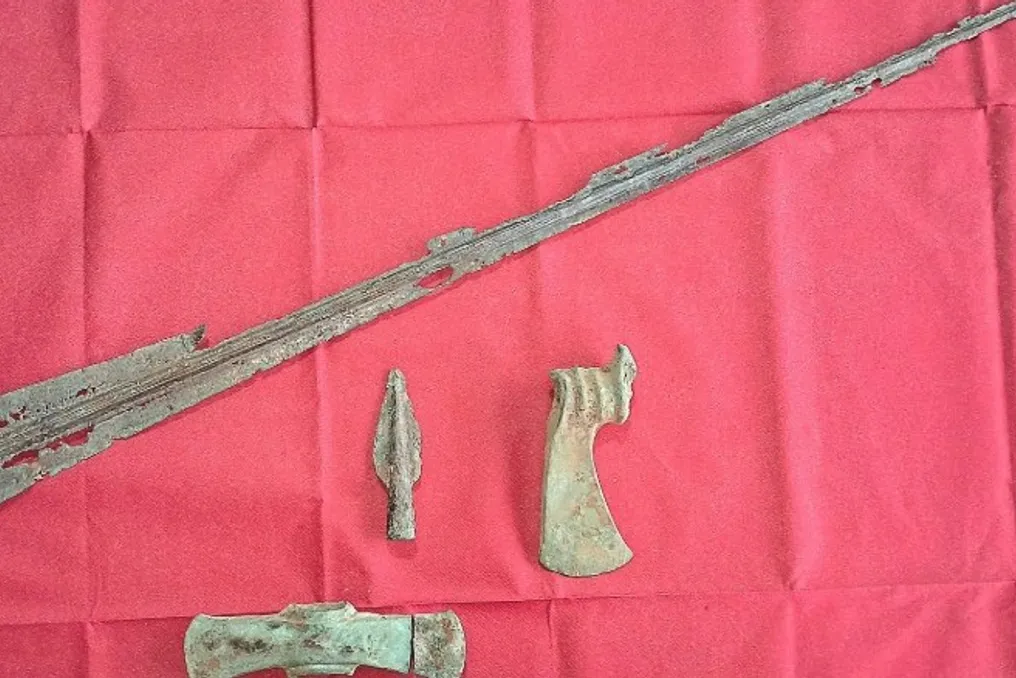
Bronze Mycenaean type sword found in Macedonia during excavations

Macedonian archaeologists continue work at the Mrdaya pile settlement, whose remains were previously discovered on Lake Doiran. During past fieldwork, researchers managed to tentatively identify traces of a blacksmith's dwelling and find a number of valuable bronze artifacts.

Among the items found are a Mycenaean type sword and battle axes, estimated to be approximately 3500 years old. Archaeologist Zoran Ruyak reported this finding via his Facebook social media page.

Similar stories

Ancient settlements and Mesolithic stone tools discovered in Navoi region
Read more
podrobno.uz

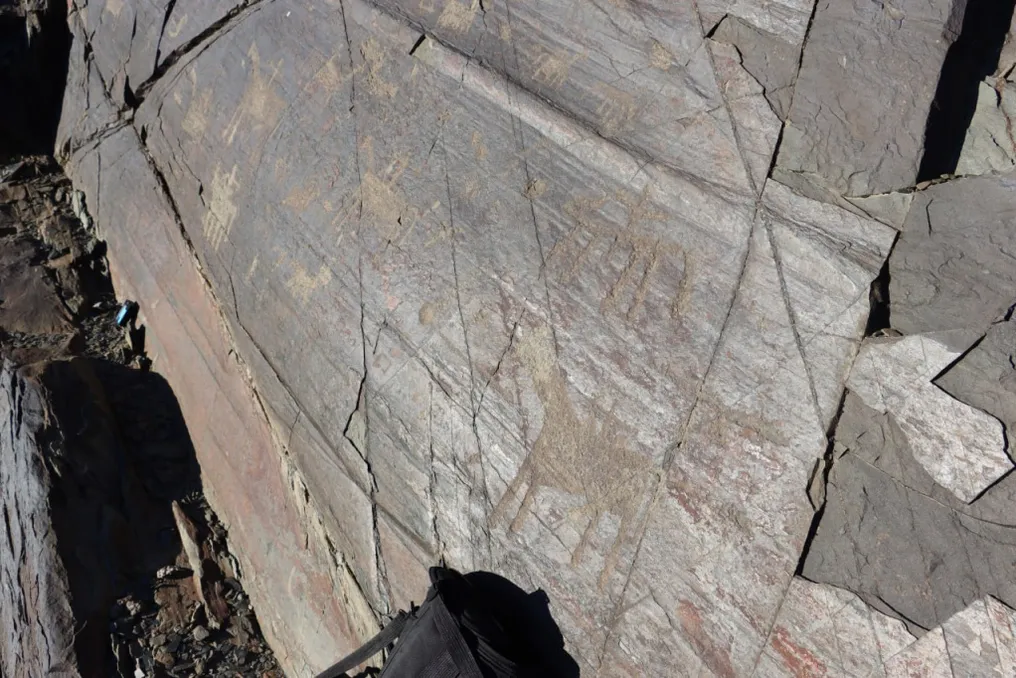
Ancient settlements and Mesolithic stone tools discovered in Navoi region

Archaeologists conducted excavations in the Navoi region and discovered ancient settlements, cave dwellings, and stone tools. These findings indicate that human presence in this area may have begun about ten thousand years ago, and similar monuments had not been recorded in this region before.

According to information provided by Samarkand State University, the expedition took place in the Khatyrchin district, near the Nuratinsky mountain range. Employees of the university and specialists from the Yahi Gulomov Samarkand Institute of Archaeology participated in the work.

During the search operations, scientists found ancient settlements and caves, and collected a collection of stone tools near mountain springs. Among the found items were knives, scrapers, blades, and small plates made of sandstone and flint, which were used by ancient inhabitants in daily life.

Preliminary examination showed that these artifacts belong to the Mesolithic and Neolithic periods—stages of the Stone Age when the transition from a hunter-gatherer lifestyle to agriculture and animal husbandry occurred. Additionally, near the Chinor village, researchers discovered rock paintings.

The significance of this discovery lies in the fact that Stone Age monuments in the Khatyrchin district have been registered for the first time. Scientists hypothesize that the discovered settlements may be related to ancient stone processing centers located approximately 25–30 kilometers from the discovery site. Further study is planned to more accurately determine the age of these artifacts.

It should be noted that previously, in October, archaeologists found traces of Bronze Age settlements and rock drawings in another part of the Nuratinsky range, in the Koshrabad district of the Samarkand region.
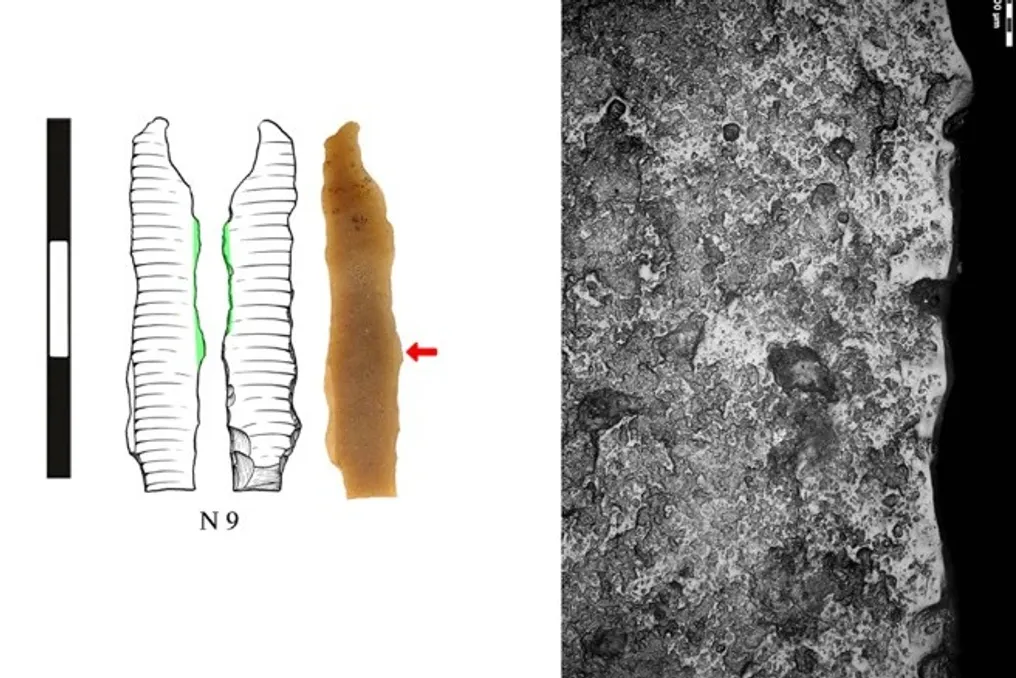
Natufian stone blades from Syria showed signs of use for grain harvesting
Read more
nplus1.ru

Natufian stone blades from Syria showed signs of use for grain harvesting

Archaeologists analyzed twelve sickle-shaped stone blades discovered in Syria at the Natufian site of Deffelik. The study indicated that the wear on these artifacts suggests that five of them, presumably around 14 thousand years ago, were primarily used for gathering wild grains.

The remaining tools, according to the analysis results, were used for processing various types of plants. This information was presented in a scientific publication published in the journal PLoS ONE.

Archaeologists discover Roman infant burial with chicken in England
Read more
nplus1.ru

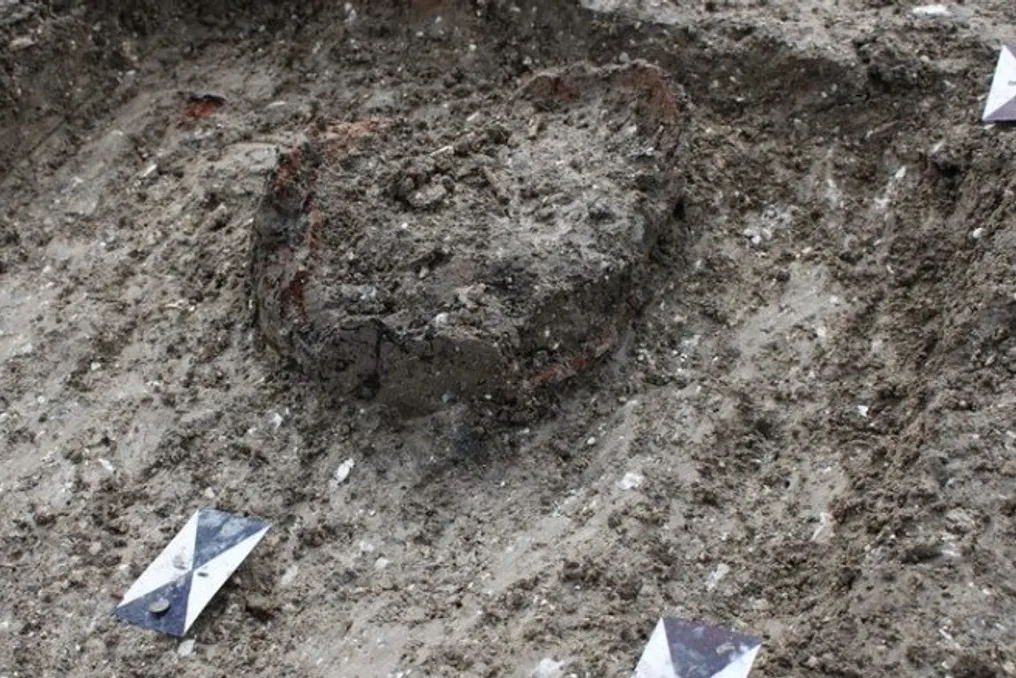
Archaeologists discover Roman infant burial with chicken in England

British archaeologists have shared data on the progress of excavations conducted on the territory of a cricket field in the English settlement of Wendover. During these works, a significant number of artifacts from the Roman period were discovered.

Among the found items were an ornate folding knife handle made of deer antler, as well as several burials.

One of the burials was an overturned clay vessel containing the remains of a Roman infant. Along with the infant, the bones of an adult chicken and a small sparrow-like bird were found. This information was published on the official website of Cotswold Archaeology.

Popular