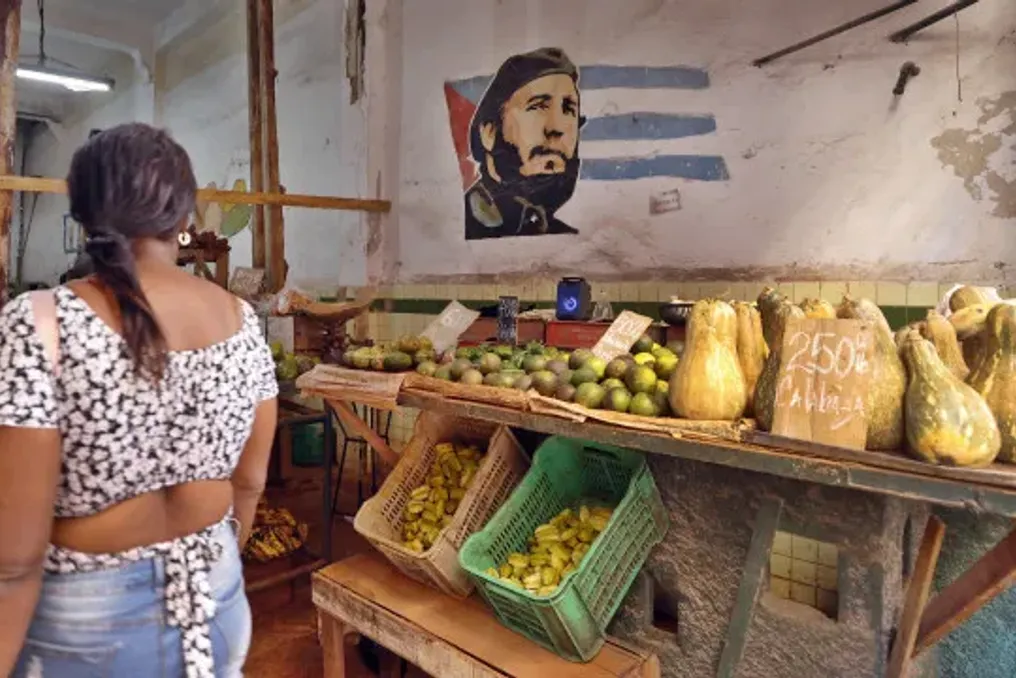
WHO alerts that life expectancy in Cuba has fallen for the first time since 1950
Read more
Noticias ao Minuto
noticiasaominuto.com

WHO alerts that life expectancy in Cuba has fallen for the first time since 1950

The World Health Organization (WHO) reported that life expectancy in Cuba has decreased for the first time since 1950. During a visit to Havana, the WHO Director-General warned about rising mortality and declining Cuban longevity.

In a press conference, Tedros Adhanom Ghebreyesus detailed that life expectancy dropped from 78.8 years in 2020 to a projected 74.4 years for 2025. This regression occurred before Washington implemented an almost complete oil supply blockade, which took effect in January and intensified the economic crisis on the island since 2020, depleting the government's foreign exchange reserves.

Furthermore, Cuba remains under a United States embargo since 1962. The UN agency head assessed that the Cuban health system, historically recognized for its quality, is going through a critical and difficult period.

According to Tedros Adhanom Ghebreyesus, the infant mortality rate in Cuba more than doubled, jumping from approximately 4 deaths per thousand births in 2020 to 9.9 in 2025. Maternal mortality also increased, rising from 37.4 per thousand births in 2019 to 44.1 in 2025. There was also a drop in the survival rate of pediatric cancer patients, which fell from 85% to 65% since the start of the energy blockade.

To assist, Tedros Adhanom Ghebreyesus announced a contribution of two million dollars designated for supporting childhood vaccination and acquiring essential medical supplies. The WHO leader stressed that his organization and the UN offer support for implementing the economic reform plan proposed by the communist government, aiming for a market economy with the opening of private sectors.

Ghebreyesus emphasized that although external sanctions cause problems in the health sector and other areas, it is positive that the government itself recognizes internal challenges, stating that it is fundamental to address both external and internal issues to progress.

Miguel Díaz-Canel, President of Cuba, expressed concern to Tedros Adhanom Ghebreyesus about the impact of the US blockade on the Cuban health system. Díaz-Canel attributed the negative impact to the 'imperialist policy' of the United States of America, characterized by economic siege and energy restrictions, which affect the daily lives of the population and worsen health difficulties.

According to reporting by the newspaper Granma, the Cuban president highlighted that over 67% of basic listed medicines are unavailable. He also lamented that more than 10,000 patients requiring radiology have been affected, in addition to increased waiting lists for certain surgical procedures.
Similar stories

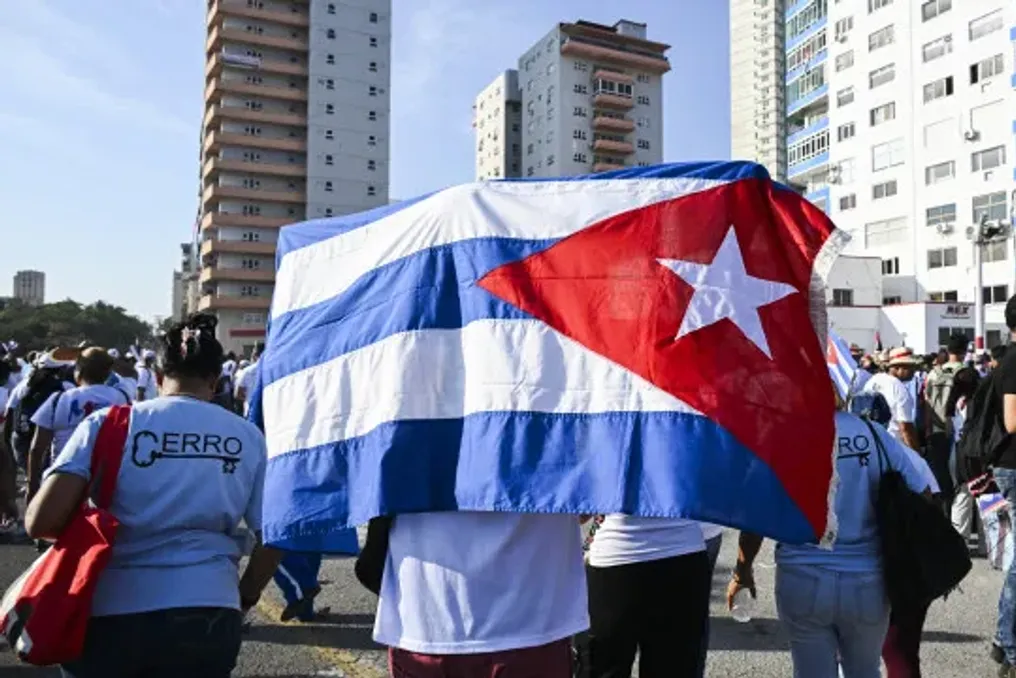
Cuba adopts social security reform expanding private sector opportunities
Read more
noticiasaominuto.com

Cuba adopts social security reform expanding private sector opportunities

New Cuban legislation, which will take effect in seven days, introduces an annual mechanism for adjusting state employee pensions based on inflation, recognizes family care experience of up to ten years for pension contributions for the first time, and abolishes contribution limits in the private sector.

This reform comes against the backdrop of a national crisis characterized by rising cost of living and accelerated aging of the island's population. These changes are part of a broader package of 176 economic and social transformations approved by the Government to overcome the current situation. Some of these reforms include measures similar to European systems.

A significant novelty concerns the care system. Following recommendations from the International Labour Organization (ILO), unpaid family assistance is now included in the legal definition of an employee and is taken into account when calculating the pension.

For standard old-age pensions, time spent 'up to a maximum of ten years dedicated to caring for dependent relatives who need help with basic daily activities,' as well as periods of unpaid leave requested for this purpose, will be credited.

The legislation also provides an allowance for youth aged 18 to 30 who are neither studying nor working but are enrolled in preparatory courses. In such cases, the youth will receive a monthly income equivalent to the minimum wage, and the study period will be counted as work experience. This measure coincides with the mass exodus of youth from the island; estimates suggest Cuba has lost more than 10% of its total population.

Although this is a way to stimulate employment, the minimum wage is only 3,210 Cuban pesos, which corresponds to approximately 3–4 dollars on the informal market, exacerbating the unemployment problem.

The new rule stipulates that all types of reforms, whether for total disability or age, in both the state and private sectors, cannot be lower than the minimum pension established by the state. However, this pension currently amounts to 3,056 Cuban pesos, slightly more than three dollars at the informal exchange rate.

Furthermore, the regulation states that minimum pensions will be approved annually by the Council of Ministers 'taking into account achieved socio-economic development, economic conditions, and inflation trends.'

The reform also streamlines the emerging labor market on the island by regulating the concept of poly-practicing for the first time. Cubans will be able to legally combine work in the private and public sectors, as well as perform several different private jobs. On the other hand, upper limits on contribution rates in the non-state sector are abolished. Workers can contribute the desired amount for future pensions and sum contributions from different jobs. Nevertheless, work experience is accounted for chronologically linearly (although financial contributions are summed up, it is not duplicated for simultaneous performance of multiple jobs).

It is also emphasized that 'the affiliate contribution is 20% of the contribution base, determined based on the earned income, which cannot be lower than the minimum wage established in the country' amounting to 3,210 pesos per month (nearly 4 dollars at the informal exchange rate). The same rate applies to Cubans hired individually abroad and creative workers in communications who need to update their contribution bases by the end of this year.

Deaths from despair in Europe declined since 2002 but rose during the COVID-19 pandemic
Read more
nplus1.ru

Deaths from despair in Europe declined since 2002 but rose during the COVID-19 pandemic

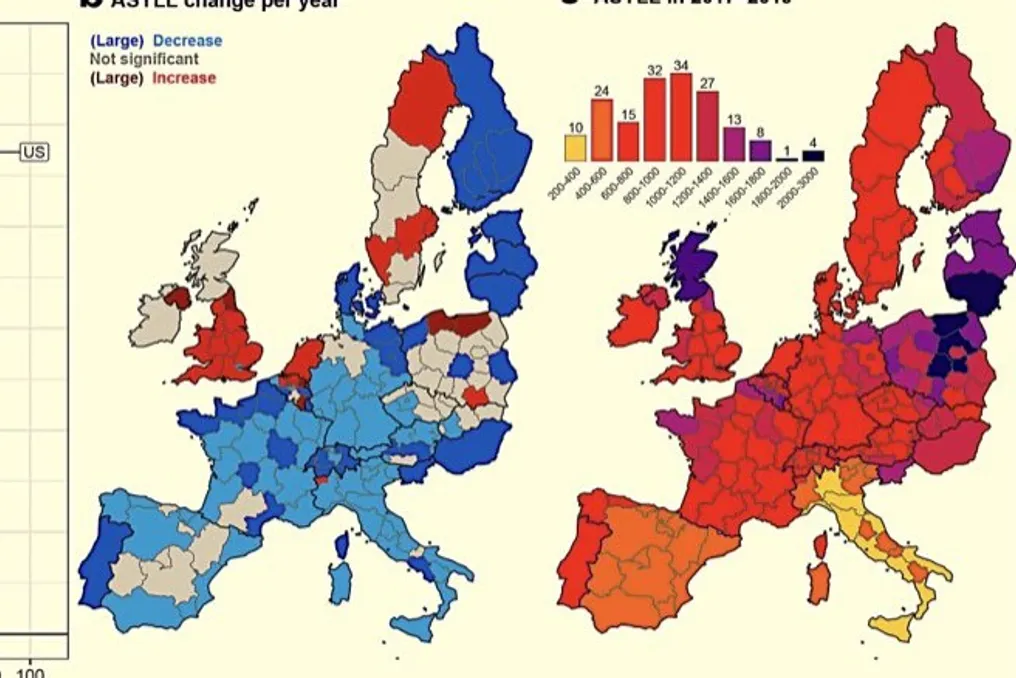
A study conducted by scientists from Germany and France demonstrated a decrease in the rate of deaths from despair in Europe between 2002 and 2019. The concept of 'deaths from despair' includes cases of suicide, deaths caused by alcohol use, liver diseases, and drugs.

According to data from the population study, the age-standardized rate of lost life years due to these causes decreased from 1101 to 955 per 100 thousand inhabitants for both sexes.

However, during the coronavirus pandemic, the opposite phenomenon was observed: deaths from despair increased in half of the regions covered by the study. The results of this study were officially published in the journal The Lancet Regional Health — Europe.

Popular