Billion-dollar success of GTA 6 reveals challenges and working conditions in the gaming industry
Read more
Olhar Digital
olhardigital.com.br

Billion-dollar success of GTA 6 reveals challenges and working conditions in the gaming industry

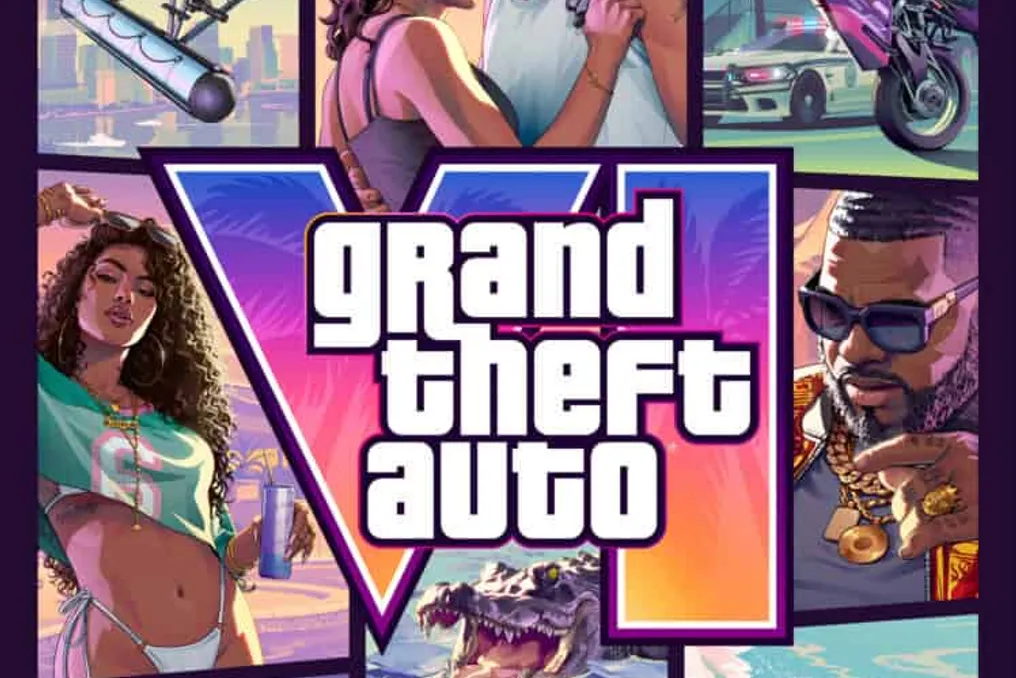
The launch of Grand Theft Auto VI (GTA 6) is anticipated as a milestone in video game history, with expectations to generate billions of dollars after more than a decade of development by Rockstar Games. However, behind this colossal financial success lies a contrasting reality: professionals involved in creating these games frequently face layoffs, long working hours, and job instability.

This situation was brought to light by Nestor Uriarte, an animation programmer at Rockstar Games, working at the Edinburgh studio in Scotland, and representing collaborators linked to the Independent Workers' Union of Great Britain (IWGB). In an article published in the British newspaper The Guardian, Uriarte advocated for the importance of collective organization and warned about labor conditions in one of the world's largest game producers.

Uriarte mentioned that GTA 5, released in 2013, achieved over 230 million copies sold and generated more than US$10 billion in global revenue, and it is expected that the next title in the franchise will surpass these figures. Despite this, the developer argues that commercial success must also benefit the people responsible for the production.

He emphasized that 'behind these numbers are thousands of people whose talent and dedication make the games possible. With the union's recognition, we can ensure that everyone, in every department, receives a fair share of the success they contributed to.'

The video game industry has been experiencing a wave of staff cuts affecting companies of various sizes, including major developers. According to Uriarte, approximately 24,000 jobs were eliminated globally in the last two years, indicating that success in projects does not guarantee professional stability.

Rodrigo “Chips” Scharnberg, consultant, investor, and columnist for Olhar Digital, attributes part of this to the rapid growth of the sector during the pandemic, which did not continue in subsequent years. During that period, studios increased their teams to meet demand but had to reassess costs when the market slowed down.

Competition has intensified the scenario. Chips pointed out that between 2006 and 2013, Steam registered an average of about 400 annual releases. This number jumped to approximately 11,000 in 2021 and is projected to reach 28,000 in 2026, according to SteamDB data. With so many titles competing for consumer attention, revenue tends to concentrate in a smaller group of games; Chips cited estimates that about 40% of releases do not earn $100 throughout their commercial life, which makes maintaining structures difficult even in established companies.

Additionally, there is an inherent characteristic to game development that shapes teams. According to Chips, studios tend to hire more personnel in the final stages of production, aiming to meet release deadlines. After the game is launched, however, maintaining the title requires a smaller team.

He compared this to the film industry, where the crew gathers to produce and shrinks at the end. In the gaming market, the logic is similar: the workforce follows the needs of each phase, which can lead to cycles of hiring and firing.

However, this dynamic does not exempt companies from their labor obligations. Lawyer Kleber Carvalho clarifies that Brazilian legislation prohibits transferring the risks of economic activity to workers. Thus, the completion of a project does not justify the company treating the dismissal of professionals as an automatic and risk-free consequence.

Carvalho reinforces: 'Here in Brazil, our legislation does not allow this transfer of business risk to the worker. The business risk belongs to the employer, the company.' He warns that the idea that 'the programming is finished, the game development is done, the employee is fired' is incorrect.

Lawyer Hellom Lopes, a specialist in labor law and partner at the MML firm, suggests ways to balance productive changes with greater professional security, such as reusing employees in new projects, offering retraining programs, and planning team transitions in advance.

A relevant aspect is the work culture in studios, known as 'crunch culture,' which describes periods of excessive hours, typically near the launch, under pressure to meet tight schedules. Rockstar has already been accused of practices related to this. Uriarte informed that the company started paying overtime, but employees demand that all time worked be properly compensated, raising the debate on how much commercial success can depend on the exhaustion of those who produced the game.

Lopes warns of a factor that can obscure abusive situations: the strong emotional bond professionals have with games. Many developers work on projects they were already fans of and may accept precarious conditions due to identification with the product. He states that 'we must overcome the idea that working on what you love constitutes sufficient compensation for inadequate working conditions. Passion for work cannot be incorporated into the business model as a way to reduce costs, normalize excessive hours, or relativize labor rights.'

In Brazil, sectoral instability also exists, although dismissals generally involve a smaller number of people compared to large international corporations. Chips notes that in studios with only a few dozen employees, the departure of ten or thirty can mean a proportionally large reduction.

The developer also points out that many Brazilian companies do not rely solely on the sale of their own games, as some professionals supplement their income by providing development, art, and software services to other segments. He estimates that only a small group of national companies survives exclusively from the creation and commercialization of their own games and intellectual property.

Faced with these challenges, workers are seeking union recognition at Rockstar. A vote among more than 1,600 employees of the British studios began on November 12th and ends this Thursday (26th). The purpose is to increase employee participation in decisions regarding salaries, working hours, benefits, and working conditions, allowing union representatives to formally negotiate with the company.

This mobilization occurs in a context of conflict: in October 2025, Rockstar dismissed 31 unionized employees, accused by them of retaliation for their union activities. The company denies this, claiming the dismissals occurred due to serious misconduct, unrelated to employee organization. The case reached a labor court in the UK, and Uriarte reported that the process was in the final arguments phase, without a defined outcome.

In Brazil, the Federal Constitution guarantees freedom of union organization. Carvalho explains that workers can mobilize collectively without being punished for participating in unions. For him, collective bargaining is crucial in sectors without consolidated representation. He emphasizes: 'It is unfeasible, it is impossible to fire an employee because they mobilized collectively, because they organized in a union. Brazilian legislation treats this situation very clearly. Workers can and should organize in unions, and they can never be punished or penalized for exercising this right.'

Lopes adds that dismissal motivated by union activity can constitute anti-union practice and discrimination. Citing Article 8 of the Constitution and ILO Convention No. 98, ratified by Brazil, he mentions protection against discriminatory measures related to union activity. The lawyer also recalls that the Supreme Federal Court (STF) determined the mandatory prior consultation with the union in mass layoffs, aiming to foster dialogue before measures affecting a large number of people.

Contacted by Olhar Digital, Uriarte thanked the contact but stated he would follow the IWGB's internal policy of not granting individual interviews. The union, for its part, temporarily suspended press statements due to the ongoing vote, keeping open the possibility of dialogue after the result.

Besides dismissals and exhausting hours, developers face the transformation driven by artificial intelligence (AI). Tools capable of generating images, texts, and voices can alter stages of game production, raising uncertainties about job maintenance and the evolution of roles.

Uriarte stated that Rockstar committed to preserving jobs and ensuring that its games continue to be made by people. However, he argues that employees must have a voice in decisions regarding the implementation of these technologies: 'But, with union recognition, we would have a seat at the negotiation table to jointly conduct this transformation that affects the entire industry.'

The contribution of developers to commercial success is another debated topic. For Carvalho, the technical and intellectual effort in creating these products deserves greater appreciation. He proposes that the sector discuss ways to recognize this participation, including copyrights and profit-sharing mechanisms. He questions: 'Another important issue in the games and gaming industry concerns the billions of reais in revenue generated by creating such a game, and the developers of this system do not receive a share of that right. Think about it, they are the authors, they are the ones who create.'

Lopes makes a crucial legal distinction: commercial success does not automatically guarantee that developers receive a percentage of sales. However, this does not prevent companies from implementing profit or results-sharing mechanisms, as provided for in Article 7, item XI, of the Federal Constitution and regulated by Law No. 10.101/2000, a model that could be more explored by the gaming industry, given the dependence of the product's value on technical knowledge.


Similar stories

GTA 6 Achieves Record First-Day Sales, Surpassing Avengers: Endgame
Read more
www.aajtak.in

GTA 6 Achieves Record First-Day Sales, Surpassing Avengers: Endgame

The new game GTA 6 has set a new record in the gaming world, achieving retail sales of $3.79 billion in just its first day of release. This amount is equivalent to approximately 35,000 crore Indian rupees.

It is worth noting that GTA 5 required three days to reach sales of $1 billion, whereas GTA 6 exceeded this figure many times over within a single day.

Take-Two Interactive, the parent company of the game, stated that GTA 6 has become the largest entertainment launch in any format. This figure surpassed even the initial revenues of GTA 5.

GTA 5, released in September 2013, crossed the $1 billion retail sales mark in the first three days. During that period, the game generated about $800 million on the first day and reached $1 billion after three days.

Thus, GTA 6's first-day sales were approximately 3.8 times higher than GTA 5's initial figures over the first three days. Despite a gap of approximately 13 years between the games, the popularity of the GTA series has not decreased; rather, it has increased.

One of the factors contributing to GTA 6's success was the long anticipation from gamers. The game was released after GTA 5 in 2013, and subsequent trailers, leaks, and changes in release dates amplified audience interest.

In America, the standard version of GTA 6 costs $80, while the $100 edition includes additional digital items. Nevertheless, the sales volume demonstrates a willingness by a large number of people to spend money on the game, despite its cost.

The game's plot centers around two characters—Lucia and Jason—and unfolds in the fictional American state of Leonida, which includes Vice City. Rockstar Games paid special attention to making the graphics, characters, and game world more massive and lifelike.

Take-Two claims that the launch of GTA 6 is the biggest in the entertainment industry. According to a Reuters report, GTA 6's daily sales exceeded the worldwide box office revenue of the film Avengers: Endgame, which totaled $2.94 billion.

However, when comparing these figures, it is important to consider the difference in methodology: GTA 6's figure reflects first-day retail sales, whereas Avengers: Endgame's sum is the total revenue from the entire theatrical run. This comparison highlights the power of the game's launch, but the revenue generation methods for both projects are different.

Currently, GTA 6 is available on PlayStation 5 and Xbox Series X|S, while the PC version release date has not yet been announced. An online mode is also expected, but its timeline is not yet determined.

This means that the revenue story of GTA 6 will not be limited to the first few days. The release of the PC version and the launch of the online mode could open up new revenue streams for the company, similar to how GTA Online sustained the popularity of GTA 5 and provided a constant influx of funds. The success of this scenario will depend on how Rockstar Games presents the online mode and how much interest gamers show in it. Considering that India is one of the largest PC gaming markets, an early PC release could bring additional profit to the company.

Rockstar Games developers express fear of layoffs after GTA 6 launch
Read more
tecnoblog.net

Rockstar Games developers express fear of layoffs after GTA 6 launch

Rockstar Games employees are expressing concern about potential layoffs, even after the successful launch of GTA 6, one of the most anticipated titles in the industry in recent years. This apprehension was shared by a studio collaborator following the game's debut this Thursday, November 19th.

Nestor Uriarte, a Rockstar programmer based in Edinburgh, mentioned that there is an industry history where workers face the possibility of cuts after the completion of major projects. This precedent fuels anxiety within Rockstar itself, despite the effort dedicated to developing a game of GTA 6's magnitude.

Uriarte clarified that he has not received any official notification regarding imminent layoffs, but uncertainty about the future remains. He commented: 'It is difficult not to worry about what the future holds.'

Furthermore, the programmer raises concerns that Artificial Intelligence may replace professionals in creative roles. He argues that across the entire sector, the skills acquired by workers over the years risk losing value as creative work is taken over by AI.

This statement comes amid debates about working conditions at Rockstar. Over 1,600 company employees in the UK are participating in a vote regarding union recognition. If this vote is approved, it could establish the largest recognized union in the British gaming sector.

According to Uriarte, although Rockstar has already implemented overtime pay in certain circumstances, unionization could formalize protections to prevent the return of excessive working hours during the development phase of massive projects.

The fear of cuts also reflects trends observed in other sectors, such as Ubisoft, which laid off approximately 1,100 jobs over a six-month period, even while reporting financial results above the studio's expectations.

GTA 6 was launched to acclaim and achieved excellent sales figures. The title debuted with a rating comparable to The Legend of Zelda: Ocarina of Time on review aggregators, with the latter being Nintendo's highest-rated game in history up to that point. Even before the launch, the new GTA had already amassed over US$1 billion in pre-orders, according to the outlet cited. Sales are expected to surpass the record set by GTA 5, which sold more than 230 million copies.

Expert states that GTA 6 could redefine entertainment consumption, going beyond video games
Read more
olhardigital.com.br

Expert states that GTA 6 could redefine entertainment consumption, going beyond video games

Grand Theft Auto VI (GTA 6) possesses a rare ability to mobilize an audience in video game releases, with its debut scheduled for November 19, 2026. This new title from Rockstar Games is already influencing debates about marketing strategies, consumption, and the industry timeline.

However, the game's impact may transcend the video game universe. In an interview given to Olhar Digital, Lucas Patrício, founder of GMD and a games market specialist, analyzed how GTA 6 can compete for consumer attention against streaming platforms, social media, and off-site activities.

The interviewee assesses that the game has the potential to become a milestone in entertainment, driven by an expectation that extends beyond the traditional gamer audience. This phenomenon also opens doors of opportunity for corporations not directly belonging to the gaming sector.

A notable differentiator of GTA 6 is its ability to attract consumers who usually do not follow industry releases. According to the expert, there are players who purchase only one title annually or who are willing to buy a console specifically to experience the new Grand Theft Auto, which expands its commercial reach and explains why other companies avoid launches close to Rockstar's release date.

The postponement of GTA 6 generated an unforeseen effect: instead of decreasing interest, it intensified discussions and raised the sense of urgency among consumers. This behavior is linked to the concept of FOMO (fear of missing out), which describes the dread of missing a shared experience. With videos, streams, and posts about the game dominating social media, consumers who initially did not plan to buy the title may change their minds.

The expert cited estimates of around 10 million pre-orders, a number that, if confirmed, would position GTA 6 among the biggest successes in the industry, although this data has not been officially disclosed by Rockstar.

Despite high expectations, the launch occurs in a context of more expensive equipment. The interviewee points out that previous titles in the franchise were released when consoles already had a considerable installed base. Although GTA 6 benefits from a consolidated generation, it faces consumers facing high prices for acquiring new devices, which may hinder the entry of players without a PlayStation 5 or Xbox Series X|S.

Conversely, the expert believes that the proximity of the launch may foster a second wave of console sales. The logic follows the pattern of pre-orders: as the game dominates conversations and streams, the social pressure to participate in the experience increases.

Another point raised is the strategy of launching on consoles before a potential PC version. In the expert's view, Rockstar seeks to maintain control over the game's distribution, especially considering technological advances that facilitate unauthorized software adaptations to other platforms. This possibility, however, is seen as a risk analysis and not as confirmation of execution on unannounced platforms.

The most immediate effect of GTA 6 lies in the competition for consumers' free time. The launch should concentrate millions of people's attention in the first weeks, implying a possible temporary decrease in time dedicated to other forms of entertainment, such as Netflix, YouTube, and other games.

This phenomenon is also manifested in player behavior, with requests for leave, planning long streams, and strategies to start the game as quickly as possible. In Brazil, the debut is scheduled for Thursday, November 19, the eve of the national Black Consciousness Day holiday. For those who do not work on weekends, this combination may allow for four consecutive days dedicated to the game, provided there is time off on Thursday.

The interviewee also considers probable that the launch will modify off-screen consumption habits. Players who choose to stay home during the period may reduce expenses on restaurants, bars, and other in-person activities, while delivery services may benefit. Such consequences, however, are behavioral projections and not yet measured economic results.

For the expert, GTA 6 also constitutes a communication event. It is expected that the game will occupy a relevant share of social media conversations, creating opportunities for companies wishing to participate in a highly publicized topic. In this scenario, even brands without a direct link to video games can use cultural references, memes, and content related to the launch. Duolingo was cited as an example of a company whose communication style could fit this type of dialogue.

However, participating in a trend does not necessarily require a commercial campaign or official partnership with Rockstar. The strategy can consist of punctual content that capitalizes on public interest without infringing on intellectual property. Hardware companies, meanwhile, must consider another restriction: since GTA 6 does not have an announced PC version for the launch, campaigns focused on the game's performance on computers depend on future information.

Despite the high expectation, the expert warns about subsequent impacts. One possibility is that consumers who bought consoles solely to play GTA 6 will keep the hardware after completing the campaign or reducing time spent on the title, potentially seeking other experiences. This could be advantageous for publishers planning releases in the following months, as games scheduled for January might attract an expanded audience, including those who returned to the video game market because of Rockstar.

The overall market impact, however, will depend on variables such as the amount of time players dedicate to GTA 6, interest in other titles, and the developer's future plans. The lack of detailed confirmation regarding the online component's launch also creates uncertainty about the initial experience for those who have followed GTA Online for years. Nevertheless, the expert believes that the anticipation for the story mode should maintain interest in the launch.

More than just an isolated commercial success, GTA 6 can act as a catalyst for various industry sectors. After years marked by restructuring, layoffs, and funding issues, the launch offers a chance to attract consumers, boost console sales, and reposition video games at the center of entertainment discussions. However, the true magnitude of this impact will only be determined after the game reaches the public.

Popular