Port in the Canary Islands accepted 1560 migrants, which could be a record figure
Read more
Noticias ao Minuto
noticiasaominuto.com

Port in the Canary Islands accepted 1560 migrants, which could be a record figure

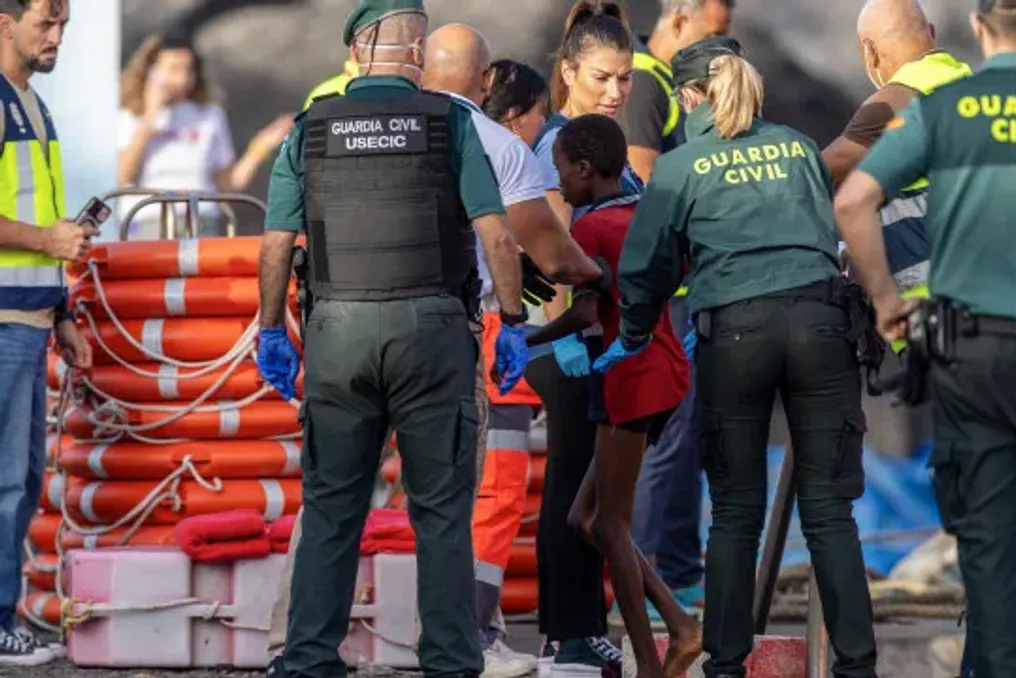
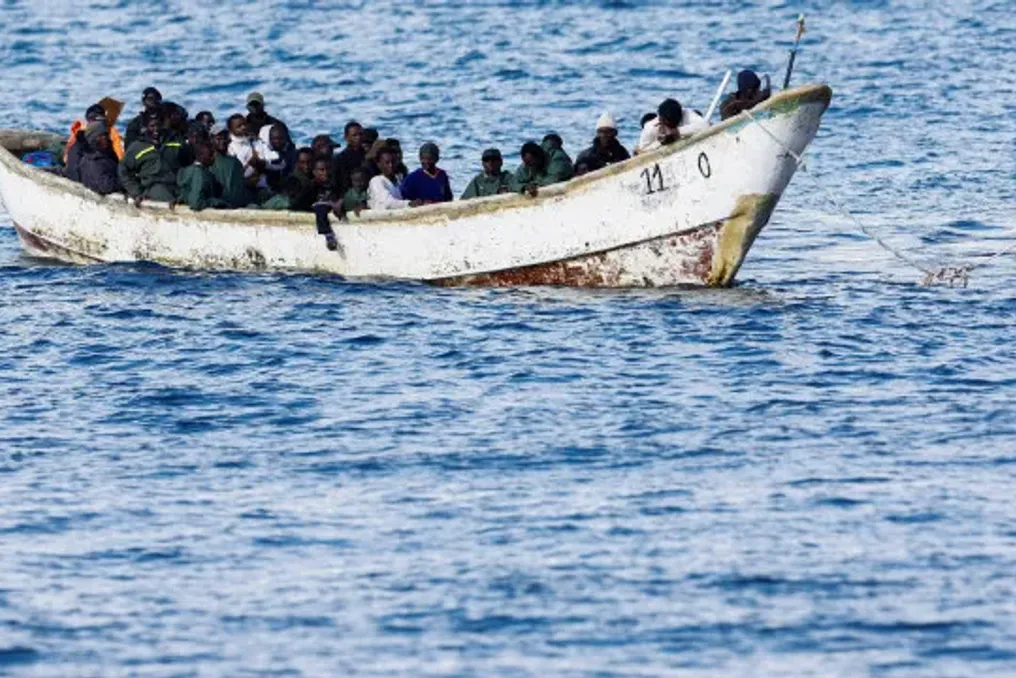
The port in the Canary Islands today accepted 1560 migrants who arrived on 10 vessels from Gambia and Senegal, potentially setting a record flow for this Spanish archipelago.

According to data from the EFE agency, obtained from migrant aid services, among the people on the vessels were 163 women and 92 minors.

Previously, the maximum number of people using the so-called 'Canary Islands Route' and rescued in one day before 2026 was 1461 people, registered on November 7, 2020, when the arrival center was in Arguineguín, on Gran Canaria.

This figure was exceeded on November 14, when 13 vessels brought 1580 migrants: 1327 disembarked in El Ejido, 203 in Gran Canaria, and 50 in Tenerife.

Furthermore, two vessels, for which there is no data yet, were rescued at sea 70 kilometers from the coast, which could lead to a record for rescuing migrants at sea in Spain in one day.

The first vessel to arrive today in El Ejido docked at 02:45 and carried 217 people from Gambia and Senegal, excluding one refugee from Yemen; this group included 13 women and 18 minors.

The second vessel reached La Resistencia with 190 people from Gambia, Senegal, and Guinea-Bissau, including 20 women and eight minors, after seven days in the Atlantic Ocean.

The third vessel also contained 217 people from these three West African countries, including 21 women and 12 minors, while the next vessel had 171 migrants, among whom were 23 women and 18 minors.

One of the people on the fourth vessel was hospitalized in the Valverde hospital, the capital of El Ejido, due to severe hypothermia.

The fifth vessel brought 93 Senegalese, and the next two vessels carried 186 people each, arriving from Gambia, Senegal, Guinea-Bissau, and Guinea-Conakry.

The eighth vessel contained 208 people from Gambia, Senegal, Guinea-Conakry, Mauritania, Burkina Faso, and Mali, and the ninth had 119 people, and the last one had 159.

In addition to the 1560 people accepted today, 815 people were rescued on Monday, with six vessels docking in El Ejido and two in Tenerife.
Similar stories

More than 360 migrants arrived in the Canary Islands on Sunday
Read more
noticiasaominuto.com

More than 360 migrants arrived in the Canary Islands on Sunday

According to rescue services, more than 360 migrants arrived in the Canary Islands on Sunday. Specifically, sixty-eight people, including two women, arrived on the island of El Hierro, bringing the total number of arrivals on Sunday to 362.

These 68 people formed the sixth group rescued on El Hierro island on Sunday. In total, 362 people arrived on the island that day, including 27 women and 21 minors.

Emergency response teams provided support to 68 individuals who reached the Spanish island aboard a vessel after a five-day voyage from Saint-Louis, Senegal.

The ship arrived at the port of La Restinga around 21:20 local time (which corresponds to the time in Lisbon) with the assistance of the Salvamar Navia vessel, belonging to the Spanish Maritime Rescue Service. Participants in this expedition are from Senegal, The Gambia, and Guinea-Conakry.

Most of the migrants who arrived on these six vessels on Sunday were of Sub-Saharan origin. El Hierro island is located in the Atlantic Ocean, southwest of the Canary Islands archipelago in Spain, and belongs to the province of Santa Cruz de Tenerife.

133 migrants rescued in Canary Islands; total arrivals reach 407 on Thursday
Read more
noticiasaominuto.com

133 migrants rescued in Canary Islands; total arrivals reach 407 on Thursday

Spanish maritime authorities announced that two vessels carrying 133 migrants were rescued near the island of El Hierro in the Canary Islands. This increased the total number of people arriving on Thursday to 407.

The two boats were discovered in waters close to El Hierro island late Thursday evening, according to data from the Canary Islands Emergency and Security Coordination Center. The migrants were transported to the island where they received medical assistance; all were in good health.

These 133 individuals joined 274 people who arrived at the port of La Restinga in El Hierro aboard three other vessels during Thursday, the Maritime Rescue Service reported. One of the rescued vessels was partially flooded upon discovery 15 kilometers from the island, and its passengers, mostly men from sub-Saharan countries but also including women and children, received aid from paramedics and emergency crews.

The origin of the vessel is unknown, and its passengers will be transferred within the next few hours to a support center managed by the non-governmental organization (NGO) Corazón Naranja – Ebrima Sonko. They will remain under police supervision until transferred to other locations outside the island.

The Canary Islands, and particularly El Hierro, are experiencing significant pressure due to the growing number of migrants. The regional government has counted over 6,500 people since November 1st. This situation has led to the declaration of a 'migration state of emergency' in the Canary Islands, especially in El Hierro. The president of the regional government, Fernando Clavijo, insisted on the urgent need to strengthen sanitary response for migrants, including the creation of a field hospital.

El Hierro is the smallest inhabited island in the Canary Islands, with a population of about 12,000, and it is the island where most fragile vessels such as 'pateras' or 'cayucos' arrive with migrants. The increase in arrivals has forced the Canary Islands government to reopen centers in Tenerife that had been closed since summer for initial accommodation.

The Atlantic migration route, which starts from Morocco and Western Sahara via the shortest path, as well as from Mauritania, Senegal, Gambia, and Mali via longer crossings, is considered one of the most dangerous in the world. Crossings can take several days or even weeks in the open sea. Despite a decrease in crossings towards the Canary Islands over the past two years, mortality on this route has increased due to the opening of longer and more dangerous routes (for example, from Guinea-Conakry or Gambia).

The flow of vessels on this route usually intensifies in autumn—a phenomenon known locally as the 'cayuco crisis'—mainly due to the typical wind lull in this area during that period, which facilitates sailing at sea. According to UN estimates, 17,788 irregular migrants arrived in the Spanish islands in 2025 on 263 vessels. The UN has also documented the death or disappearance of at least 416 people at sea, while the NGO Caminando Fronteras points to 1,906 deaths on this route already in 2026.

Popular