Netflix film with Brad Pitt draws criticism over use of artificial intelligence
Read more
Tecnoblog
tecnoblog.net

Netflix film with Brad Pitt draws criticism over use of artificial intelligence

Viewers who watched early screenings of Cliff Booth's New Adventures, the latest Netflix film starring Brad Pitt, voiced criticism regarding images that appear to have been generated by artificial intelligence (AI).

Director David Fincher defended the use of new tools, although he did not provide technical details about the scenes that were contested. The feature film features a script by filmmaker Quentin Tarantino and follows a character previously seen in Once Upon a Time in Hollywood.

The narrative unfolds in Los Angeles in 1977, eight years after the release of the previous film, showing Cliff working to resolve internal issues within the entertainment industry.

Filmmaker Patrick Tomasso expressed his dissatisfaction after watching a screening, accusing the production of using AI overtly. Meanwhile, the portal The Playlist reported oddities observed in two sequences of the film. In an interview given to Dazed this Tuesday (24), Fincher was questioned about the application of AI to Cliff Booth.

The director countered, arguing that he maintains complete control over camera placement and the content displayed on screen. He used The Curious Case of Benjamin Button as an example of how the combination of acting and digital effects can work. In the film, Brad Pitt's performance was adapted to a computerized face and integrated with another actor's work.

For Fincher, this fusion is part of acceptable cinematic language. He told the magazine: 'It is intentions that should be feared, not technology.'

The film's connection to AI technologies had already been mentioned by Bloomberg. It is relevant to recall that Netflix acquired InterPositive, a company founded by actor and filmmaker Ben Affleck, in March 2026, and integrated its team into the platform.

In an official statement, Affleck described the models developed to manage scenarios such as background and lighting replacement, ensuring the visual coherence of the material. Netflix assures that its purpose is to expand artists' capabilities while keeping creative decisions under supervision.

The use of AI was also highlighted in The Eternauta. In 2025, Ted Sarandos, Netflix Co-CEO, stated that a collapse scene was finalized ten times faster thanks to the technology. According to the executive, this effect would not be feasible within the series' budget using traditional methods.

Cliff Booth's screenings will be available in IMAX starting November 25, with the official arrival on Netflix scheduled for December 23, according to the platform's schedule.

Similar stories

AICWA demands ban on Pakistani series airing on Netflix in India
Read more
www.aajtak.in

AICWA demands ban on Pakistani series airing on Netflix in India

A dispute has arisen surrounding a multi-star web series from Pakistan airing on Netflix, leading to demands for its ban in India. The All India Cinema Workers Association (AICWA) sent a letter to Prime Minister Narendra Modi demanding the halt of this Pakistani show's release in India.

Pakistani cinema, known as Lollywood, is preparing to release a major project on the Netflix platform, which will soon be available worldwide. It features renowned Pakistani actors such as Mahira Khan, Fawad Khan, and Hania Amir. However, there is a threat of this show being banned in India.

The AICWA appealed to Prime Minister Narendra Modi to completely prohibit the screening of this series in India. The organization urged the government to strictly enforce directives issued last year regarding Pakistani content. In its statement, AICWA declared that terrorism should not be applauded, and that the country must be prioritized.

The association strongly requested Prime Minister Narendra Modi not to allow the series 'Bachae Hain Sang Samait Lo' to be released on Netflix in India on December 4, 2026. AICWA labeled Pakistan a terrorist country and stated that its series, films, songs, podcasts, and any other content should not appear on Indian screens. Furthermore, AICWA demanded the creation of a strong and permanent law with the harshest penalties.

AICWA also addressed Netflix India and all other OTT platforms, calling for them never to show any Pakistani content in India. In support of its demands, the association referenced the advisory notification from the Ministry of Information and Broadcasting dated May 8, 2025, which was issued after the Pahalgam attack and instructed OTT platforms and digital media to cease streaming Pakistani content.

In the organization's view, if Netflix begins broadcasting this series in India, it would contradict the spirit of the government notification and the sentiments of the people. AICWA demanded that the central government ensure strict adherence to these guidelines across all streaming platforms, and called for the creation of a permanent law to take action against the broadcast of Pakistani products on television, OTT platforms, and in cinemas.

The series 'Jo Bachae Hain Sang Samait Lo' is based on Urdu language bestsellers written by the renowned writer Farahat Istiaq. This novel was first published as a series in the magazine Khawateen Digest in 2009 and later released as a book in 2013. The series will present six love stories spanning three generations. Production is handled by Mominah Durad Films, with Mominah Durad serving as the showrunner. Filming took place in Pakistan, Italy, and the United Kingdom.

Besides Fawad Khan, Mahira Khan, and Hania Amir, important roles in the series will be played by Pakistani actors such as Ahad Raza Mir and Hamza Ali Abbasi. The cast also includes Ahmed Ali Akbar, Bilal Ashraf, Maya Ali, Iqra Aziz, Husail Khan, Nadia Jamil, Omair Rana, and Samina Ahmed.

Netflix series addresses sickle cell disease, discussing issues of health, rights, and racism
Read more
super.abril.com.br

Netflix series addresses sickle cell disease, discussing issues of health, rights, and racism

The British series Supacell, available on Netflix, uses sickle cell disease as a starting point to narrate a superhero story. Released in 2024, the work has achieved great success, and its second season is currently being edited for a premiere in early 2027. This fiction can serve as an effective medium to debate the fight for the rights of individuals affected by the disease.

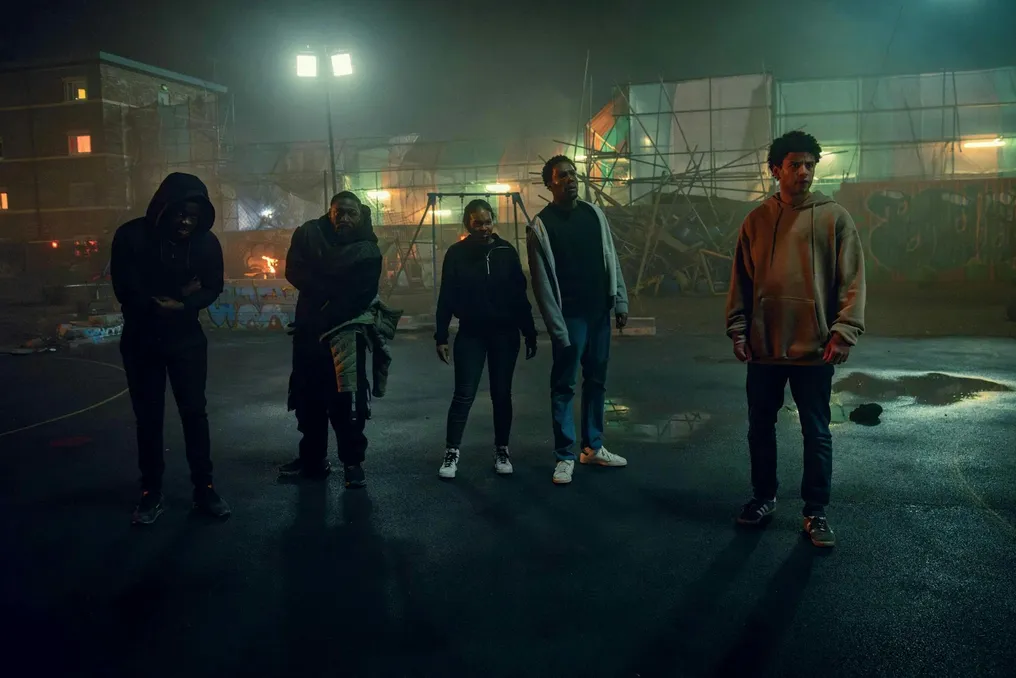
Created by British director and screenwriter Andrew Onwubolu, the plot follows five young Black people from South London who acquire extraordinary abilities, such as teleportation, superhuman strength, and time travel, due to a genetic mutation related to the disease, without having developed the condition themselves.

In the first season, Michael Lasaki (played by Tosin Cole), a delivery driver, discovers the ability to go back in time and anticipates his girlfriend's murder. His search for other people with similar powers to save her places him in a conspiracy where a clandestine organization tries to dominate and imprison individuals endowed with superpowers.

However, the series transcends the archetype of the traditional superhero, who wears a cape and acts as a vigilante. The characters remain engaged in daily adversities, dealing with family, financial, violence, and relationship issues.

Sickle cell disease is hereditary and results from modifications in the gene responsible for producing hemoglobin, the molecule that transports oxygen in red blood cells. When there is oxygen deficiency, these red blood cells take a sickle shape, which can block microvessels and cause intense pain and severe inflammation. Although it is more common in populations of African descent in Brazil, this does not establish an exclusive link. The Ministry of Health estimates that between 60,000 and 100,000 people in the country live with this condition.

Despite using this genetic heritage as a potential strength, the Netflix series also addresses the racism inherent in this determinism. In a conversation, Andre Simpson (Eric Abrefa) recounts the death of AJ's grandfather (Ki-Many Carty), who was a victim of a stroke linked to the disease. Upon learning the cause, AJ questions whether the illness is exclusive to Black people, and his father clarifies that people of other ethnicities can also contract it, mentioning that both underwent tests.

Michael's mother is a central character who lives with the disease. In the initial episode, while she is hospitalized to stop a crisis, a representative from an organization offers services that promise faster and more efficient symptomatic control, but this advantage comes at a high cost.

This conflict brings the fiction closer to reality: the existence of effective treatments does not guarantee access to them. In Brazil, care depends on the availability of specialized services, medications, and professionals. In this context, the role of collectives and associations of people with sickle cell disease is crucial to ensuring treatment.

In 2006, the World Health Organization (WHO) endorsed a resolution requesting countries to consider sickle cell disease a public health problem. Research conducted in Brazil, starting in 2025, points to the existence of approximately 30 collectives and associations, most founded after the 2000s, driven by the National Policy for Comprehensive Care of People with Sickle Cell Disease (PNAIPDF) of 2005.

An article published in the journal História, Ciências, Saúde – Manguinhos analyzes Brazil's role in the international dissemination of the Unified Health System (SUS) and technical cooperation initiatives regarding sickle cell disease carried out between 2006 and 2010 with Benin, Ghana, and Senegal. The study demonstrates how Brazilian representatives presented a methodology focused on comprehensive care and continuous monitoring, something only viable in a universal and free healthcare system like SUS.

Brazil is recognized as a reference in research and in its care model, centered on Comprehensive Care. Because it is a chronic disease that requires permanent care, this model serves as an example for other nations. This view remains essential: care requires prevention, diagnosis, treatment, and continuous monitoring, with primary care articulating access to other services.

Among the main needs of patients with sickle cell disease are the continuous supply of medication, support during crises, and humanized care by specialists. This is not limited to Brazil, as observed during the 1st Portuguese Symposium on Sickle Cell Disease and Thalassemia, held in September of this year in Lisbon, with the presence of Portuguese activists.

Often, what is lacking is the adequate care routine: doctors who understand extreme fatigue and the pain caused by crises, and access to hydroxyurea. This medication stimulates the body to produce fetal hemoglobin, significantly reducing recurrent crises, although it does not replace bone marrow transplant, considered the main path to cure.

Although offered by SUS, the distribution of this drug is irregular because it depends on the priorities defined by state health policies, leaving it to the state government to regulate the supply.

Besides associations, there are prominent Brazilian activists on social media and recognized by Portuguese colleagues. A notable name is Simone Bruna, who maintains a YouTube channel focused on access to treatment, frequently highlighting the role of SUS. She used hydroxyurea for free for twenty years and, at 38, underwent a bone marrow transplant. Recently, she celebrated two years since the procedure, completed in October 2026, a period necessary to confirm bodily adaptation and the ability to generate healthy red blood cells.

Bone marrow transplant is the main curative method, but another obstacle arises: the limitation of beds. The restricted number of beds in the country forces people with various serious illnesses to compete for insufficient hospital infrastructure, resulting in the accumulation of sequelae due to constant crises while waiting.

In addition to hydroxyurea and transplantation, gene therapies have already been approved in certain countries. These techniques aim to alter cellular function to mitigate the effects of the genetic alteration, promoting the production of fetal hemoglobin. Despite promising results, they require complex procedures, specialized monitoring, and prolonged follow-up. Costs and the need for specialized centers can also restrict access, without replacing regular care, specialized attention, and access to medication.

In Supacell, the secret organization proposes teaching the protagonists to control their powers, but subjects them to a surveillance regime. The reality of medical research differs, and the development of new therapies represents a significant advance. Nevertheless, the narrative allows for reflection on who controls the resources capable of transforming lives and who actually benefits from them.

}))
Disney implements artificial intelligence in production, preparing for the launch of the series Ozzy Fox in December
Read more
ventureburn.com

Disney implements artificial intelligence in production, preparing for the launch of the series Ozzy Fox in December

In recent years, Hollywood has viewed artificial intelligence as a threat to the creative process, with both studios and unions engaging in legal battles while executives concealed their AI experiments. However, Disney now appears to be moving towards an AI-driven evolution.

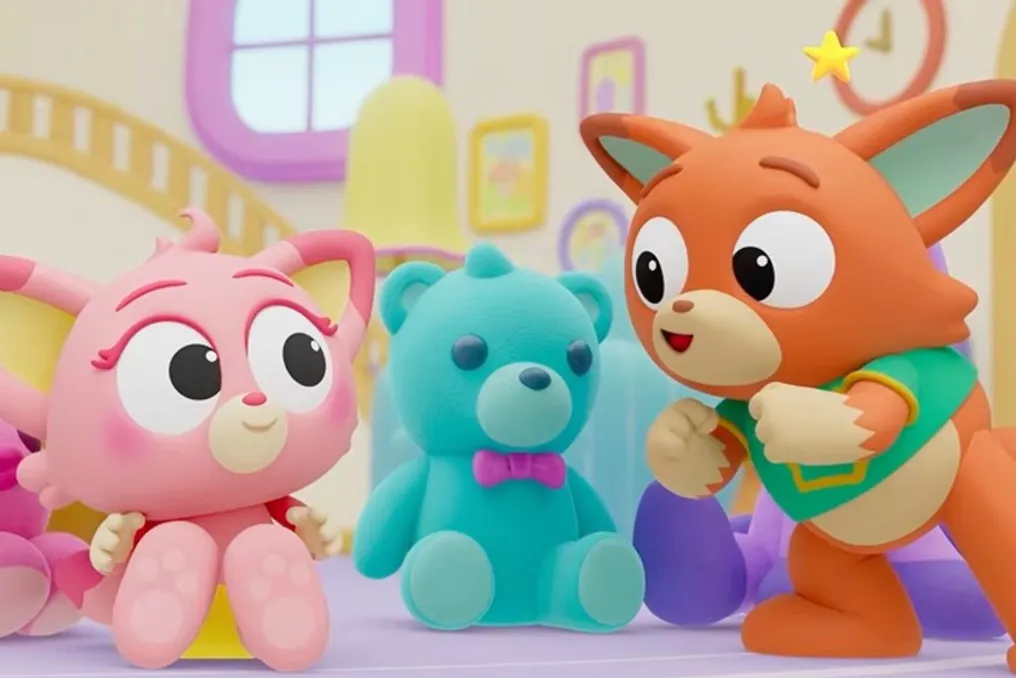
Disney has embraced AI by announcing plans to release a new animated children's series titled Ozzy Fox in December. The creation of Ozzy Fox occurred just a few months after the company rejected the use of AI in its creative process.

Over the past year, major entertainment companies have found that fighting AI does not prevent children's viewing time from being filled with low-quality, AI-generated content. Now, Disney intends to utilize AI, provided the process is curated by artists to deliver valuable content to children.

Ozzy Fox is the first such project. This series was developed by Animaj studio, which is rapidly growing and joined the Disney Accelerator program in 2025.

The musical show tells the story of a family of foxes who embark on musical adventures. The series was already tested on Disney Jr. and video streaming platforms in July, garnering hundreds of thousands of views within a few days.

This series differs from simple text-to-video generators because it is created from start to finish by human artists. All key character poses are pre-planned manually by animators.

Next comes Animaj's exclusive FlipMove pipeline. According to Disney, FlipMove is based on agentic AI and is used to accelerate labor-intensive intermediate stages. One AI agent analyzes the director's storyboard notes, and a second AI agent selects the appropriate internal model for movement between sketches. After the AI works, artists manually check every frame before the release of Ozzy Fox.

By using these AI tools, Animaj operates within a closed ecosystem, which reduces episode production time. Thanks to its unique process, the studio has attracted venture capital support. Animaj raised $85 million to scale its artist-focused platform. The new funding will help the studio create an even more efficient process and further reduce the time it takes for animated shows to reach viewers.

As expected, there is much debate when automation is combined with children's programming. When early episodes of Ozzy Fox appeared during the summer, the series was accused of being unfinished. The reason cited was overly simple backgrounds and a lack of prop detail, suggesting hasty automation. Opposition arose, but Animaj responded with a public manifesto. They emphasized that the real problem is not artificial intelligence, but careless work.

In studios that do not use smart tools, low-budget video prompts are used instead. Rigorous training of models on closed and proprietary data helps protect intellectual property rights and ensures that writers and animators continue to work. Even leading innovators at Disney stated that the creative team retained their jobs because of how they use AI. Instead of replacing creators with AI tools, Disney uses them merely as means to accelerate the creative process.

Popular