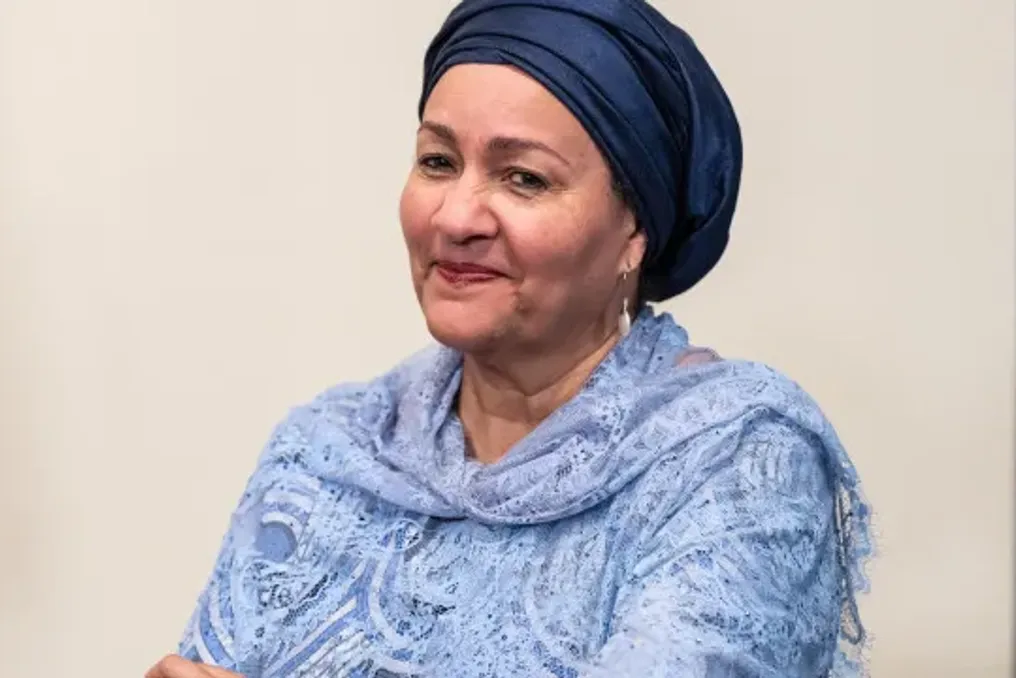
The United Nations Under-Secretary-General, Amina Mohammed, warned that even after decades of efforts to combat violence against women and girls, there are still significant gaps in the protection of victims and the accountability of aggressors.
During the official UN event marking International Day for the Elimination of Violence Against Women, Amina Mohammed, Deputy to António Guterres, highlighted the progress made, such as legal changes and the establishment of protection institutions. However, she stressed that despite the advancements, there has been an excessive tolerance for serious failures.
The Nigerian-British diplomat lamented that even after the speech, other women or girls were victimized by intimate partners or family members. Concluding her term as Under-Secretary-General, Amina Mohammed reflected on the courage of the women who drove the fight and on the promises of justice that still need to be fulfilled.
Earlier this year, during the seventh session of the Commission on the Status of Women, held in New York, member states agreed to implement several measures. These include strengthening women's access to justice, repealing discriminatory legislation, and ensuring protection and reparation for damages suffered by survivors, including cases of online violence.
At the current event, Amina Mohammed pressed for the fulfillment of these agreements, calling on governments, technology companies, and the UN itself to assume their responsibilities. She mentioned that in recent years, there have been shifts in mindsets and reinforcement of judicial systems, leading to a doubling of gender-based violence conviction rates in 13 countries.
However, the diplomat expressed concern that more than a third of women's rights organizations interviewed by the UN have been forced to suspend or close their programs due to funding cuts. She emphasized that this work is vital for protecting lives and requires political and financial support.
Mohammed made a direct appeal to those present and the global public to challenge social attitudes and norms that perpetuate violence. She encouraged people to speak out when hearing justifications or excuses for violence in work, domestic, or social settings, as they hold significant influence.
Data presented by the UN indicates that gender-based violence affects approximately 840 million women and girls worldwide, or one in three. According to UN Women, most survivors of physical or sexual assault rarely seek help, and the rates of seeking help are declining in many nations.
The Under-Secretary-General concluded by calling for greater ambition regarding global women and girls, ensuring that they find protection when they seek it, receive justice when they demand it, and that there are consequences when their rights are violated, thus honoring the promise made.
International Day for the Elimination of Violence Against Women is celebrated annually on November 25th with the aim of raising global awareness and fostering action against gender-based violence. The high-level meeting held at the UN headquarters in New York included UN leaders and member states, advocates for justice, and representatives of women's rights.
The event was moderated by actress, author, and producer Azie Tesfai and included speeches and a discussion focused on practical actions to ensure justice, protect survivors, and eradicate impunity. Participants included Sima Bahous, Executive Director of UN Women; David Pelicot, activist and son of Gisèle Pelicot, and Jaha Dukureh, Regional Envoy of UN Women for Africa.