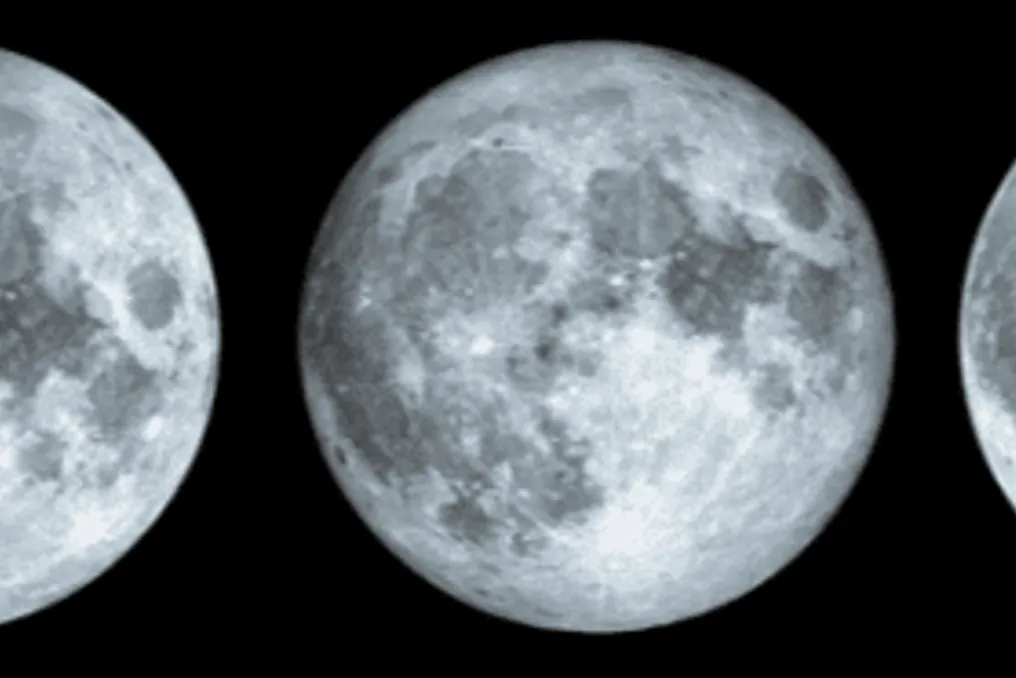
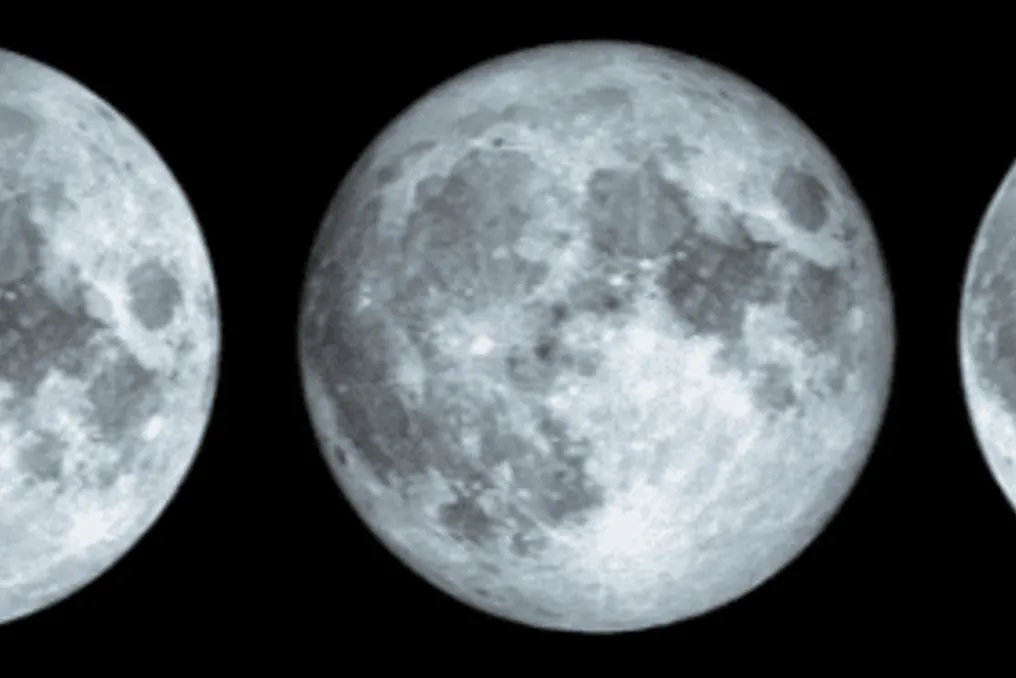
November Supermoon, known as the Beaver Moon, illuminates the UAE sky
Read more
Khaleej Times
www.khaleejtimes.com

November Supermoon, known as the Beaver Moon, illuminates the UAE sky

Residents of the United Arab Emirates (UAE) can observe a full moon in November, which has been named the Beaver Moon. This phenomenon is a supermoon that occurs approximately once every 12 months.

A supermoon occurs when the full moon coincides with the closest distance to Earth, making it brighter and larger compared to an ordinary full moon. According to Hadijah Al Khairi, operations manager at the Dubai Astronomical Group, on this evening the Moon is at a distance of about 360,000 km from Earth.

The Dubai Astronomical Group organized a special event to observe the supermoon at the SEE Institute in Dubai Sustainable City. The event attracted about 130 participants. Participants were given the opportunity to view the Moon through telescopes, study its craters and surface features, and learn more about the nearest celestial neighbor.

Besides the name Beaver Moon, this full moon is sometimes called the Iney Moon, which is related to the cold weather of late autumn. According to data from the UK Meteorological Office, there are several theories regarding the origin of this name.

One possible explanation is that traditionally, beaver traps were set during this time as the animals prepared for hibernation, which increased their activity.

Similar stories

Moon Phase on November 18, 2026 is Waxing, According to Inmet
Read more
olhardigital.com.br

Moon Phase on November 18, 2026 is Waxing, According to Inmet

On November 18, 2026, the Moon will be in the waxing phase, showing 61% visibility. The National Institute of Meteorology (Inmet) has made available the complete calendar of lunar phases for the month.

The November phases began with the Waning Moon on the 1st at 5:30 PM Brasília time. Subsequently, the New Moon occurred on the 9th at 4:02 AM. The Waxing Moon appeared on the 17th at 8:48 AM, and the Full Moon is scheduled for the 24th at 11:55 AM.

A lunar cycle, also known as a lunation, is the time interval between two new moons and has an average duration of 29.5 days. During this period, the four main phases are observed: new, waxing, full, and waning, each lasting approximately seven days.

In addition to these main phases, there are so-called 'interphases,' which include the quarter waxing and the gibbous waxing (located between the new and full phases), and the gibbous waning and the quarter waning (between the full and waning phases).

Details about Lunar Phases

During the New Moon phase, the satellite is positioned between the Earth and the Sun. This results in only the side illuminated by the Sun facing the Sun, while the dark side faces us, making the Moon invisible in the night sky. This phase signals the beginning of a new lunar cycle and is linked to renewal and new opportunities.

After the New Moon, the Waxing phase begins. Slowly, a thin band of light starts to be seen in the sky, progressively increasing each night. Initially, only a faint arc is observed, but as the days advance, the illuminated area grows until it reaches half of the Moon, a stage called Quarter Waxing. This period symbolizes development, growth, and the building of new paths.

In the Full Moon phase, the Earth is located between the Sun and the Moon. This configuration allows the entire lunar face facing us to receive complete illumination, making it fully visible and radiant in the firmament. It is the moment of maximum luminous intensity, occurring when the Moon rises on the horizon simultaneously with sunset. The Full Moon is associated with fullness, the peak of processes, and energy at its maximum level.

After the Full Moon, the lunar luminosity begins to gradually decline. Each night, the illuminated portion decreases. When half of the Moon is visible, the Quarter Waning occurs, which is the opposite of the Quarter Waxing. The Moon continues to lose brightness until it returns to the New Moon, thus restarting the cycle. The Waning phase represents reflection, conclusion, and preparation for subsequent beginnings.

Currently, the Moon is in the Waxing phase.
Moon Phase on November 12, 2026: Information about the Lunar Cycle
Read more
olhardigital.com.br

Moon Phase on November 12, 2026: Information about the Lunar Cycle

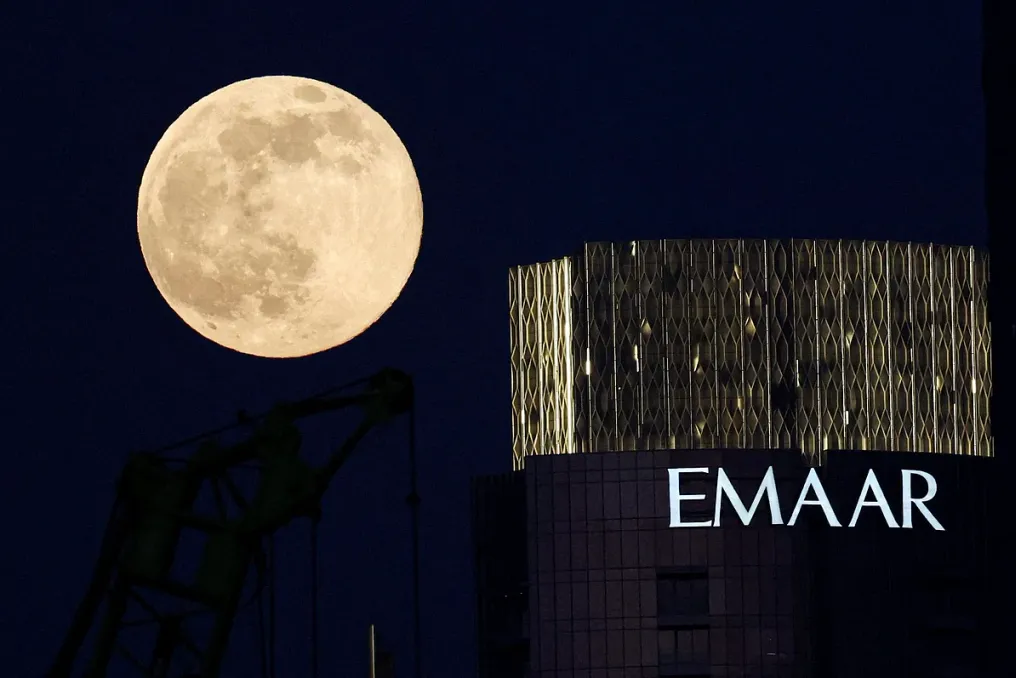
On November 12, 2026, the Moon was in the new phase, showing 12% visibility. The National Institute of Meteorology (Inmet) provided the complete calendar of lunar phases for the month.

The November phases began with the Waning Moon on the 1st at 5:30 PM Brasília time. Subsequently, the New Moon occurred on the 9th at 4:02 AM. The Waxing Moon appeared on the 17th at 8:48 AM, and the Full Moon was recorded on the 24th at 11:55 AM.

A lunar cycle, also known as lunation, is the time interval between two new moons and has an average duration of 29.5 days. During this period, the Moon passes through the four main phases—new, waxing, full, and waning—with each phase lasting approximately seven days.

In addition to these main phases, there are so-called 'interphases': the first quarter and the gibbous crescent (located between the new and full phases), and the gibbous waning and the last quarter (located between the full and waning phases).

Details of the Lunar Phases

During the New phase, the satellite is positioned between the Earth and the Sun. This results in only the side illuminated by the Sun facing the Sun, while the dark side faces us, making the Moon invisible in the night sky. This phase signals the beginning of a new lunar cycle and is linked to renewal and new opportunities.

After the New Moon, the Waxing phase begins. Slowly, a thin band of light starts to be observed in the sky, progressively increasing each night. Initially, only a faint arc of light is seen, but as the days advance, the illuminated portion grows until it reaches half of the Moon, a stage called First Quarter. This phase represents development, growth, and the building of new paths.

In the Full phase, the Earth is located between the Sun and the Moon. This configuration allows the entire lunar face facing the Earth to receive complete illumination, making it fully visible and radiant in the firmament. This is the period of maximum luminous intensity, occurring when the Moon rises on the horizon simultaneously with sunset. The Full Moon is associated with fullness, the peak of processes, and energy at its highest point.

After the Full Moon, the lunar luminosity begins to gradually decline. Each night, a decrease in the illuminated area of the surface is observed. When half of the Moon is visible, the Last Quarter occurs, which is the opposite of the First Quarter. The Moon continues to lose brightness until it returns to the New Moon, thus restarting the cycle. The Waning phase symbolizes reflection, closure, and preparation for subsequent beginnings.

On the day in question, the Moon was in the New phase.

Moon Phase on November 11, 2026: Information about the Lunar Cycle
Read more
olhardigital.com.br

Moon Phase on November 11, 2026: Information about the Lunar Cycle

On November 11, 2026, the Moon was in the new phase, showing 6% visibility. The National Institute of Meteorology (Inmet) provided the complete calendar of lunar phases for the month.

The November phases began with the Waning Moon on the 1st at 5:30 PM Brasília time. Subsequently, the New Moon occurred on the 9th at 4:02 AM. The Waxing Moon appeared on the 17th at 8:48 AM, and the Full Moon was recorded on the 24th at 11:55 AM.

A lunar cycle, also known as lunation, is the time interval between two new moons and has an average duration of 29.5 days. During this period, the Moon passes through the four main phases—new, crescent, full, and waning—with each phase lasting approximately seven days.

In addition to these main phases, there are so-called 'interphases': the first quarter and the waxing gibbous (located between the new and full phases), and the waning gibbous and the last quarter (between the full and waning phases).

Details of the Lunar Phases

During the New phase, the satellite is positioned between the Earth and the Sun. This results in only the side illuminated by the Sun facing away from us, while the dark side faces us, making the Moon invisible in the night sky. This phase signals the beginning of a new lunar cycle and is associated with renewal and new opportunities.

After the New Moon, the Waxing phase begins. Slowly, a thin band of light starts to be observed in the sky, progressively increasing each night. Initially, only a faint arc is visible, but as the days advance, the illuminated area grows until it reaches half of the Moon, a stage called First Quarter. This period symbolizes development, growth, and the building of new paths.

In the Full phase, the Earth is located between the Sun and the Moon. This configuration allows the entire lunar face facing the Earth to receive complete illumination, making it fully bright and visible in the firmament. It is the moment of maximum luminous intensity, occurring when the Moon rises on the horizon simultaneously with sunset. The Full Moon is associated with fullness, the peak of processes, and energy at its highest point.

After the Full Moon, the lunar luminosity begins to gradually decline. Each night, a decrease in the illuminated surface is observed. When half of the Moon is visible, the Last Quarter occurs, which is the opposite of the First Quarter. The Moon continues to lose brightness until it returns to the New phase, thus restarting the cycle. The Waning phase represents reflection, closure, and preparation for subsequent beginnings.

On the current day, the Moon is in the New phase.

Popular