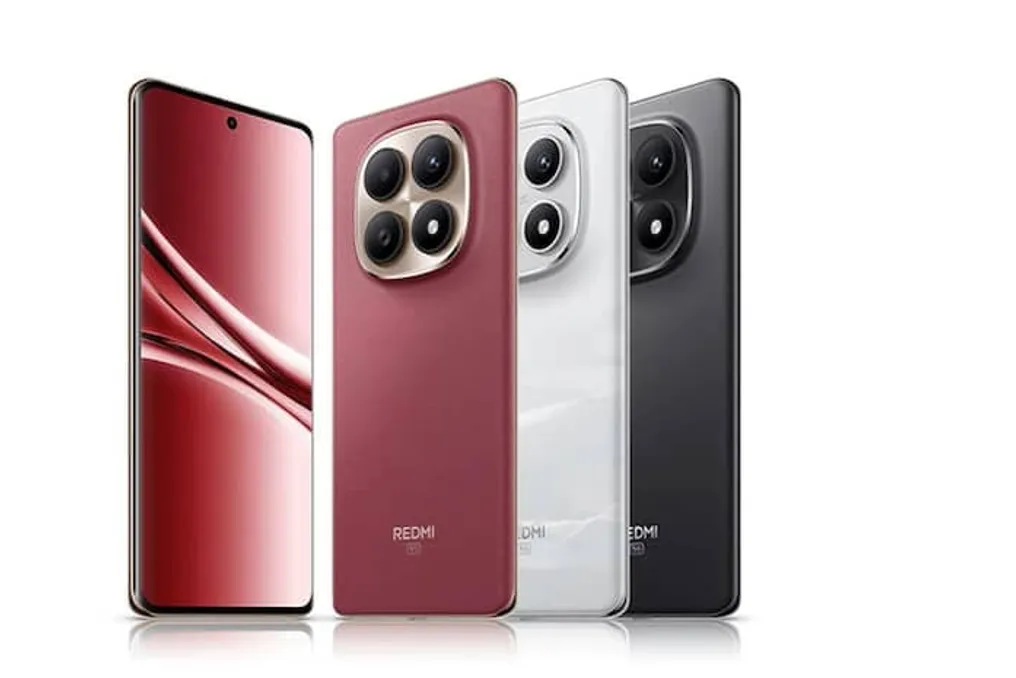
Xiaomi Corp. reported a third consecutive quarter of revenue decline, facing a global memory shortage that negatively impacted major worldwide smartphone manufacturers. The Beijing-based company, which produces smartphones and automobiles, recorded a 5.2% drop in revenue over the three months ending in September, reaching 107.2 billion yuan ($16.1 billion USD). The average analyst forecast predicted a 6% decrease.
Net profit fell by 68% to 3.9 billion yuan for the same period. The electric vehicle and artificial intelligence development division reported a loss of 3.4 billion yuan, which management attributed to increased AI investments during the post-earnings call on Tuesday.
This is because the electric vehicle business has lost some momentum amid the downturn in the broader Chinese auto market. In the third quarter, the company delivered 100,975 vehicles, which is 7% less than in the same period last year. Management confirmed the company's goal to enter the German market in the third quarter of 2027, noting that recent EU trade barriers will not significantly affect the company's strategy for this bloc.
The excessive demand for memory chips from artificial intelligence has caused an acute shortage of traditional chips, affecting consumer electronics manufacturers worldwide. This has forced smartphone makers, including Apple Inc. and Xiaomi, to raise prices for their devices.
Xiaomi's smartphones have been particularly vulnerable to the sharp rise in memory costs, requiring the company to significantly reduce production of budget models to minimize losses. According to data from the market tracker Counterpoint Research, the company's smartphone shipments have been declining since the first quarter of this year, showing a drop of nearly 30% in the third quarter compared to an overall market decline of 20%.
Nevertheless, Counterpoint notes that the double-digit growth in Xiaomi's average selling price has stabilized smartphone revenue as the company shifts its focus from entry-level devices to premium models. The latest Xiaomi 18 Fold model, released at the end of the third quarter, costs over 10,000 yuan and competes in the premium segment with Apple's iPhone Duo and similar gadgets from Huawei Technologies Co.
Furthermore, in the third quarter, the company introduced a new line of hybrid SUVs. Strong initial demand for the SkyNomad series is expected to help offset the slowdown in the company's EV deliveries.