Sweet Potato Benefits: Five Advantages of Eating Sweet Potatoes in Winter for Health
Read more
Aaj Tak
www.aajtak.in

Sweet Potato Benefits: Five Advantages of Eating Sweet Potatoes in Winter for Health

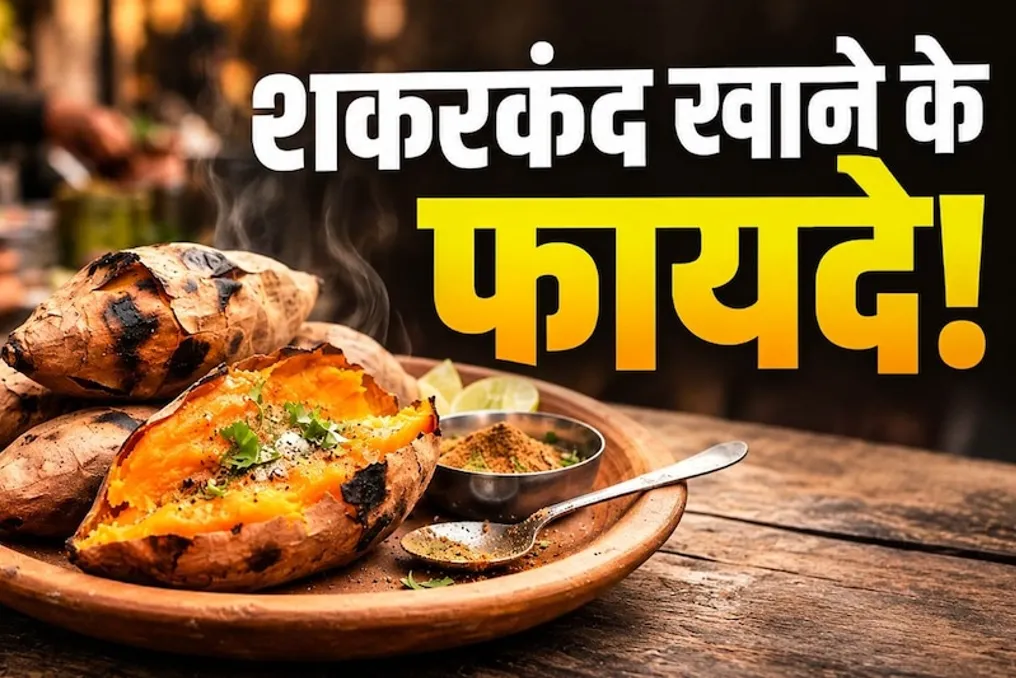
Sweet potatoes are often found in markets during the winter period. They are prepared in various ways: some prefer to bake them over an open fire, others boil them or use them to make chaat. This sweet root vegetable is not just a snack to satisfy hunger; it contains nutrients such as fiber, beta-carotene, vitamin C, and potassium, which can bring many benefits to the body.

In 2022, a systematic review article was published in the journal Food Bioscience, analyzing 22 human studies on the effect of sweet potatoes on health. These studies revealed positive results related to vitamin A, blood sugar levels, blood pressure, constipation, and liver health. Nevertheless, researchers emphasized the need for larger and higher-quality studies to confirm these benefits.

Benefits of Sweet Potatoes in Winter

Good for Vision

Especially orange sweet potatoes are rich in beta-carotene. The body converts beta-carotene into vitamin A, which is necessary for normal vision. Vitamin A deficiency can lead to night blindness, so including sweet potatoes in a balanced diet can be beneficial for eye health.

May Relieve Constipation Issues

Due to reduced water intake, decreased physical activity, and dietary changes in winter, many people experience constipation. The fiber in sweet potatoes helps maintain digestive system function and eases the defecation process. The 2022 systematic review also indicated the potential benefit of consuming sweet potatoes for constipation issues, although human studies in this area remain limited.

Helps Control Blood Sugar Levels?

Sweet potatoes contain fiber and other components that can affect blood glucose levels. Some studies have shown positive results regarding glucose control when consuming this product. However, since sweet potatoes are sweet and high in carbohydrates, diabetic patients should consume them in moderation and should not consider them a substitute for medication.

Good for Heart Health

Sweet potatoes contain potassium, which helps maintain electrolyte balance in the body and aids muscle function. Potassium also plays a role in stabilizing blood pressure. The review of studies noted signs of improved blood pressure after consuming sweet potatoes, but more reliable scientific research is required to confirm this benefit.

Helps Provide Energy and Satiety

Sweet potatoes contain carbohydrates that provide energy to the body. Furthermore, the fiber present in them promotes a feeling of fullness after eating. Therefore, they can be eaten in the winter for breakfast or as an evening snack. Boiled or baked sweet potatoes are considered a better alternative to chips, pastries, and heavily fried foods.

How to Eat Sweet Potatoes in Winter?

Diabetic patients should monitor the quantity and blood sugar levels when adding sweet potatoes to their diet. In winter, consuming sweet potatoes can be a good choice both in terms of taste and nutrition. Nevertheless, they should be viewed as part of a balanced diet, not as a cure for any diseases.
Similar stories

Gahat Mountain Lentil Paratha Recipe: The Perfect Breakfast for Cold Days
Read more
www.aajtak.in

Gahat Mountain Lentil Paratha Recipe: The Perfect Breakfast for Cold Days

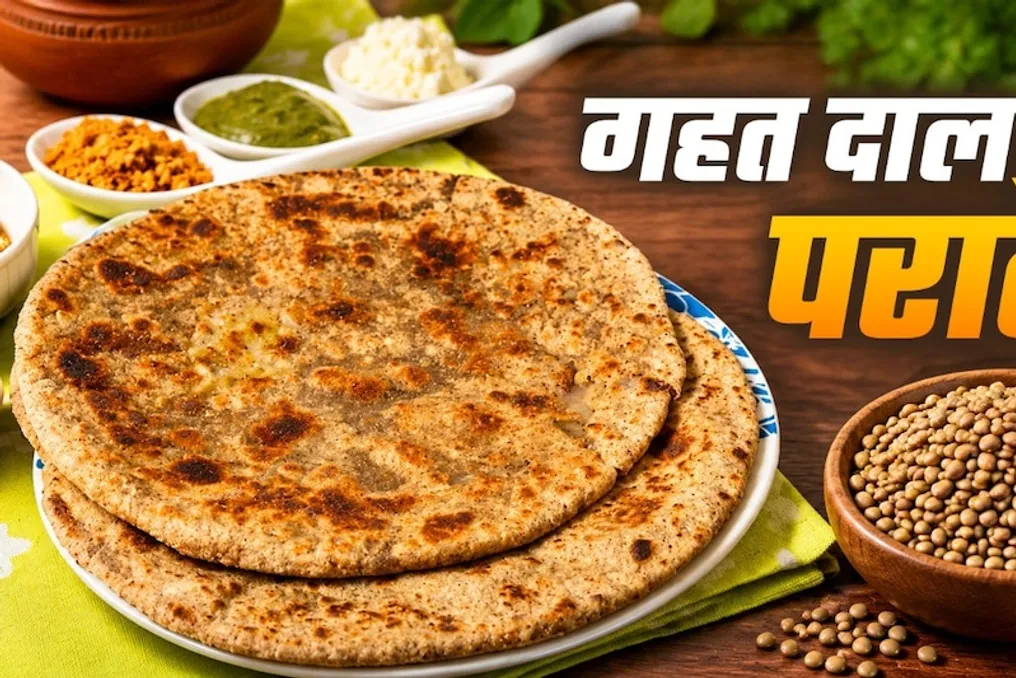
During the cold season, people often prepare parathas with potatoes, cauliflower, turnip, and spinach; however, this time you can try something new. There are also parathas made from the famous Gahat mountain lentils from Uttarakhand, which have a completely unique taste and do not require much preparation time.

Gahat lentils are also known as kulta or kulthi dal, and their taste differs from other types of legumes. Parathas made with this filling turn out crispy on the outside and soft on the inside. They can be eaten for breakfast with yogurt, green paste, pickles, or hot tea.

The best news is that preparing these parathas does not require a large number of ingredients. Below is a simple way to prepare Gahat lentil parathas.

Gahat Lentil Paratha Recipe:

First, you need to boil the Gahat lentils. They should be thoroughly washed and soaked in water overnight or for at least 6–8 hours. After that, cook the lentils in a multicooker, adding water as needed, until they reach 4–5 whistles. It is important to ensure that the lentils are completely cooked but without excess liquid.

Next, prepare the filling. Drain the cooked lentils and mash them well. Then, heat a little oil or ghee in a pan. Sauté cumin seeds in it, and then add finely chopped onion, green pepper, and ginger, lightly frying them.

After this, add the mashed Gahat lentils to the pan. Mix with coriander powder, salt, and fresh green coriander. Stir all the ingredients thoroughly and cook for a few minutes until the excess moisture in the filling evaporates and the mixture becomes thick. After that, turn off the heat and let the filling cool. It is necessary to ensure that the filling is completely dry, as residual moisture can cause the parathas to tear during rolling.

For the dough, you need to knead a plain dough. Take wheat flour in a bowl, add salt and a little oil, and then knead a soft dough with water. Cover the dough and leave it for 10–15 minutes to stabilize well.

Now you can start making the parathas. Form small balls from the dough. Roll them slightly, place the prepared Gahat lentil filling in the center. Carefully close the edges and then gently roll out the paratha. Place the paratha on a hot skillet. After it lightly browns on both sides, brush it with ghee or oil and fry until golden brown. Repeat the process for the remaining parathas.

Recipe for Healthy Wheat Flour and Flaxseed Laddus to Strengthen Health in Winter
Read more
www.aajtak.in

Recipe for Healthy Wheat Flour and Flaxseed Laddus to Strengthen Health in Winter

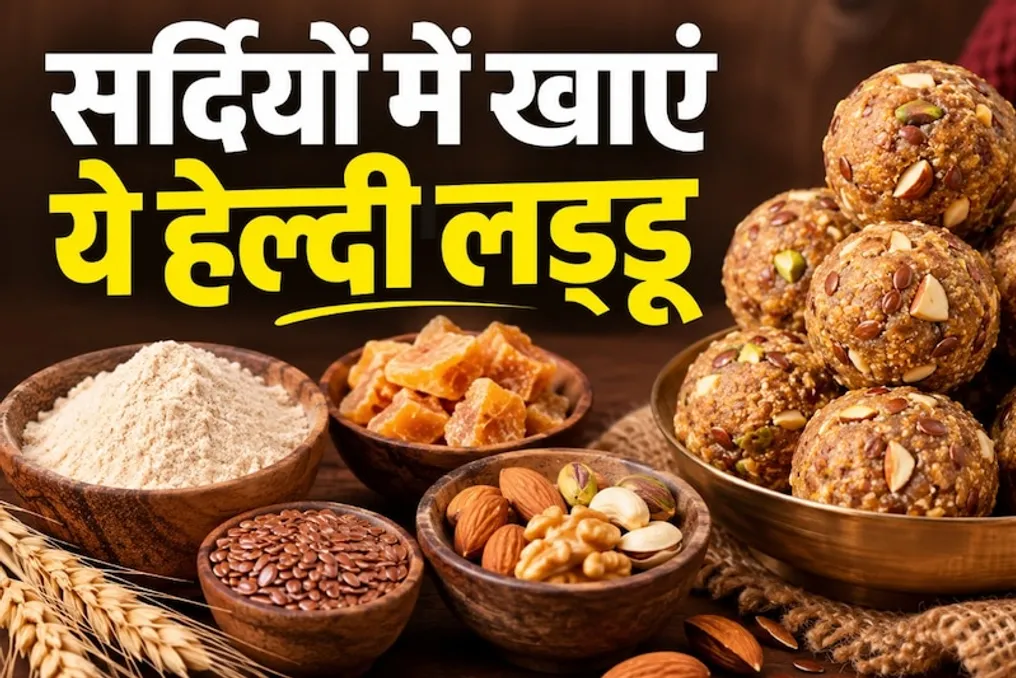
If you often experience weakness or fatigue, especially during the cold season when these problems worsen, it is recommended to prepare nutritious and tasty laddus. These homemade sweets will provide the body with internal energy and nutrients during the winter season.

During winter, ailments such as general weakness, fatigue, joint pain, and lethargy often occur. Traditional foods are considered very beneficial for maintaining body warmth and strength during this time. If you regularly feel a drop in energy, be sure to make homemade flaxseed laddus using maple syrup (good) and wheat flour.

Flaxseeds are a superfood rich in omega-3 fatty acids, fiber, and iron. They play a vital role in boosting immunity and eliminating weakness.

The following ingredients are needed for preparation: 250 grams of flaxseeds, 2 cups of wheat flour, 1.5 cups of finely chopped or grated maple syrup (good), 1 cup of pure ghee, 1 cup of dried fruits (crushed almonds, cashews, makhana, and gond), and 1 teaspoon each of saunth powder (dried ginger) and ground cardamom.

To avoid bitterness, the flaxseeds should be lightly roasted over low heat until a light aroma appears, without allowing them to sizzle. When making the laddus, do not cook a thick syrup from the maple syrup; it is enough to simply melt it in the oil and remove it from the heat. This will ensure the laddus have a soft, melt-in-your-mouth texture.

First, the flaxseeds need to be dried in a dry pan over medium heat for 3-4 minutes. After cooling, they should be ground in a blender to a coarse consistency. Then, 2 tablespoons of ghee are heated in the same pan, and the chopped almonds, cashews, makhana, and gond are fried until golden brown, after which they are removed. The gond should also be lightly ground in a blender.

In the remaining oil in the pan, add the wheat flour and stir constantly over low heat until the flour turns golden and a pleasant aroma develops. In a separate pot, the maple syrup and half a cup of water (or 2 tablespoons of oil without water) are boiled over low heat until the syrup is completely dissolved. As soon as it starts boiling, turn off the heat.

All prepared ingredients—roasted flour, ground flax, fried dried fruits, saunth powder, and ground cardamom—are mixed in a large bowl. Then, the melted maple syrup and the remaining warm ghee are added. While the mixture is still warm, small or medium round laddus are formed by hand, lubricated with a small amount of oil, and left to cool.

The finished laddus, which will give strength to the body, will help eliminate weakness and are perfect for winter. They should be stored in an airtight container and eaten one every morning with milk.

Comparison of flour mixes: which grains are best suited for winter flatbreads (bajra, makka, ragi)
Read more
www.aajtak.in

Comparison of flour mixes: which grains are best suited for winter flatbreads (bajra, makka, ragi)

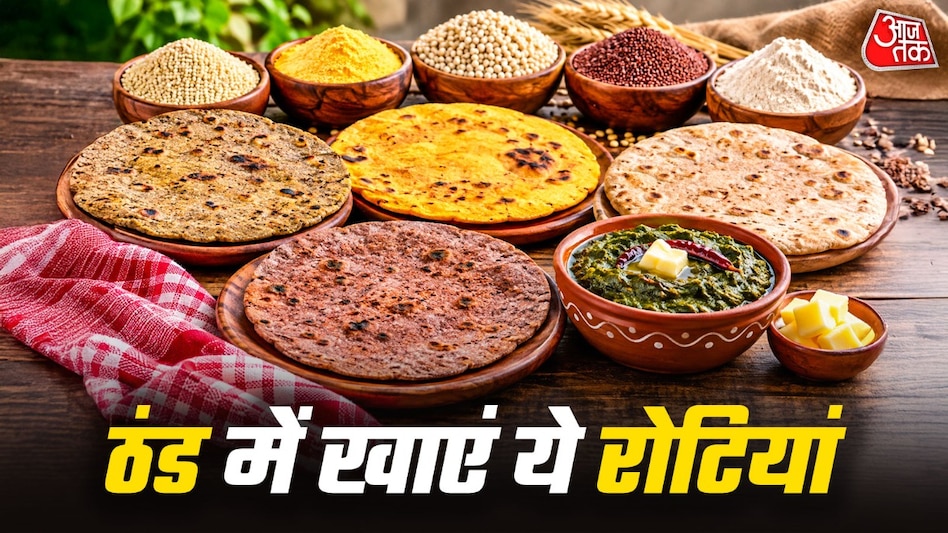
As the cold season arrives, dietary habits change. During this time of year, the pleasure of hot flatbread, homemade vegetable ragout, and a small amount of butter becomes twice as pleasant. Flatbreads made from bajra and makka are especially popular in winter. Some people eat wheat flour bread daily, while others include ragi and jowar in their diet.

However, the question arises: which of these grains—bajra, makka, ragi, jowar, or wheat—is the most nutritious to consume during the winter period? The fact is that each of these cereals has its unique properties and nutrients. Next, we will tell you which type of flour is best suited for winter flatbreads and why.

Bajra flour is very popular in winter. It has a distinctive, traditional taste. The pleasure of a hot bajra flatbread eaten with a small amount of ghee, mutton fat, or stewed cabbage is absolutely unique. Bajra contains nutrients such as fiber and iron. Usually, a bajra flatbread turns out thicker and coarser. If you prefer traditional country cuisine in winter, a bajra flatbread can be the best choice for you.

When mentioning makka flatbreads, stewed cabbage comes to mind. This dish is very popular in many regions of Punjab and North India during winter. Makka flour does not have the same elasticity as wheat flour, so rolling it into a flatbread can be a bit more difficult. It is prepared by pressing with hands. Makka flatbreads are not only tasty but also very filling. They can be eaten with stewed cabbage, butter, or honey.

If you want to try a grain other than bajra and makka, you can make a jowar flatbread. Its taste is milder than bajra's. Jowar contains fiber and is naturally gluten-free. Nevertheless, this flour lacks the elasticity of wheat. Therefore, when making a jowar flatbread, it is easier to use slightly warm water and carefully shape the flatbread by hand.

In winter, you can also include ragi flour in your diet. Ragi is also known as nachni. It is rich in nutrients such as calcium, iron, and fiber. Its taste is distinct, and flatbreads made from it are very delicious. Ragi flour is gluten-free, so there may be some difficulties when kneading and rolling the flatbread. For this, slightly warm water can be used. Ragi flatbreads can be served with yogurt, vegetables, or your favorite vegetable ragout.

Wheat flour is used in most Indian homes daily. Its main advantage is that it produces soft and easily rollable flatbreads. Wheat contains gluten, which allows the dough to be kneaded well and the flatbread not to tear. From it, it is easy to make fulkas, chapatis, and parathas. If you like soft flatbreads for daily consumption, wheat flour is a good option.

It cannot be said that one of these five types of flour is absolutely the best for winter. If you prefer a traditional country taste, a bajra flatbread is suitable. Makka flatbreads pair perfectly with stewed cabbage. At the same time, jowar and ragi are the best choice for those who want to consume gluten-free grains. Wheat flour is convenient for daily use. You can also mix a little bajra, jowar, or ragi into wheat flour to get flatbreads that combine the taste and diversity of various grains.

Popular