
Ten Best Flooring Options for Indian Homes: Durability and Ease of Cleaning
Read more
Aaj Tak
www.aajtak.in

Ten Best Flooring Options for Indian Homes: Durability and Ease of Cleaning

When decorating a home, people often invest in expensive furniture, quality wall paint, and beautiful curtains. However, flooring plays an equally important role in creating the aesthetic of a residence. Especially in Indian homes, where floors quickly become dirty due to dust, children's play, cooking stains, and humidity, choosing flooring requires a more careful approach than simply assessing design and color. Often, cleaning beautiful flooring takes hours.

Therefore, if you are building a new house or planning to replace old flooring, you should choose a material that will not require excessive effort during cleaning. Fortunately, there are many stylish, durable, and easy-to-clean options available on the market. Below are 10 such options that are ideal for Indian homes, allowing for a significant reduction in daily cleaning concerns while ensuring longevity.

Best Flooring Options for Indian Homes

1. Vitrified Tiles: Vitrified tiles are very popular in Indian residences due to their smoothness and strength. They are easy to sweep and mop, and they handle water and dirt well. They are available in various colors and designs, allowing you to choose an option that matches your home's interior.

2. Ceramic Tiles: If you are looking for good flooring within a limited budget, ceramic tiles are a suitable choice. They are available in numerous designs, colors, and patterns, and they are easy to clean from dust and food stains. They can be used in kitchens, bedrooms, and other rooms; however, it is crucial to choose non-slip options for bathrooms.

3. Granite Flooring: For those who want a strong and durable floor covering, granite is an excellent option. This natural stone is very resistant and gives the home a luxurious look. Its polished surface is easy to maintain, making it a good choice for living rooms and high-traffic areas.

4. Kota Stone: Kota stone suits those who prefer a natural and simple appearance. It helps keep the floor cool during hot weather. Regular sweeping and mopping are sufficient for its cleaning. It can be laid on verandas, hallways, and yards of the house.

5. Terrazzo: If you want to give the floor a more unique and attractive look, consider terrazzo. It is made by mixing small stone fragments with cement or resin and is available in various colors and patterns. Terrazzo is durable and looks great with regular cleaning; its design hides light dust and minor marks.

6. Porcelain Tiles: Porcelain tiles are known for their strength and low maintenance requirements. They absorb less water compared to other types of tiles, which simplifies keeping them clean. They can be used in kitchens, living rooms, and hallways, and a broom and mop are enough for daily cleaning.

7. Vinyl Flooring: If you want to imitate a wooden look but avoid the hassles associated with real wood, vinyl flooring will be a good solution. It offers various designs imitating wood and stone and is easily cleaned with a damp cloth. Nevertheless, to maintain its appearance in the long term, excessive water and harsh cleaning agents should be avoided.

8. Polished Concrete: Polished concrete is a good choice for lovers of modern and minimalist design. It has a very stylish and unique look. Since it has fewer joints than tiles, the problem of dirt accumulation between them is minimized, and it is also easy to clean. The risk of staining can be reduced with proper sealing.

9. Laminate Flooring: Laminate flooring can be chosen to give a bedroom a beautiful appearance. It looks like wood and is available in different color solutions. Dry cloth or a slightly damp mop is enough to clean it. It is important not to allow a large amount of water to get on it, as moisture can damage its layer.

10. Mosaic Flooring: Classic mosaic flooring is still in demand in many homes. Beautiful patterns are created by using different colors and patterns. It is durable and maintains its appearance with regular cleaning. A broom and mop are enough for cleaning, although the joints should be thoroughly cleaned if necessary.
Similar stories

Bathroom Floor Cleaning Tips: Why It Stays Sticky Even After Daily Cleaning
Read more
www.aajtak.in

Bathroom Floor Cleaning Tips: Why It Stays Sticky Even After Daily Cleaning

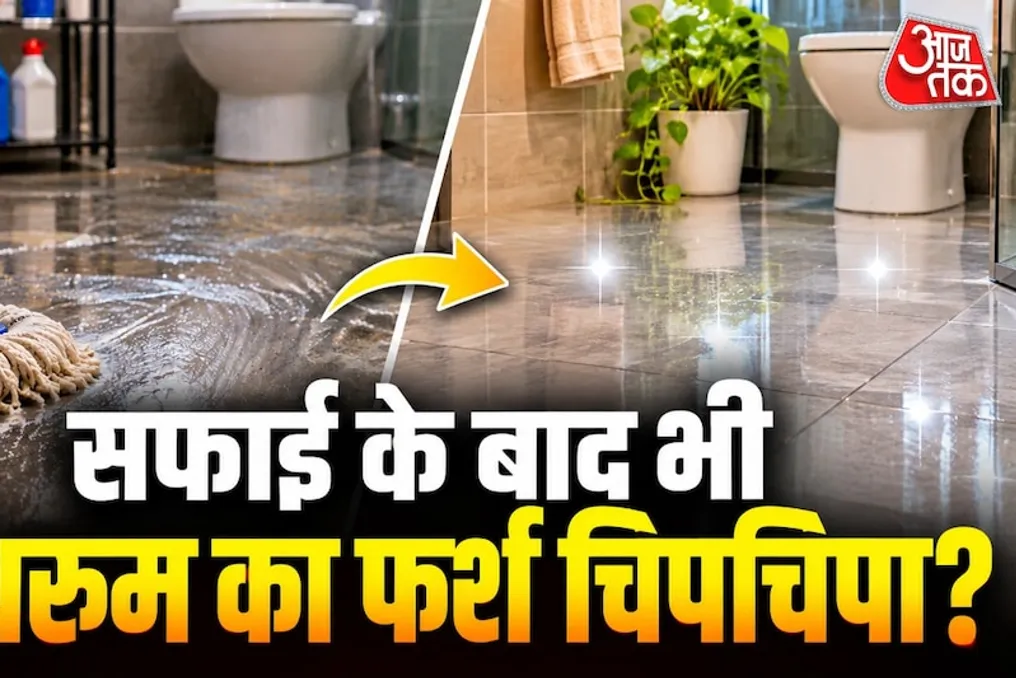
Even with regular household cleaning, whether it's mopping floors or cleaning kitchen tiles, some areas can remain dirty and sticky. The bathroom is one such place. People clean and sweep the bathroom daily using mops and cleaning agents, but the floor still doesn't shine.

If you feel stickiness when walking on the bathroom floor, the cause might not just be dirt. Often, a small mistake during cleaning becomes the source of this problem. The issue is that excessive use of soap, cleaning agents, or polishes can create a film on the floor that causes stickiness even after drying. However, this problem can be solved by paying attention to several simple points.

Firstly, many people believe that more cleaning agent will provide better cleanliness, but this is not true. An excess of cleaner can leave a layer on the floor that becomes sticky after drying. Therefore, you should always mix the cleaning agent in water according to the instructions on the bottle. If the floor is already sticky, it needs to be washed again with clean warm water.

Secondly, you should avoid using large amounts of soap. Some people add a lot of soap or dishwashing liquid to the water for mopping. Instead of cleaning the floor, this can lead to the formation of a soapy film, causing the floor to stick to your feet after drying. It is recommended to use soap in limited quantities; about one tablespoon of dishwashing liquid per bucket of water should be enough. After cleaning, be sure to wipe the floor with clean water.

Thirdly, polishes and waxes can also contribute to stickiness. Frequent application of these products creates multiple layers on the floor, to which dust and dirt adhere, making the floor dirty and sticky. Therefore, you should avoid applying polishes or waxes unnecessarily. When working with wooden floors, always use products suitable for that type of finish.

Furthermore, you cannot simply mop sticky areas. If oil, soap, or any greasy substance spills on the bathroom floor, you should not immediately wipe it up with a mop. This can spread the grease across the entire floor. It is better to first clean the area with a cloth dampened with warm water and a small amount of dishwashing liquid. Then wipe with clean water and remove moisture with a dry cloth.

It is also important to use vinegar correctly. Although some use vinegar to remove grease from the floor, it is not suitable for all types of surfaces. Vinegar should especially be avoided on natural stone, such as marble and granite, because its acidic composition can damage the shine and coating of the floor. Before use, ensure that the vinegar is safe for your type of floor.

Another reason for stickiness is a dirty mop and water. If you repeatedly mop the floor in the same dirty water, dust and dirt will settle on the floor again, and it will not look clean even after cleaning. Therefore, the water must be changed as soon as it gets dirty. Mops with sponges should be thoroughly rinsed and wrung out, and if disposable wipes are used, they should be changed regularly.

To prevent the bathroom floor from being sticky, it is necessary to remember these recommendations.

Floor Washing Tips: How to Avoid White Streaks and Footprints After Drying
Read more
www.aajtak.in

Floor Washing Tips: How to Avoid White Streaks and Footprints After Drying

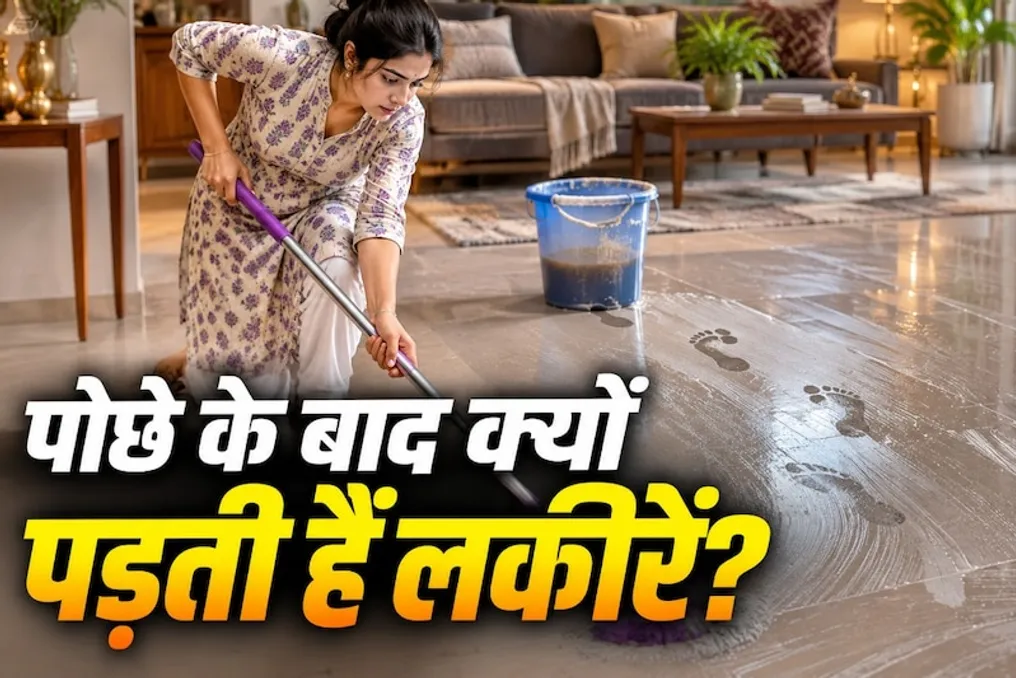
After washing the floor in the house, it may look clean and shiny; however, as soon as the water dries, white lines, dull marks, and footprints begin to appear on the surface. In such cases, people often try to wash the floor again or use more cleaning agent to enhance the shine. However, the cause of this phenomenon may be incorrect cleaning technique.

In fact, if too much detergent is added to the water when washing the floor, if the cloth is not wrung out properly, or if dirty water is used, a thin layer of dirt and cleaning agent remains on the floor. When the water dries, this layer manifests as streaks and spots. The good news is that this problem can be solved by paying attention to several simple points. Below are four simple methods that will help the floor remain clean and shiny even after drying.

Floor Washing Tips

Firstly, you should avoid adding an excessive amount of cleaning agents to the water. Many believe that using a large amount of cleaning agent or detergent powder will make the floor cleaner and shinier. Nevertheless, the excess agent can form a thin film on the floor, which looks like white streaks and sticky marks after drying. Dust and grease secreted by feet also stick to this film.

Secondly, you should not use the same dirty water to clean the entire house. Initially, the water in the cloth is clean, but as different parts of the house are cleaned, dust, dirt, and debris get into it. Using dirty water, especially from the kitchen or near the doors, can lead to the spread of dirt and the appearance of spots and streaks after drying. Therefore, the water should be changed as soon as it becomes dirty. In large houses, it is better to use clean water for different areas.

Thirdly, you must wring out the cloth thoroughly. If water remains on the floor for a long time after washing, it means the cloth was too wet. Water, slowly drying, can leave minerals and cleaning agent particles on the floor, creating marks. These marks are especially noticeable on dark tiles. To avoid this, you need to wring out the cloth well and clean with a slightly damp cloth.

Fourthly, you should refrain from frequently using polishing and shining products. Many people regularly apply polishes or cleaning agents to give the floor a shine. However, excessive use of these products can create an old layer on the floor. As a result, even after cleaning, the floor may look uneven—sometimes shiny, sometimes dull, and footprints appear faster. Therefore, you should not overuse shining products. If sticky marks or streaks remain on the floor, you need to remove the old layer using a suitable cleaning agent appropriate for the type of floor.

What Needs to Be Done Before Washing the Floor

Before washing the floor, you should remove dry dust, hair, and dirt with a broom or vacuum cleaner. After that, you need to mix the correct amount of cleaning agent with clean water. The cloth should be rinsed frequently with clean water, and the water should be changed if the contamination is severe. It is also important to ensure that no detergent or fabric conditioner particles remain in the cloth after washing. Following these small rules will significantly reduce the problem of streaks and dull marks appearing on the floor after drying.

How to choose the right tile for your home: recommendations for bathrooms, balconies, and other rooms
Read more
www.aajtak.in

How to choose the right tile for your home: recommendations for bathrooms, balconies, and other rooms

When building a new home or renovating an old one, choosing floor tiles is one of the most important stages. Today, the market offers a huge variety of tiles in terms of color, design, and assortment, which often leads people to choose the same type of tile for all areas without thinking deeply enough.

However, it is important to understand that using the same tile in the living room, kitchen, and bathroom can be incorrect. Choosing the wrong tile can cause problems such as slipping on the floor, staining, cleaning difficulties, and rapid wear of the tile itself. Therefore, when choosing, you should consider not only aesthetics but also the specific requirements of each area.

Recommendations for choosing tiles for different parts of the house

Living Room: Since the living room is a place where both family members and guests are present, tiles that combine beauty and durability are necessary here. Large ceramic or porcelain stoneware tiles can be a good option. The advantage of large tiles is that they minimize the number of joints, making the room look visually more spacious and clean, and also reducing dust accumulation.

Kitchen: Spills from oil, spices, water, and food often happen in the kitchen. Therefore, you should choose tiles that are easy to clean. Tiles capable of withstanding moisture and daily intensive use are suitable for kitchen walls and floors.

Bathroom: When choosing tiles for the bathroom, safety should be the priority, not just appearance. Since there is constant water in the bathroom, using overly smooth and glossy tiles is dangerous. For the bathroom floor, it is recommended to choose matte, anti-slip tiles, especially in shower areas and around the sink, where water drains the most.

Bedroom: The bedroom is a place of rest after a day of fatigue. In this area, you should avoid overly bright or flashy colors and designs. Light, calm shades, such as beige, cream, soft gray, and natural colors, give the room a peaceful and beautiful look. You can also consider options imitating stone or wood, which will add naturalness and style to the space.

Balcony and Roof: Balconies, roofs, and verandas are exposed to direct sunlight, rain, and dust. For these places, you need to choose durable vitrified or porcelain stoneware tiles that are resistant to temperature changes and long-lasting. It is important that the surface of such tiles also has good grip to prevent slipping after rain. Tiles with stone or cement finish can also look great on a balcony.

Stairs: Caution must also be exercised when laying tiles on stairs. Excessively glossy and slippery tiles can lead to falls, especially among children and the elderly. Therefore, it is better to use matte tiles with good adhesion for stairs. Additionally, anti-slip strips can be installed along the edges of the tiles to reduce the risk of slipping when going up or down.

Important points before buying tiles

You should not make a decision to buy tiles in a hurry. Instead of relying solely on color and design, you need to pay attention to the following aspects:

  1. Selection by purpose: You must purchase different types of tiles for the bathroom, kitchen, and balcony based on their unique needs.
  2. Strength check: Choose tiles that can withstand daily load and weight.
  3. Slip resistance: Be sure to use tiles with good grip in the bathroom, on stairs, and on balconies.
  4. Ease of cleaning: For the kitchen and bathroom, you should choose materials that are easy to stain removal.
  5. Quality: Before purchasing, be sure to study information about the quality, thickness, and usage features of the tiles.

Popular