Era of homogeneous cars: analysis of how standardization affects the automotive market
Read more
FlatOut
flatout.com.br

Era of homogeneous cars: analysis of how standardization affects the automotive market

About three months ago, after an issue with an electric kettle, the author traveled to Interlagos with the mission of being a test drive instructor. He joined a team that initially had 30 instructors and progressively began conducting test drives for various manufacturers, being responsible for vehicles from practically all Chinese brands present at the event, including the participation of a Le Mans driver.

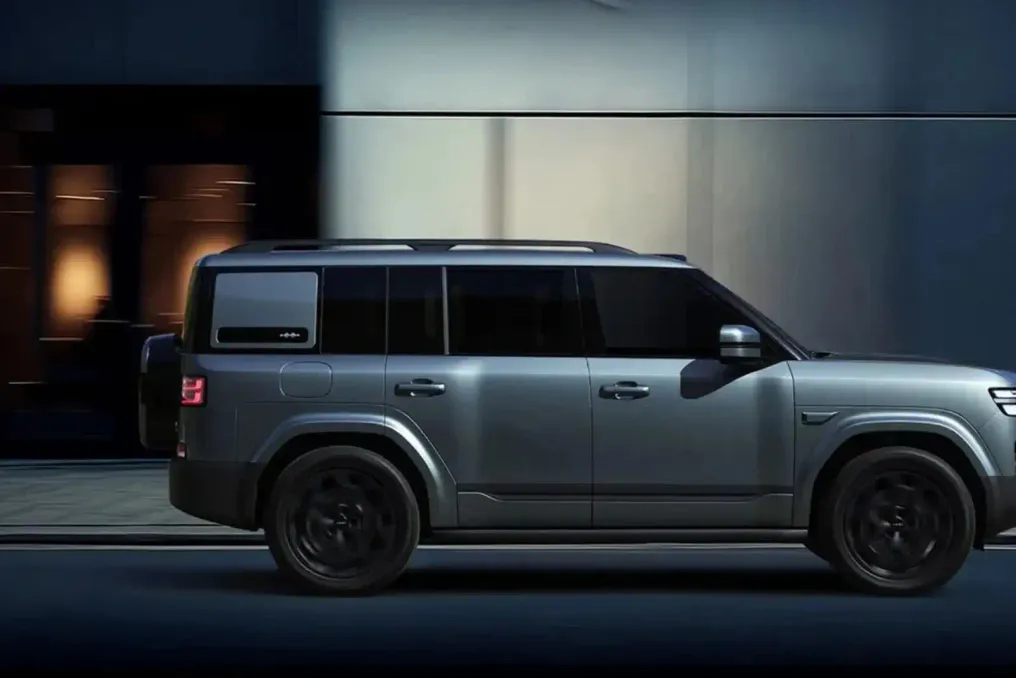
After two days testing these automobiles, the author was impressed by the aggressive entry of Chinese companies, both in terms of variety of brands and models and in the cost-benefit ratio. It was noted that hybrid SUVs with a declared range of 1,000 km, in addition to offering seats with ventilation, heating, and massagers, could be found for less than R$ 400,000. The entry-level models featured finishing and standard equipment levels that made traditional hatchbacks and SUVs of a similar price seem obsolete.

However, despite the initial positive impression regarding prices, material quality, and technical specifications, the author began to perceive a strong similarity among all vehicles, not only between direct competitors but also between different segments within the same brand. This perception was reinforced upon noticing an electric kettle identical to his own, but from another brand, in a bakery near the racetrack, raising the issue of 'white label' products that use the same manufacturing base.

How to choose one of these cars?

Upon arriving at the racetrack, the author reflected on this uniformity, comparing the vehicles and recalling the kettle. He described this homogeneity as a 'horizontal flattening' (among rivals like Geely EX2, MG4, BYD Dolphin GS, and GAC Aion, which are almost interchangeable) and 'vertical' (where the excellent finish of entry-level models equals that of top-of-the-line models, trivializing the refinement of the more expensive ones).

The author argues that standardization did not begin with Chinese manufacturers, but rather with Western regulations related to emissions, safety, and consumption, which shaped the design and behavior of the engines. The concept of 'downsizing' removed personality from the engines, resulting in abundant torque between 1,500 and 5,000 rpm, followed by an abrupt drop.

While traditional manufacturers maintained clear differentiators—such as variations in materials, distinct equipment packages, and proprietary standards for dynamics and finishing—Chinese manufacturers adopt a similar architecture, with batteries in the floor and low center of gravity, using common suppliers, which results in very similar specifications and equipment. Furthermore, all are calibrated for the same use: the traffic of large Chinese cities, which generates light driving, soft suspension, and silence at low speeds.

Historically, each manufacturer possessed a distinct 'school'; Volkswagen was known for a firmer ride and precise gear shifting, while Citroën was eccentric with robust suspension, Mercedes was sober, BMW was the sporty family car, and the Italians were temperamental and beautiful. Chinese manufacturers, however, did not have time to develop their own school due to the rapid replacement of models and the need to take advantage of state incentives.

Although he acknowledges that Western schools were already diluting through platform sharing, the author points out that the Chinese have drastically accelerated a process already underway. The challenge remains: if design and performance are similar, what motivates the choice? A McKinsey study in 2023 indicated that, in electric cars, smart features (screens, connectivity, assistants) became the differentiator. However, the price war since 2023 has standardized this list of equipment, eliminating the decisive factor.

The choice might fall on the brand, but the Chinese scenario presents 129 brands, many of them young. The consultancy AlixPartners estimates that only 7 of the 30 Chinese manufacturers focused on electrified vehicles will reach the break-even point by 2030, and many have already gone bankrupt or stopped operating. In Brazil, past experiences with brands like Chana and Hafei showed problems with parts and service. Although quality has improved, the risk of abandonment persists, as seen with Neta.

Ultimately, what still distinguishes a vehicle is the driving experience and after-sales service. Dynamic behavior, acoustic insulation (NVH), and the assistance network require time to be established, something the Chinese speed does not solve. However, after-sales service can be outsourced, as exemplified by Geely, which uses Renault's network in Brazil, transferring the trust of the traditional brand to the consumer.

What about luxury?

The question of luxury, applicable to both Chinese cars and traditional competitors, has evolved since popular models were forced to incorporate advanced technologies for regulatory reasons. Initially, luxury was defined by refinement and materials.

For a long time, luxury functioned as a hierarchy: comfort items appeared in the most expensive models, such as the Mercedes S-Class, remained for years and only then migrated to lower categories, sustaining profit margins. Chinese manufacturers, however, 'flattened' this ladder. For around R$ 200,000, the Caoa Changan CS75 offers massaging seats, front and rear ventilation, and three screens totaling 37.2 inches.

Although this suggests that traditional brands overcharged for comfort, it is important to consider that the price of these options included research, testing, and engineering costs distributed across few units. New entrants copy already consolidated ideas, buying ready-made components from suppliers, benefiting from scale, verticalization, and subsidies.

However, not all equipment is as cheap as it seems, as only 3 of the 30 Chinese manufacturers of electric and PHEV hybrid cars made a profit in 2025. This indicates that someone is bearing the difference, notably the Chinese government, which invested US$ 230.9 billion in the electric industry between 2009 and 2023, generating a production surplus that led to a price war.

The case of watches

Given this, two paths remain to define luxury. The first is the return to legacy, history, and heritage, something new brands struggle to build, leading even major manufacturers to revisit their roots, such as the Renault 5 and the Honda Prelude.

The second path is the return to the mechanical aspect, through special and limited editions that revive characteristics lost in efficiency standards, such as the Porsche 911 S/T with a manual gearbox or the special models from Ferrari and McLaren.

This phenomenon mirrors what happened with watches. In the 1970s, the quartz watch trivialized precision, a characteristic that previously defined a good watch. Traditional manufacturers developed this technology, but Asians flooded the market with cheap and efficient options. The impact was severe, reducing the number of Swiss manufacturers from over 1,600 in 1970 to fewer than 600 in the mid-1980s.

The Swiss response came in two fronts: Swatch, launched in 1983, focused on design and personality instead of specifications, and the mechanical watch was repositioned as a luxury item, with the capital generated by Swatch aiding in the recovery of brands like Omega and Longines.
Similar stories

Government amends EPR rules, clarifying responsibility for disposing of old cars
Read more
www.aajtak.in

Government amends EPR rules, clarifying responsibility for disposing of old cars

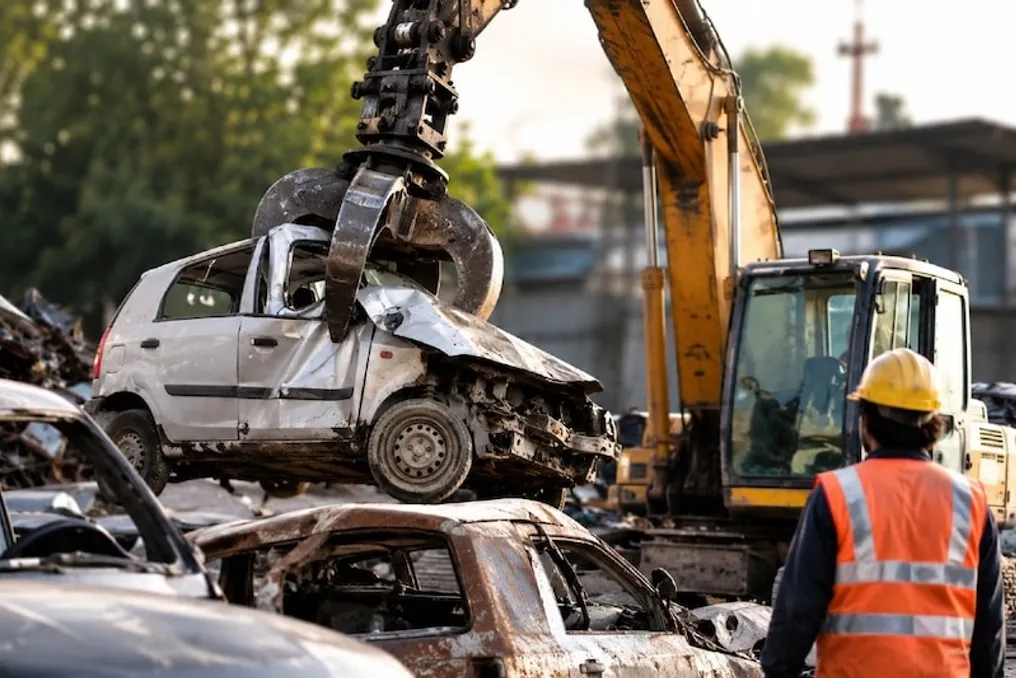
The central government has decided to eliminate long-standing uncertainty regarding the disposal of old vehicles and Extended Producer Responsibility (EPR) in the automotive sector. Questions arose about who would be responsible for old cars if a company ceased production, and whether operating companies should also be subject to similar obligations.

The Ministry of Environmental Protection, Forestry, and Climate Change introduced amendments to the Environmental Protection Rules (End-of-Life Vehicles), 2025. These changes were officially published by the Ministry on November 20, 2026, under notification number S.O. 6326(E) and will come into force from the date of publication in the state gazette.

The main goal of this revision is to eliminate confusion among car manufacturers regarding regulatory requirements. In accordance with rule 4(6), a special provision related to EPR will apply exclusively to companies that completely cease operations. Thus, enterprises that continue to produce and sell cars on the market are exempted from taking on this special responsibility.

Under the new provisions, if a car manufacturer permanently closes its business, it is obliged to provide the Central Pollution Control Board (CPCB) with complete documentation on its old vehicles produced before the cessation of activity. For commercial and transport vehicles, reporting for the last 15 years is required, while for non-commercial and non-transport vehicles, data for 20 years is necessary.

After receiving information from the company, the CPCB will determine its EPR obligations and notify the relevant enterprise. When establishing obligations, the CPCB must take into account all applicable provisions of the rules. The key point of this change is the clear distinction between companies that continue operating and those that are ceasing operations.

In addition to clarifying EPR obligations, the amendments also modified rule 9(2) of the End-of-Life Vehicles Rules, 2025. Phrases such as 'or other steel material related to the automotive sector processed at a registered vehicle dismantling site' were excluded from this rule. This means that this wording, which previously included other types of automotive-related scrap steel, is now excluded from this provision.

The process of making these changes began in March 2026, when the Ministry of Environmental Protection published a draft amendment in the state gazette on March 27, 2026. Following this, public and stakeholder opinions were requested for 60 days. All received comments and suggestions were reviewed before the final notification of the amendments was issued.

Overall, the government's decision significantly clarifies the situation regarding the disposal of old cars and EPR responsibility. Companies will now find it easier to understand what volume of data on old cars they must provide in case of ceasing operations and how their obligations will be determined. The most important aspect is that companies continuing their operations are excluded from the special procedure intended for closing businesses, which should reduce the regulatory burden on automakers.

Electric vehicle sales rose by 72.91% during the festive season; over 500 thousand units sold
Read more
www.aajtak.in

Electric vehicle sales rose by 72.91% during the festive season; over 500 thousand units sold

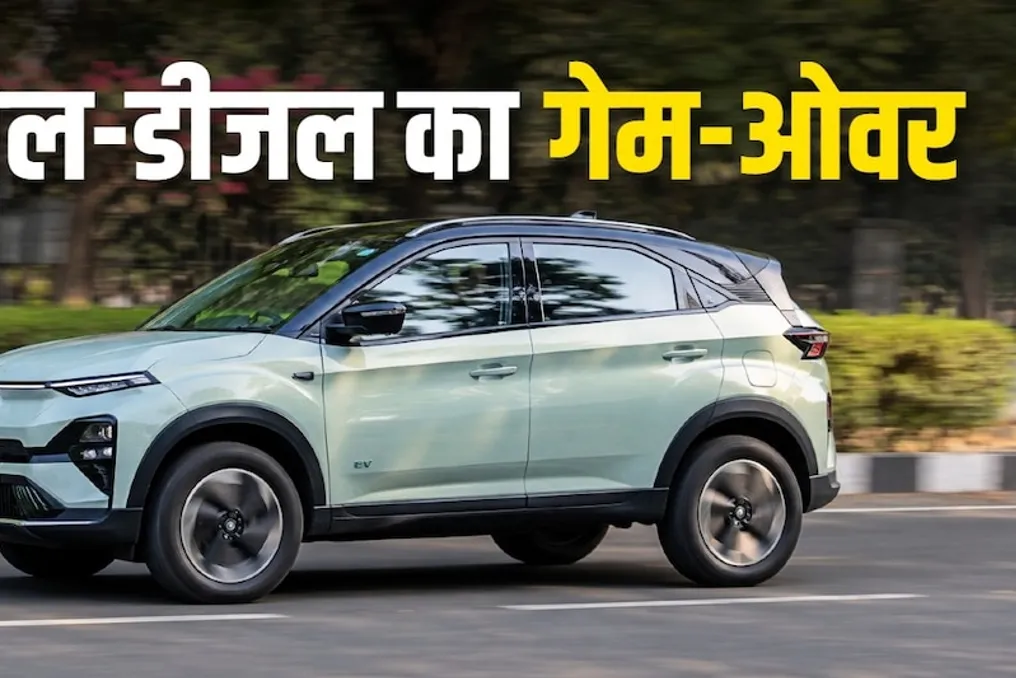
A significant shift is observed in the Indian automotive market: consumers are increasingly moving away from gasoline and diesel vehicles, showing growing interest in electric cars. This trend became evident during the 2026 festive season.

Between Navratri and Diwali, there was an impressive 72.91% increase in the sales of electric passenger vehicles. These figures indicate that electric vehicles are no longer just a futuristic concept but are actively integrating into daily life.

According to data from the Federation of Automobile Dealers Associations (FADA), the total number of vehicles sold during this festive period, which lasted about 42 days, reached a record 55,25,490 units. The demand for electric vehicles caused a sensation, as more than half a million electric vehicles were sold for the first time in a single festive season.

The rise in popularity of electric vehicles is driven by several key factors. The main one is the low operating cost, as the expenses for using an electric vehicle can be lower than those for gasoline or diesel cars. Furthermore, more EV models with increased range have appeared on the market. This provides buyers with a wide selection of options matching various price categories and needs. The segment has also strengthened due to improved battery technologies, the development of charging infrastructure, and the release of new models.

The entire EV market demonstrated brilliant results during the festive season. According to FADA, sales across all EV categories grew by 52.62% over 42 days, exceeding the 500,000 unit mark for the first time. Specifically, sales of electric two-wheelers, such as scooters and motorcycles, increased by 61.10%, while commercial electric vehicle sales doubled. Approximately one in every ten vehicles sold during the festive season was electric.

A breakdown of sales during the festive season (42 days) shows that 330,846 units of purely electric two-wheelers were sold, which is 61.10% more than the 205,373 units sold in the same period last year. Regarding electric cars and SUVs, 52,104 passenger vehicles were sold between Navratri and Diwali, representing a 72.91% increase over the 30,133 recorded in the previous festive season.

Commercial electric vehicles showed the strongest growth, reaching approximately 154.56%. 6,387 such units were sold in the last 42 days, significantly more than the 2,509 sold last year. Electric three-wheelers are also gaining momentum: 1,20,330 electric rickshaws and autos were sold, which is 25.45% higher than the 95,920 sold last year.

Overall, the statistics clearly demonstrate the growing consumer interest in electric vehicles. It is expected that the growth of this segment will continue and accelerate in the future due to improved range, lower prices, and an expanded network of charging stations.

Launch of updated Honda Elevate model leads to 513.2% sales increase
Read more
www.aajtak.in

Launch of updated Honda Elevate model leads to 513.2% sales increase

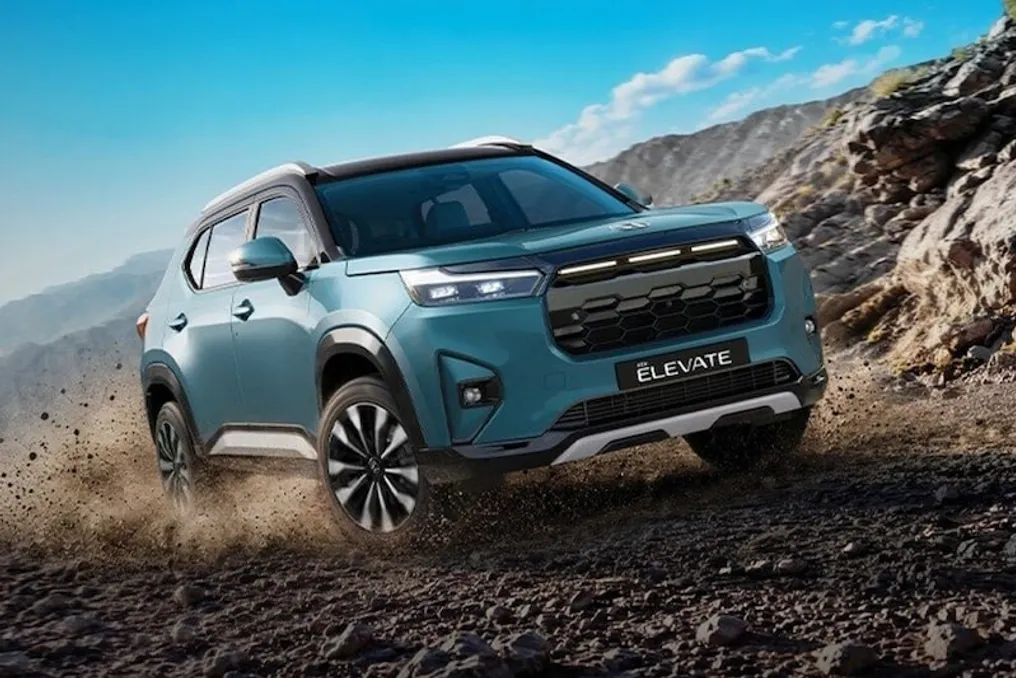
Honda Cars India has released an updated version of its popular SUV. This is the Honda Elevate Facelift, which received a positive response in its first month after launch. Thanks to the new model, the company's sales figures have improved both compared to the previous month and year-over-year.

In October, the company delivered 7,609 vehicles. This figure is 19 percent higher than in October of last year, when 6,394 units were delivered. The highest volume of sales was for the Honda Elevate, which the company delivered in a quantity of 3,673 units. Thus, it became the best-selling model of the brand.

The new Elevate surpassed the Honda Amaze, which was delivered in a quantity of 3,337 units in October. Honda's total sales growth compared to the previous month was 70.4 percent, and year-over-year, it was 19 percent.

Regarding the Elevate Facelift, the company delivered 599 units in September 2026, while this figure reached 3,673 units in October. This represents an increase of 513.2 percent compared to the previous month. Furthermore, in October of last year, 2,186 units of this model were delivered before its update.

Honda Amaze ranked second with 3,337 units delivered in October. However, sales of this model decreased by 8.1 percent compared to last year; 3,630 units were delivered in October 2025, and 3,286 units in September.

Additionally, 596 units of Honda City were delivered in October, slightly exceeding last year's figure of 578 units, although 574 units were delivered in September, indicating no significant change in Honda City sales. The ZR-V model was delivered in a quantity of three units.

The Honda Elevate Facelift has received several exterior modifications and is equipped with more features. The starting price of this car is 11.80 lakh rupees ex-showroom. It is equipped with a 1.5-liter i-VTEC engine that produces 121 hp and 145 Nm of torque.

Customers can purchase the car with a 6-speed manual transmission or a CVT automatic transmission. Among the car's features are a redesigned Mesh front grille, a Honda logo on the hood, connected taillights, a 360-degree camera, and ventilated seats.

Popular