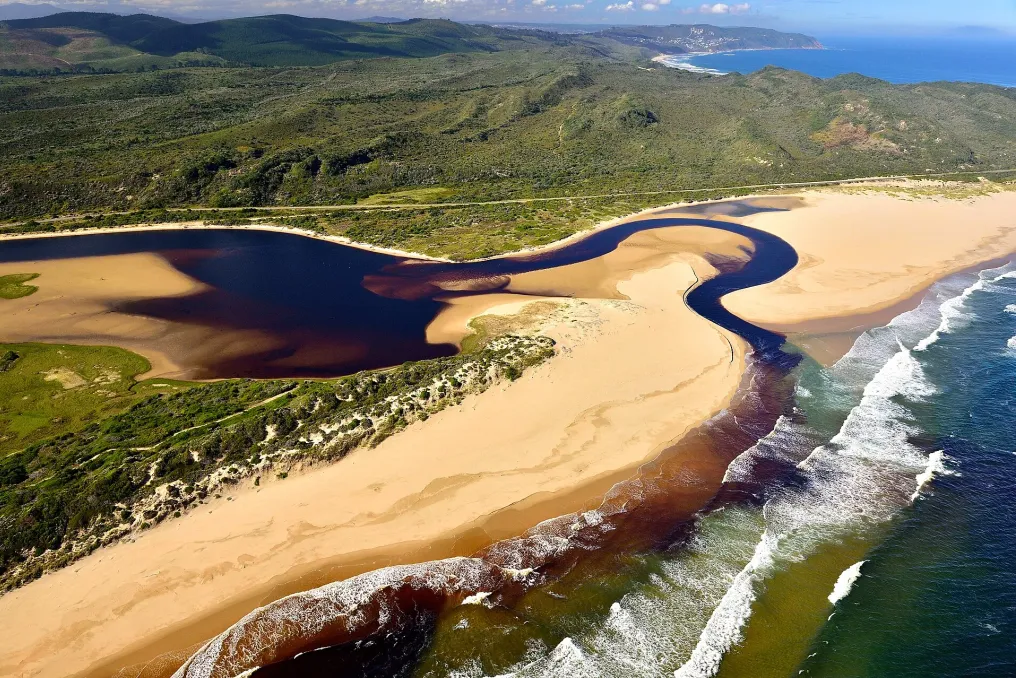
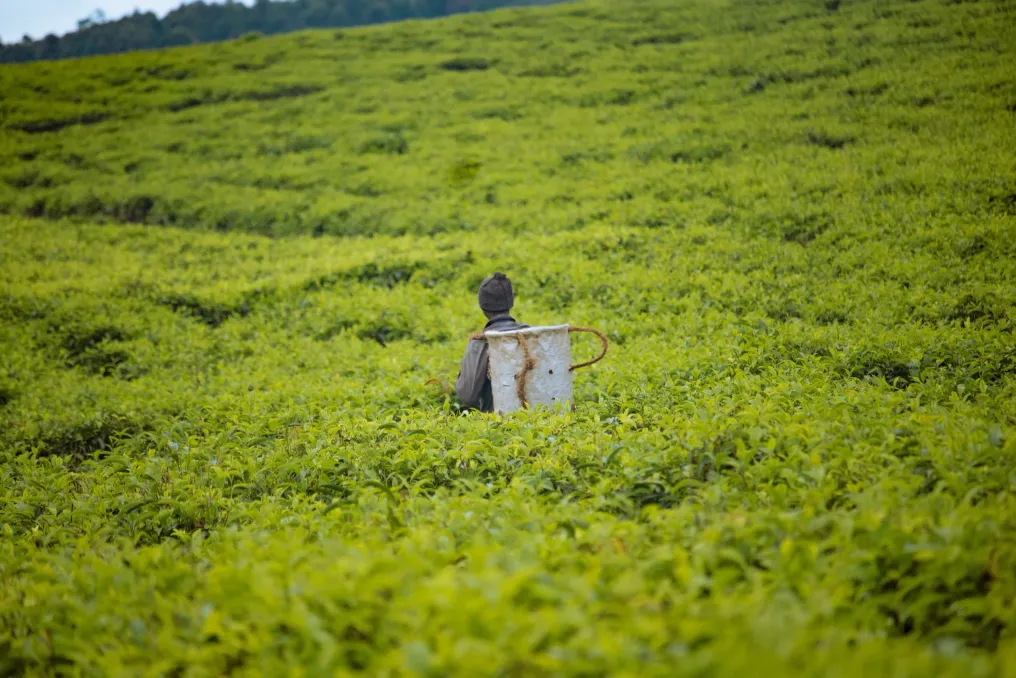
Summer walk along the hidden protected coast of Plettenberg Bay
Read more
Getaway
getaway.co.za

Summer walk along the hidden protected coast of Plettenberg Bay

Most visitors to Plettenberg Bay are familiar with Robberg Peninsula, but few know about the twenty kilometers of wild coastline located to its west, or about the small organized trail that helps keep this area pristine.

Every December, the beaches of Plettenberg fill up, and the trail around Robberg Peninsula comes alive with pedestrians. However, if you move a few kilometers west, the crowds disappear. Here, between the Robberg Nature Reserve and the Garden Route National Park, sea cliffs drop into secluded coves, forested gorges descend to the shore, and the slopes are covered in fynbos during the summer.

This area is called the Robberg Coast Corridor, and the best way to explore it is on foot, via the Inkwa Trail. This trail is suitable for both a morning walk during a vacation and a real adventure. Guided day hikes range from a simple forest loop to the Amphitheatre route—a 9-kilometer coastal walk with a steep ascent up the chimney.

For a deeper immersion, overnight routes with porters are available, lasting two or three days, covering 9–11 km daily. In this format, porters carry luggage to the next destination, a cooking team prepares meals, and tourists sleep in canvas tents with full beds, hot showers, and views directly onto the sea. Despite this, the walking requires effort: there are ascents, loose rock, and sections requiring scrambling. The reward is a coastline seen by very few people.

This stretch of coast was home to people for a long time. Nearby, in Nelson Bay Cave on Robberg Peninsula, there is evidence of human presence dating back approximately 125,000 years. Along the trail, guides point out caves, shell accumulations, and sea arches carved into the cliffs, sharing related stories.

The wildlife here is equally impressive. The name Inkwa is a local word for leopard, and leopards still roam this corridor along with caracals, moles, honey badgers, and Cape ground squirrels. Although spotting a leopard is unlikely, it is quite possible to notice its tracks.

The trail is serviced by locals. Each group has a lead guide and an assistant guide from the local community training program. Zane Maclin, who grew up nearby, sets up camps and manages the kitchen for the trail partner Bhejane. His goal is to become a guide himself. He says: 'I have been working as a camp manager for six years, and that inspired me to become a guide. I really want to take people through the rich biodiversity here and help them feel it.'

The corridor is a mosaic of 19 private and public properties, and it is the last natural link between Robberg and the national park outside the peninsula. Without this corridor, the peninsula would have turned into a natural island cut off by development. In 2015, five properties were declared protected areas, and eight more are now being added.

The Inkwa Trail is a primary source of income for a small non-profit organization dedicated to preserving this corridor. Your payment helps fund the clearing of invasive plants, habitat restoration, and wildlife monitoring, including a new camera trap survey launched in November to track animals using the corridor.

It is also part of a larger picture. The corridor forms the first link in the 'Eden to Addo' Initiative, which has been working for 20 years to restore connectivity between wild spaces from Garden Route to Addo Elephant National Park.

Thus, this summer, when the beaches are crowded, it is worth dedicating a day or three to exploring the wild fringe.

Similar stories

Rietvlei Nature Reserve Offers Opportunity to See Wildlife Near Pretoria
Read more
getaway.co.za

Rietvlei Nature Reserve Offers Opportunity to See Wildlife Near Pretoria

Not far from the busy streets and expanding suburbs of Pretoria lies a landscape composed of open grasslands, wetlands, and wildlife, serving as an unexpected refuge from urban hustle. In Rietvlei Reserve, the urban environment gives way to wide skies, quiet water, and the opportunity to observe animals during a leisurely drive through the area.

Spanning approximately 4,000 hectares, Rietvlei is one of Tshwane's important conservation areas, protecting endangered plant species, water systems, as well as a vast diversity of wild animals and birds. The reserve was established in 1929 and serves as a reminder that wildlife does not always require a long journey into the countryside; sometimes it is right on the edge of city limits.

Whether you are visiting for a morning wildlife drive, a birdwatching tour, a picnic by the dam, or an organized nature event, Rietvlei offers a chance to slow down and experience the natural landscapes that remain part of Pretoria's urban setting.

History and Ecological Significance

Rietvlei Reserve has an unusual history connected to the region's water supply. It was originally part of the water supply scheme intended to provide drinking water to Tshwane, and its landscape continues to play a vital role in protecting natural habitats and water systems.

Today, the reserve covers approximately 4,000 hectares of grassland and wetland ecosystems. Its location within a rapidly developing urban environment makes its conservation function particularly significant, as this area protects an ecosystem that the City of Tshwane describes as being in critical condition.

The reserve safeguards rare flora, fauna, and avifauna, while its wetlands and open grasslands form a diverse natural landscape available for visitors to explore. Its proximity to Pretoria also makes conservation efforts tangible for people who would otherwise have to travel much further to see wildlife and natural habitats.

Wildlife Viewing Opportunities

One of Rietvlei's main advantages is the ability to encounter wild animals without traveling far from the city. The reserve's grasslands, wetlands, and open spaces support various large mammals, making self-guided animal observation an attractive way to spend several hours outdoors.

Visitors may encounter eland, buffalo, white rhinos, red hartebeest, Barchid zebra, black hartebeest, gemsbok, hippos, rhinoceroses, and jackals. The reserve also supports several nocturnal species, including aardvark, serval, civet, aardwolf, brown hyena, and hedgehog.

With about 30 km of roads for self-driving, Rietvlei allows guests to explore the area at their own pace. This experience is more focused on observing the unfolding landscape, scanning the grasslands, and following the edges of the wetlands than on rushing between animal sightings.

The reserve's roads allow for safe animal viewing from inside a vehicle. Visitors are advised to drive slowly, show respect for wildlife and other road users, remembering that animals always have the right of way.

An encounter might include a herd of grazing zebras, buffalo crossing an open veld area, or hippos visible near the water. As with any wildlife reserve, encounters are not guaranteed, so patience is part of the experience.

Birdwatching

While large animals attract many visitors, Rietvlei is also a valuable spot for bird enthusiasts. Its wetlands and grasslands create a habitat for an impressive diversity of bird species; around 350 species are recorded in the reserve.

The variety of habitats allows for the observation of birds associated with water, open grasslands, and other natural conditions. From migratory waterfowl around the wetlands to birds foraging on the grasslands, the reserve offers an interesting backdrop for year-round birdwatching.

Rietvlei features six hides accessible along the self-drive routes, allowing visitors to stop and observe birds without disturbing the environment. These hides provide an opportunity to spend time watching the landscape rather than just driving through it. It is recommended to bring binoculars, a bird guide, or a bird identification app and allocate time to observe the quieter details of the reserve.

Visiting Options

Self-drive routes make the reserve accessible to those who wish to explore the area without booking a guided tour. A leisurely drive through the landscape allows for wildlife viewing, photography, and stops at designated spots.

A visit can be short or long, depending on the visitor's time and what they hope to see. Morning visits allow exploration before it gets too hot, while a slower walk might include visiting hides and stopping at the picnic area.

Visitors should stay on marked roads, avoid driving off the veld, and remain inside vehicles while viewing animals unless they are in authorized areas such as hides or special points of interest.

Rietvlei offers more than just wildlife viewing, making it a suitable place to satisfy various interests and ways to spend a day outdoors. The Marey's Dam picnic area provides a place to rest between exploring the reserve. It has barbecue facilities, allowing visitors to plan a relaxing break combining wildlife viewing with outdoor dining.

This area is suitable for those who want to spend the whole day in the reserve, although reserve rules apply, including restrictions on alcohol, loud music, pets, and large groups. Visitors should also check the picnic area operating hours before arriving.

For visitors interested in landscape study, there are guided walking tours offering a different way to explore Rietvlei. These hikes focus on nature and interpretation rather than physical fitness, allowing participants to learn about the reserve's environment. Advance booking is required, and the reserve's daytime walks are currently limited to groups of six to 15 people, with participants needing to be over 12 years old. A roughly four-hour experience offers a deeper immersion into exploring the reserve on foot.

Those seeking a more structured wildlife viewing experience can book guided tours during the day or night. Daytime trips usually last two to three hours, providing an opportunity to learn about the reserve and its animals while exploring with a guide. Night trips, available seasonally from September to May, offer a different perspective on the reserve and its nocturnal fauna. Both options require booking and adhere to minimum and maximum group sizes.

Rietvlei Reserve is managed by the City of Tshwane, and visiting hours vary depending on the season.

Operating Hours

September – March: 05:30 to 19:00. Last entry permitted at 17:00.

April – August: 06:00 to 18:00. Last entry permitted at 16:00.

The reserve has special operating hours on Mondays and Wednesdays from May to August, opening at 11:00 for animal management purposes, provided the day is not a public holiday. Visitors should check the latest information regarding operations before traveling, especially when planning tours or visiting during seasonal changes.

Rietvlei is a protected area, and visitors are expected to respect its wildlife and environment. The speed limit in the reserve is 30 km/h, and animals always have priority. Visitors must remain in their vehicles while viewing animals, except in designated areas, and are prohibited from feeding animals, pulling up plants or animals, littering, swimming, or fishing. Pets, drones, and loud music are also forbidden.

Currently, only bank cards are accepted at the reserve entrance, so visitors should plan their trips accordingly. For updated information on entrance fees, event bookings, and visitor information, please refer to the official Rietvlei Reserve website of the City of Tshwane before visiting.
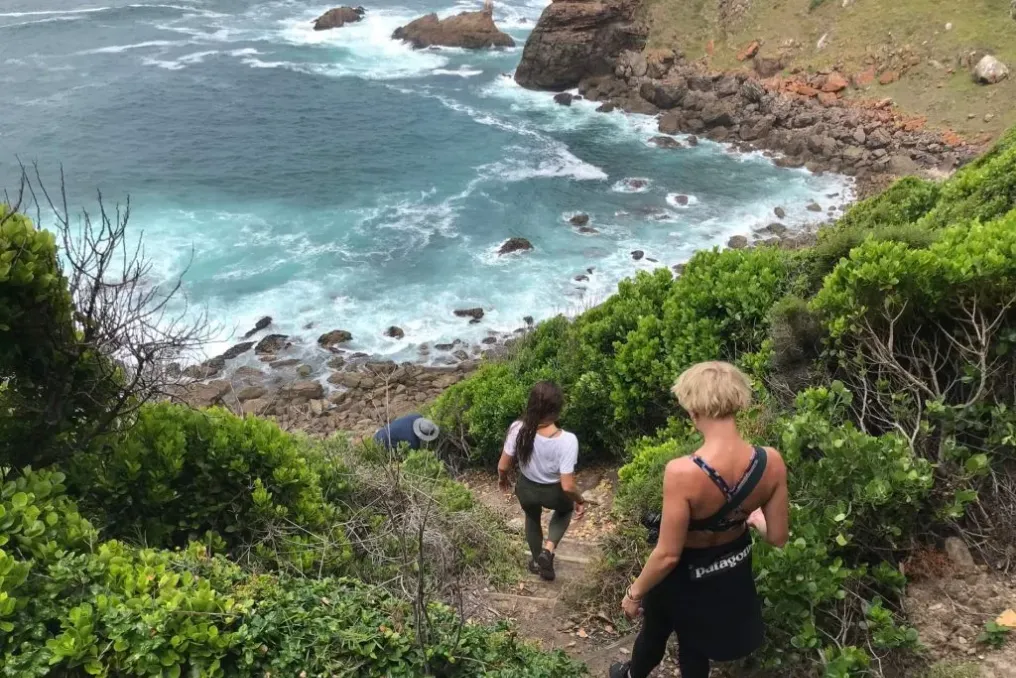
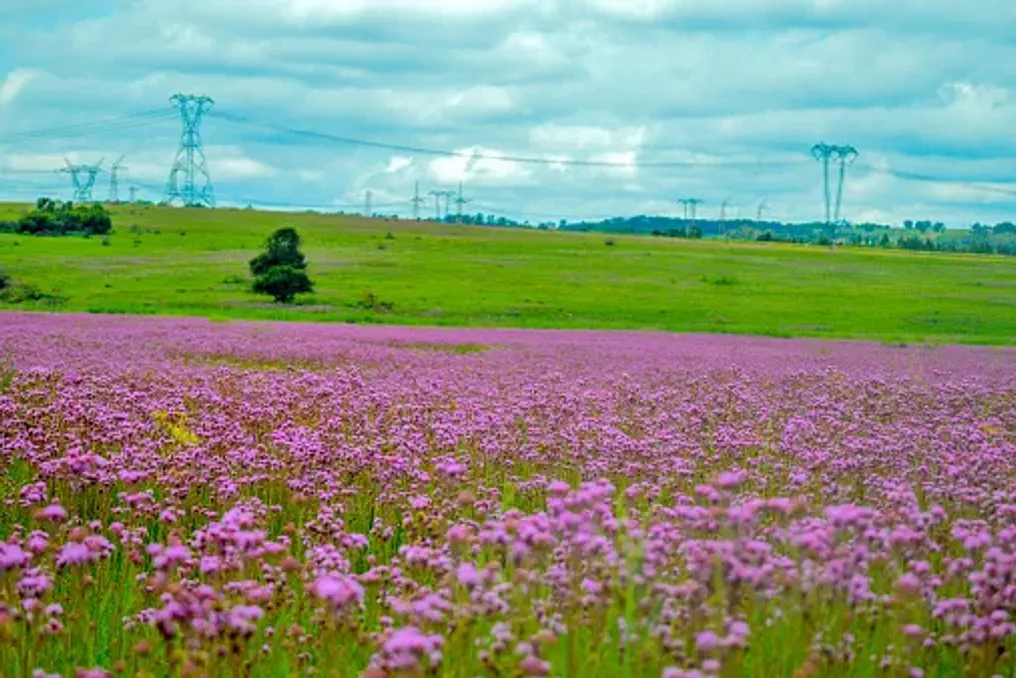
Goukamma: Nature Reserve on the Garden Route with Dunes, Trails, and Water Bodies
Read more
getaway.co.za

Goukamma: Nature Reserve on the Garden Route with Dunes, Trails, and Water Bodies

When traveling along the Garden Route, it is easy to overlook the section between Saddleighfield and Knysna by focusing only on dining spots. However, if you turn off towards Buffalo Bay, you can spend the morning climbing the fynbos ridge, and then have lunch by the Goukamma River with kingfishers.

This is an excellent way to explore the Goukamma Marine and Nature Reserves. Walks lead from overgrown dunes to Milkwood Forest, and the water visible from the ridge offers a place to rest after hiking. One day is enough for a hike and picnic; if you stay overnight, you can dedicate the morning to Groenveld.

If you choose one route, the Bush Pig Trail is worth stopping at. This 6.5 km circular route takes about two to three hours and passes over the fynbos ridge with views of the river, estuary, and sea. The return journey goes through Milkwood Forest, which provides pleasant shade after being on the ridge. Before starting the hike, check with the reception desk regarding the foot ferry, as the self-propelled crossing is used to access several trails from the riverbank.

For a longer day on the dunes, the Porcupine Trail, spanning 13.5 km, is available. It will take four to five hours and ends in Groenveld, so you must arrange transportation in advance. If you prefer the sea, you can walk along the coast on the Galjoen Trail, 12 km long, to Platbank; in this case, you need to arrange a meeting there and check the tide tables, as CapeNature reports that the route is inaccessible during high tide.

Upon returning to the riverbank, it is worth staying at the picnic area to watch the kingfisher hovering over the water or the grey heron on the edge. If you wish to go out onto the river, you can ask the reserve office about renting a double canoe. CapeNature provides paddles and life jackets, and visitors are allowed to bring their own canoes or kayaks.

Groenveld offers a different kind of morning. It is a freshwater lake into which no river flows, and it is separated from the Goukamma estuary. The Cape Clawless Otter Trail, 6.5 km long, follows the southern shore of the lake along a flat road back and forth through local forest and coastal vegetation. This is a hike best left for the second day when you just want a few hours of walking without another climb up the dunes. During the walk, you can listen to the birds in the Milkwood forests; BirdLife South Africa lists the European Robin among possible species.

CapeNature offers self-catering accommodation options in Goukamma, including the Buffalo Valley lodges by the river and Mvubu Bush Lodge on the Groenveld side. Mvubu accommodates four people and overlooks the lake from the Milkwood forest section. You should choose riverside accommodation if your goal is to maximize trails and paddling, or stay near Groenveld if you want to wake up with a view of the lake.

To enter the main reserve entrance, use the Buffalo Bay exit from the N2 highway between Saddleighfield and Knysna. After driving about 8 km on the road, turn right into the reserve. The CapeNature brochure states that the gates are open from 08:00 to 18:00. Hikers can obtain permits upon arrival. To check the availability of trails, ferries, and canoes before your trip, it is recommended to call the reserve office at 087 087 3946.

If Goukamma is part of a longer Garden Route trip, it is worth leaving the second half of the day free after hiking. From the Bush Pig ridge, you can see the river winding towards the sea. A little later, you can return to the water's edge to have lunch and watch the kingfisher. It is important to turn around in time to do both.

Introduction to Magwa Plantation: Tours, History, and Waterfall
Read more
getaway.co.za

Introduction to Magwa Plantation: Tours, History, and Waterfall

If your plans for the Wild Coast are mainly focused on beaches, it is worth setting aside time to travel inland. Near Lusikisiki, Magwa Plantation offers a pleasant reason to spend several hours away from the sea.

The plantation grounds feature hills covered in tea fields, interspersed with patches of forest. The Magwa waterfall is located within the plantation, cascading into a narrow canyon. You can plan a trip around one of these attractions, but it is worthwhile dedicating time to both.

If you enjoy a cup of tea, there is something special about learning about the place where it originates. Tea has been part of this landscape for decades. According to a presentation by the Eastern Cape Department of Agriculture, experimental plots were planted in Lusikisiki in 1960. Production at Magwa began with 50 hectares of seedlings in 1965, and the factory was built in 1969.

Today, Magwa and Madjola, a separate plantation near Port St Johns, are part of Magwa Enterprise Tea. Both have their own processing factories, and the company specializes in black tea.

Behind these fields lies human history. The plantation provided employment and supported the local way of life, although its operation has faced difficulties. In its political speech for 2025/26, the provincial department of agriculture reported high operating costs for Magwa and Madjola, as well as efforts to attract investment and improve infrastructure.

Knowing this history allows for a deeper appreciation of the sights encountered during a visit. For the people who work here, these hills are part of daily life.

Most of us brew tea without considering how it ends up on our tables. Visiting Magwa provides an opportunity to ask some questions. The plantation's public tour program includes walks through the fields, observing tea picking, and visiting the factory to learn about the processing process. Tasting brewed tea and visiting the factory shop are also offered, which can be a good opportunity to purchase a souvenir.

Before building your day around this event, you should contact the plantation. The tour description is dated 2019, so it is necessary to clarify what activities are currently running and whether the factory will be operational during your visit.

Local administration also points to a tea restaurant at Magwa. If you wish to stay for lunch, it is advisable to inquire about the restaurant's opening hours.

While you are there, allocate time for the Magwa waterfall. The Eastern Cape tourism portal reports that the waterfall is approximately 144 meters high, with water plunging into a narrow canyon within the plantation.

This is a good reason to spend a quiet day in the area. You need to check accessibility through the plantation or your accommodation and ask about hiring a local guide familiar with the route. Wear shoes with good tread and stay away from the edge of the canyon. The Department of Tourism account describes the approach from the parking area as rocky and slippery, so current conditions must be checked before leaving.

Confirm access, tours, bookings, and any fees, and request advice on the direction of travel and road conditions for your vehicle. If you plan to stay nearby, the municipality lists accommodation options in Lusikisiki and Mbotyi. This will allow you to dedicate enough time to the plantation without trying to cram everything into a rushed stop.

This is the appeal of Magwa. It gives a reason to spend more time in this corner of the Wild Coast, learning about the tea and the people whose work is invested in it. Allocate time for the waterfall, support a local guide or business where possible, and perhaps bring some tea home. Your next cup might have a story.

Popular