Russia is ready to hold a Russian culture festival in Iran following meetings in Moscow
Read more
Tehran Times
www.tehrantimes.com

Russia is ready to hold a Russian culture festival in Iran following meetings in Moscow

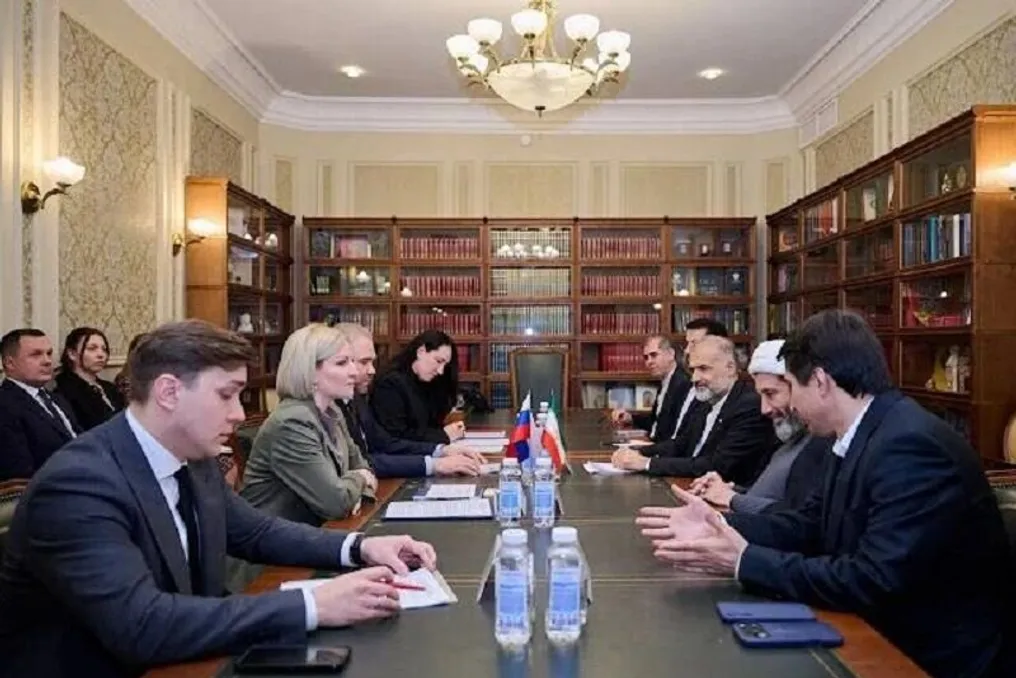
A meeting took place in Moscow between the head of the Islamic Culture and Relations Organization (ICRO), Hojjatoleslam Mohammad Mehdi Imanipour, and the Minister of Culture of the Russian Federation, Olga Lyubimova. During this meeting, the Russian minister expressed satisfaction with the growing level of cultural interaction between the two countries and announced the Ministry's readiness to participate in organizing the Festival of Russian Culture in Iran.

As reported by the IRNA agency, Lyubimova also noted that Iranian cultural events held in Russia were well received by the Russian population. Hojjatoleslam Imanipour, who visited Moscow at the invitation of the Patriarch of the Russian Orthodox Church, thanked the Ministry of Culture of Russia for its support and assistance in organizing the 'Iranian Days' events on the territory of the Russian Federation, calling the event successful and significant.

He emphasized the importance of continuing joint cultural programs and fulfilling agreements reached within the framework of bilateral committees for cultural cooperation. Mentioning the wide response to Iranian cultural programs in Russian cities such as Moscow, St. Petersburg, Astrakhan, and Kazan, Imanipour stated that these events contributed to strengthening mutual understanding between the peoples of the two countries and improving cultural ties. He expressed hope that a Festival of Russian Culture would also take place in Iran soon.

Furthermore, he stated Iran's readiness to host a preliminary delegation from Russia to discuss the details of organizing this festival. Also speaking at the meeting, the Iranian ambassador to Moscow, Kazem Jalali, noted that cultural cooperation is a key element in strengthening bilateral relations. He stressed that while the potential between Iran and Russia is vast in political, economic, defense, and military spheres, developing cultural ties can deepen the bonds between the two peoples.

During the negotiations, the parties also exchanged views on implementing the agreements of the cultural cooperation committee, expanding cinematic interaction, exchanging cultural and artistic delegations, as well as organizing joint exhibitions and events.

Events under the 'Iranian Days in Russia' program started on September 25th with the participation of the Minister of Culture and religious leaders Seyed Abbas Saleh in St. Petersburg, and then continued in Moscow, Kazan, and Astrakhan. The National Orchestra of Iran, conducted by Homayoun Rahimi with vocalist Mojtaba Asghari, opened the program with a concert at the historic Bolshoi Theatre in Moscow, one of Russia's most famous cultural centers. The concert presented a selection of Iranian compositions alongside a piece from the Russian classical repertoire, creating a musical dialogue between the traditions of the two countries.

The caravan of Iranian artists, numbering 168 people, including musicians, performers, film and theater specialists, literary scholars and linguists, manuscript and library experts, Persian language and poetry specialists, writers of fiction, and media specialists, represented a diverse and unprecedented composition for international cultural weeks. Despite the conclusion of these events on October 20th, the exhibition of Iranian artists continued in Kazan for another two weeks.

Relations between Iran and Russia go beyond mere interaction between governments or neighboring states; they are rooted in centuries of contact, dialogue, travel, trade, scholarship, literature, and mutual understanding between the peoples. In this context, culture has become the most natural and enduring language of dialogue between Iranians and Russians—a language through which poets, writers, artists, intellectuals, and ordinary people in both countries communicated long before politicians began to do so. Historical ties between the two countries date back more than five centuries. Exchanges, ranging from the presence of Persian literature in the cultural landscape of Russia and the expansion of Iranian studies and teaching of the Persian language in Russian universities, to the translation of Russian literary works into Persian, have constantly served as a basis for mutual understanding.
Similar stories

Thirteenth Pistachio Festival in Damghan Highlights Striving for Global Recognition
Read more
www.tehrantimes.com

Thirteenth Pistachio Festival in Damghan Highlights Striving for Global Recognition

The Thirteenth National Pistachio Festival of Iran took place in Damghan from November 18 to 20. The event aimed to showcase the region's capabilities in pistachio production and processing, enhance farmers' knowledge, facilitate experience exchange among industry participants, and promote efforts to gain international recognition for Damghan pistachios through the Food and Agriculture Organization of the United Nations (FAO).

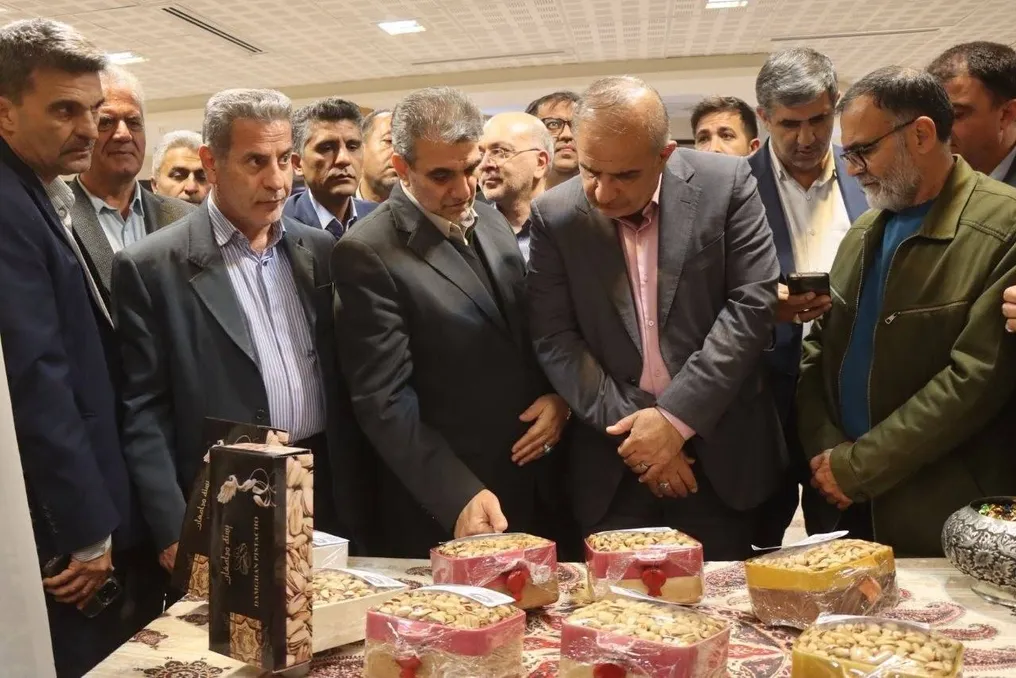
The festival kicked off with the opening of a specialized pistachio industry exhibition at the International Conference Center of Damghan University. Over three days, it gathered orchard owners, producers, business operators, experts, and researchers involved in the pistachio sector.

Damghan, being one of the key centers for pistachio production in Iran, holds an important position in the agricultural economy of Semnan province. This area hosts over 130 pistachio processing centers and approximately 5,000 orchard owners and farmers, underscoring the significance of this crop for local employment and household welfare. According to available data, agriculture accounts for about 35 percent of employment in Damghan.

Mansour Abbasiian, secretary of the Thirteenth National Pistachio Festival, reported that the pistachio yield per hectare in Damghan orchards this year reached approximately 1,200–1,500 kilograms, significantly higher than the national average of about 800 kilograms per hectare. He attributed the improved productivity of the orchards partly to regular training courses and seminars organized in cooperation with the Agricultural Jihad Organization, as well as the utilization of expertise from specialists and experts. Abbasiian urged orchard owners to utilize the festival's educational programs and benefit from its scientific and technical resources.

One of the central elements of the Thirteenth National Pistachio Festival was a series of eight specialized training seminars held on November 19 and 20 in partnership with the Pistachio Research Institute. Leading Iranian scientists and experts participated in these sessions. The seminars covered a wide range of topics, including winter leaching, stigmomycosis (a stone-like spot), pests and pesticides, heat stress, pistachio tree nutrition, sustainable production, diseases, autumn pruning, and the market for green pistachio kernels. Participation in these courses was free for orchard owners, pistachio growers, and other interested parties, providing an opportunity to learn modern production methods, orchard management techniques, and ways to improve product quality.

The specialized pistachio industry exhibition also ran for three days at the International Conference Center of Damghan University. The exhibition featured 15 booths, showcasing pistachio-related products, agricultural machinery, tools, fertilizers, pesticides, and industry achievements. It served as a platform to demonstrate the sector's potential and familiarize farmers with the latest technologies and equipment.

A primary objective of the Thirteenth National Pistachio Festival was to advance efforts to secure international recognition for Damghan pistachios through the Food and Agriculture Organization of the United Nations (FAO). Abbasiian noted that the festival secretariat, the Semnan Province Pistachio Association, and Damghan University are jointly working towards this goal. He described gaining international recognition for Damghan pistachios as one of the most crucial objectives of this year's festival.

Another item on the agenda was the creation of a parliamentary faction for pistachios in the Iranian parliament to address the problems and difficulties faced by industry participants. The festival secretary also mentioned the transfer of management of the Iranian Pistachio Office to the private sector as another achievement resulting from the efforts of previous editions. According to Abbasiian, the office, previously managed by the Ministry of Agricultural Jihad, is now administered with the participation of the Iranian Pistachio Association, industry participants, and experts. This step aims to ensure a more serious and effective response to the issues of producers and orchard owners.

Alongside the potential and successes of the industry, the festival actively discussed the challenges faced by producers. Among the main issues raised by orchard owners were the reduction of permitted water withdrawal from agricultural wells and adjustments to water usage permits. Industry representatives warned that such measures could undermine irrigation capacity and, if continued, lead to reduced production, poorer product quality, and the drying up of some orchards. Power outages, rising costs of agricultural resources, and high production costs were also cited as serious problems requiring attention from relevant authorities.

In response, officials and representatives from national agricultural institutions, the Ministry of Energy, the Ministry of Agricultural Jihad, the Parliamentary Agriculture Committee, and its Article 90 Committee were invited to the festival to study the industry's problems.

Beyond the technical and economic focus, the Thirteenth National Pistachio Festival included cultural and artistic programs. Local artists from Damghan, alongside renowned artistic groups from across Iran, participated in the opening and closing ceremonies. These programs were designed to create a vibrant atmosphere, encourage public participation, and strengthen the social appeal of the event.

A digital book documenting the XII National Pistachio Festival was also presented as part of efforts to preserve the records and achievements of the event. The publication contains reports, materials from training seminars, speeches, and programs from the previous edition. Readers can access its text, audio, and video content by scanning a special QR code.

The Thirteenth National Pistachio Festival once again demonstrated the economic, scientific, and social importance of this strategic agricultural product. In addition to showcasing production and processing capabilities, the event provided a platform for farmers to voice their concerns, exchange technical knowledge, and raise infrastructural issues facing the sector. Approximately 30,000 hectares of orchards in Semnan province are used for growing pistachios; expanding domestic and international markets, improving product quality, and striving for international recognition for Damghan pistachios can help strengthen the position of this crop in Iran's agricultural economy.

Iran and Armenia plan to expand cultural cooperation following delegation meetings
Read more
www.tehrantimes.com

Iran and Armenia plan to expand cultural cooperation following delegation meetings

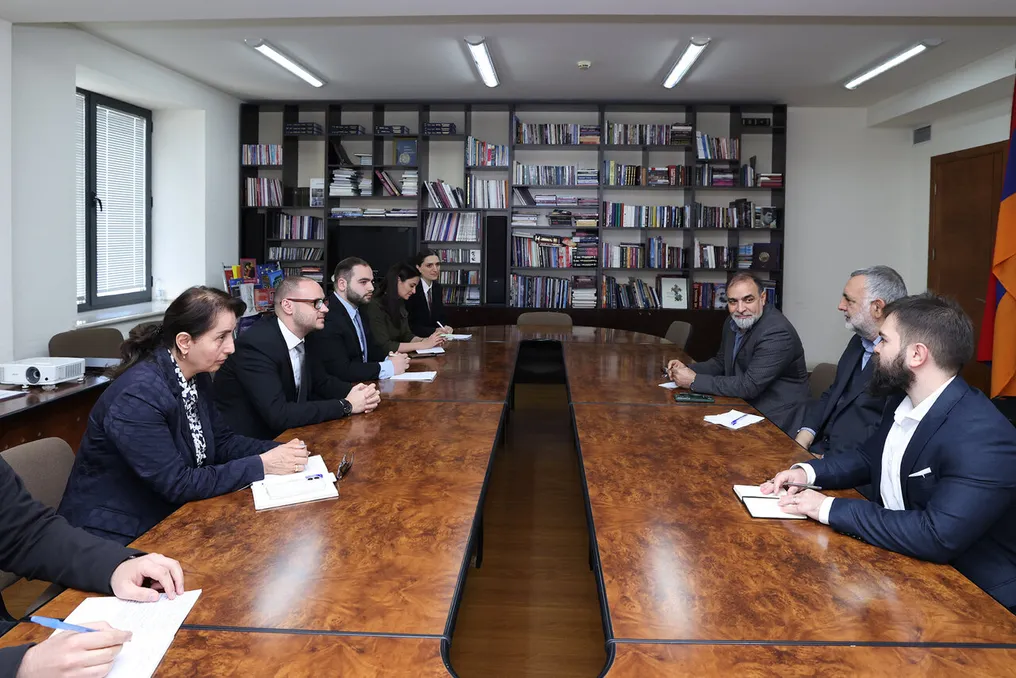
A specialized meeting was held in Yerevan where a high-level delegation from the Islamic Republic of Iran, led by Vice President Seyed Hamid Pourmohammadi, held talks with Armenian officials. Among those present was Alfred Kocharyan, Deputy Minister of Education, Science, Culture and Sport of Armenia. The parties discussed strategies for developing cultural ties between the two states.

At the beginning of the meeting, Kocharyan highly praised the centuries-old cultural ties between Armenia and Iran, emphasizing the importance of opportunities for their deepening in various fields. He noted the existing successful cooperation and stressed the need to implement joint programs in the field of intangible cultural heritage and contemporary art.

Mohsen Javadi, Deputy for Cultural Affairs at the Ministry of Culture and Islamic Guidance, also spoke at the meeting. He stated that the Iranian delegation is engaged in cultural matters to seek new opportunities and strengthen existing partnerships. Javadi noted that the main goal of these negotiations is not to create ties from scratch, but to develop, expand, and organize the cooperation that has already formed through the initiative of artists, cultural activists, and the people of both countries.

Javadi emphasized the rich historical and civilizational heritage of Iran and Armenia. He pointed out that the presence of enthusiasts of the Persian language, Iranianology researchers, and scholars familiar with Iranian culture in Armenia creates a favorable environment for the development of cultural interaction. He also insisted on moving from general discussions to concrete programs, suggesting that the topics discussed at this meeting be formalized through official correspondence, definition of priorities, and the development of executive agreements in subsequent stages.

Javadi invited Armenian cultural officials to visit Iran and proposed holding Armenian Cultural Weeks in Tehran, as well as in cultural centers such as Isfahan and Shiraz, alongside reciprocal Iranian Cultural Weeks in Yerevan. According to him, such events could include a wide range of cultural and artistic activities: book fairs, literary programs, film screenings, musical performances, exposure to fine arts, and specialized seminars.

Stressing the importance of broad public participation, Javadi noted that cultural weeks allow cultural ties to go beyond elites and professionals, enabling ordinary citizens, especially youth and families, to learn about the cultural achievements of another country. During the discussion among high-ranking officials, a proposal was put forward to select and translate a collection of outstanding works by Iranian and Armenian authors.

According to this proposal, works by prominent contemporary Armenian authors in the genres of fiction, poetry, art, science, and technology will be selected for translation into Persian, while a collection of works by Iranian writers and researchers will be presented for translation and publication in Armenian. The Deputy for Cultural Affairs noted that although a significant portion of the audience in Iran and Armenia is familiar with the names of classical writers from both countries, the works of young authors and new literary trends are less widely represented in the partner's language. He stated that expanding the translation of contemporary works could bridge this gap and provide a platform for the new generation to become acquainted with the thoughts, concerns, and socio-cultural development of both societies.

In this context, the need to develop cooperation between publishers, translators, universities, and research centers of the two countries was also highlighted. Another part of the negotiations was the expansion of mutual presence of Iranian and Armenian publishing houses at book fairs and festivals. Javadi suggested that the presence of Armenian publishers and writers at the Tehran International Book Fair should be strengthened, given its enormous potential for showcasing foreign authors. Subsequently, the Armenian side proposed studying the possibility of mutual visits to each other's international book fairs as 'Special Guests'. Based on this proposal, Iran and Armenia could achieve broader representation at each other's book fairs during certain periods by utilizing special exhibition spaces and organizing diverse cultural and literary programs.

During the meeting, the presentation of the prose translation of Ferdowsi's 'Shahnameh' into Armenian was noted as a prime example of cultural cooperation. This valuable work was translated by George Asaturyan, and scientific editing and writing the preface was done by Professor Harnik Astaryan, a renowned Armenian Iranianist. This translation is the result of many years of scientific and research activity and presents the narrative parts of the Shahnameh in the format of literary prose for Armenian readers. At the opening ceremony, the efforts of the translator and editor, as well as the contribution of Loris Tjeknavorian, a renowned Iranian-Armenian composer, were acknowledged.

For his part, Pourmohammadi, referring to the place of the 'Shahnameh' in Iran's cultural heritage and its influence on art and literature, proposed creating a 'Shahnameh House' in Armenia involving researchers and artists from both countries. Addressing the international recognition of Iranian cinema, Armenian officials noted the constant presence of Iranian filmmakers' works at the 'Golden Apricot' International Film Festival in Yerevan, calling the festival an effective platform for connecting cinematographers from the two countries. The meeting also touched upon the growing potential of the Armenian film industry and the need to utilize the professional experience of Iranian cinematography. In this regard, the expansion of teaching Armenian language, Armenian studies, and research related to Armenian history and culture in Iranian universities and academic centers became a subject of interest.

The Armenian side, mentioning joint cooperation in presenting cultural traditions and rituals, cited the joint file 'Tradition of Water and Rain Celebration: Tirgan/Vardavar', which was submitted by Iran and Armenia to UNESCO for consideration in 2026 and is on the list of files under review for inclusion in the Intangible Cultural Heritage of Humanity List.

Furthermore, at the meeting, Mohammad Asadi-Movahed, Cultural Attaché of the Islamic Republic of Iran in Armenia, shared his experience in organizing joint programs during his tenure, stating: 'The mission of the Iranian Cultural Center is not only to present Iran's cultural and artistic potential in Armenia; rather, the institution strives to promote the representation of Armenian culture, art, elites, and achievements to the Iranian community.' He described the Cultural Center as a common platform for developing cultural relations between the two nations and emphasized the need to maintain and strengthen both institutional and grassroots cooperation. The Iranian Cultural Attaché also mentioned the naming of the assembly hall in the historic Blue Mosque of Yerevan in honor of Egish Charents, a distinguished Armenian poet and connoisseur of Iranian culture and literature. This act, which took place during the Iranian delegation's visit and in the presence of the Iranian Vice President, aimed to immortalize Charents' literary status and his historical role in the cultural ties between the two countries. During the ceremony, Charents' passion for Iranian literature, especially Ferdowsi's 'Shahnameh', and his historical role in the protection of the Blue Mosque of Yerevan were noted.

Popular