The Government of Mozambique has announced its intention to strengthen control and ensure closer supervision over the fuel, medicine, and grain sectors. These industries have been classified as strategically important for the state's sovereignty and ensuring the population's food security.
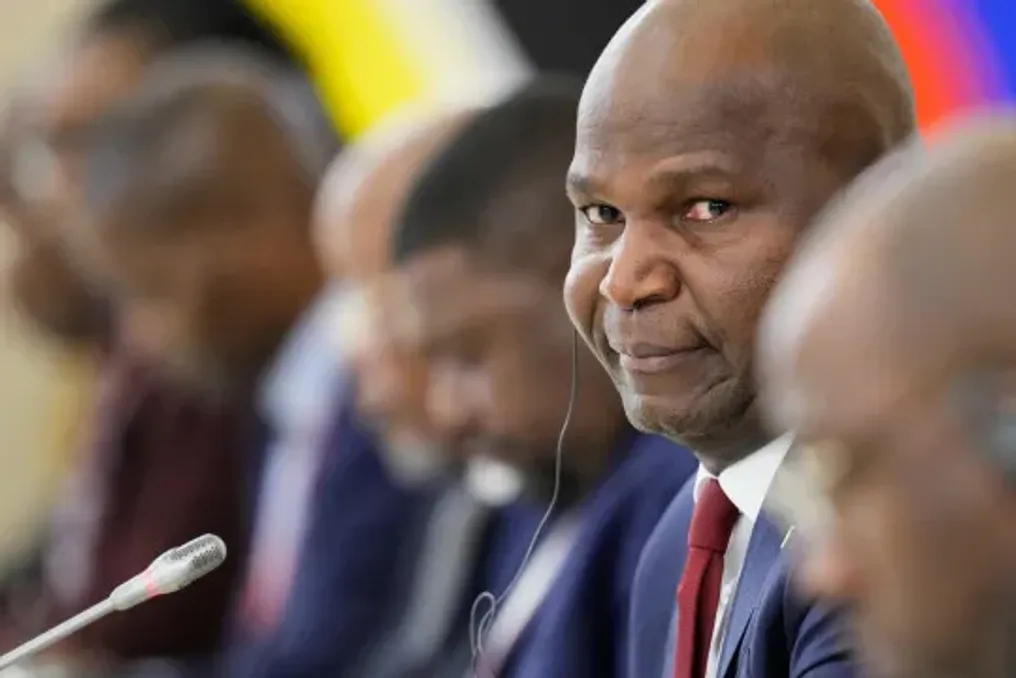
In response to questions about applying direct regulation in logistics and fuel-related projects, the press secretary of the Council of Ministers, Inosensio Impissa, stated that the executive branch has identified these three areas as priorities for the country's economic stability.
He emphasized the government's determination, noting: 'The government will not back down. The government will control fuel, it will control food products, it will control medicines' during the 34th session of this body in Maputo.
According to the representative, this decision is based on the concept of economic independence and the protection of national interests, especially as the country continues to face supply challenges in certain areas. He clarified that the state does not plan to replace private operators but aims to track the entire supply chain of these goods more closely, from import to the end consumer.
Impissa explained: 'The government is starting to monitor all stages. Where they buy, who they buy from, how much they buy, and how much arrives.'
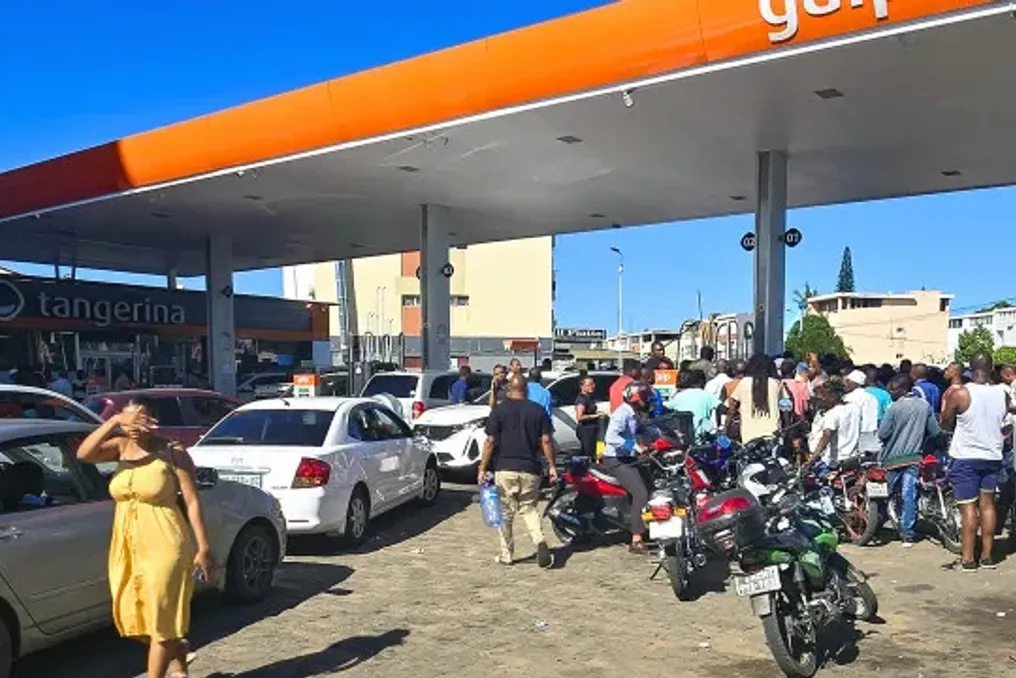
Regarding fuel, the executive branch believes that its critical importance for transport, production, and cost of living justifies increased state presence. It was stated: 'These institutions and capabilities are now being created specifically for fuel, precisely because of fuel's importance to the Mozambican people.'
A similar approach is being applied to medicines, which the government considers an essential commodity directly related to public health. 'Medicines are also part of the basic needs that the Mozambican people should have. Therefore, the government is beginning to exercise direct and careful control over medicines.'
As for grain, Impissa explained that the goal is to increase control over the procurement and trade of products considered fundamental to food security. According to him, the National Institute of Grain of Mozambique (INCM) will begin tracking transactions to ensure greater market transparency. The executive branch rejects the idea of nationalization or replacing private companies, insisting on strengthening supervisory mechanisms and ensuring regular market supply. 'This is a matter of transparency,' stressed Inosensio Impissa.
The representative added that the ultimate goal is to prevent disruptions, guarantee public access to essential goods, and enhance the state's ability to intervene in sectors it deems strategic.
It was noted that Mozambique spent $660.6 million (€568.6 million) on fuel imports in the first half of the year, accompanied by difficulties with supplies and currency, with the amount increasing by 79.4% from March to June. Statistics from the Bank of Mozambique show that fuel imports were split between $236.4 million (€203.5 million) in the first quarter and $424.2 million (€365.1 million) in the second.
Furthermore, on October 30, Mozambican entrepreneurs demanded the suspension of a decree effective from December 2025, which assigns ICM management of rice and wheat imports, citing the lack of a legal basis and contradiction with the country's international obligations.